Truthout
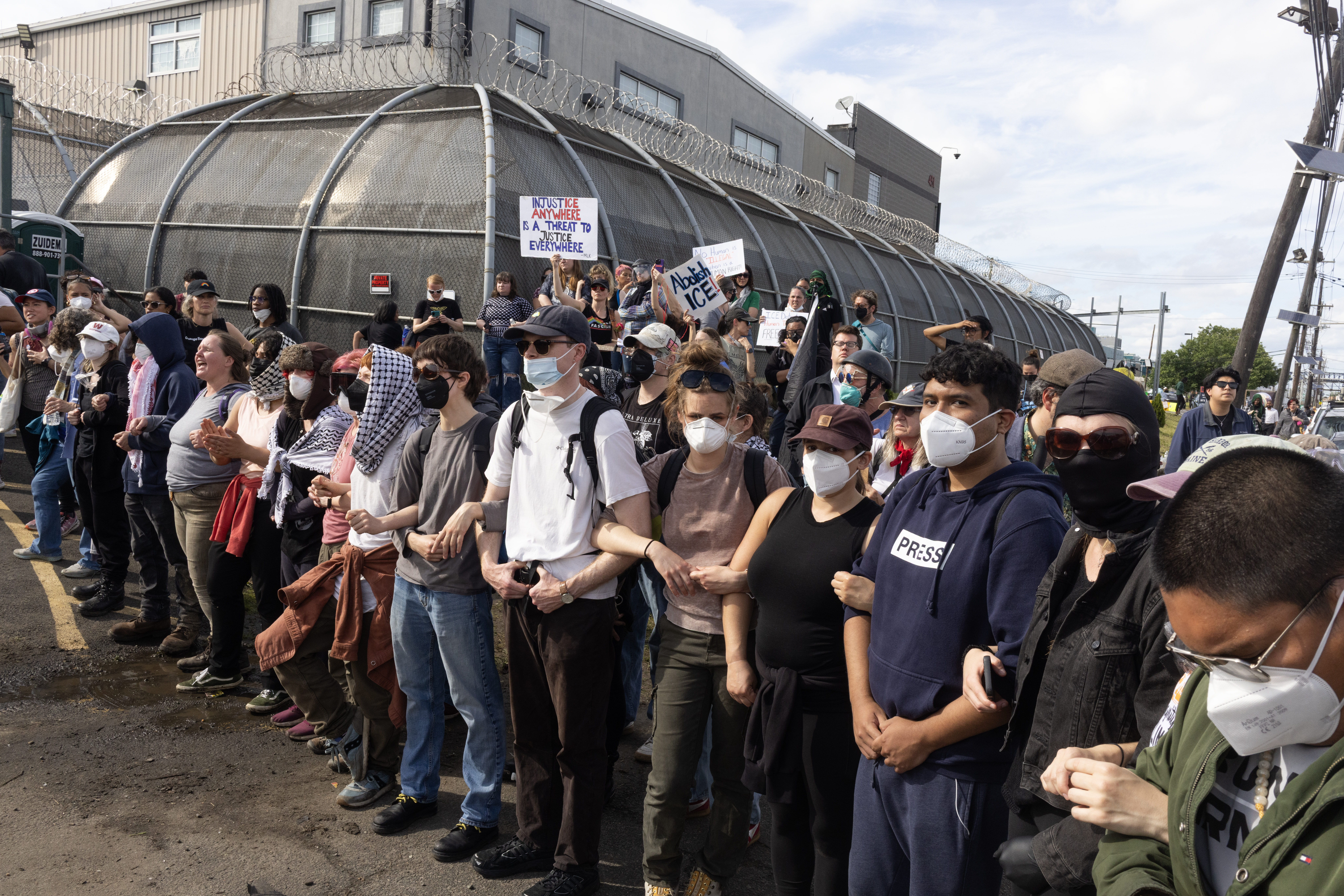
Protests Erupt at New Jersey Detention Center in Support of Striking Detainees
Some 300 detainees launched a hunger and labor strike on Friday in protest of the conditions at the ICE jail.
Far Left

Republicans had hoped the new map would help the GOP flip a key congressional seat.
Some 300 detainees launched a hunger and labor strike on Friday in protest of the conditions at the ICE jail.

Around 200 of the corporations that received the letter had pledged to protect voting rights five years prior.
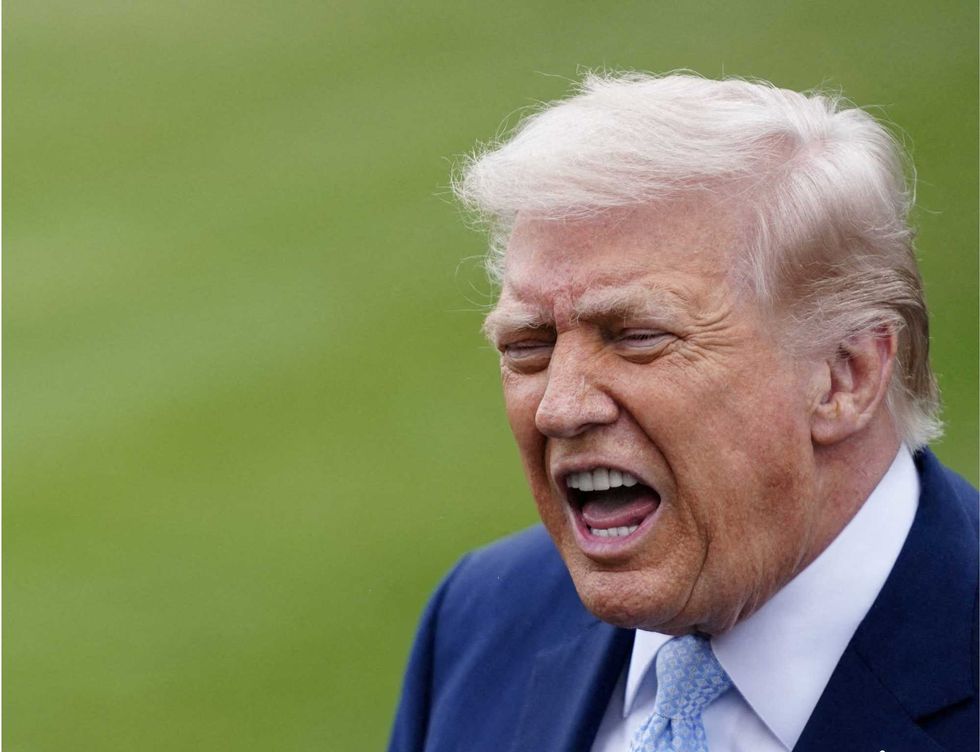
Social media pounced the Trump administration’s proposal to force all employees to sign non-disclosure agreements to prevent leaks to media organizations.The new requirement proposed by President Donald Trump in a Tuesdy draft notice, states that “federal employees do not have discretion to disclose Confidential Government Information,” and that unauthorized disclosure of such information disrupts agency operations and “erodes public trust.”The agreement, if successful, would make “written permission from an authorized agency official” a requirement before an employee could speak about information the Trump administration declares confidential — regardless of the seriousness or the alleged harm the government action is doing.The NDA is designed to bring financial pain to the whistleblower by demanding financial restitution, and it even applies to employees after they leave federal service.Social media critics whaled on the proposal, with the Freedom of the Press Foundation calling it “not just absurd, it’s unnecessary and dangerously secretive.”“This policy would kneecap whistleblower protections, undermine the First Amendment, and wrongly inhibit the public’s right to know,” the association added on Bluesky.Washington D.C. attorney Bradley Moss also blasted the proposal on Bluesky: “Federal employees operate under an array of statutory, regulatory and policy restrictions on the unauthorized disclosure of unclassified information. The only reason to add this NDA would be to undercut lawful … disclosures to the media that SCOTUS approved.”Former U.S. diplomat William Gill pointed out on X that “This obviously begs the question, what are they trying to hide now? Federal employees are barred from unauthorized disclosures of classified information but they’re also covered by whistleblower protections regarding waste, fraud and abuse. That’s the likely area being targeted.”Other critics took a more biting turn, with one heckler complaining on Bluesky that “Fed workers are not the ones needing to be gagged.”Another blasted “absolutely breathtaking authoritarian s—— from this admin and that’s saying something.”

Alabama is likely to appeal the ruling, which stops an effort to use a new congressional map that would likely cost Democrats a majority-Black district.
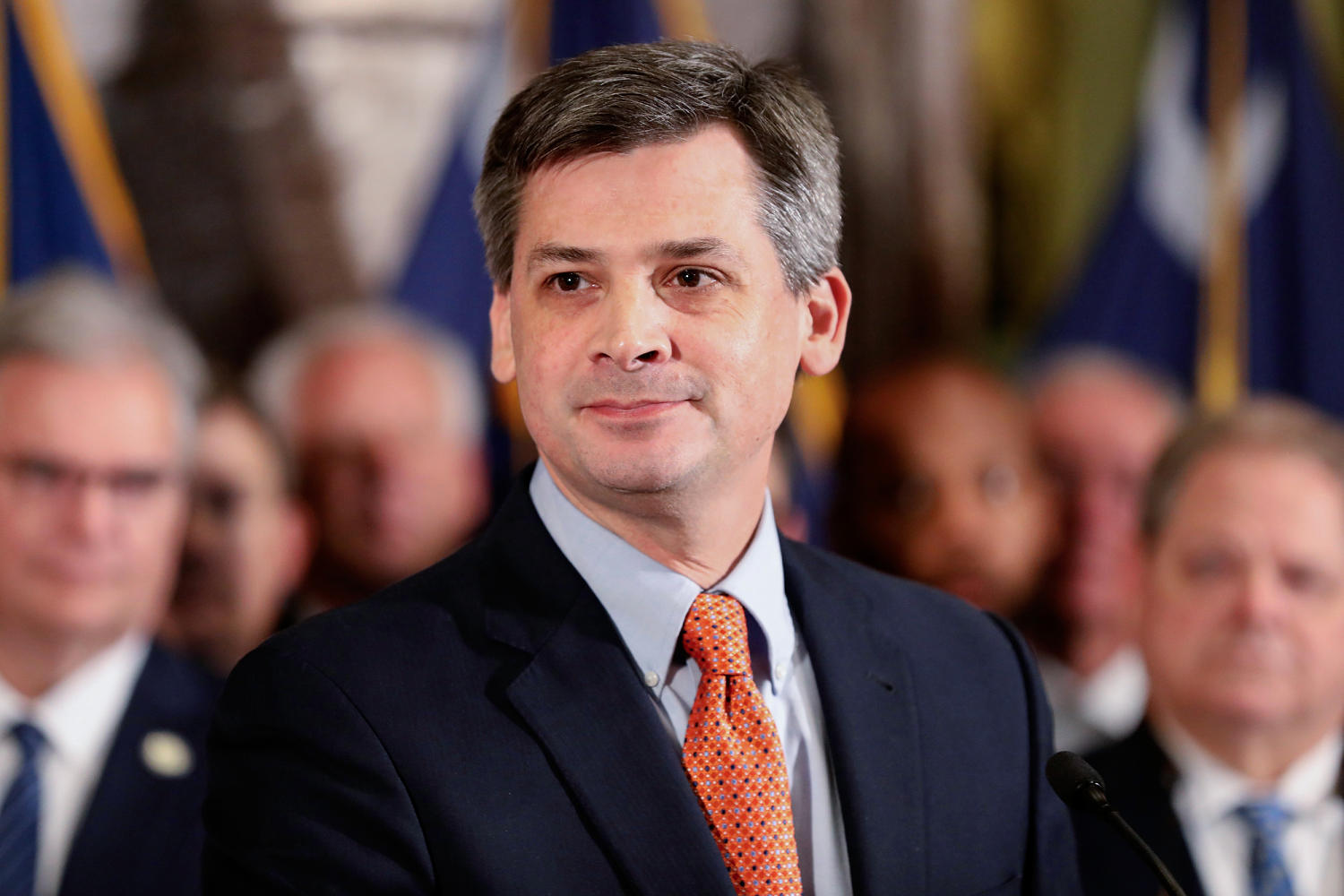
The Republican-led South Carolina Senate on Tuesday voted against a measure to advance a new congressional map, ending the last-minute redistricting effort in the state for now
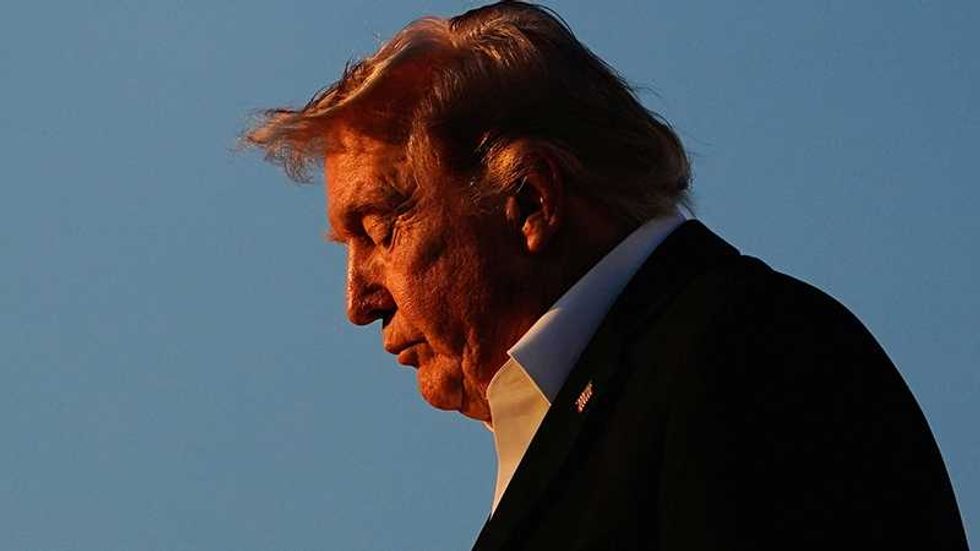
Dr. Jeremy Faust, an emergency medicine physician at Harvard Medical School, argues that two major concerns about Donald Trump’s health are being quietly ignored amid the president’s repeated claims of being in “perfect” health after a fourth visit to Walter Reed.Trump announced online that his fourth trip to Walter Reed for a checkup showed he remains a paragon of good health. CNN host Brianna Keilar said that it isn't surprising because he says that after all of his "annual" physicals, even if those physicals are happening multiple times each year. However, Dr. Faust has deeper questions for the doctors that he thinks are too often ignored. "At some point, the president went from being on low-dose aspirin to this very high-dose aspirin," he began. "We learned about that earlier this year, and that happened sometime between 2018 and last year. And many of us said that was unwise because as an E.R. doctor, treating patients [who] are on medications that thin the blood or that disrupt clotting."It's a problem for the elderly, who are at higher risk of falls. If blood can't clot, a fall with an injury could result in significant blood loss. "So, the question is, why is he on that dose? Does his doctor really recommend it? One of the things I think everyone who's watching knows is that you have to have a very strong doctor-patient relationship. And if the president is taking a dose of aspirin that his doctor doesn't recommend, and even the United States Preventive Services Task Force says is not a good idea — well, I question that. And I kind of wonder if that's changed since then."The bruise on his hand, the White House said, comes from his high-dose aspirin and shaking so many hands. Lately he's been hiding it with makeup and under the table or covered by his other hand. When he looks at the headlines, Dr. Faust said that much of the concern boils down to "normal aging" and Trump suffering from "chronic venous insufficiency," which the White House says is the reason for his swollen legs. "And in fact, when we learned about it last year, the really important thing was to rule out other, more dangerous conditions. And I think his team did that well. So, it's very important that the president has frequent interactions with his team, which he does, to make sure nothing else comes up," the doctor said. As for Trump falling asleep in public, Dr. Faust said the president is 80 years old, implying it was normal for someone of his advanced age to grow more exhausted. The final question involved the MRI, which Trump said he had last year. Dr. Faust said that he believes Trump misstated the claim, and that, from what he understands, it was actually a CT scan of Trump's heart. The doctor wanted to know why the imaging was done at all or if it was an example of overuse. He cited health influencers who advocate for full-body scans as a preventive medicine measure. However, he said, it can often send people on a wild goose chase to understand something benign that may pop up. "It's ironic," he said, "because you have a president who hasn't really expanded access to health care. So, that's a cognitive dissonance that goes beyond his patient care. But it's certainly one that I think people will be interested in." - YouTube youtu.be

A federal three-judge panel has once again blocked Alabama from using its 2023 congressional map, ordering the state to use a race-blind court-drawn plan for its 2026 elections — and pulling no punches about why.In a 102-page ruling filed Tuesday, Judges Stanley Marcus, Anna Manasco, and Terry Moorer found that the Alabama Legislature "doubled down on racially discriminatory vote dilution" when it passed its 2023 redistricting plan — and did so deliberately."We again cannot understand the 2023 Plan as anything other than intentionally discriminatory," the judges wrote.The court ordered Secretary of State Wes Allen to administer Alabama's remaining 2026 congressional elections — including August special primaries — using the "Special Master Plan," a race-blind map previously imposed by the court that created a second district where Black voters have an opportunity to elect a candidate of their choice.The ruling comes after the U.S. Supreme Court vacated the court's earlier permanent injunction and ordered the panel to reconsider in light of Louisiana v. Callais, an April 2026 decision that raised the bar for Voting Rights Act claims. The three-judge panel concluded that Alabama still loses under the new standard — both on constitutional and statutory grounds.The judges found zero evidence that the legislature acted for partisan reasons and rejected the state's attempt to use Callais as a shield. "Alabama cannot use Callais to legitimize its pre-Callais decision to double down on the discriminatory vote dilution that we and the Supreme Court found," they wrote.The court also cited the chaos that would result from forcing a map switch now. Alabama's elections director testified it would take a "Herculean effort" to redistrict voters in just seven days — a process that normally takes months.Senate Minority Leader Bobby Singleton, a Greensboro Democrat and plaintiff in the case, had warned the legislature it was on the wrong side of the law. "We're definitely going to be filing actions in the state constitution," Singleton said after the legislature passed its special primary election law last month.The court denied a stay, but Alabama was expected to appeal immediately to the Supreme Court.
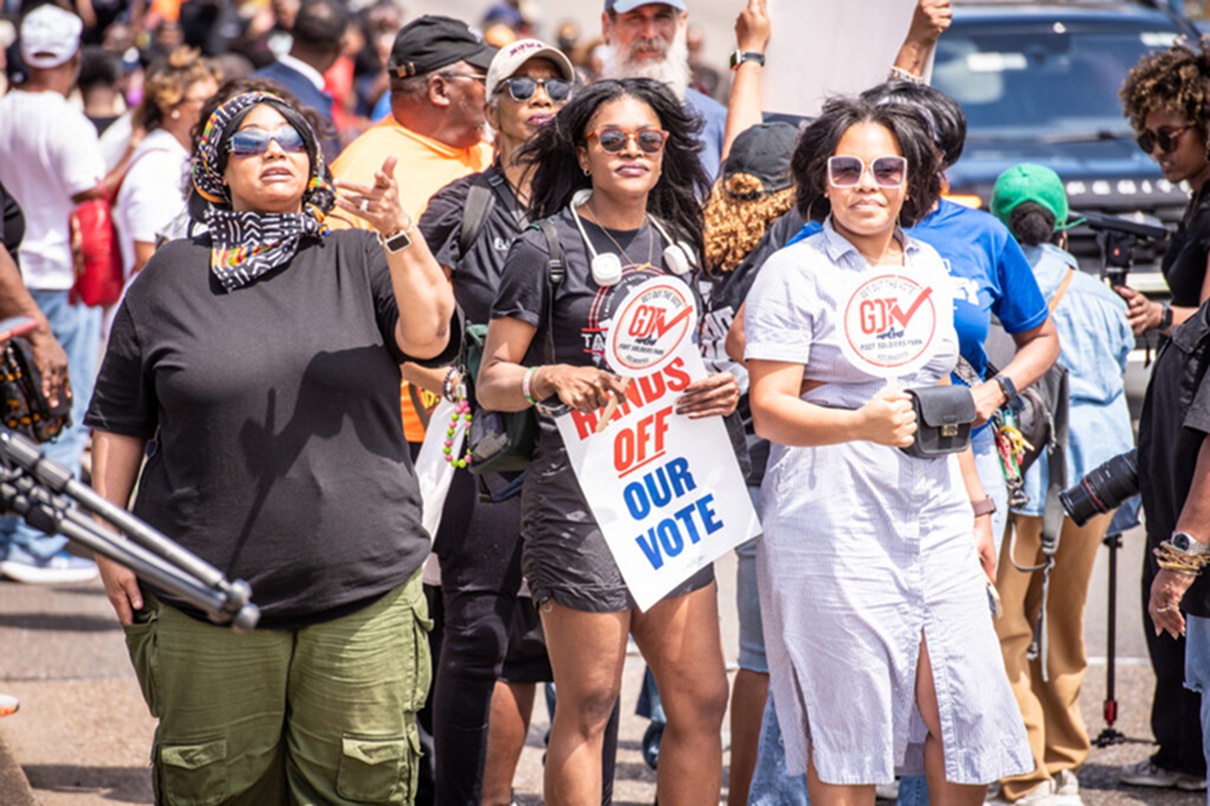
The panel had been ordered to review its decision on the map after a recent SCOTUS ruling gutted the Voting Rights Act.