Reason.com
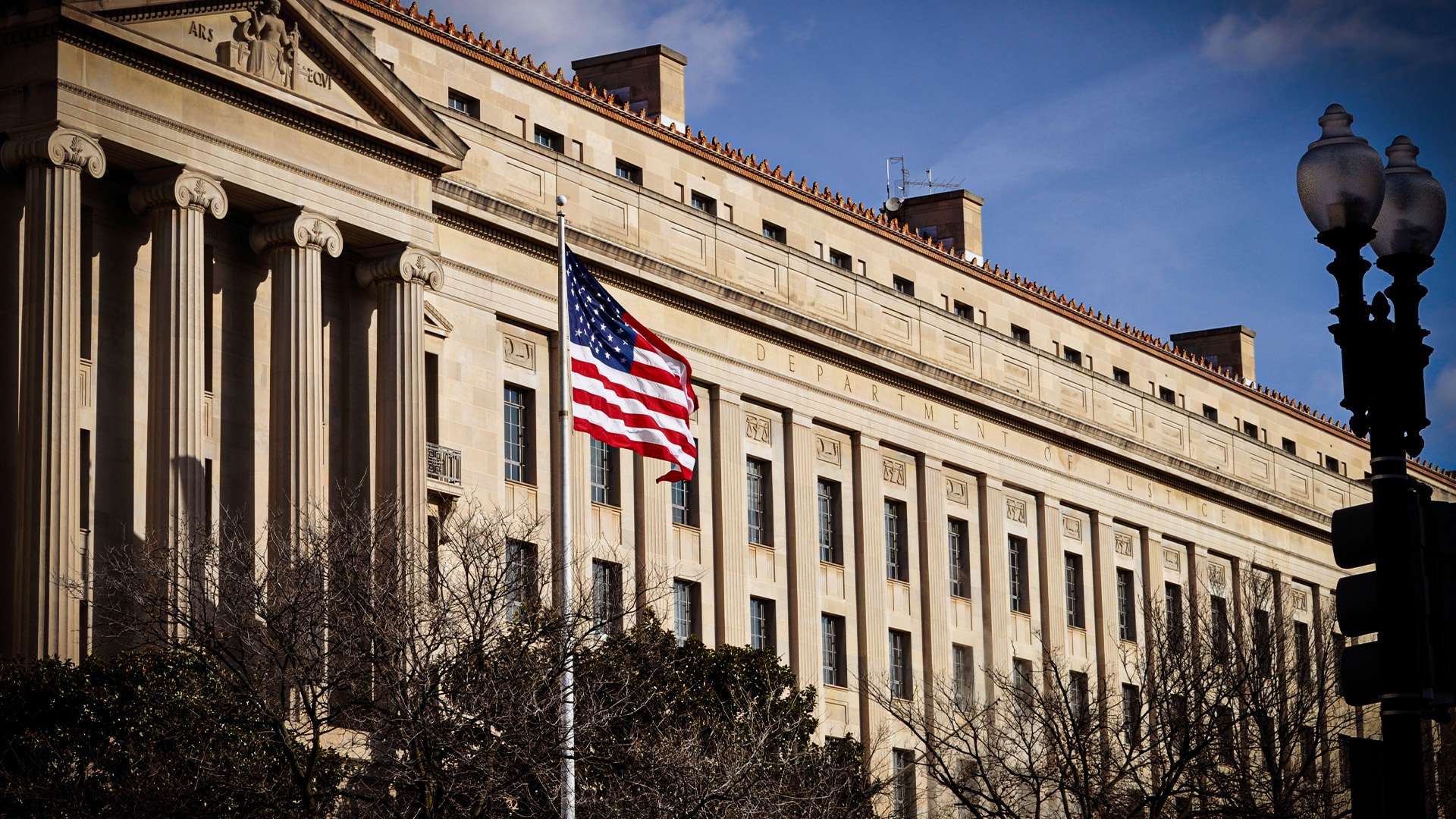
A DOJ Brief Preposterously Insists That Trump's 'Anti-Weaponization Fund' Was Politically Neutral
The president himself has repeatedly contradicted that claim.
Center Right

U.S. launches a second-round of strikes against Iran, inflation jumps to its highest level in more than three years, 2026 World Cup kicks off in Mexico.
The president himself has repeatedly contradicted that claim.
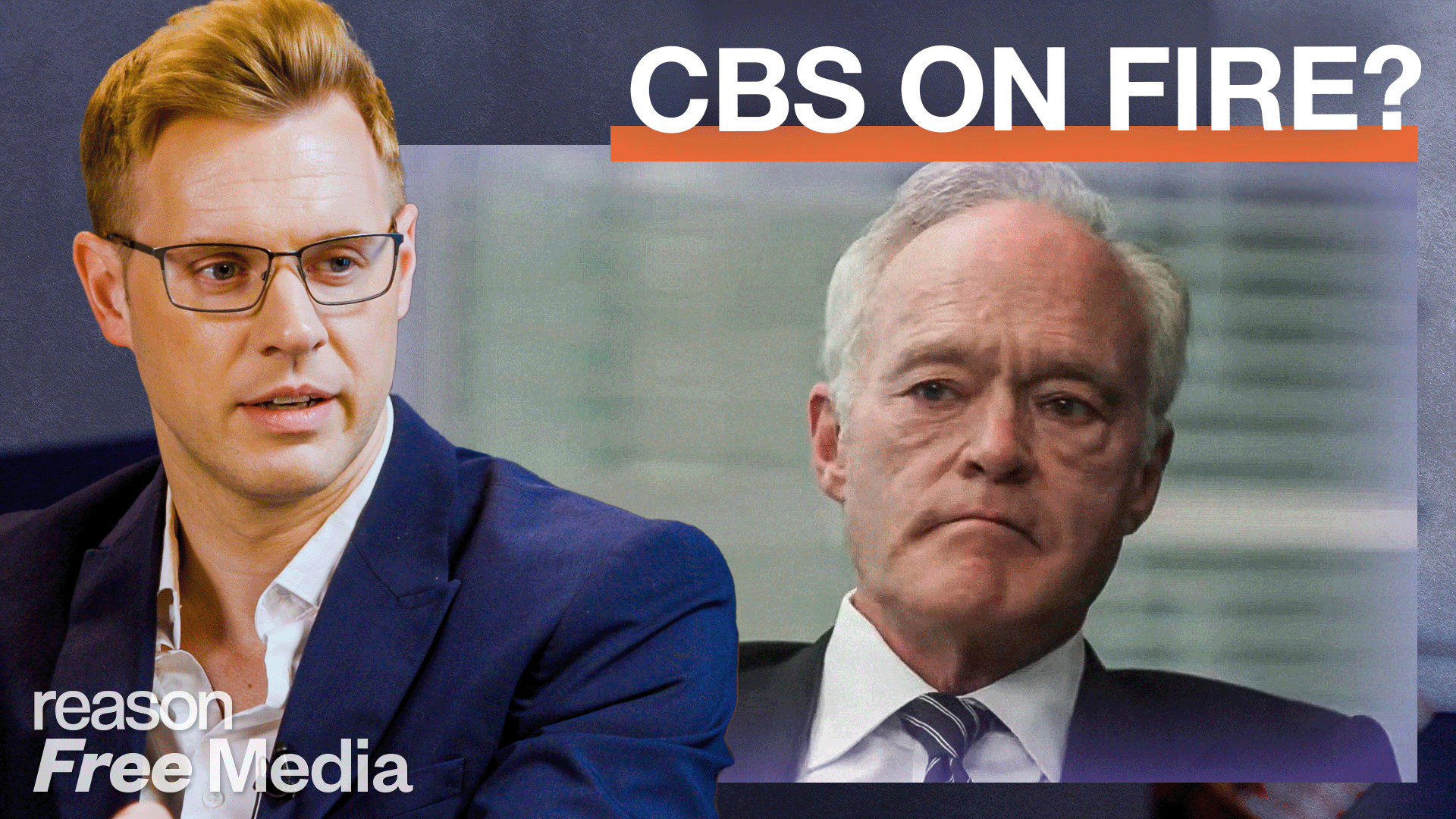
Robby Soave and Amber Duke discuss the recent drama between Scott Pelley and Bari Weiss at CBS.
Two days of strikes followed downing of US Apache helicopter over the strait of Hormuz, which Trump has blamed on Iran – key US politics stories from Wednesday 10 June at a glanceThe US has launched new strikes against targets in Iran for the second consecutive day, following through on Donald Trump’s promise to “hit them hard again” as a two-month-old ceasefire appears close to collapse.US Central Command announced in a statement that forces began “launching additional self-defence strikes today at 5:15 p.m. ET [10.15pm UK time on Wednesday] against multiple targets in Iran at the Commander in Chief’s direction”. Continue reading...

U.S. military announces new strikes against Iran; inflation hits 3-year high in May.
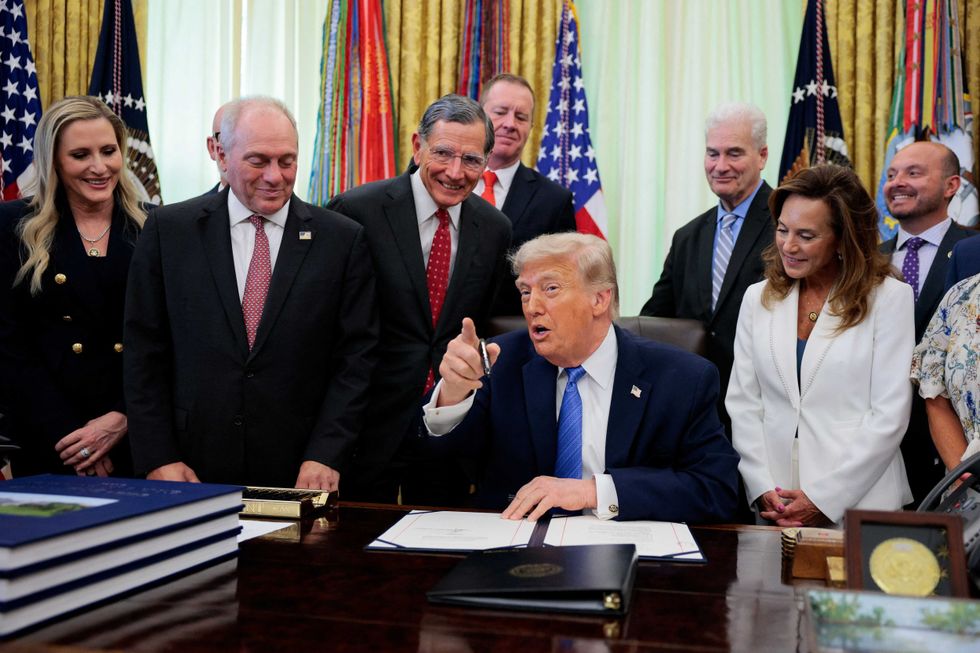
President Donald Trump's claim that he loves the inflation associated with his war in Iran is bad news for the average American's pocketbook, an economist said during a new CNN interview on Wednesday. Henrietta Treyz, an economist at Veda Partners, told CNN's Boris Sanchez that there's "nothing to like" about the 4.2% inflation reading that was captured in the latest economic data released on Wednesday. That's despite Trump saying in the Oval Office that he "loves the numbers" and that inflation will "drop like a rock" once the war in Iran ends. "The best I can say is that inflation everywhere else didn't also rise more than expected. That is not good news," Treyz said. "We're on day 104 of the war, if I'm not mistaken. We've spent $100 billion, and a lot of that is being borne by regular Americans." Trump's war in Iran has sent global energy prices skyrocketing because of the impacts to the Strait of Hormuz, a global waterway that accounts for 20% of all energy trade. The rising cost of energy has also driven up the prices of many goods, especially gasoline and groceries. Treyz noted that the average American household is paying about $460 more per year for gas now than it did when the war began. "It doesn't include the groceries that are more expensive. The surcharges on all your Amazon shipments, the additional 8% cost of just shipping mail around the country. This is a massive blow," she said. "And 4.2% inflation means that inflation is moving faster than our wages are keeping up. That's the problem for the president with this war."

A 19-year-old is convicted of murder after a track meet stabbing; the U.S. launches new strikes on Iran.