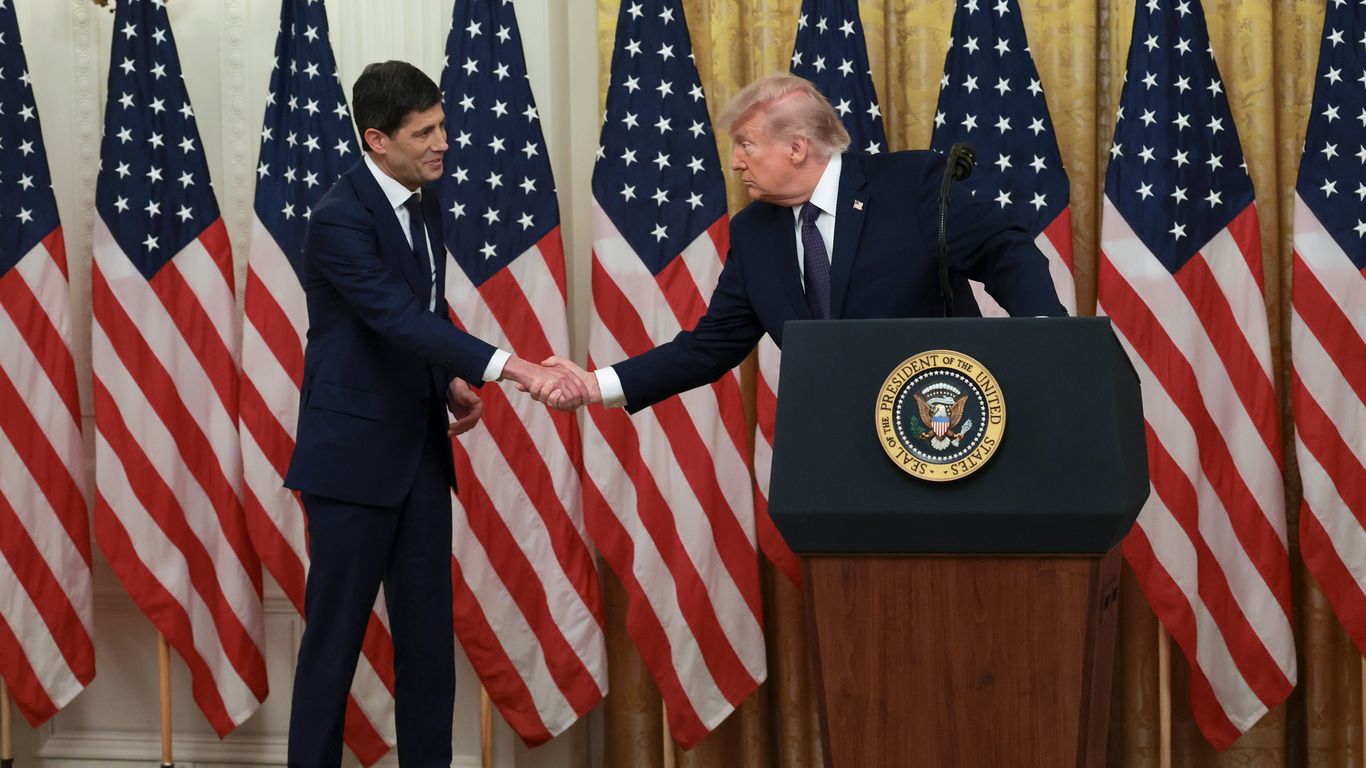
Kevin Warsh sworn in as new Fed chair, replacing Powell
Center
Kevin Warsh has vowed to preserve the Fed's independence over monetary policy, telling lawmakers he will never "predetermine" interest rates at the president's request.
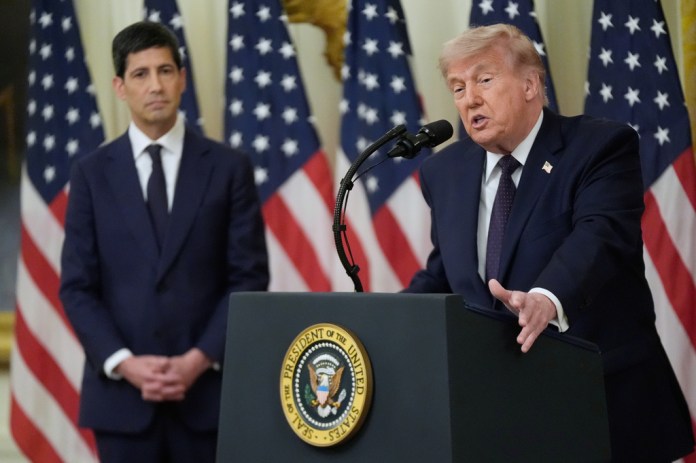
President Donald Trump urged Federal Reserve Chairman Kevin Warsh on Friday to ignore public musings about fiscal policy — even from the commander in chief himself — and operate “independently.” “Honestly, I really mean this. This is not said in any other way. I want Kevin to be totally independent,” he told the East Room […]
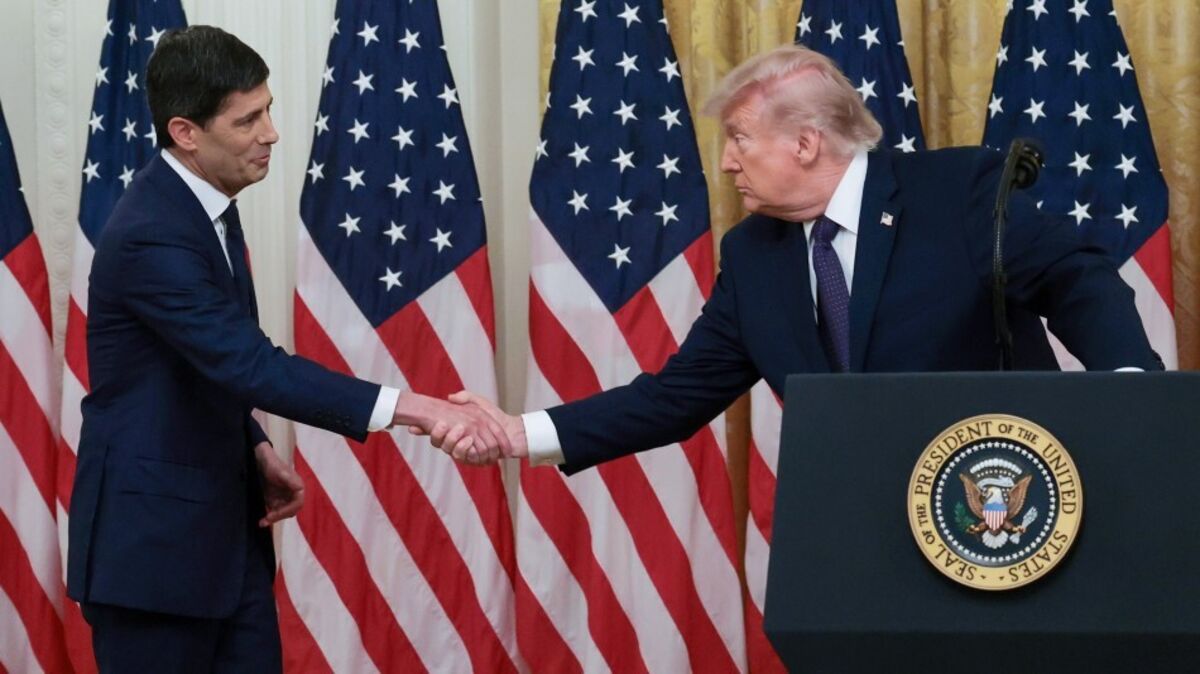
President Donald Trump says no one in the US is better prepared to lead the Federal Reserve than Kevin Warsh as he swears Warsh in at the White House as the 17th chair of the Fed. (Source: Bloomberg)
Kevin Warsh says he'll lead a "reform-oriented" Federal Reserve and goals will be pursued with "independence and resolve." In the months leading up to his nomination, Warsh said the Fed was not lowering rates enough. He speaks during the ceremony at the White House. (Source: Bloomberg)
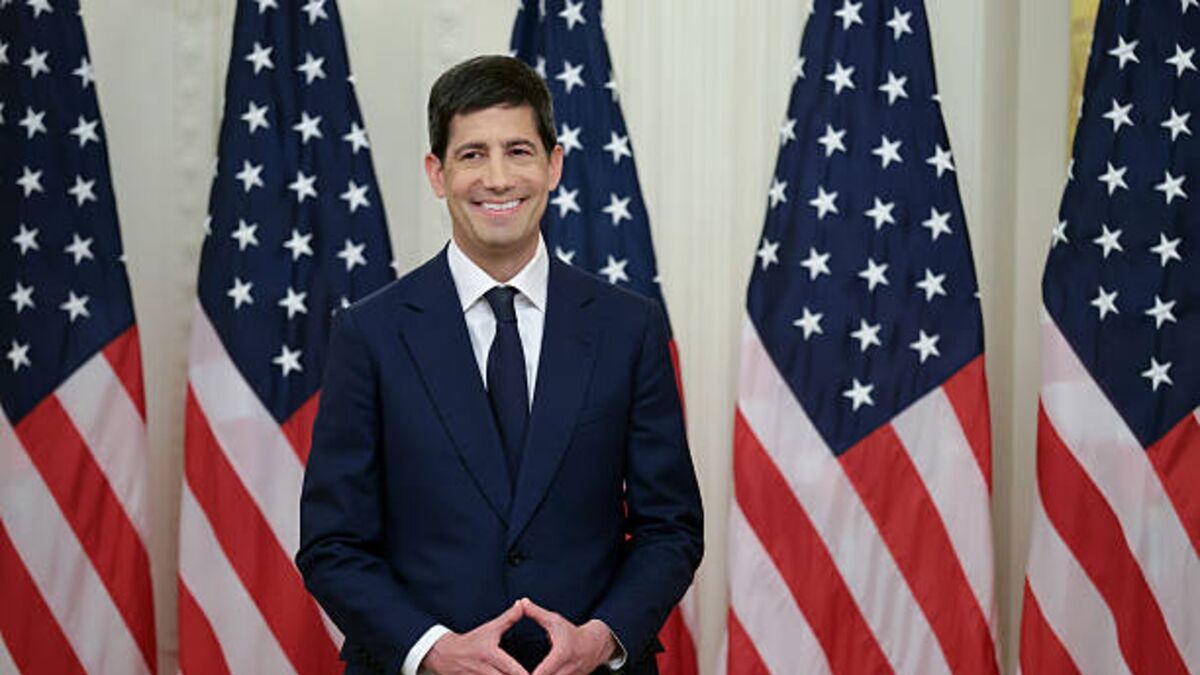
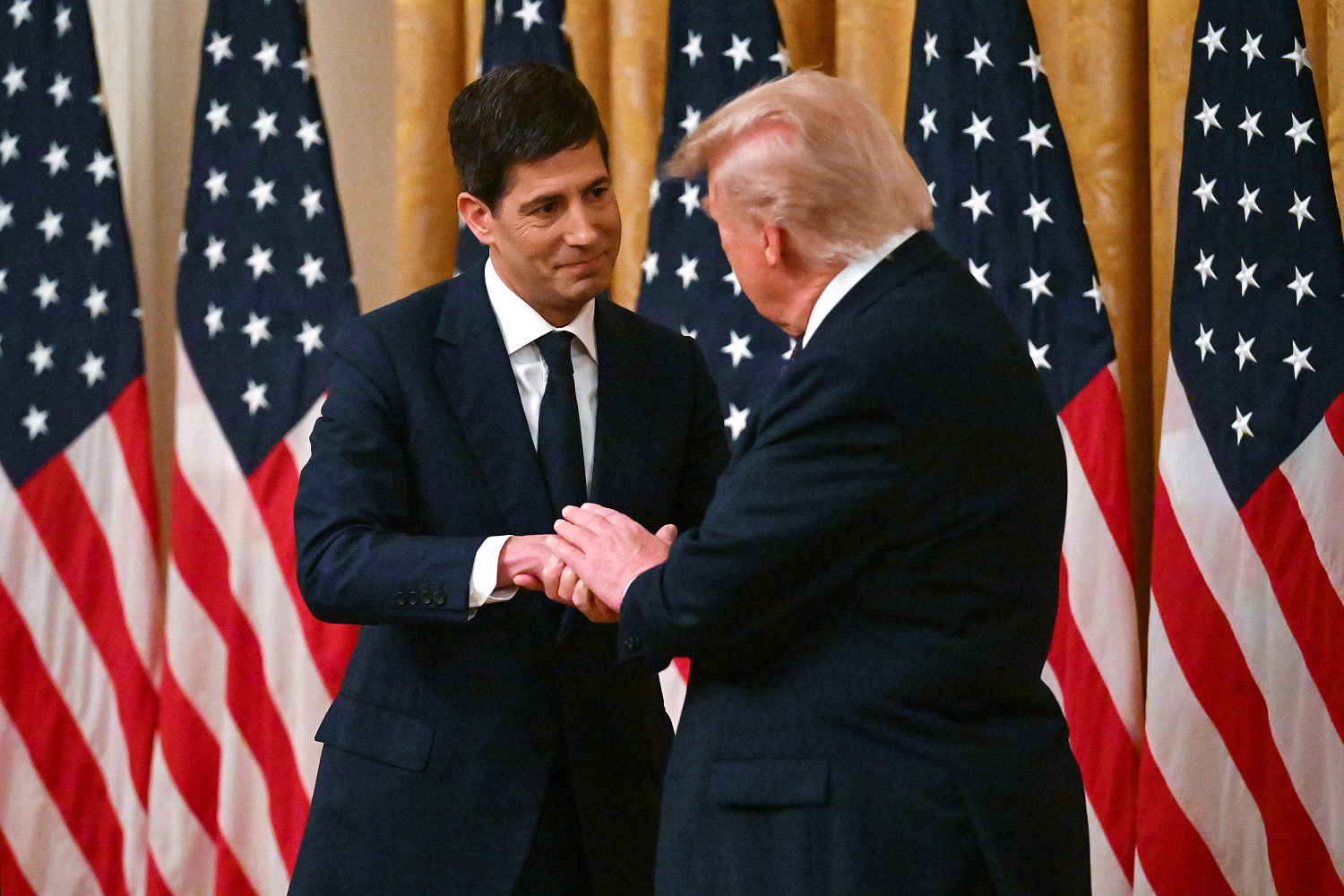
Federal Reserve Chair Kevin Warsh was sworn in Friday beside President Trump, kicking off his term as the new head of the central bank at a critical time for the U.S. economy. Supreme Court Justice Clarence Thomas swore Warsh in during the Friday ceremony at the White House. Warsh was confirmed last week by the…
The economic backdrop that Kevin M. Warsh inherits as chair of the Federal Reserve does not call for the interest rate cuts that President Trump wants.
During a swearing-in ceremony at the White House, President Trump encouraged Kevin Warsh to be "totally independent" and encouraged him to "do your own thing" as the next chair of the Federal Reserve.
The Warsh era begins with soaring inflation, a Middle East energy shock bleeding into other parts of the economy and colleagues skeptical that rate cuts should come anytime soon.Add on top: Kevin Warsh faces more political pressure to deliver lower rates than any other Federal Reserve chair in recent memory.Why it matters: The 17th Fed chair, sworn in Friday at the White House, inherits a set of economic conditions that make it difficult to justify cutting rates.Despite President Trump's unprecedented pressure on Warsh's predecessor, Jerome Powell, to cut rates, the president struck a different tone on Friday."Honestly, I really mean this: I want Kevin to be totally independent and just do a great job. Don't look at me, don't look at anybody. Just do your own thing and do a great job," Trump said at Warsh's swearing-in ceremony.What they're saying: "Our mandate at the Fed is to promote price stability and maximum employment," Warsh said."When we pursue those aims with wisdom and clarity, independence and resolve, inflation can be lower, growth stronger, real take-home pay higher, and America can be more prosperous, and no less important, America's place in the world more secure.""To fulfill this mission," he added, "I will lead a reform-oriented Federal Reserve, learning from past successes and mistakes, both escaping static frameworks and models, and upholding clear standards of integrity and performance."The intrigue: Not long before Warsh was officially sworn into the post, Fed governor Christopher Waller gave a notable speech that cemented his hawkish pivot.Just months ago, he was a leading advocate for rate cuts to boost what he saw as a souring labor market. Waller's speech, aptly titled "Policy Risks Have Changed," suggests his view has flipped.Waller said it might be appropriate to strip the Fed's policy statement of its "easing bias" language, aligning with a group of Fed presidents who dissented last month over the inclusion of such a signal.Zoom in: Waller says the inflation picture has materially worsened. He estimated that the Fed's go-to inflation gauge ran around 3.8% in April compared with a year ago, the highest in three years, with core personal consumption expenditures at roughly 3.3%."Inflation is not headed in the right direction," Waller said. He added that the labor market appeared to be stabilizing, removing the factor that previously cemented his argument for rate cuts."I am going to need to see improvement on inflation or a significant deterioration in the labor market before I would consider reducing the policy rate."Waller stopped short of calling for near-term rate hikes, noting that their lagged effects could impair the economy if the Iran war's energy shock subsides.He noted, however: "I can no longer rule out rate hikes further down the road if inflation does not abate soon, and that is especially true if measures of inflation expectations, some of which have risen lately, show signs of becoming unanchored."There are early signs that consumers might be adjusting their outlook on long-run inflation, a huge concern for the Fed.The big picture: The Warsh-era Fed will have to grapple with the uncomfortable fact that inflation has run above the central bank's 2% target for five years, complicating the calculus of whether the current war-driven energy shock is "transitory."The problem is the series of successive price shocks this decade. Waller warned that even if Americans believe each individual price shock will fade, watching them stack up one after another can cause them to revise their inflation expectations higher anyway because the pattern starts to feel like evidence that higher inflation is the new normal.Waller compared it to a series of coin flips: If you flip heads three times in a row, you rationally start to wonder if the coin is rigged, even if you know each flip is supposed to be independent.There's a similar logic for inflation: Enough shocks in a row, and people start pricing in more to come, which itself makes inflation harder to bring down.What to watch: Whether the Fed's rate cuts last year — framed as "insurance" against a weakening labor market — have left policy too loose for the moment."[W]ith growth solid, the labor market showing increasing signs of stabilization, inflation accelerating and fiscal policy and financial conditions supportive, the Fed's policy stance might be miscalibrated," Deutsche Bank's Matthew Luzzetti and Matthew Raskin wrote.