
NewsNation
Israel and Iran trade strikes, threatening to drag region back to war
The Iranian fire came after Israel launched strikes on central and western Iran early Monday in response to missile fire from Tehran.
Center

Israel has launched airstrikes targeting central and western Iran in response to missile fire. Iranian state television has reported the sound of explosions being heard in Isfahan, Tabriz and Tehran.
The Iranian fire came after Israel launched strikes on central and western Iran early Monday in response to missile fire from Tehran.
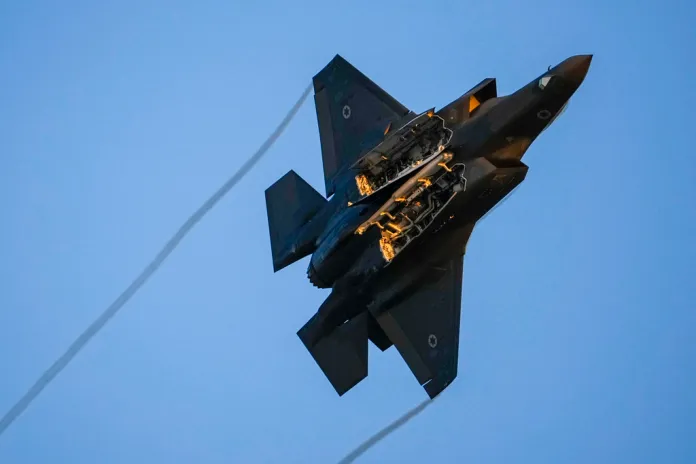
Israel Defense Forces said Sunday night its air force “struck military targets belonging to the Iranian terror regime in western and central Iran” after Iran fired missiles toward Israel earlier in the day. The announcement came hours after President Donald Trump told Israeli Prime Minister Benjamin Netanyahu “not to retaliate against Iran’s missile attack and […]
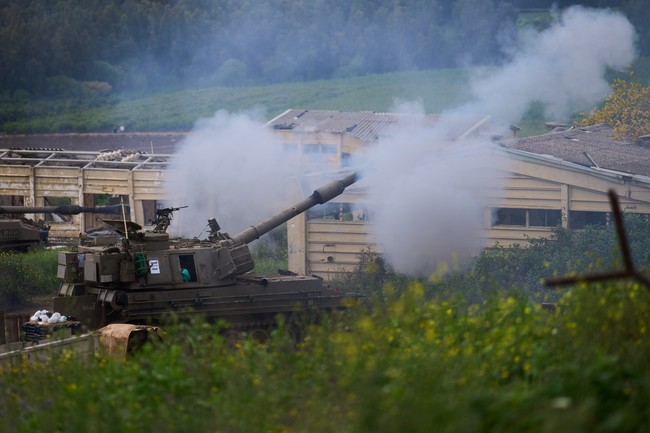
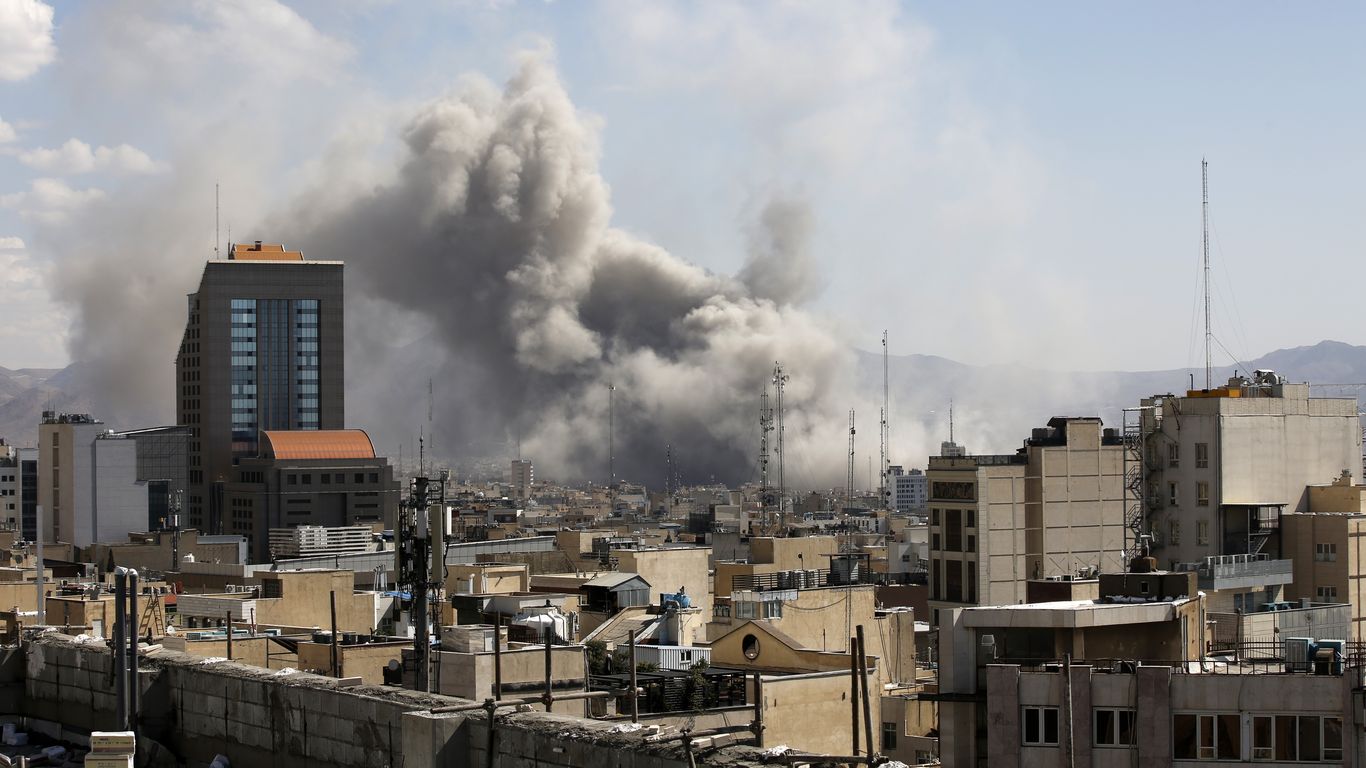
The Israeli Air Force conducted strikes on military targets in central and Western Iran on Monday local time, Israel Defense Forces said in a statement. Why it matters: The strikes, in retaliation for an Iranian missile attack against Israel, mark a new phase in a growing escalation that started on Sunday morning. This is the first time Israel has struck Iran since the April 8 ceasefire. Iran had threatened to expand its attacks and target U.S. bases in the region if Israel retaliated. Further exchanges of fire could unravel the negotiations between the U.S. and Iran and lead to the resumption of the war.President Trump told Israeli Prime Minister Benjamin Netanyahu several hours before the strikes to stand down and refrain from retaliating. State of play: Eplosions were heard in the Iranian cities of Tehran, Karaj, Isfahan, Tabriz and Kermanshah, according to Iranian state media. Go deeper: Israel strikes Beirut after Hezbollah attack, risking Iran responseEditor's note: This is a breaking news story. Please check back for updates.

First Assistant U.S. Attorney Bill Essayli said Sunday California is “Blocking a Federal Audit of Its Voter Rolls” one day after Los Angeles mayoral candidate Spencer Pratt questioned the state’s vote-counting system for the first time. Essayli, the top federal prosecutor in Los Angeles and a longtime Trump ally, outlined on X long-standing federal concerns […]
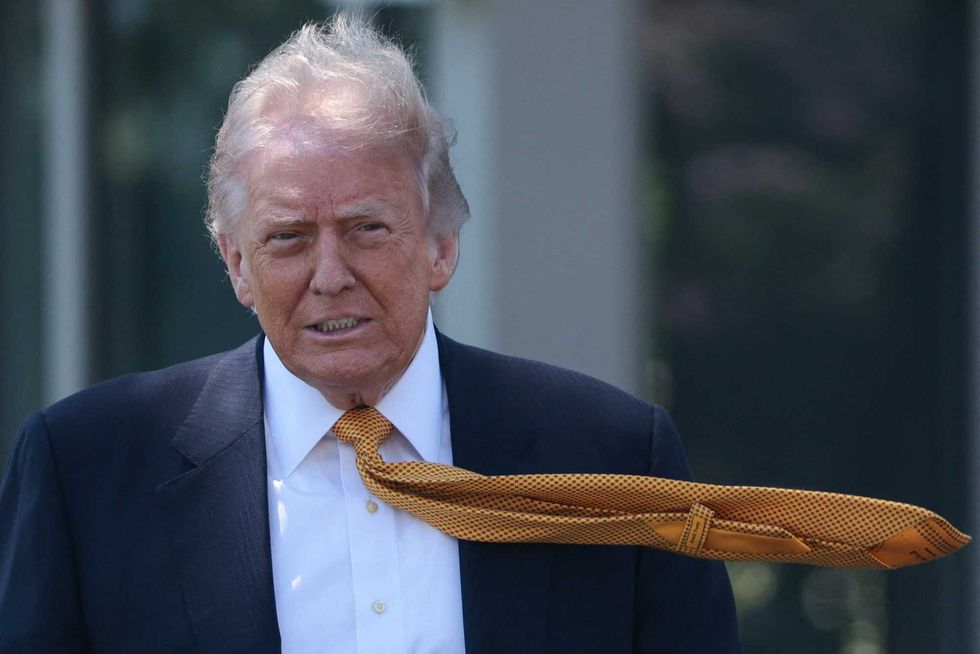
Iranian officials involved with the peace negotiations between the regime and the United States said on Sunday that the peace deal with President Donald Trump is "no longer feasible" following the latest round of attacks, MS NOW's Inzamam Rashid reported on "The Weekend: Primetime." "An Iranian official linked with the talks between the U.S. and Iran has sent me a message this evening — and remember, it's early in the morning out here in the region — and they've said to me that a deal with President Trump is no longer feasible at this stage," Rashid reported. The report came at a time when Iran had fired missiles into a civilian area of Israel in response to Israel attacking the southern suburbs of Beirut, Lebanon. Iran had threatened last week to retaliate for a hypothetical strike against Beirut. "This official blamed President Trump for the current situation inside Lebanon and the current escalation, I presume the escalation, meaning what the Iranian response has been given," Rashid continued. "It's been Iran's red line not to attack Beirut all along. So this is a pretty interesting development, because it means that Iran now ... feels that it cannot now have open dialog with President Trump and sign off on a deal which both sides have been working pretty tirelessly." The war in Iran, which began in late February, has stretched past the 100-day mark. The war has been disastrous for global energy prices, which have shocked the U.S. and European economies.
The Islamic Republic said it fired missiles into Israel for continuing to attack Lebanon in a campaign Trump said was not coordinated with the U.S.
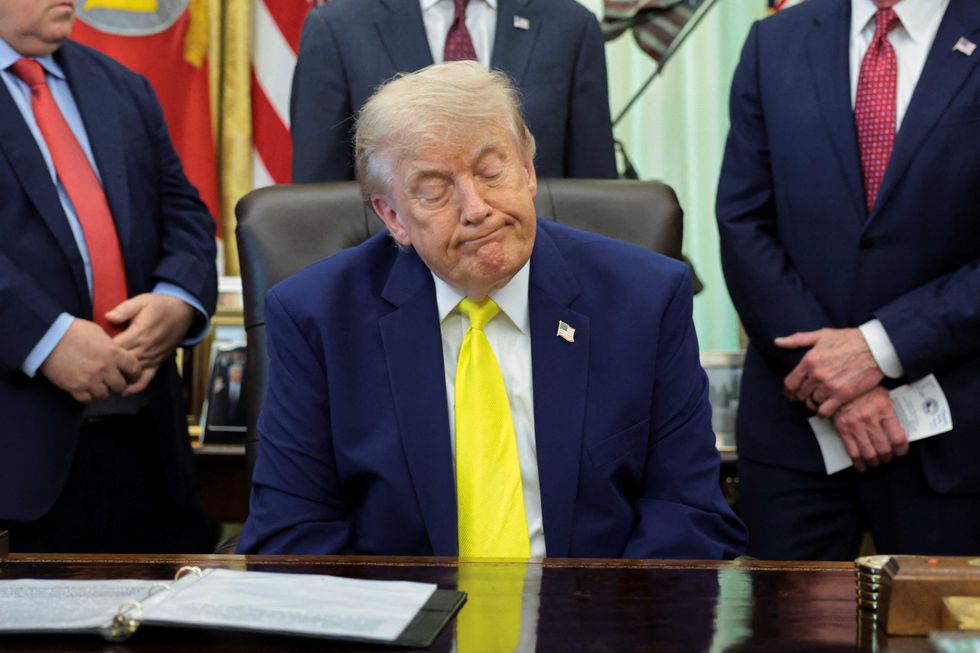
President Donald Trump appears to be scrambling for a peace deal to end the war in Iran, but some of the president's "massive failures" are preventing that deal from materializing, according to one analyst. Trump spoke with Israeli Prime Minister Benjamin Netanyahu on Sunday about finding a way to deescalate tensions between Iran and Israel. The call happened after Iran fired multiple missiles into civilian areas of Israel for the first time since the war started in late February. David Rhode, MS NOW's senior national security reporter, said on Sunday during a segment on MS NOW's "PoliticsNation" that the call shows Trump is eager for a peace deal. However, he noted that a couple of issues that have lingered since the beginning of the war seem to be prolonging the peace process. Those issues are the closure of the Strait of Hormuz, a critical global waterway for energy trade, and the continuous bombing campaigns conducted by Iran at U.S. allies in the Middle East. "Apparently, the president and his top aides did not plan for the Strait of Hormuz to be closed," Rhode said. "Iranian missiles and drones have been able to strike ... all the countries people see on their maps there: Kuwait, Bahrain, Saudi Arabia, Qatar, the UAE. The U.S. cannot stop Iranian drone and missile strikes against those American allies in the gulf.""That's a massive failure by the Trump White House to not anticipate that and also not anticipate that Iran would close the Strait of Hormuz," he continued. "So I think this administration needs a peace deal and needs it quickly. And the president has just not handled this war well."