Bloomberg Politics
Iran Cites ‘Major Progress’ After All-Night Talks With US
Iran said there had been “major progress” in all-night discussions with the US, as the warring sides try to reach a peace deal within two months.
Center

Rep. Buddy Carter (R-Ga.) on Sunday acknowledged that there were concessions in the Iran deal as critics continue to raise concerns with the memorandum of understanding (MOU) signed last week. “There are a lot of concessions, but let’s keep in mind that this is a work in progress. And keep in mind that this memorandum…
Iran said there had been “major progress” in all-night discussions with the US, as the warring sides try to reach a peace deal within two months.
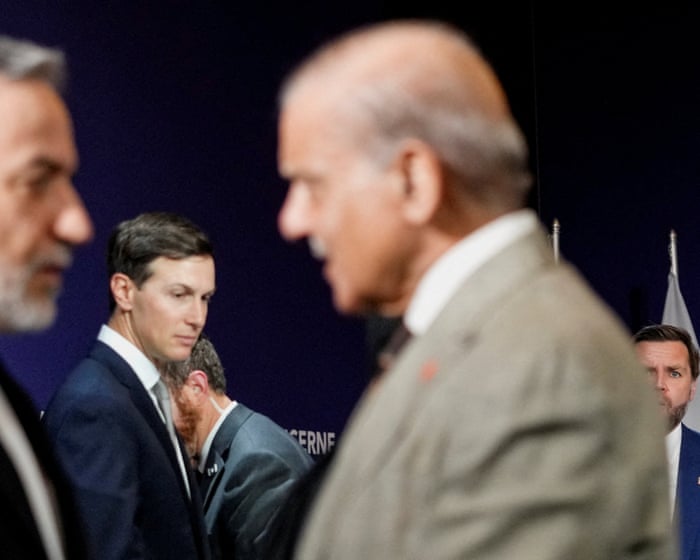
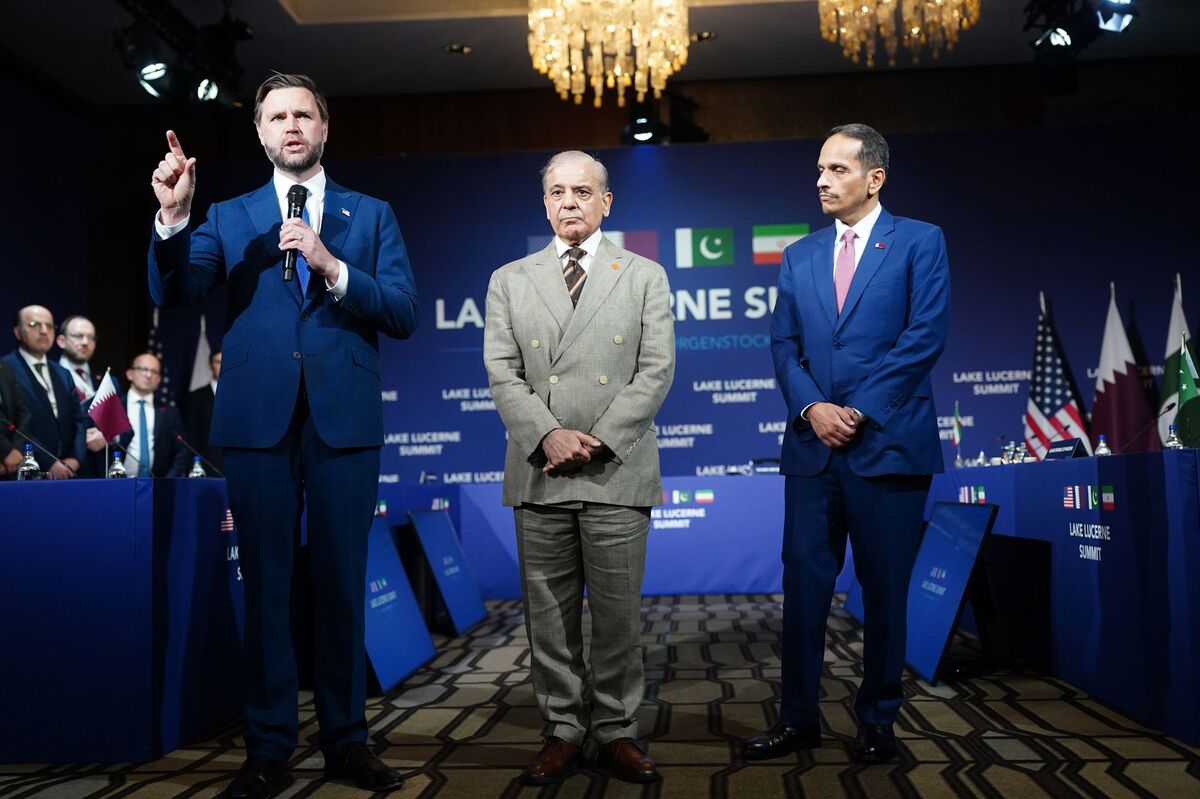
Mediators Pakistan and Qatar issue statement saying talks will run for rest of the week, as fighting in Lebanon continues to threaten dealIran’s foreign minister has declared “progress” after the first day of talks between high-ranking officials from Washington and Tehran ended in Switzerland, despite a tense opening marked by Donald Trump threats to restart attacks.A joint statement from mediators Qatar and Pakistan said the US and Iran agreed to a roadmap towards a final deal within 60 days. Technical talks between lower-ranked officials will continue for the rest of the week, according to the statement, with fighting between Israel and Iran-backed Hezbollah in Lebanon at the top of the agenda. Continue reading...
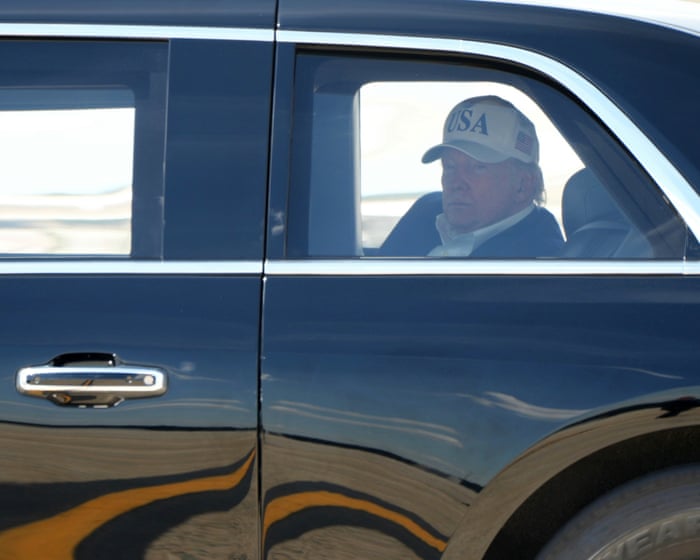
Trump warning that Iran ‘won’t have a country’ if it closes strait of Hormuz contrasts with vice-president’s tone seeking to turn over ‘new leaf’ with Tehran – key US politics stories from Sunday 21 JuneDonald Trump threatened to resume war with Iran even as his vice-president JD Vance met Iranian officials to begin peace talks in Switzerland.Also overshadowing negotiations in Bürgenstock was Tehran’s announcement it had again closed the strait of Hormuz, a threat made because of ongoing Israeli strikes on southern Lebanon. Continue reading...
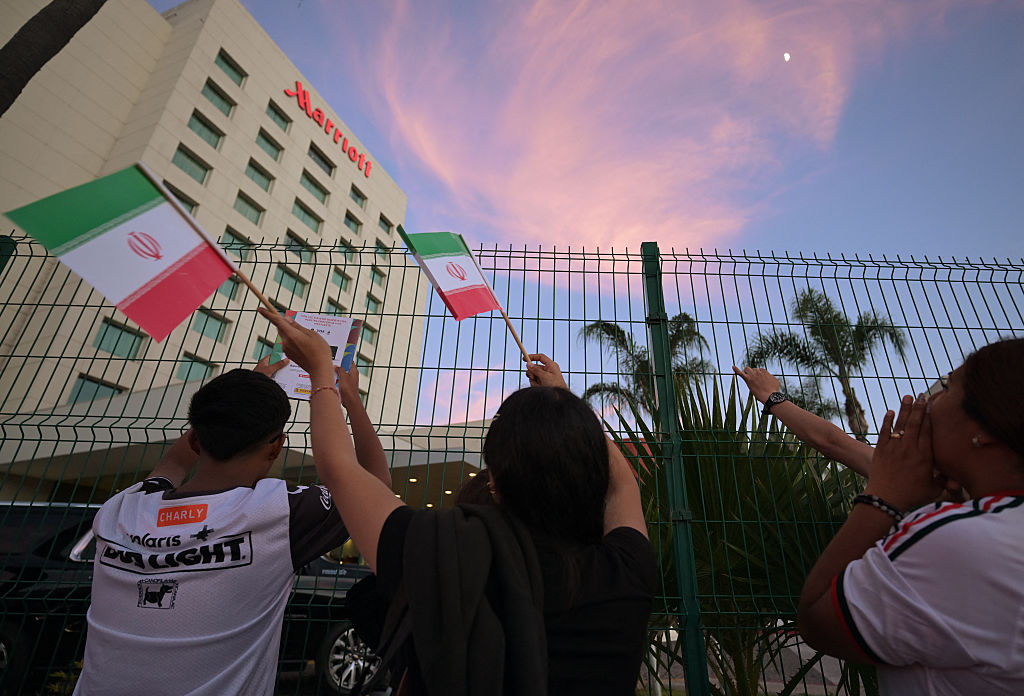
U.S. officials accused the president of Iran’s soccer federation of having ties to the Islamic Revolutionary Guard Corps.

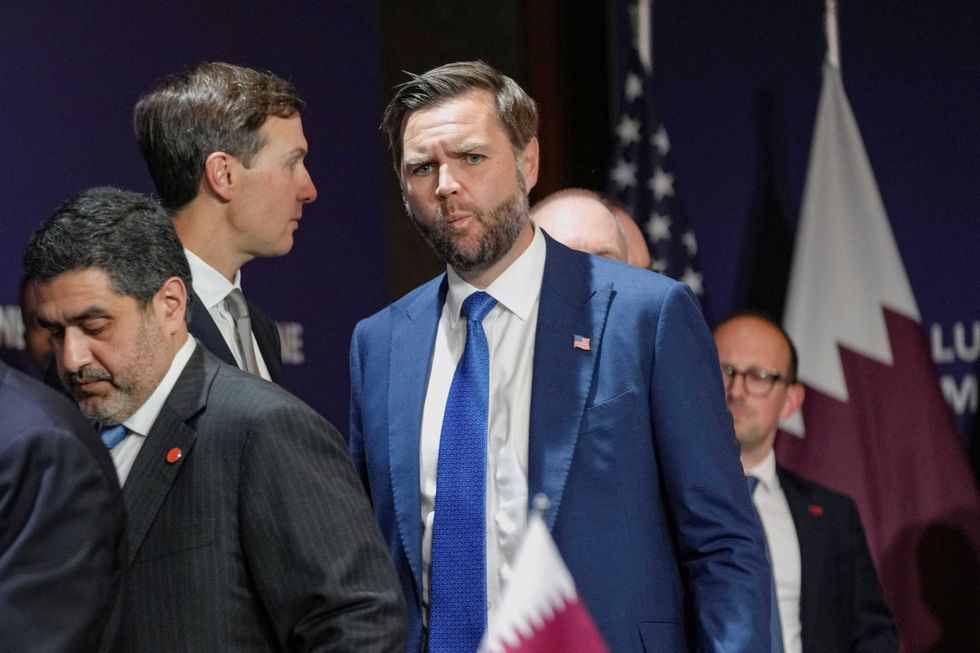
The US-Iran talks began on Sunday in Switzerland, after last week's agreement, which includes a commitment to reach a final deal within 60 days.

President Donald Trump's war with Iran put the global economy on the brink of collapse, and one economist warns that it could get worse if one sector of the economy begins to show signs of weakness. Liaquat Ahamed, a Pulitzer Prize-winning author and former World Bank investment chief, said during a recent episode of "The Court of History" podcast on the Legal AF Network that Trump's unilateral decision to impose tariffs on America's trading partners had already weakened the global economy before his war with Iran began. After the Iranian regime closed the Strait of Hormuz, the economy came exceedingly close to the brink, Ahamed argued. The only thing that saved Trump from collapsing the global economy was the enormous amounts of money tech companies are spending to build data centers around the world, Ahamed added. Without that, the economy would be in a "dark place," he continued. "The tech companies are spending trillions of dollars to build these data centers, and that is essentially sustaining the global economy," Ahamed said. Ahamed compared the state of the global economy to recent historical crashes, borrowing the old adage attributed to Ernest Hemingway that economic crises often unfold "slowly, then very quickly." He noted that the current value of the U.S. stock market is more than double the country's GDP, which he described as similar to the valuations seen during the dot-com bubble. That is happening at a time when more stress is being injected into the economy. Tensions between the U.S. and Iran appear to be ramping up again after Vice President JD Vance traveled to Switzerland to negotiate a deal with the Iranian regime to end the conflict. The Iranians announced they are closing the Strait of Hormuz once again in response to Israel's continued fighting with Hezbollah in Lebanon, which the regime has described as a "red line" in the negotiations. "Calling an end to this whole thing is very hard," Ahamed said. "On the other hand, I can assure you there will be an end."

Footage showed Araqchi walking into the room where Vance, the US delegation, and mediators were, in front of the cameras, and then leaving after embracing Pakistani Prime Minister Shehbaz Sharif.