Lena Dunham and Jack Antonoff are risking an awkward run-in as they’re both attending Taylor Swift’s star-studded wedding festivities. The exes, who dated from 2012 to 2017, were both spotted arriving to Madison Square Garden Thursday evening for the pop star’s rehearsal dinner ahead of her wedding to Kansas City Chiefs tight end Travis Kelce....
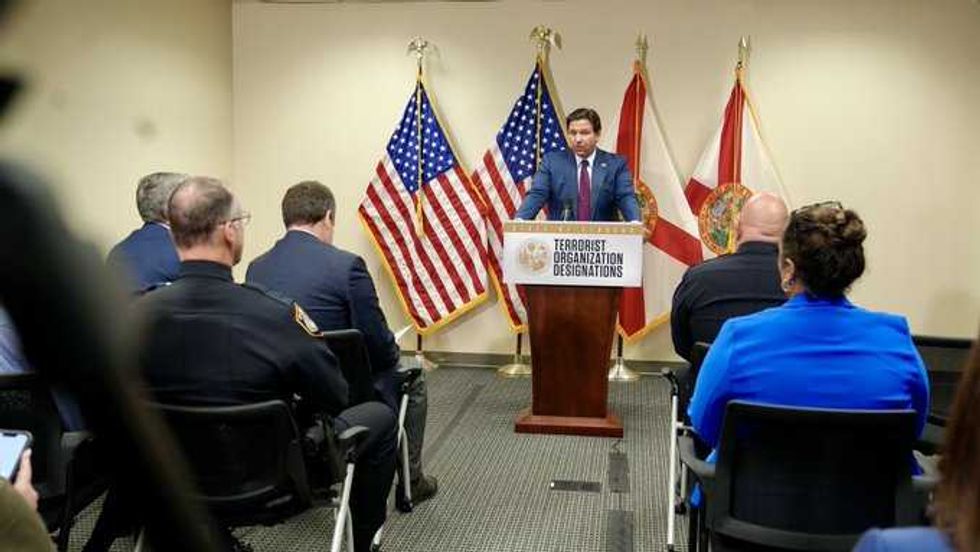
Florida is taking action against nearly 100 organizations that will likely soon have a new "terrorist" designation under Florida law.On Wednesday, Republican Gov. Ron DeSantis announced that some significant legislation, which provides a stronger framework for declaring groups terrorist organizations, took effect on the first day of the month. 'We are not going to fund terrorism in our great state.'During his announcement, DeSantis said that officials "are not going to waste any time" before beginning the "initial tranche" of domestic terrorist designations in Florida, suggesting more to come in the future as well. "Based on the recommendations of Florida's domestic security professionals and the authority, the newly established authority in law, my office and the [C]abinet are poised to officially designate the first slew of terrorist organizations under the new law," DeSantis said in the announcement.RELATED: Florida AG calls for impeachment after judge acquits mother who killed baby and blamed COVID Anna Moneymaker/Getty ImagesAmong those organizations designated, DeSantis named familiar Islamic groups like the Muslim Brotherhood and the Council on American-Islamic Relations, but also mentioned the addition of Antifa to the list. He also named a couple of groups affiliated with drug cartels, like Cartel de Sinaloa and Tren de Aragua.Notably, DeSantis added that the Islamic Revolutionary Guard Corps of Iran would also be added to the list among "more than 90 Foreign Terrorist Organizations."Florida Department of Law Enforcement Commissioner Mark Glass, who also serves as the state’s chief domestic security officer, explained that the new law gives more tools to prevent taxpayer dollars from reaching those organizations that have been designated as terrorist groups, Florida's Voice reported."We are not going to fund terrorism in our great state," Glass told Florida's Voice. "We’re just not going to do it."Glass added that the new framework will allow greater transparency for the public to see where taxpayer dollars are being distributed: “It’s actually even a public service campaign to ensure that you know where you’re receiving dollars or you’re giving dollars."These actions, however, have been under legal threat for months, dating back to before the legislation was signed. DeSantis acknowledged to Florida's Voice that "we'll definitely get sued," though he believes the outcome "will be beneficial." The new law, which went into effect on Wednesday, builds upon an executive order from DeSantis on December 8, which laid the groundwork for legislation to be drafted and signed by the governor in early April. The December executive order singled out CAIR and the Muslim Brotherhood. As a result, CAIR sued the administration over the executive order, arguing that its rights had been violated.On March 4, United States District Judge Mark Walker granted the motion for a preliminary injunction, freezing the use of the executive order. The DeSantis administration appealed the injunction two days later in the 11th Circuit Court of Appeals.The law, signed almost exactly a month later, will likely be used as a new legal support in the ongoing legal fight over the executive order. Like Blaze News? Bypass the censors, sign up for our newsletters, and get stories like this direct to your inbox. Sign up here!
With wildfires raging across the western U.S., cities and states are restricting fireworks just as the nation gears up for one of its biggest Fourth of July celebrations in decades.
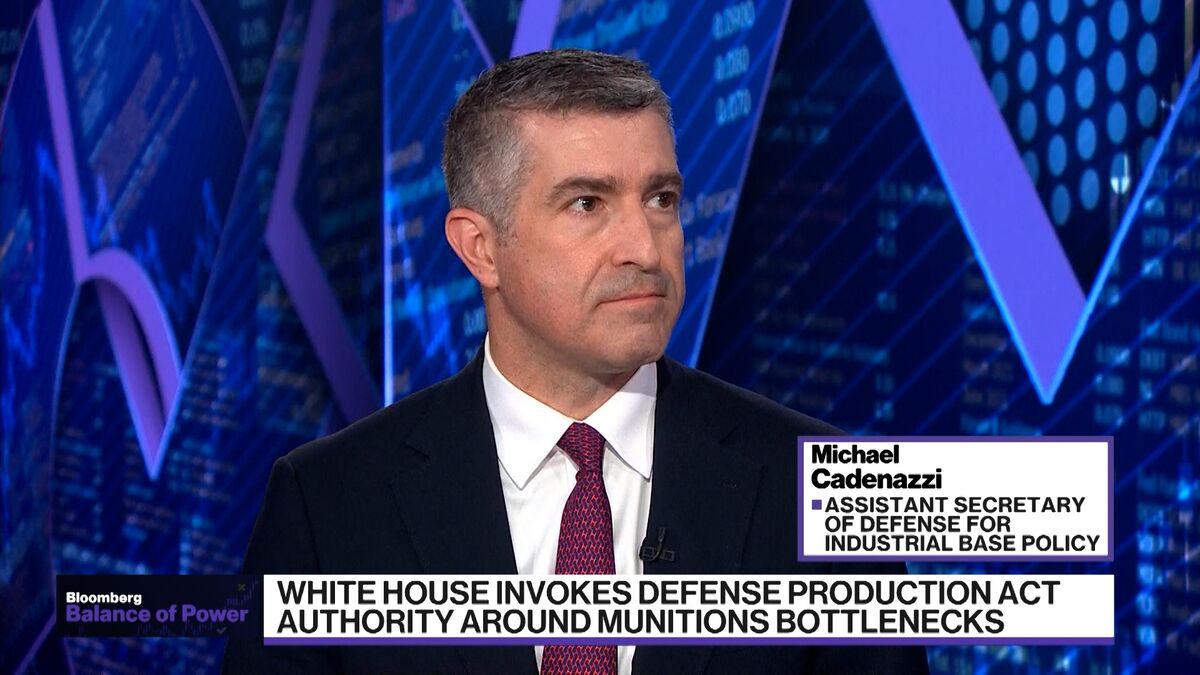
Michael Cadenazzi, Assistant Secretary of Defense for Industrial Base Policy, says the U.S. defense industrial base has suffered from decades of insufficient attention to capacity, leaving the country with bottlenecks, single-source risks and dependence on foreign suppliers. He says the Pentagon is focused on reindustrialization, critical minerals, and skilled trades as it works to meet future warfighter needs. He speaks with Kailey Leinz and Joe Mathieu on the late edition of Bloomberg's "Balance of Power." (Source: Bloomberg)
President Donald Trump boarded his very first flight on the self-dubbed 'world's most luxurious plane' this morning, departing for North Dakota to attend an America 250 celebration.
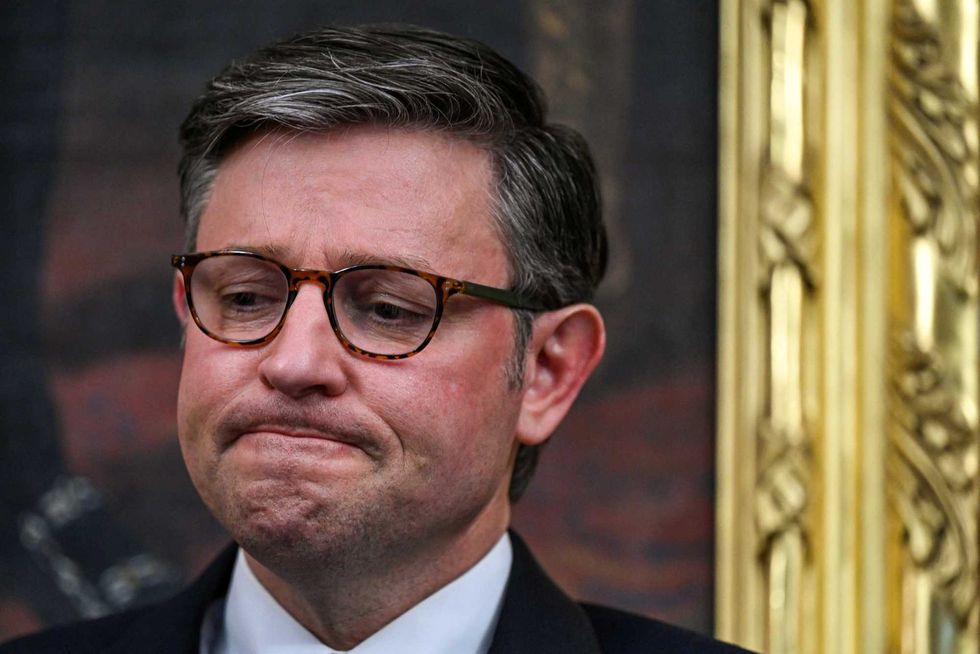
Ultraconservative lawmakers refused to back a critical procedural measure as they pressed for action on voting legislation championed by President Trump.
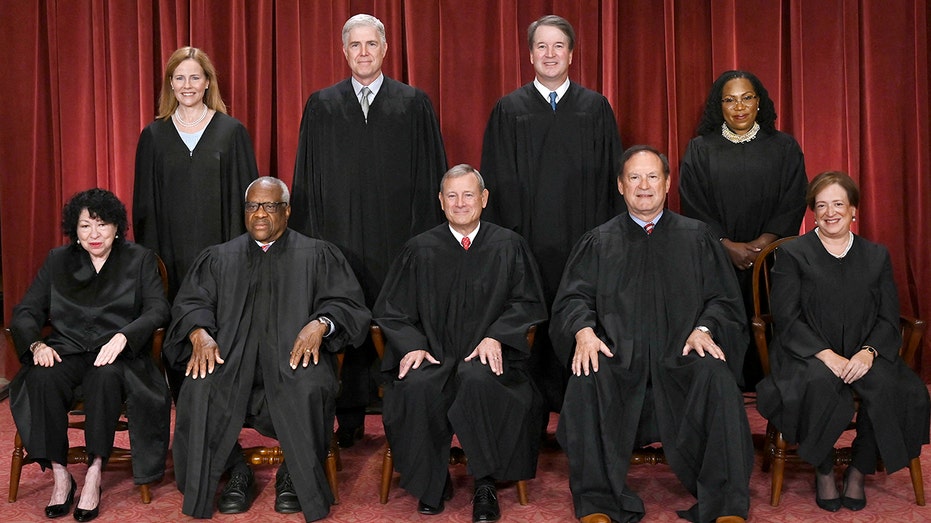
The Supreme Court just took "one more big step toward autocracy," Slate legal writer Mark Joseph Stern argued Monday, and he warned Congress was left in the rubble.Stern wrote that the court's two same-day rulings on presidential firing power are "almost comically irreconcilable." In Trump v. Slaughter, the 6-3 conservative majority overturned Humphrey's Executor, a unanimous 91-year-old precedent, and held the president can fire the heads of independent agencies at will, clearing President Donald Trump's removal of Democratic FTC Commissioner Rebecca Slaughter.Yet in Trump v. Cook, the same chief justice led a 5-4 ruling shielding the Federal Reserve and blocking Trump from ousting board member Lisa Cook. Roberts, Stern wrote, "barely bothered" to explain the contradiction."On what basis could Roberts and Kavanaugh possibly allow Trump to purge Democratic appointees from the rest of the administrative state while zealously protecting members of the Fed?" asked an indignant Stern.The Slaughter ruling, he said, strips independence from agencies overseeing nuclear energy, consumer safety, unions and much of the economy, handing Trump sweeping control. He called the impact "gobsmacking."The biggest winner, he argued, is the court itself, which now gets to rewrite the rules of American governance and bend them toward outcomes it prefers.Stern pointed to fallout already unfolding, including Trump pushing out a postmaster general who balked at his demands and installing one who, Stern wrote, agreed to withhold mail ballots in blue states — part of an effort a federal judge has blocked.In her dissent, Justice Sonia Sotomayor said the majority had distorted the structure of government to fit a theory of "unitary, total executive control.""It is tempting to say that the biggest loser is Congress, which just saw its express authority to structure the executive branch nuked from orbit. And certainly, the legislative branch just suffered a massive blow," he said.But the real casualties, he argued, are Americans who would rather live in a democracy than the autocracy he claimed the court is building.His closing question: how many more hits before it all comes "crashing down"?The rulings landed the same day the court rejected an RNC bid to toss late-arriving mail ballots.