Supreme Court rules ex-inmate can't sue prison officials for shaving dreadlocks
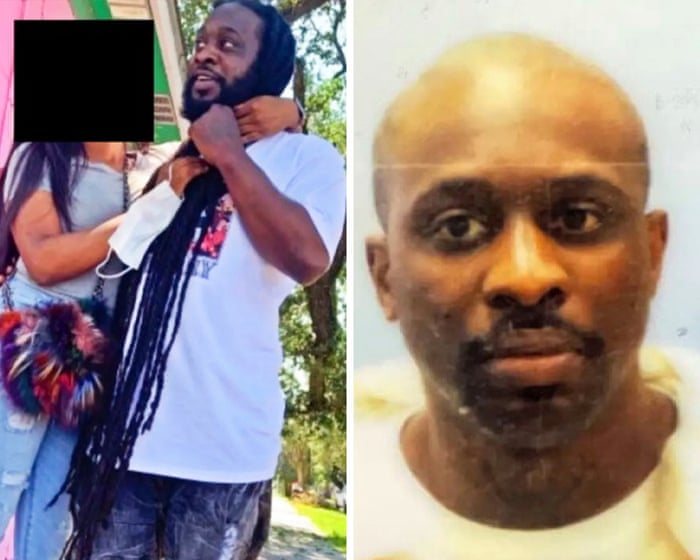
The Supreme Court rejected a former Louisiana inmate's effort to sue state prison officials after they shaved his dreadlocks in violation of his religious beliefs.

In a 6-3 opinion, the court says Louisiana prisoner cannot sue guards after he grew his hair for more than 20 yearsThe US supreme court refused on Tuesday to let a Rastafarian man sue state prison officials in Louisiana after guards held him down and shaved him bald in violation of his religious beliefs, in a landmark case.The case was brought under a federal law designed to protect incarcerated people from religious discrimination. Continue reading...
The Supreme Court rejected a former Louisiana inmate's effort to sue state prison officials after they shaved his dreadlocks in violation of his religious beliefs.
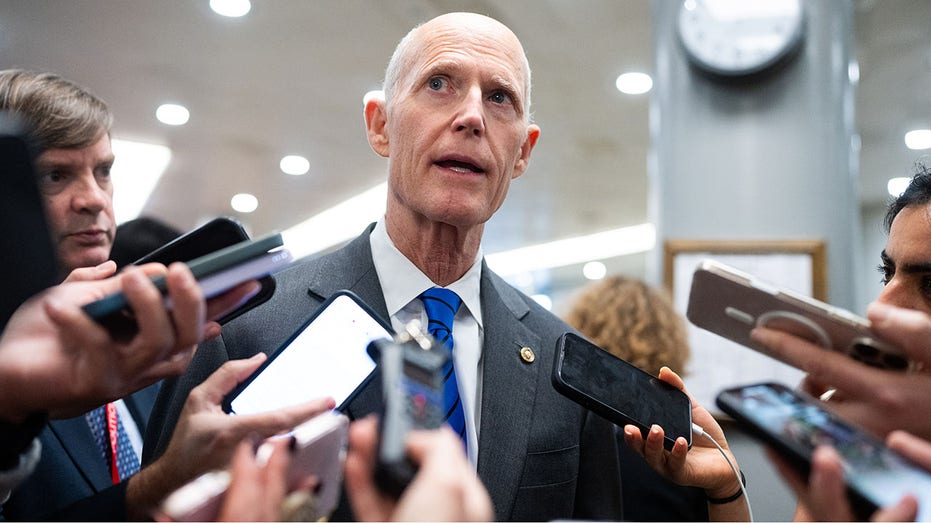
Sen. Rick Scott unveils a six-month Republican roadmap to prevent government shutdowns and pass the SAVE America Act ahead of midterm elections.
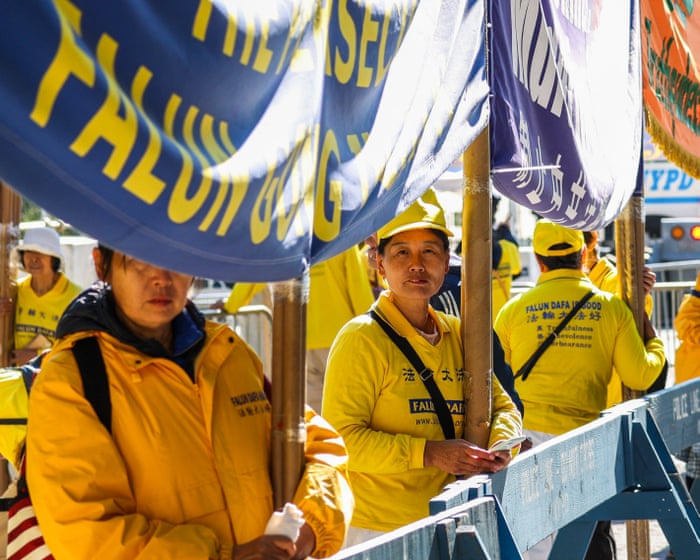
The Supreme Court ruled 6-3 on Tuesday that practitioners of the Falun Gong spiritual movement cannot sue tech giant Cisco over allegations of aiding the Chinese government’s surveillance and torture of the group. The conservative majority rejected the plaintiffs’ attempt to bring claims against the company and two of its then-executives under the 18th century Alien Tort Statute…
The former Louisiana inmate argued his Rastafarian faith was violated after prison officials focibly shaved off his hair.
New York City voters are set to deliver their verdict Tuesday in one of the most prominent election battles between artificial intelligence companies and the nonprofits pushing for stricter rules on the new technology. The fight over AI policy has loomed over the Democratic primary to replace retiring Rep. Jerry Nadler (D), as pro-AI and…
Suit alleged California-based company developed technology that allowed China to surveil members of movementThe US supreme court further limited the reach of a federal law used to hold corporations liable for human rights abuses committed abroad, as it issued a ruling on Tuesday ending a lawsuit by members of the Falun Gong movement accusing Cisco Systems of facilitating religious persecution in China.The justices reversed a lower court’s decision that had breathed new life into the 2011 lawsuit, which was brought under the Alien Tort Statute of 1789. The suit had alleged that Cisco knowingly developed technology that allowed China’s government to surveil and persecute Falun Gong members. Continue reading...
Over the next two weeks, the justices will release more than a dozen final opinions, including high-profile decisions on birthright citizenship, the Federal Reserve and transgender athletes.
The Supreme Court sided with the Trump administration on Tuesday in an immigration case dealing with the government’s power over green card holders.