Uruguay national team blames FIFA for travel chaos ahead of World Cup opener
The team’s plane was scheduled to depart from Cancun, Mexico, where Uruguay’s base camp is located, on Sunday afternoon.

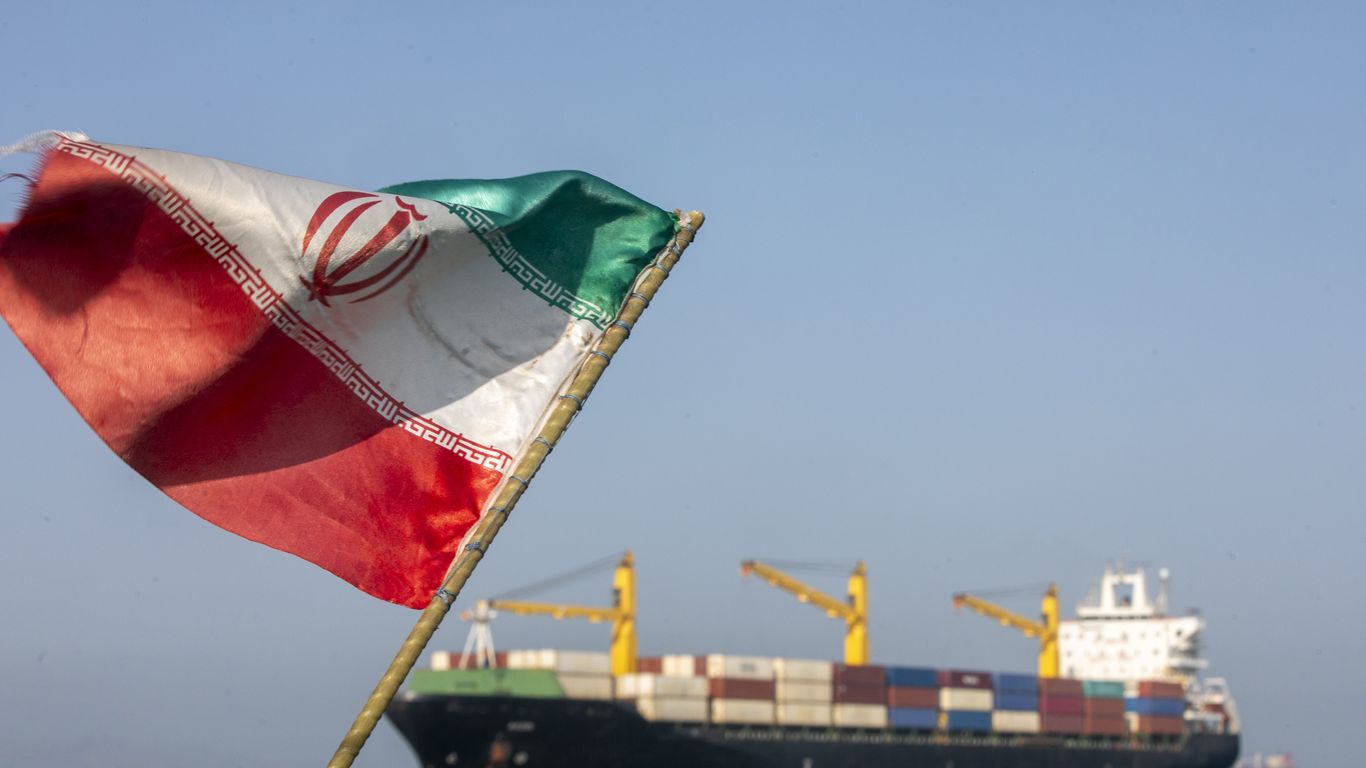
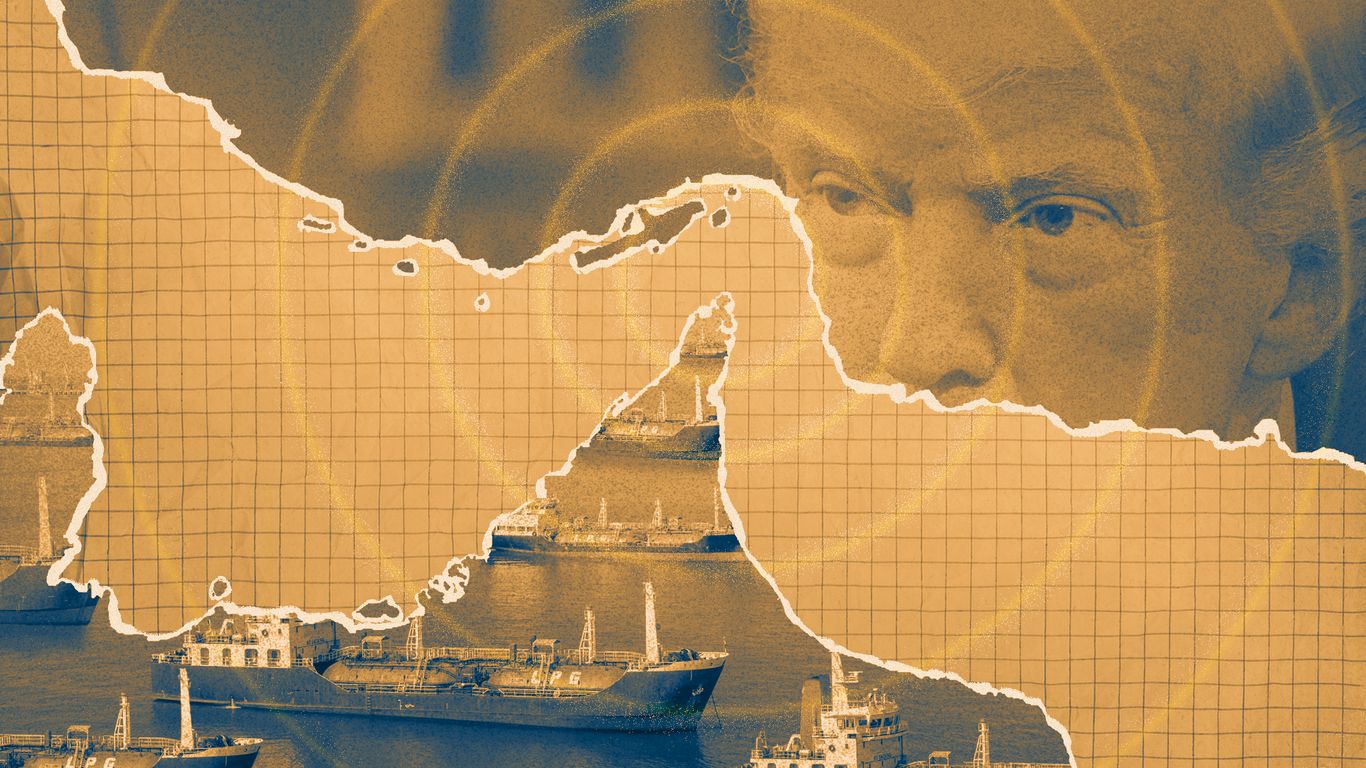
The U.S. and Iran agreed to a deal to end hostilities on Sunday, Pakistani Prime Minister Shehbaz Sharif announced, with an official signing ceremony expected on Friday, and more detailed nuclear negotiations to follow.Trump confirmed the news and said he was now lifting the U.S. blockade, with Iran expected to open the Strait of Hormuz. Iran has yet to confirm it considers the deal to be in effect.Why it matters: The deal is expected to extend the ceasefire by 60 days, reopen the strait and launch nuclear talks after 107 days of war.The memorandum of understanding would mark the biggest diplomatic breakthrough of the war and buy time to settle the hardest questions over Iran's nuclear program.The agreement was expected to be signed electronically on Sunday after mediation by Pakistan and Qatar, but it's unclear if that has happened.Sharif said the signing ceremony would be Friday in Switzerland.The big picture: If it holds, the deal could ease the global energy shock the war set off. The agreement is designed to restore shipping through the Strait of Hormuz, which before the war handled about 20% of global oil and liquefied natural gas. But it leaves key nuclear issues to be negotiated over the next two months.Reopening the whole strait may not be immediate in practice. Mine-clearing, repairing infrastructure and guaranteeing security could take time before a full return to pre-war shipping volumes.Breaking it down: The agreement calls for the U.S. and Iran to negotiate over Iran's nuclear enrichment and the disposal of its highly enriched uranium during the 60-day window.The U.S. will commit to discuss sanctions relief and the release of frozen Iranian funds, with relief expected to be tied to Iran's compliance.The ceasefire includes fighting between Israel and Hezbollah in Lebanon, which flared up again on Sunday.State of play: The apparent agreement comes after a volatile final stretch. Israel struck Hezbollah targets in Beirut hours before the expected signing, prompting Iranian threats to walk away from the deal.What they're saying: "The Deal with the Islamic Republic of Iran is now complete. Congratulations to all! I hereby fully authorize the toll free opening of the Strait of Hormuz, and, simultaneously herewith, authorize the immediate removal of the United States Naval blockade. Ships of the World, start your engines," Trump wrote on Truth Social.That came minutes after Sharif posted on X that "the Peace Deal between the United States of America and Islamic Republic of Iran has been REACHED. Both sides have declared the immediate and permanent termination of military operations on all fronts, including in Lebanon."Sharif added that the deal was "now in place."What's next: Sharif said Pakistan and the other mediators would "facilitate a series of meetings this week," to be followed by technical talks.The sides have given themselves 60 days to reach a technical agreement on how to downblend Iran's highly enriched uranium and both freeze and monitor Iran's nuclear program going forward. That's a tall order given how difficult it was to reach the much less detailed memorandum of understanding. The U.S. side insists Iran is incentivized to reach a final agreement because sanctions relief and access to frozen funds depend on progress on the nuclear front. Some hawks in the U.S. and Israel worry there will never be a final deal and the war will end with the nuclear questions unresolved.
The team’s plane was scheduled to depart from Cancun, Mexico, where Uruguay’s base camp is located, on Sunday afternoon.
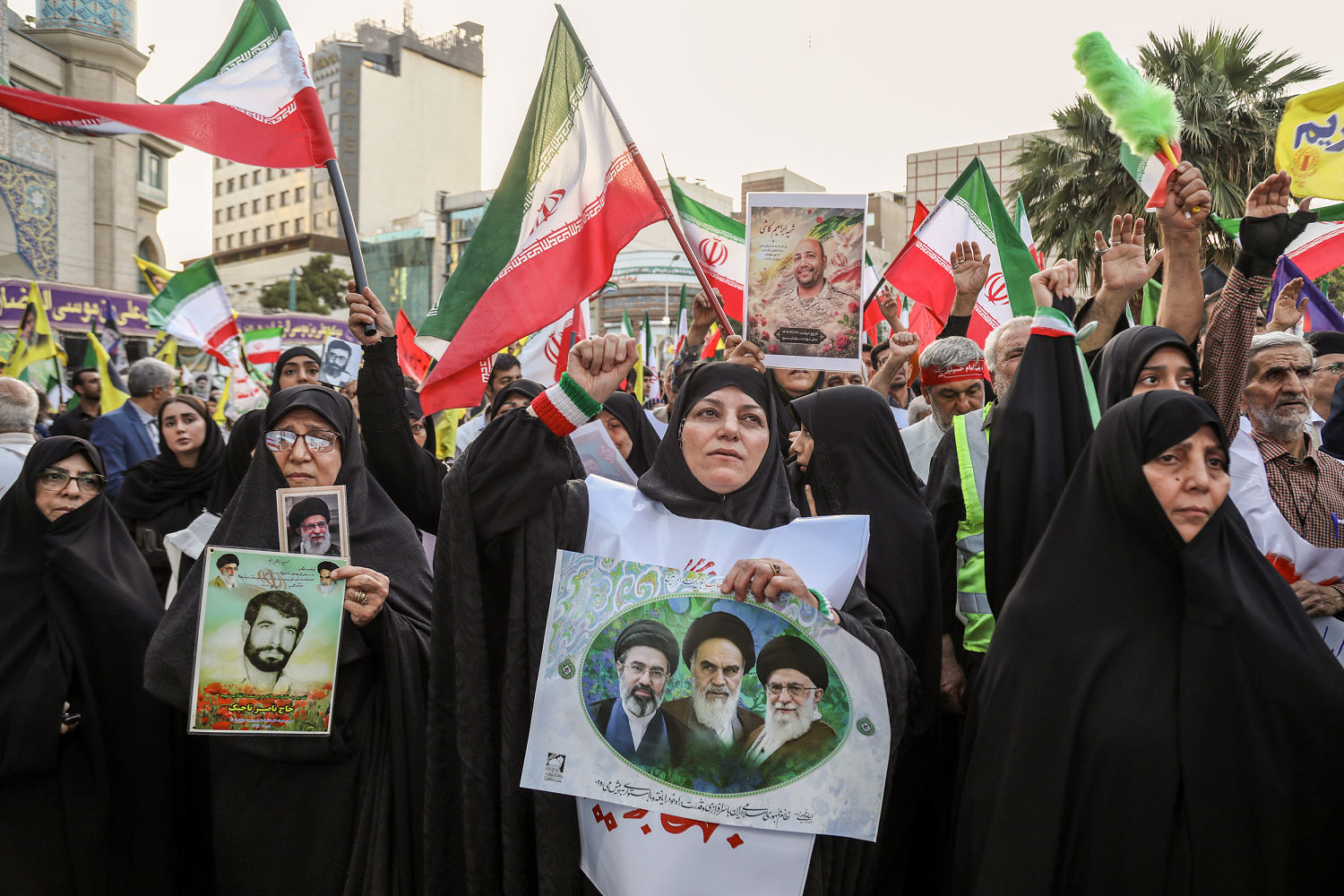
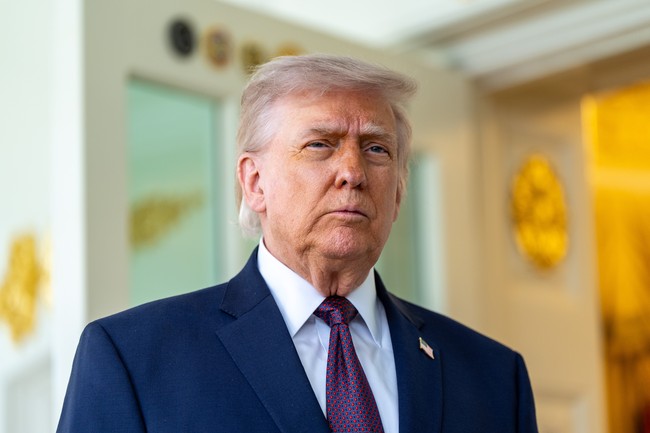
President Donald Trump's announcement on Sunday that the U.S. and Iran had reached a new agreement that provides a pathway to ending the more-than 100-day-old conflict was mocked by some political analysts as "insulting."Trump wrote on Truth Social that he had fully authorized the "toll-free" reopening of the Strait of Hormuz, a global waterway that accounts for 20% of global energy trade. Pakistani Prime Minister Shehbaz Sharif, who has been mediating the talks, posted on X that the agreement "[laid] the foundation for the technical talks and the official signing ceremony," which is scheduled for this Friday. The announcement was made less than one hour before Trump's "UFC Freedom 250" event at the White House began. It also sent Brent crude oil prices tumbling to roughly $83 per barrel, its lowest level since the war began. Initial details of the deal from Iranian state media say the U.S. agreed to include a reconstruction package worth at least $300 billion and to release $12 billion of the regime's frozen assets. Political analysts and observers mocked the announced deal on social media, arguing that it was yet another instance where Trump backed down from his threats. "The reported details of this Iran deal are so insulting to the 13 U.S. servicemen and women who died," Mike Nellis, a Democratic political strategist, posted on X. "We’ve accomplished nothing. Iran is reopening the Strait of Hormuz, not giving up its uranium, and Trump is going to give them $25 billion. That’s way worse than the deal Obama negotiated.""Congrats on things being back to how they were before you and Israel started this nonsense. What an incredible achievement," Barry Malone, a journalist and political commentator, posted on X. "Until this is in writing and all parties sign in agreement, there is NO deal," Gabe Sanchez, who hosts the "What Was That Show" podcast, posted on X. "Trump gave away everything and I’m positive that he will screw it up even more.""The president surrendered on his birthday," writer Peter Rothpletz posted on X.
Former Vice President Mike Pence cast doubt on the possibility of a deal between Iran and the U.S. over the two countries’ war shortly before President Trump announced a deal has been reached on Sunday. “My concern right now is not with the intentions of the president. Look, I think the president has earned a [...]
President Trump and Pakistan's prime minister announced Sunday night that the U.S. and Iran had completed a deal to end fighting in the Middle East. Mr. Trump also said the U.S. blockade on the Strait of Hormuz would end immediately. Olivia Gazis reports.
The 1994 World Cup gave much of the country its introduction to soccer. But this 2026 World Cup could spark a love affair.
Crude oil prices fell over 4% to their lowest levels in over three months Sunday after the U.S. and Iran agreed to a ceasefire extension that could lead to the reopening of the Strait of Hormuz.Why it matters: Severe restrictions on oil traffic through the strait since the conflict began in late February have created an unprecedented energy shock that's a drag on the global economy.The oil price spike caused U.S. gasoline prices to soar to their highest levels since 2022, adding to GOP political peril ahead of the midterm elections.The latest: The global benchmark Brent crude is down 3.6% to $84.21 per barrel. It initially fell even more steeply before reversing some of the decline.WTI, the U.S. reference, is down over 4% to $81.38 per barrel.Sunday's decline follows prices that had already slid Friday on reports that an agreement was imminent.The apparent agreement could greatly expand tanker traffic through the narrow waterway that handles about a fifth of the global oil trade. Axios' Barak Ravid has the latest on the agreement. Catch up quick: The memorandum of understanding would mark the biggest diplomatic breakthrough of the war and buy time to settle the hardest questions over Iran's nuclear program.What we're watching: Average U.S. gasoline prices soared to a high of roughly $4.56 per gallon in May, but have retreated in recent weeks and now average $4.07, per AAA.That's still over $1 higher than pre-war levels at a time when affordability is front and center in midterm election battles. But prices will likely recede if crude oil prices — the largest variable in retail pump prices — continue to recede. What's next: The disrupted market will take months to fully untangle, but the apparent deal could enable a major increase in tanker transit.But it's not clear how many ship owners and operators will quickly have confidence to move through the waterway.Plus, even if the strait is fully open, Persian Gulf oil producers that cut production when the main export route was cut off will need time to revive it. Go deeper: Gas prices won't return to pre-war levels anytime soon
An agreement has been reached between the United States and Iran to end fighting and reopen the Strait of Hormuz, according to President Donald Trump and details of a draft memorandum of understanding released by Iranian state-affiliated media Sunday.