TIME
Tulsi Gabbard Resigns as Trump's Director of National Intelligence
Gabbard cited her husband's cancer diagnosis, but differed with others in the Administration on Iran.
Center Left
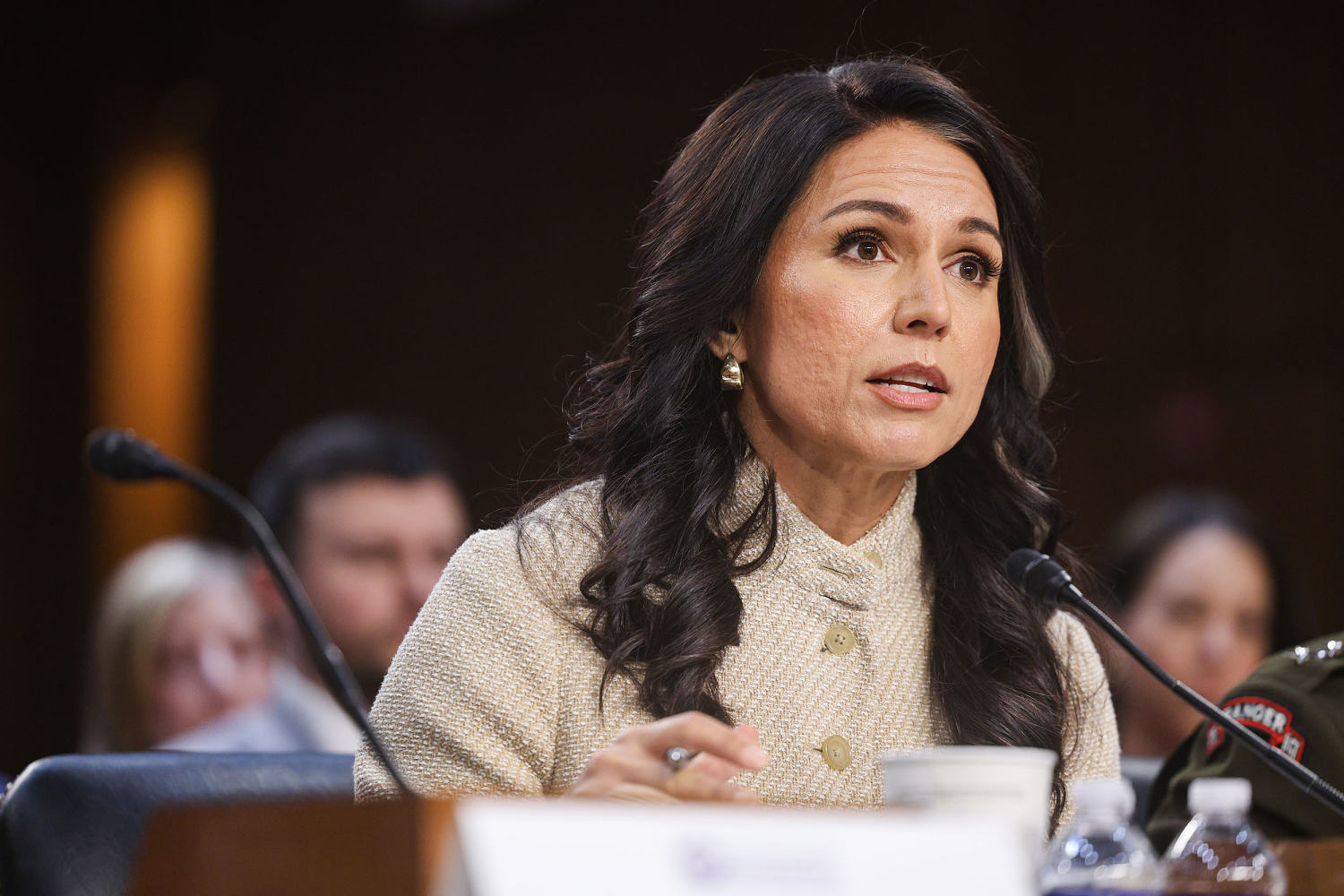
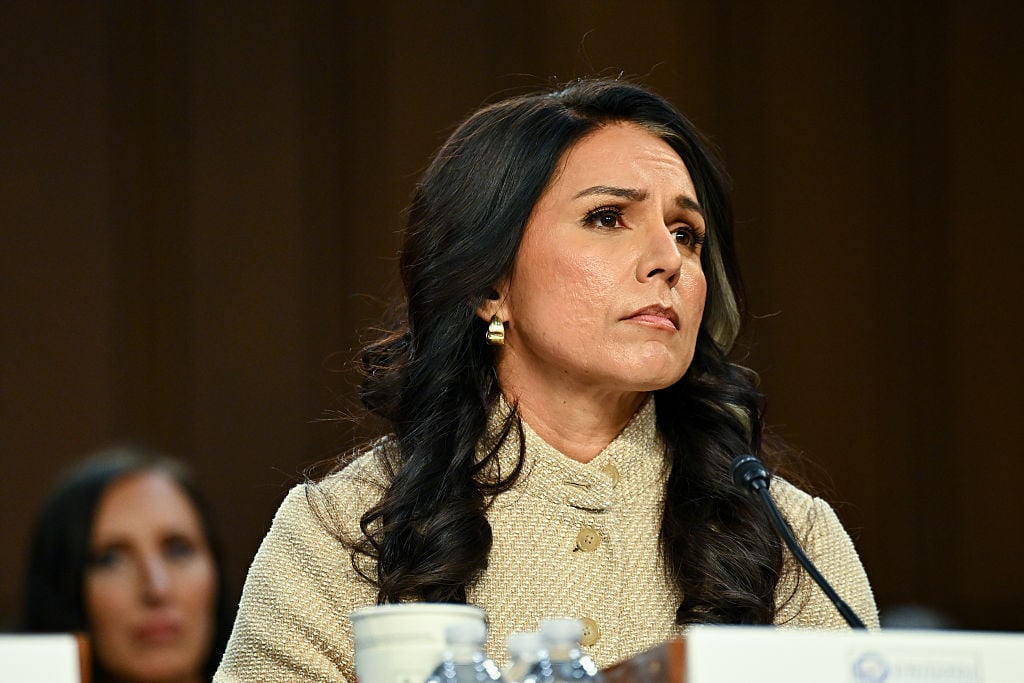
Tulsi Gabbard, the top-ranking U.S. intelligence official, told President Donald Trump on Friday that she is resigning from her role following her husband’s cancer diagnosis, according to two senior administration officials.
Gabbard cited her husband's cancer diagnosis, but differed with others in the Administration on Iran.
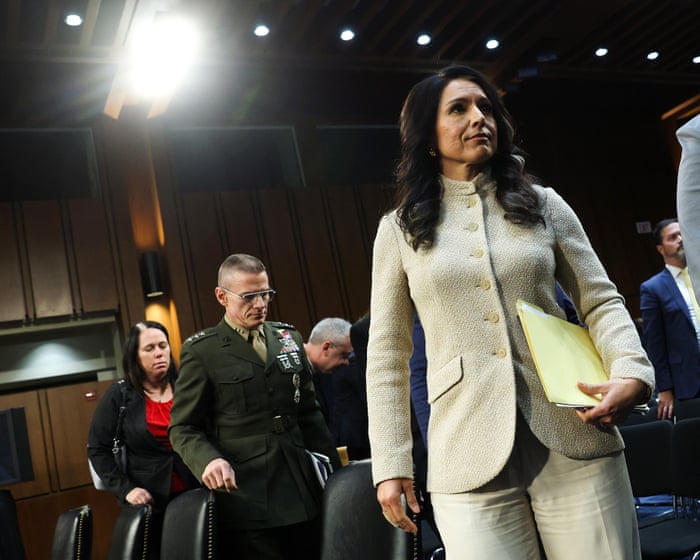
Over 15 months, the ex-Democrat with no notable relevant background took actions seemingly meant to flatter TrumpTulsi Gabbard’s tumultuous 15-month tenure as the US’s top intelligence official ended Friday, when Gabbard submitted her resignation as director of national intelligence.Gabbard was an unconventional choice for the role, given she was a former Democrat with no notable intelligence background. Her political views, particularly on foreign intervention, have at times diverged from Donald Trump’s. But she also undertook norm-breaking actions as the country’s top intelligence chief that appeared designed to flatter Trump and his agenda of election denial. Continue reading...

In a major loss for the country, Director of National Intelligence (DNI) Tulsi Gabbard announced Friday her plans to resign from her post at the end of June. The former congresswoman cited her husband’s recent diagnosis of an “extremely rare form of bone cancer” as the reason for her departure. “Abraham has been my rock […]
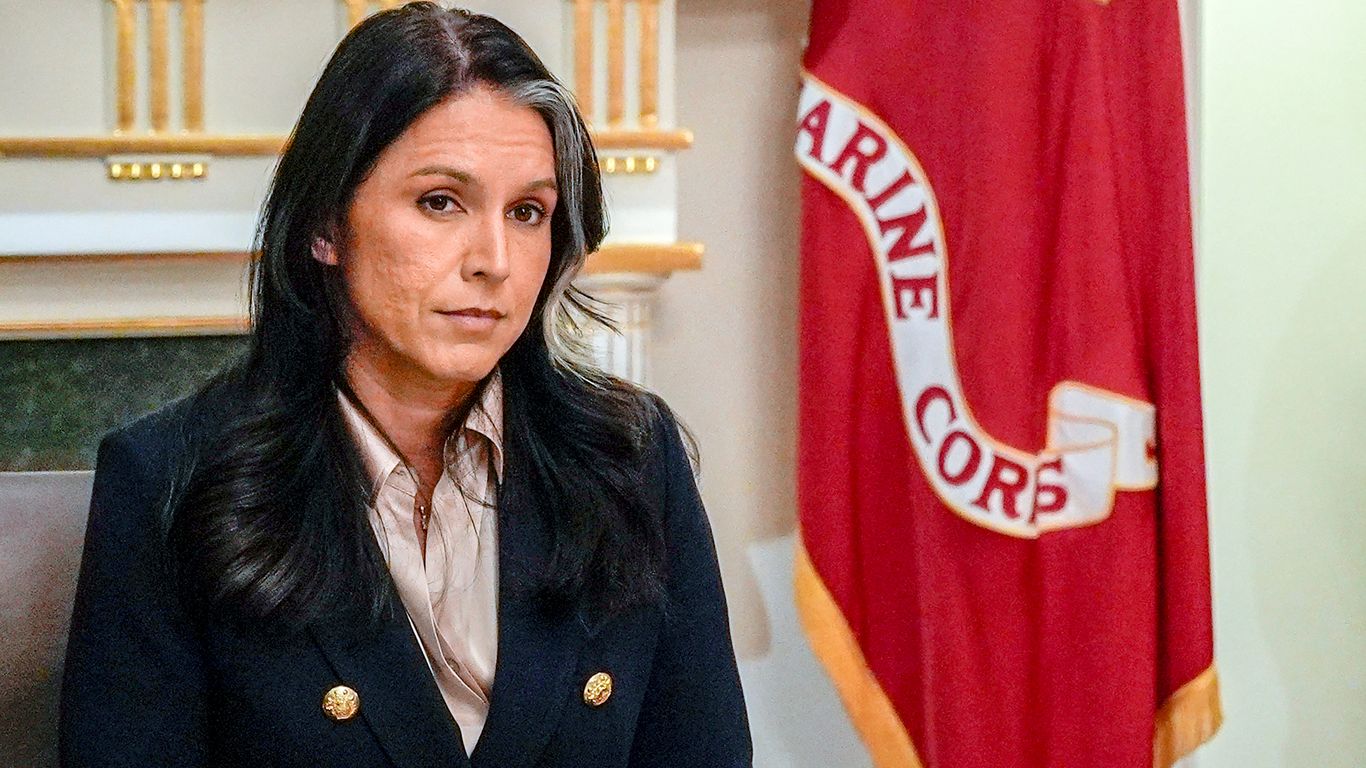
Tulsi Gabbard, President Trump's director of national intelligence, announced Friday she is leaving the administration.Driving the news: Gabbard wrote in her resignation letter that her departure is related to her husband's diagnosis with an "extremely rare form of bone cancer.""At this time, I must step away from public service to be by his side and fully support him through this battle," she wrote. "Abraham has been my rock throughout our eleven years of marriage — standing steadfast through my deployment to East Africa on a Joint Special Operations mission, multiple political campaigns, and now my service in this role."Gabbard's resignation will go into effect on June 30. Between the lines: As a former Democrat and anti-interventionist in a wartime Republican administration, Gabbard had difficulty fitting into the administration and running the Office of the Director of National Intelligence.Last month, Gabbard narrowly survived getting fired by Trump, who was persuaded to hold off by their mutual friend, Roger Stone, a longtime outside adviser to the president.Another Trump confidante, Laura Loomer, was a frequent critic of Gabbard's. Loomer was first to report Gabbard's resignation.The intrigue: Gabbard's ODNI has also been locked in a behind-the-scenes feud with the CIA for months that became public last week during a Senate Homeland Security Committee hearing.A CIA insider who was part of Gabbard's special Directors Initiative Group testified that his agency had obstructed ODNI's efforts to uncover more information about the JFK files, COVID's origins and what are called "Anomalous Health Incidents" commonly referred to as Havana Syndrome.A CIA spokesperson disputed the testimony and said the agency has not impeded ODNI in any way.Trump's decision to strike Iran had put Gabbard's anti-interventionist past — and strong opposition to a war, on a collision course with the administration's wartime cheerleading.Last summer, Trump publicly dismissed Gabbard's prior testimony that Iran was not building a nuclear weapon and had not re-authorized its nuclear program, though she argued there was no daylight between her and the president.When asked about that assessment in June, Trump responded, "Then my intelligence community was wrong." When told it was Gabbard who had said that, he responded, "She's wrong."Zoom out: Gabbard's exit follows that of her former top aide, ex-National Counterterrorism Center Director Joe Kent, who left the administration roughly two months ago with a fiery resignation letter.Kent, a former GOP House candidate, argued in his letter that Trump launched the Iran war under pressure from Israel despite Tehran posing "no imminent threat" to the U.S.In response, Gabbard said the president concluded "the terrorist Islamist regime in Iran posed an imminent threat" without mentioning Kent.When asked in March whether Iran posed an imminent threat, Gabbard deferred to Trump, telling lawmakers that "the only person who can determine what is and is not an imminent threat is the president."Go deeper: Tulsi Gabbard says she is leaving the Democratic PartyEditor's note: This story has been updated with additional context throughout.
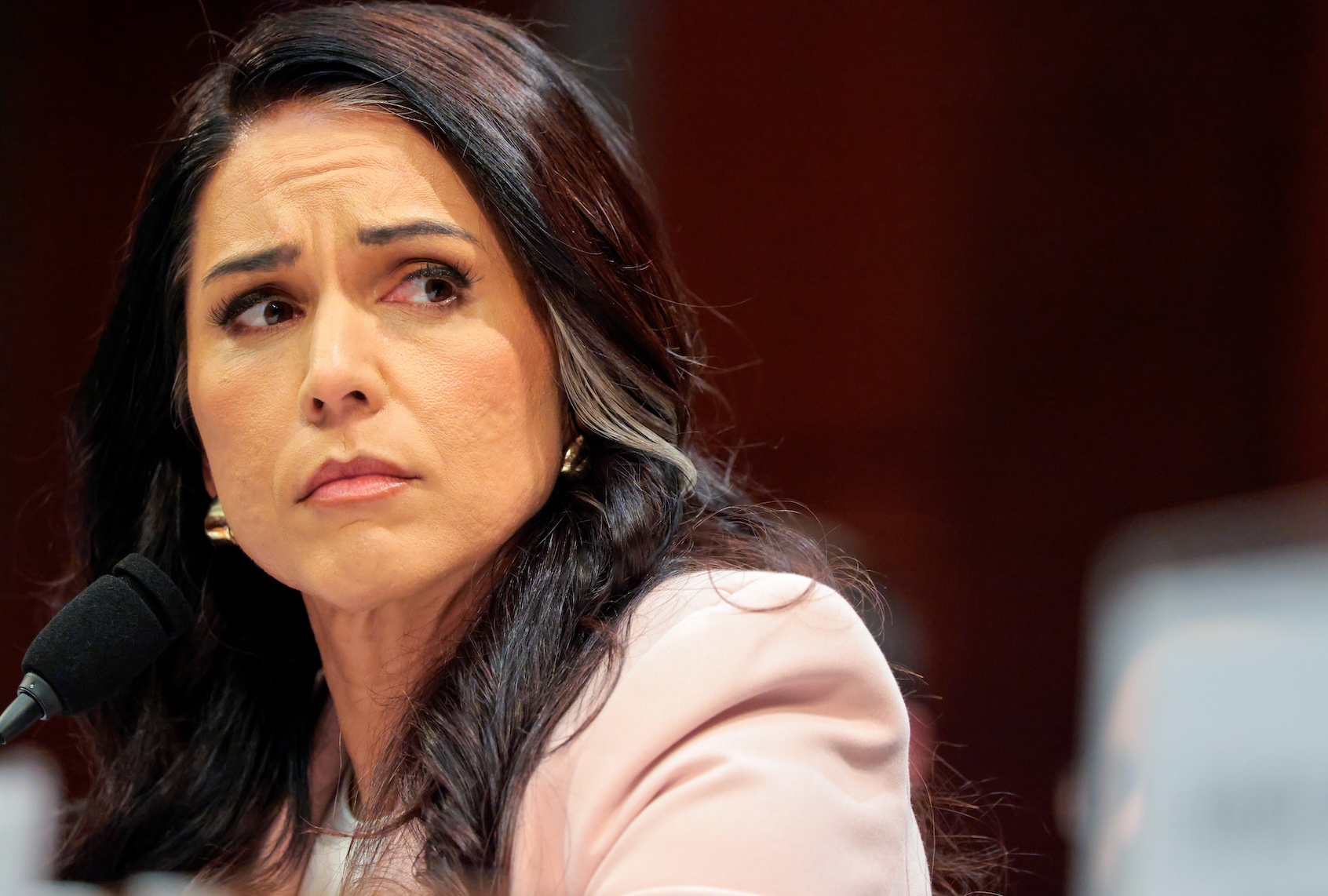
Gabbard is the fourth cabinet member to leave under Trump's second term
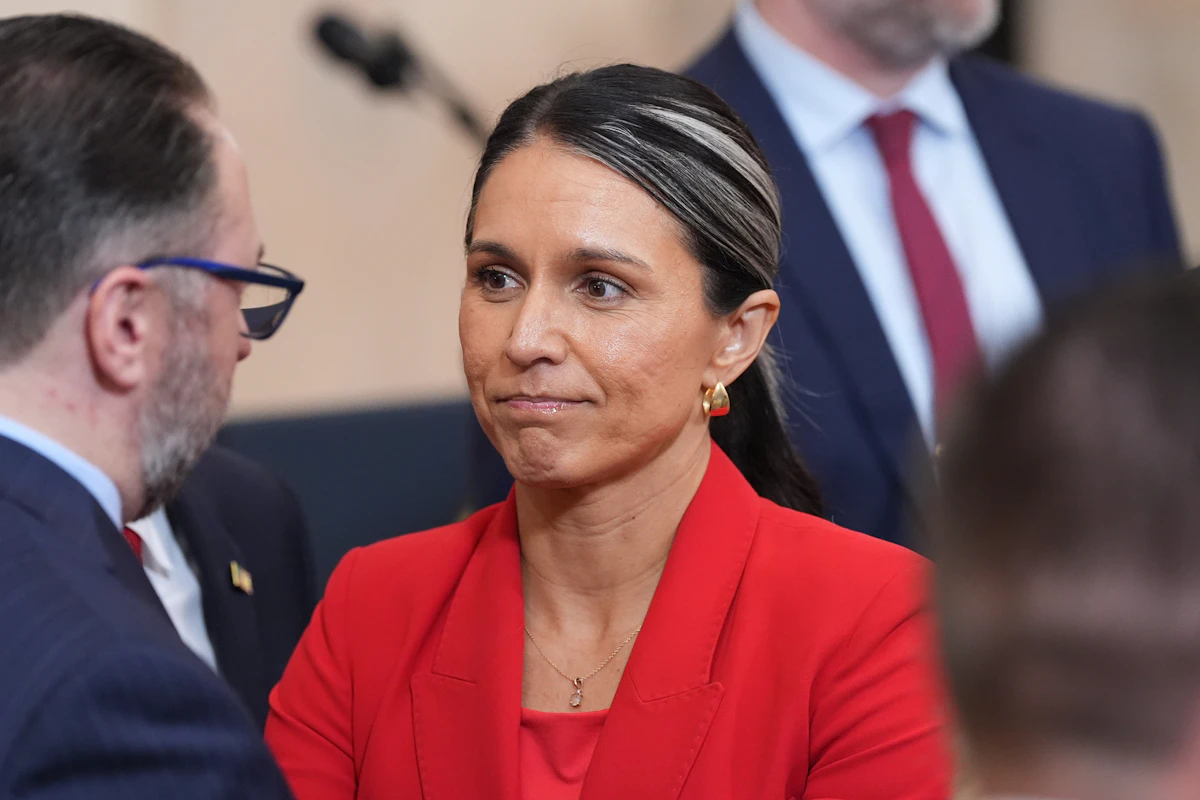
Tulsi Gabbard is resigning from her position as director of national intelligence.Gabbard notified the president of her forthcoming departure during a Cabinet meeting at the Oval Office Friday. Her last day is expected to be June 30.She is reportedly departing Trump’s Cabinet to assist her husband, Abraham Williams, as he battles cancer, Fox News Digital reported.“Unfortunately, I must submit my resignation, effective June 30, 2026,” Gabbard wrote in her resignation letter, obtained first by Fox. “My husband, Abraham, has recently been diagnosed with an extremely rare form of bone cancer.”Gabbard said that her husband “faces major challenges in the coming weeks and months.”“At this time, I must step away from public service to be by his side and fully support him through this battle,” she wrote.Gabbard and her husband first met in Hawaii while he volunteered for her 2012 Democratic congressional campaign. They have been married for 11 years.“His strength and love have sustained me through every challenge,” she continued. “I cannot in good conscience ask him to face this fight alone while I continue in this demanding and time-consuming position.”It is not immediately clear who will replace Gabbard.Her exit has curious timing. Despite being appointed to run America’s national intelligence operation, Gabbard has spent the last several months largely sidelined from the Trump admin’s national security operations. She was noticeably absent during decisions surrounding the White House’s attack on Venezuela, as well as the ongoing war with Iran.Gabbard’s opinion on such matters frequently differed from Trump’s talking points: she has argued that the U.S. had different objectives in the war than Israel, and claimed that Tehran had not actually attempted to rebuild its nuclear program after the U.S. military attacked three of its key nuclear sites last June. Gabbard blatantly irritated Trump earlier this year when she opted to shield a former deputy who openly disagreed with the war.Regardless of the broad purview of her office, Gabbard had recently been relegated to pursuing claims of 2020 election fraud. In January, Gabbard was caught on camera overseeing FBI agents as they packed up the Fulton County, Georgia, election office and walked out with ballots from the 2020 presidential election, despite the fact that she is prohibited from taking part in domestic law enforcement operations. Gabbard told Democratic lawmakers in February that Donald Trump himself had asked her to be there—but he did not stick by her side. Instead, Trump blamed Gabbard’s participation on ex-Attorney General Pam Bondi. Now, both women are gone from his administration.Four people have exited Trump’s Cabinet since he returned to office last year—all of them women. They include Gabbard, Bondi, ex-DHS chief Kristi Noem, and former Labor Secretary Lori Chavez-DeRemer.This story has been updated.

Tulsi Gabbard had a difficult tenure in the Trump administration and was seldom seen in the room when the president made important national-security moves.

Gabbard is the latest in a series of Cabinet officials to leave the Trump administration.