Vance Says Iran Deal Is a 'Win-Win' for the US
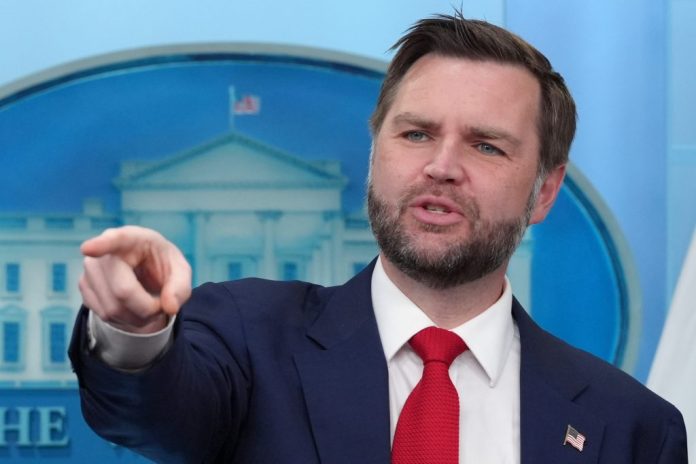
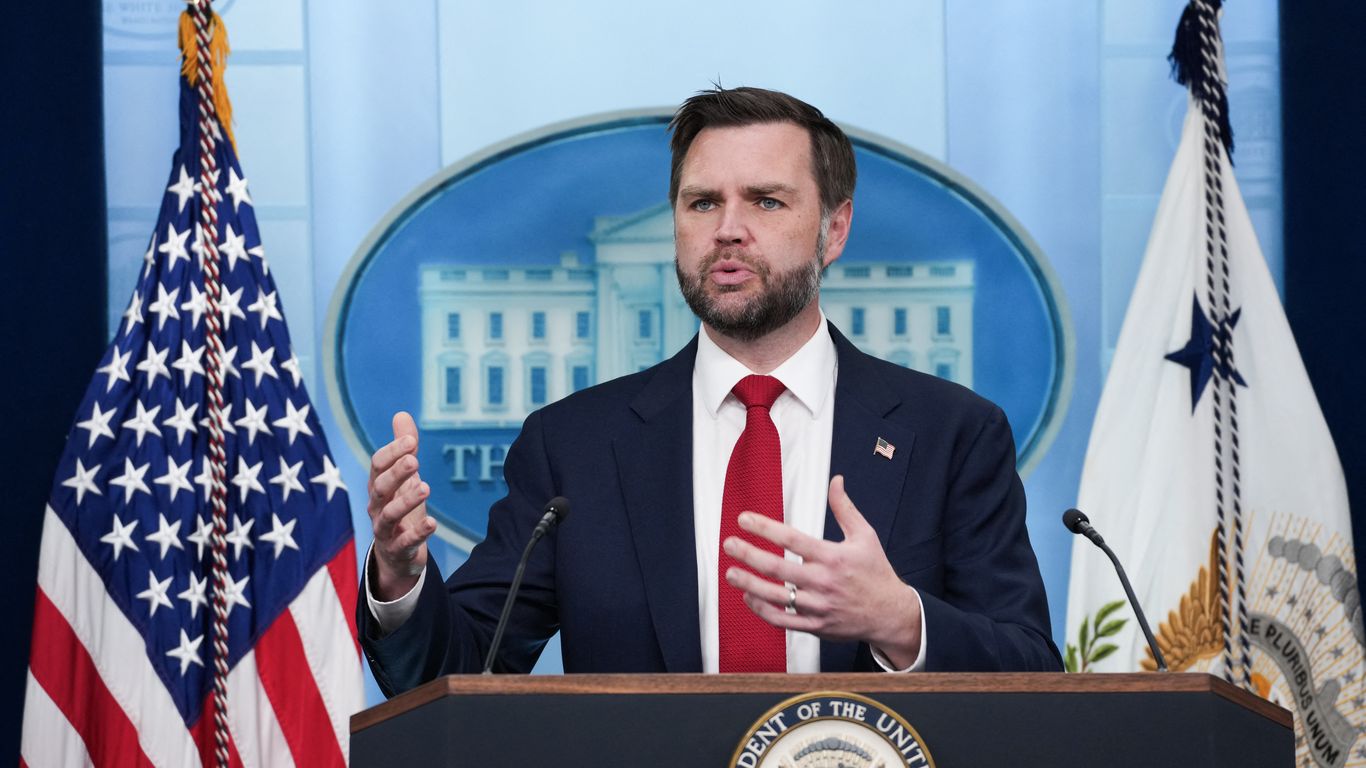
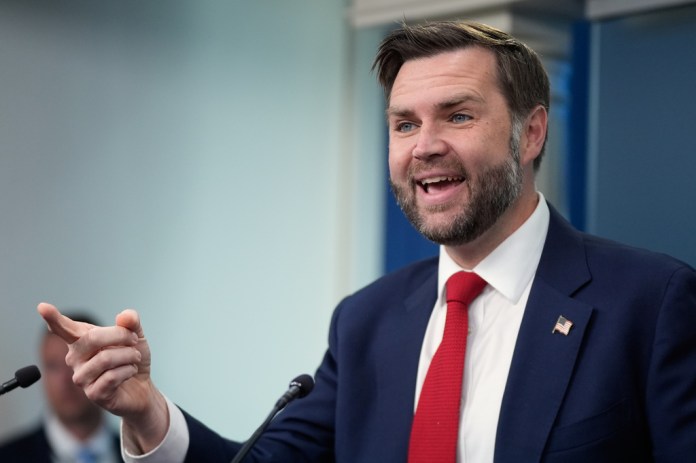
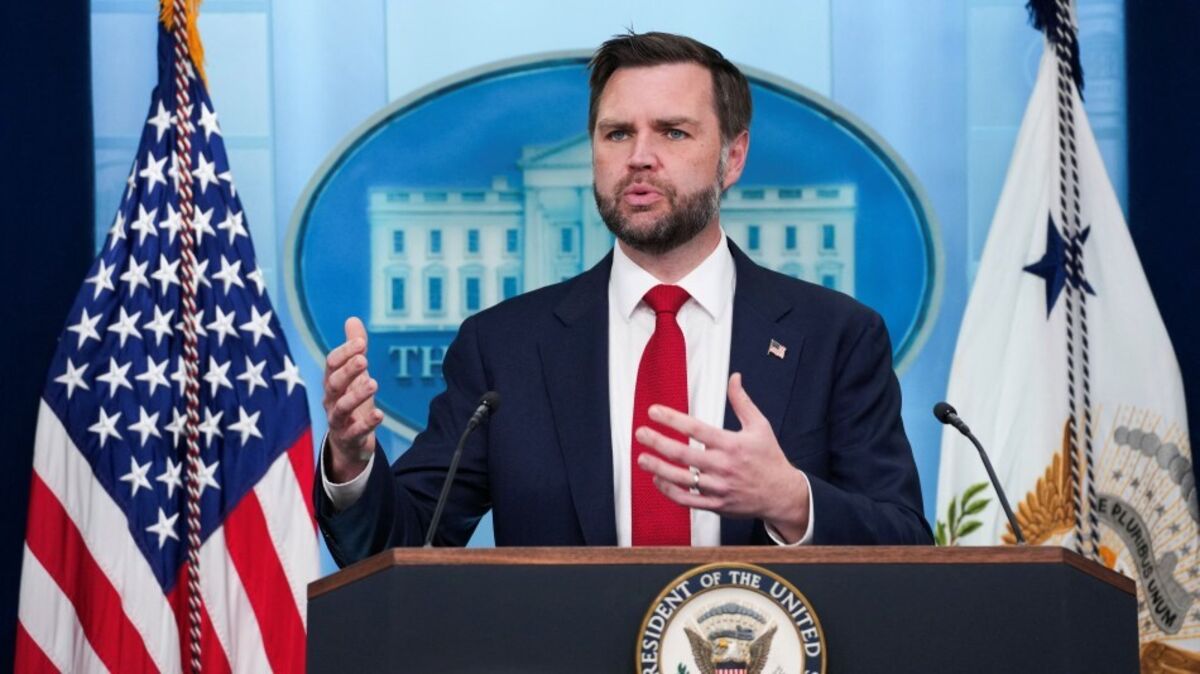
US Vice President JD Vance speaks at a news conference about President Donald Trump's signed memorandum of understanding with Iran. (Source: Bloomberg)

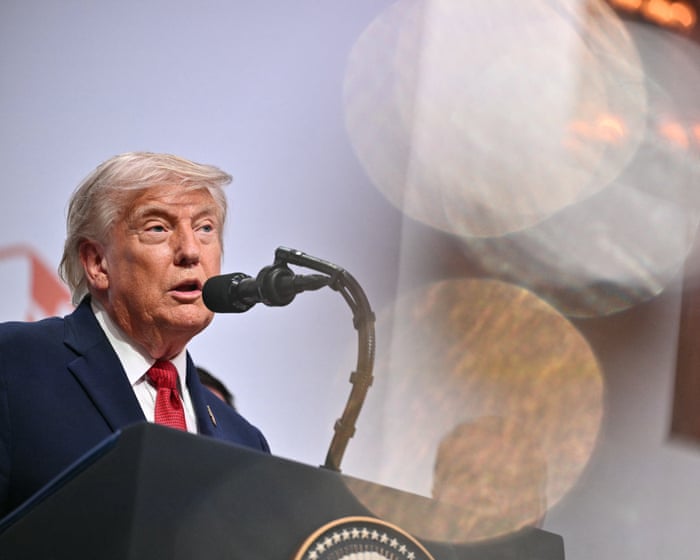
With sanctions-relief and a US promise to avoid further meddling, the conflict has been settled on Tehran’s termsDonald Trump is running fast to escape the catastrophic war on Iran that he and Benjamin Netanyahu started four months ago. He is saying anything that appears to suit the moment. In fact, he clearly feels he can now ditch his friend, the Israeli prime minister. He is offering Tehran’s military regime a $300bn rebuilding fund, an end to economic sanctions and a promise not to interfere in its internal affairs. All this is declared a “major win”. If so, fine. The next 60 days of negotiations will be tortuous and unpredictable. But at least they are pointing in a plausible – and hopefully irreversible – direction.For once, a US president seems ready to accept defeat in a potentially forever war before it gets out of hand. Iran is not to be another Vietnam, Afghanistan or Iraq. More than that, in the course of the past week, Trump seems to have soured on America’s closest ally. Furious at Netanyahu’s ceaseless bombing of Lebanon, he remarked: “You don’t have to knock down an apartment house every time you’re looking for somebody” – somebody to kill, that is – because “there are a lot of people in those apartment houses and they’re not all Hezbollah”. For all this moral grandstanding, Trump’s military forces, along with Israel, have killed more than 3,300 Iranians, according to the country’s authorities – among them more than 100 children in a girls’ school – and injured many more.Simon Jenkins is a Guardian columnist Continue reading...
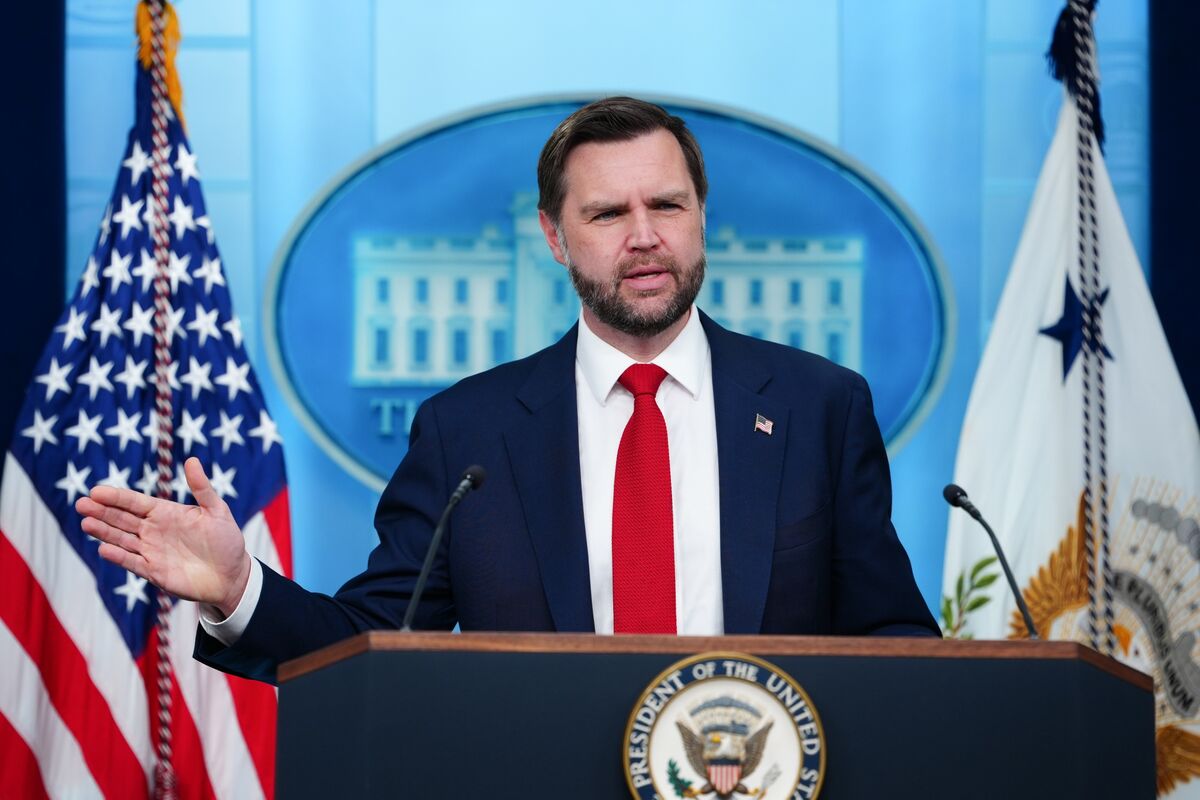
US Vice President JD Vance speaks at a news conference about President Donald Trump's signed memorandum of understanding with Iran. (Source: Bloomberg)
US Vice President JD Vance hit back at Israeli cabinet members who have criticized Donald Trump’s interim peace deal with Iran.
Vice President JD Vance argued that the White House can lift oil sanctions against Iran without the approval of Congress, as Republicans express concern over the economic relief listed in a newly signed peace deal. “We actually have an opinion from OLC that we feel quite confident about that,” Vance said in a Thursday press […]
Vice President Vance on Thursday issued a blunt warning to members of the Israeli government who have been attacking the deal with Iran: President Trump is the only friend you have left, and it would be unwise to cross him.Why it matters: Vance gave public voice to the consternation many on Trump's team have felt with Prime Minister Benjamin Netanyahu's government over the past three months. He also issued a veiled threat that if Israel undermines the deal, U.S. military support could be impacted.What he's saying: Asked about an Axios report that Netanyahu and his political allies were "fuming" over the deal, Vance said he'd read the story but hadn't experienced any fuming from Netanyahu — though he had been "bothered" by members of the Israeli cabinet attacking Trump over the deal. "Donald J. Trump is the only head of state in the entire world who is sympathetic to the nation of Israel at this moment in time, and he happens to be the head of state of the world's superpower. If I was in the cabinet of the Israeli government, I might not be attacking the only powerful ally that I have anywhere left in the entire world," Vance said.Vance added that Israel should consider that "two-thirds of the defensive weapons that have protected your homeland have been built by American hands and paid for by American tax dollars.""The problem for Israel is not Donald J. Trump, and anybody in Israel who thinks their biggest problem is the President of the U.S. needs to wake up and smell the reality of the situation that country is in," Vance said.The other side: Netanyahu has kept his frustrations with the deal private, but has been venting in private conversations, sources say.Some senior members of Netanyahu's cabinet — including ultranationalist ministers Betzalel Smotrich and Itamar Ben Gvir, but also ministers from Netanyahu's Likud party — have attacked Trump over the deal. Pro-Netanyahu voices in the Israeli media have made personal attacks against Vance as well as Trump's envoys Jared Kushner and Steve Witkoff.On Thursday, Netanyahu said the current situation requires the Israeli government to "remain calm, stand firmly on our security interests and at the same time preserve the important relationship with our American friends, who fought shoulder to shoulder alongside us, and for that we are deeply grateful."At the same time Netanyahu said Israel will not withdraw from the territories it has occupied in southern Lebanon "as long as Israel's security needs demand it."Friction point: The U.S.-Iran memorandum of understanding says the ceasefire includes the fighting between Israel and Hezbollah, and Israel would have to withdraw from Lebanon under any final deal.Vance said in a press conference on Thursday that the U.S. expects Hezbollah not to launch attacks against Israel, but also expects the Israelis "not to be going wild" in Lebanon. "The Israelis have to respect this peace process...the president's expectation is that all of our friends, the Israelis, the Arabs in the region are gonna work together and actually see this deal to completion," he said.A day earlier, Trump reiterated his criticism of Israel for knocking down "an apartment house every time you're looking for someone" in Lebanon.The latest: After Vance's press conference, Trump posted on Truth Social encouraging "everyone in the Middle East Region" to allow the deal to unfold successfully. "We expect a complete Ceasefire on all fronts, including Lebanon, Hezbollah, and Israel," he added.Go deeper: U.S. and Iran sign deal ahead of schedule
Senate Armed Services Chair Roger Wicker says Iran deal negotiates away U.S. victories, warning the $300 billion fund dwarfs Obama's 2015 agreement.
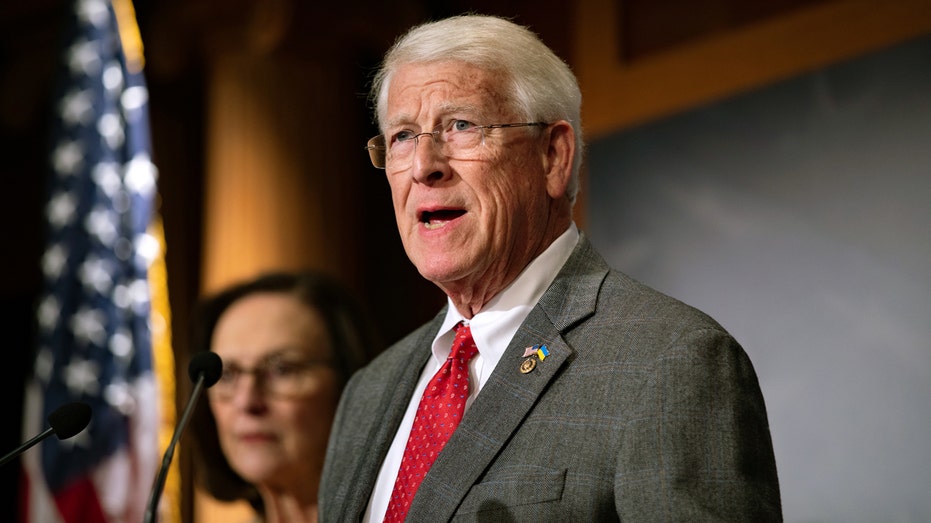
Senate Armed Services Committee Chairman Roger Wicker (R-Miss.) blasted the US-Iran memorandum of understanding Thursday, saying it "negotiates away the victories of Operation Epic Fury in ways that are completely out of step with the President’s goals."
You can always tell when the White House knows it has a problem, when its allies are turning against it, and it has an awkward proposition to sell: It sends out the vice president. “All right. Good morning, everybody. Nothing to talk about,” a beaming JD Vance said as he hopped onto the podium of […]
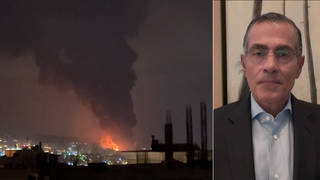
The United States and Iran have officially signed a memorandum of understanding aimed at ending the war in Iran. The 14-point agreement includes an immediate end to fighting on all fronts including Lebanon, an end to the U.S. naval blockade on Iran and the full resumption of maritime traffic through the Strait of Hormuz. It also proposes easing oil sanctions on Iran, unfreezing Iranian assets and launching a $300 billion investment fund to rebuild Iran, all while tabling the question of Iran’s nuclear program, which is instead set to be negotiated over in the coming months. “The United States is more eager for this war to end than Iran is,” says professor Vali Nasr, who teaches at the Johns Hopkins School of Advanced International Studies. “In Iran, they’re very triumphant.” We discuss the long-term effects of the war, from the growing U.S. distrust of Israel, to the new generation of political leaders in the Islamic Republic, to the evolution of Iran into a major power player in an increasingly multipolar world.