Trump Claims Strait Will Be ‘Permanently Toll-Free’ Under Agreement With Iran
In a call to The New York Times, President Trump praised Russia’s and China’s leaders and described Israel’s prime minister as “a very difficult guy.”

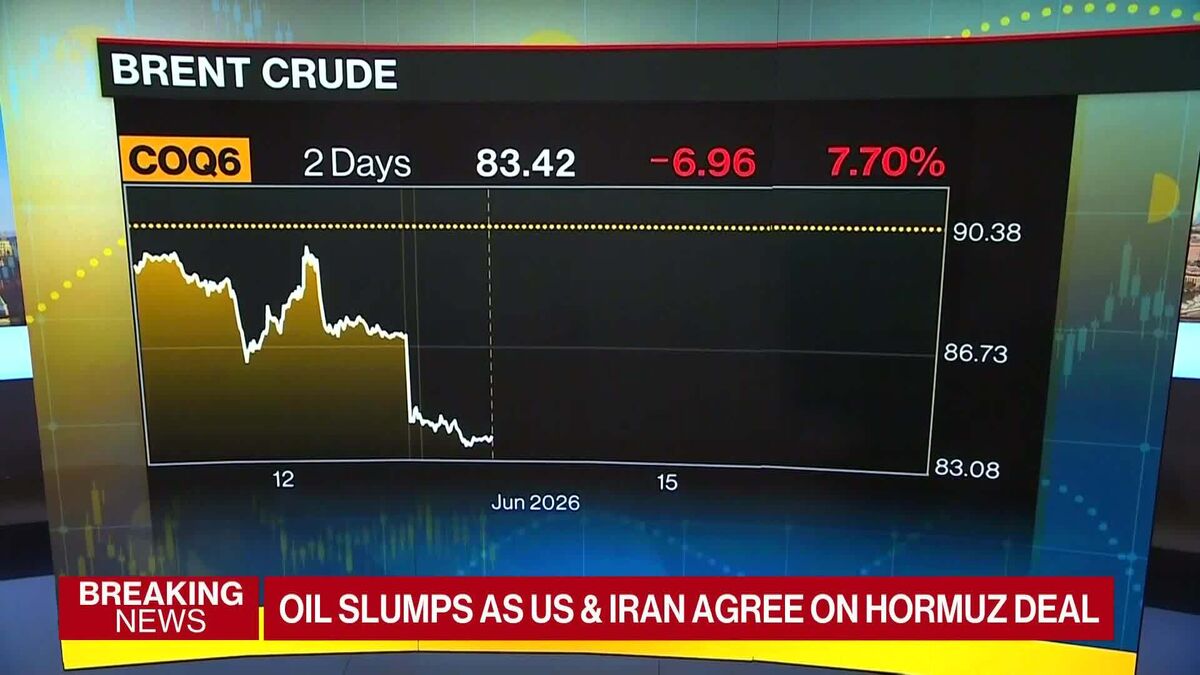
Donald Trump posts ‘Let the oil flow’ as US-Iran peace deal sparks immediate drop for Brent crudeMiddle East crisis: live updatesPeace deal between US and Iran announced, with strait of Hormuz expected to reopenWhat do we know about the US-Iran peace deal – and what questions remain?Global oil prices have tumbled amid fresh hopes that a US-Iran peace deal may end the greatest energy supply crisis in the history of the market.The price of Brent crude dropped 4% to below $84 (£62) a barrel as the new trading week began in financial centres across Asia-Pacific, amid optimism that the strait of Hormuz could reopen shortly and bring a return of Gulf oil exports to the market. Continue reading...
In a call to The New York Times, President Trump praised Russia’s and China’s leaders and described Israel’s prime minister as “a very difficult guy.”
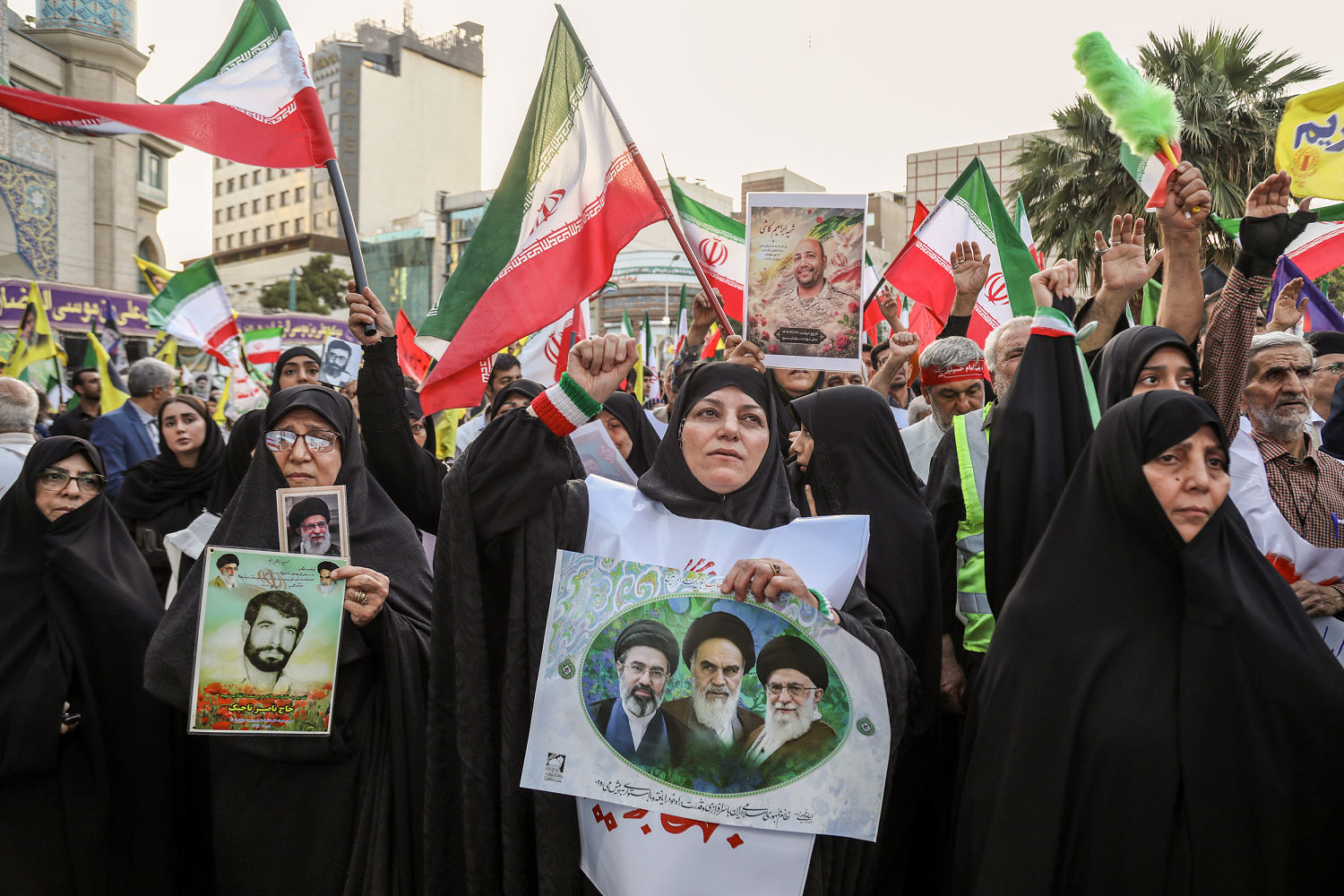
Trump says the oil will flow but state media reports out of Tehran suggest it could be under ‘Iranian arrangements’ ; UFC paying White House fighters in Trump crypto. Key US politics stories from Sunday 14 June at a glanceThe Iranian deputy foreign minister, Kazem Gharibabadi, confirmed in the early hours of Monday an agreement for an “immediate end” to the US-Iranian war, and said Lebanon was included in a peace deal due to be signed on Friday. Pakistan’s prime minister, Shehbaz Sharif, announced the agreement on Sunday afternoon, saying both sides would be declaring “the immediate and permanent termination of military operations on all fronts”.Regional officials said Qatari mediators had travelled to Tehran on Sunday to finalise terms of a memorandum of understanding (MOU). Uncertainty swirled, though, including around whether Israel would end its attacks aimed at Hezbollah in Lebanon, while Iranian hardliners registered their opposition to what they see as capitulation to the US. Lindsay Graham, a Republican senator, said he was pleased to hear about the MOU but added: “I am somewhat concerned that Iran’s view of the agreement seems different than what the American negotiating team is claiming.” Continue reading...
Oil fell after the US and Iran agreed to an interim deal to end their war, potentially allowing the Strait of Hormuz to reopen and easing a supply crunch that has rattled global energy markets. Bloomberg's Stephen Stapczynski reports. (Source: Bloomberg)
President Trump and Pakistan's prime minister announced Sunday night that the U.S. and Iran had completed a deal to end fighting in the Middle East. Mr. Trump also said the U.S. blockade on the Strait of Hormuz would end immediately. Olivia Gazis reports.
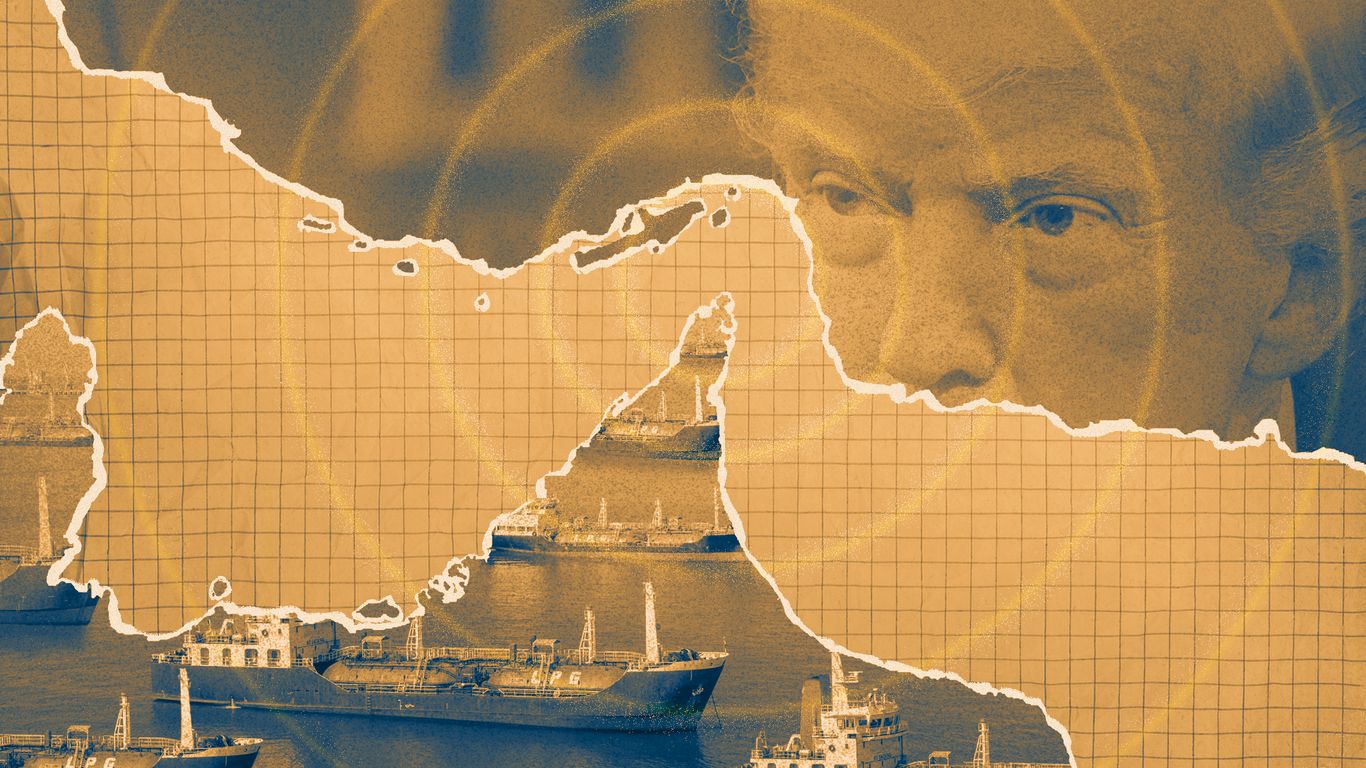
Crude oil prices fell over 4% to their lowest levels in over three months Sunday after the U.S. and Iran agreed to a ceasefire extension that could lead to the reopening of the Strait of Hormuz.Why it matters: Severe restrictions on oil traffic through the strait since the conflict began in late February have created an unprecedented energy shock that's a drag on the global economy.The oil price spike caused U.S. gasoline prices to soar to their highest levels since 2022, adding to GOP political peril ahead of the midterm elections.The latest: The global benchmark Brent crude is down 3.6% to $84.21 per barrel. It initially fell even more steeply before reversing some of the decline.WTI, the U.S. reference, is down over 4% to $81.38 per barrel.Sunday's decline follows prices that had already slid Friday on reports that an agreement was imminent.The apparent agreement could greatly expand tanker traffic through the narrow waterway that handles about a fifth of the global oil trade. Axios' Barak Ravid has the latest on the agreement. Catch up quick: The memorandum of understanding would mark the biggest diplomatic breakthrough of the war and buy time to settle the hardest questions over Iran's nuclear program.What we're watching: Average U.S. gasoline prices soared to a high of roughly $4.56 per gallon in May, but have retreated in recent weeks and now average $4.07, per AAA.That's still over $1 higher than pre-war levels at a time when affordability is front and center in midterm election battles. But prices will likely recede if crude oil prices — the largest variable in retail pump prices — continue to recede. What's next: The disrupted market will take months to fully untangle, but the apparent deal could enable a major increase in tanker transit.But it's not clear how many ship owners and operators will quickly have confidence to move through the waterway.Plus, even if the strait is fully open, Persian Gulf oil producers that cut production when the main export route was cut off will need time to revive it. Go deeper: Gas prices won't return to pre-war levels anytime soon
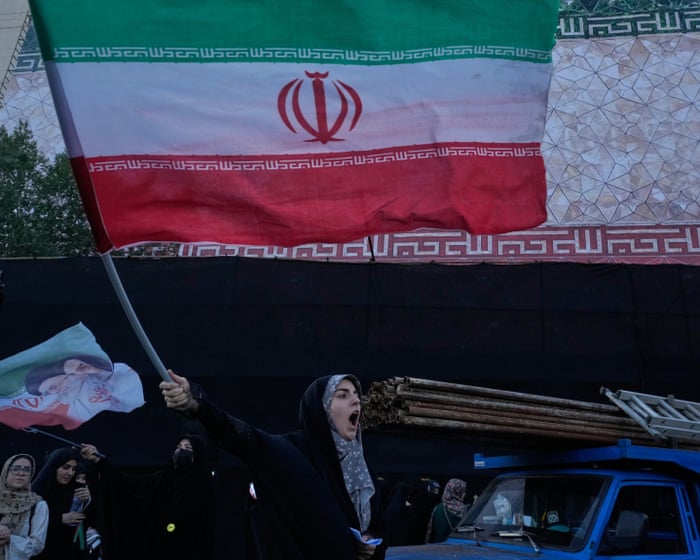
An agreement has been reached between the United States and Iran to end fighting and reopen the Strait of Hormuz, according to President Donald Trump and details of a draft memorandum of understanding released by Iranian state-affiliated media Sunday.
President Trump announces U.S.-Iran peace deal, authorizing the reopening of the Strait of Hormuz and removal of the naval blockade with a signing set for Friday.
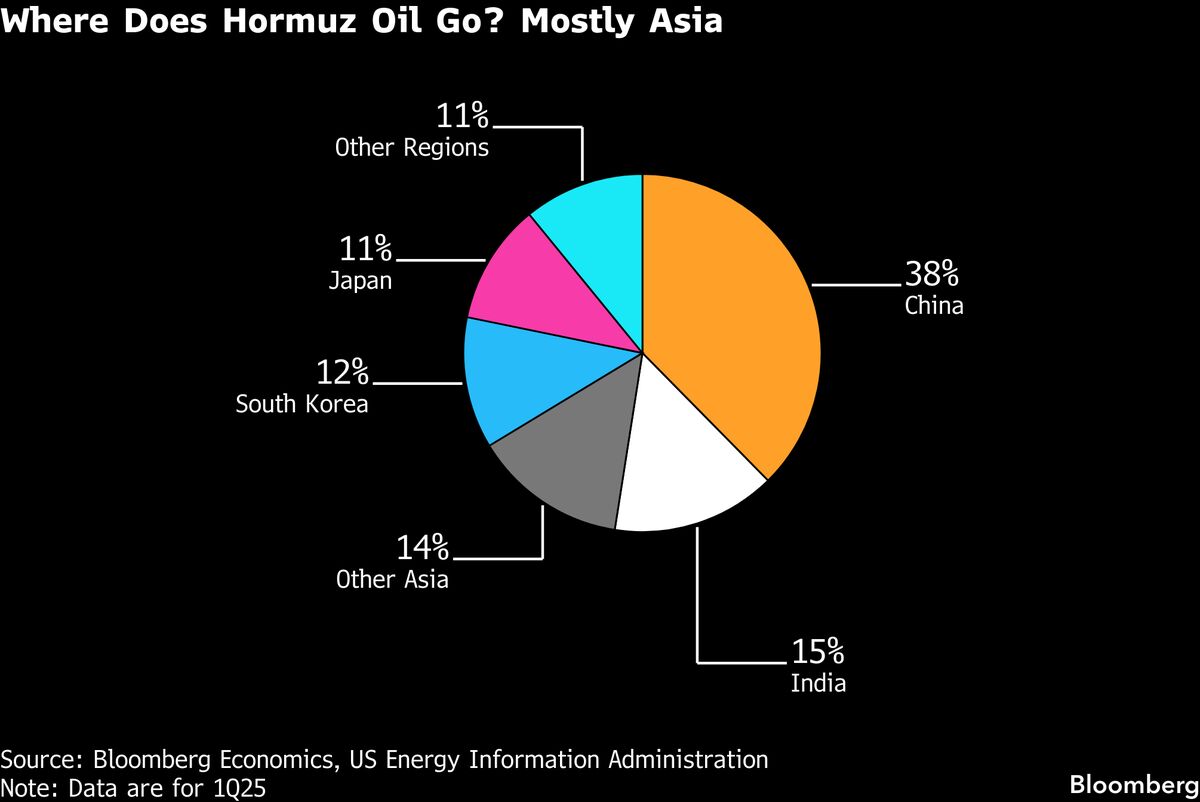
Asia was quick to welcome the US-Iran deal to reopen the Strait of Hormuz, through which most of the region’s energy supplies flow. But many warned it’s too early to say if that will offer long-term relief to the world’s most populous and fastest-growing region.