MLS weekend wrap: Tough times for Phil Neville and some very, very late goals
Source: US news | The Guardian · Bias: Center Left
Summary
Atlanta United ended a long drought, there were dramatic finishes to a batch of games and Carles Gil finally has some supportOn 28 May 2025, Atlanta United thrilled their home fans with a stoppage-time winner against Orlando City. Jamal Thiaré’s match-winner pulled the club within five points of the playoff places after 16 games, and the team hoped to harness the momentum for a rosier second half of the season. Continue reading...
MLS weekend wrap: Tough times for Phil Neville and some very, very late goals
Center Left
Atlanta United ended a long drought, there were dramatic finishes to a batch of games and Carles Gil finally has some supportOn 28 May 2025, Atlanta United thrilled their home fans with a stoppage-time winner against Orlando City. Jamal Thiaré’s match-winner pulled the club within five points of the playoff places after 16 games, and the team hoped to harness the momentum for a rosier second half of the season. Continue reading...
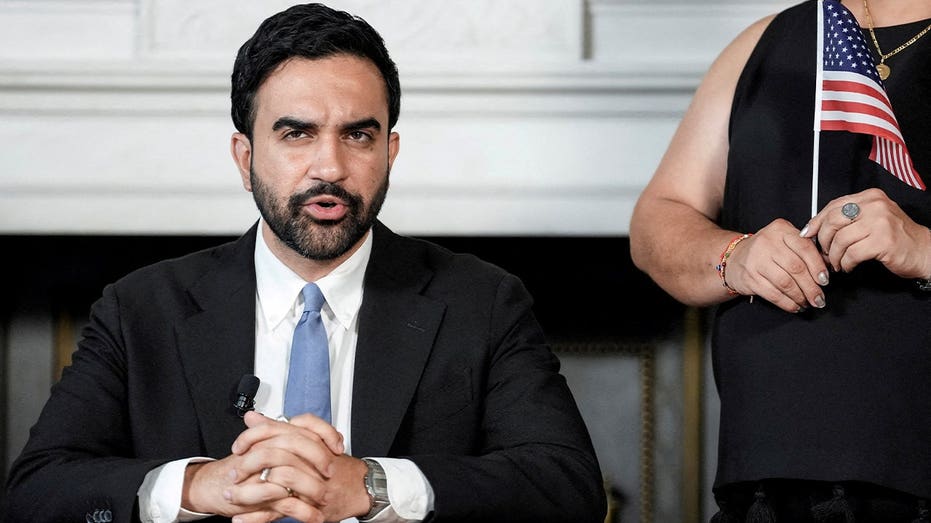
Iran's entire regime made a red carpet entrance to the first of three funeral ceremonies for late Supreme Leader Ali Khamenei — except the dead ayatollah's own son and successor.
Two major polls of the Maine Senate race dropped this week, and they told the same story: The race is incredibly close, and Democrat Graham Platner has real work to do among the working class. He's running an aggressively left-populist, anti-establishment campaign targeting the billionaire class-and boasts lots of blue-collar appeal-but GOP Senator Susan Collins is way ahead among those voters. Why?
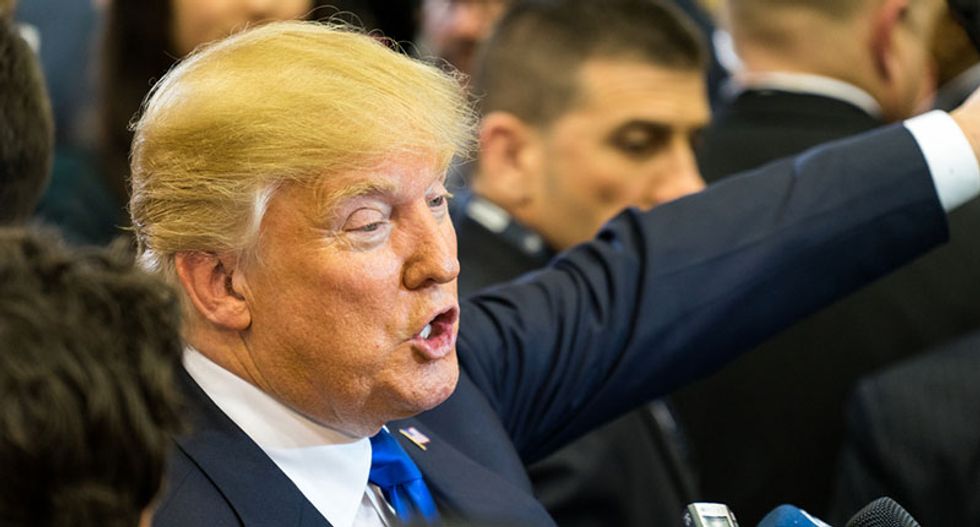
The Trump administration is asking a federal judge to quickly lift her recent ruling against major provisions of a presidential executive order on elections, arguing in an appeal that the court’s action will effectively prevent the government from putting new voting restrictions in place before the November election.This article was originally published by Votebeat, a nonprofit news organization covering local election administration and voting access.Last week, U.S. District Judge Indira Talwani halted President Donald Trump’s efforts to create centralized lists of adult citizens and give the U.S. Postal Service unprecedented authority over who can vote by mail. Her 37-page ruling concluded that the president did not have the constitutional authority to regulate state elections, as his March executive order tried to do.The executive order directed the U.S. Department of Homeland Security and Social Security Administration to create a nationwide list of verified U.S. citizens over 18, and thus presumably eligible to vote in federal elections. It also called on the U.S. Postal Service to create a system to handle and accept mail-in ballots only from voters on preapproved lists.Talwani’s order prevents the federal government from enforcing those provisions of the order against the 24 jurisdictions (23 states and the District of Columbia) whose attorneys general and governors brought the lawsuit in federal court in Massachusetts. The list includes most Democratic-led and swing states, including Arizona, California, Michigan, Nevada, New York, North Carolina, Pennsylvania, and Wisconsin.This week, the Trump administration appealed Talwani’s ruling to the First Circuit Court of Appeals and said it is still proceeding with its efforts to set up the new system for the rest of the states. But it warned that the judge’s order will make it impossible for the U.S. Postal Service to create a bifurcated system for the November election, even if the administration ultimately prevails on appeal. Government attorneys asked Talwani to lift her ban by Monday.The request for a quick decision suggests that the Trump administration may be trying to speed things up so the case reaches the U.S. Supreme Court as soon as possible.“Operationally, it would not be possible for us to put a two-tiered system in place where one set of rules apply to the ballot mail of the Plaintiff States, and another applies to the remaining states,” Steven Monteith, the Postal Service’s chief customer and marketing officer and executive vice president, said in a court filing. “Doing so would cause operational confusion and significantly increase the complexity and efficiency of implementing any final rule.”But the Trump administration’s nationwide efforts to use the Postal Service to regulate who gets ballots also hit a separate legal roadblock this week when another federal judge in Washington, D.C., ruled that the executive order violates a years-old agreement requiring the federal government to ensure voters who request mail-in ballots get them in time to ensure they can be counted.U.S. District Judge Emmet Sullivan concluded that the Trump administration’s plans to send ballots only to voters on preapproved lists breached a 2021 agreement between the Postal Service and the NAACP meant to ensure that the agency prioritized ballot delivery. In contrast to Talwani’s ruling, Sullivan’s decision applies nationwide.“These proposed rules directly undermine commitments that the Postal Service made to ensure mail-in ballots are delivered and counted,” said Anthony Ashton, senior associate general counsel for the NAACP, in a statement.The U.S. Postal Service and Department of Homeland Security did not respond to requests for comment.Dion Nissenbaum is Votebeat’s senior national reporter and is based in Houston. Contact Dion at dnissenbaum@votebeat.org. Votebeat is a nonprofit news organization covering local election integrity and voting access. Sign up for their newsletters here.
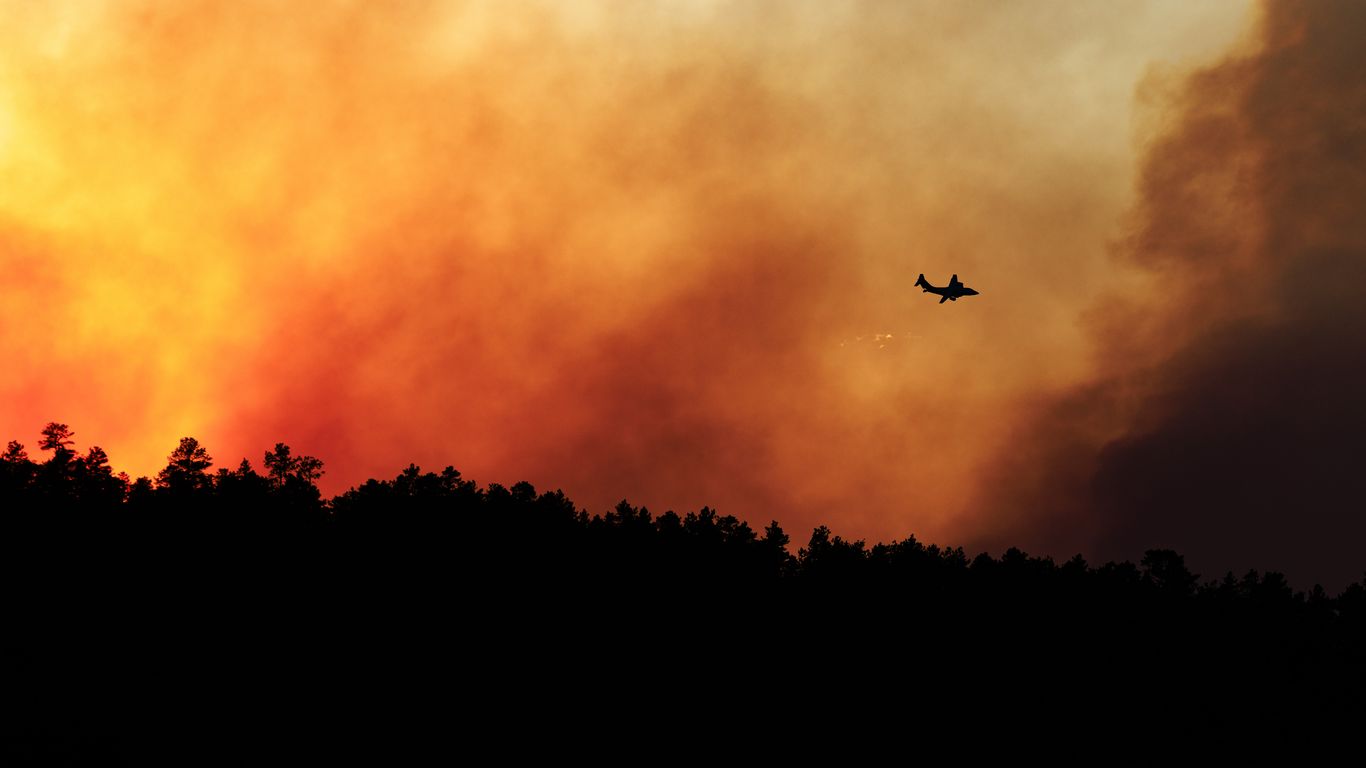
Extreme heat, drought and dangerous fire weather are raising wildfire risks across the U.S. West heading into the July 4 weekend.Why it matters: Millions of Americans celebrating Independence Day face fireworks restrictions as officials warn that a single spark could ignite fast-moving wildfires in areas already strained by extreme heat and drought.Mandatory evacuation orders are in effect in parts of Utah and Colorado due to massive blazes in those states.Driving the news: "Dangerous, record-breaking heat" continues across the central and eastern U.S., with the most intense heat shifting east through Independence Day weekend, the National Weather Service warns. Heat indexes of up to 115°F are possible, and temperatures are set to hit 105°F or higher in Washington, D.C., this weekend.Widespread drought conditions have fueled an unusually active wildfire season in Florida.Several areas of the West and Great Plains are in extreme or exceptional drought, which, combined with recent heat waves, has increased the likelihood of wildfires.Case in point: Utah officials report that more than 300,000 acres have burned this season.The Cottonwood Fire alone has burned more than 92,000 acres. Two other major fires near Eureka have burned about 70,000 acres combined.Fire threat level elevatedState of play: Counties nationwide have issued fireworks bans to reduce the risk of fires during July 4 celebrations.Fire danger is elevated nationwide, with at least 49 large fires burning across 13 states as of Thursday, per the National Interagency Fire Center.Conditions are particularly dangerous across the Four Corners and the Great Basin.Zoom in: Gusty winds, low humidity, dry thunderstorms and near-record- to record-dry fuels have ignited new fire starts and rapid fire spread across the eastern Great Basin and Four Corners. Colorado, Utah, New Mexico, Nevada and Oregon have major topsoil moisture deficits, according to the U.S. Drought Monitor.Red flag warnings were in effect Friday across the interior West, including parts of Utah, Colorado and New Mexico.By the numbers: Wildfire activity is well above average this year. Through June 30, acreage burned was 157% of the 10-year average, while 36,262 wildfires had been reported — 133% of average, according to the National Interagency Fire Center's July outlook.Between the lines: "Climate change, including increased heat, extended drought, and a thirsty atmosphere, has been a key driver in increasing the risk and extent of wildfires in the western United States during the last two decades," NOAA notes.The congressionally mandated National Climate Assessment notes that Western wildfires have become larger, hotter, more destructive and deadlier due to multiple factors, including climate change.How wildfire danger is affecting July 4 fireworksSome U.S. counties and cities have issued fireworks bans amid extreme heat or drought, including parts of the Nebraska Panhandle, New Mexico and Colorado Springs.Multiple Florida counties remain under burn bans that limit bonfires, trash burning and fireworks.Utah has implemented statewide fireworks restrictions. Gov. Spencer Cox said the ban was in response to "the reality that is with us, not the one that we wish we had."What we're watching: More wildfire activity is possible if prolonged extreme heat worsens drought conditions.Fireworks safety tips for July 4 weekendWhat they're saying: The U.S. Consumer Product Safety Commission advises Americans to never use homemade fireworks and always keep water nearby "in case of fire or to safely soak used fireworks."The CPSC recommends that you "leave fireworks to the professionals and enjoy public fireworks displays in your community." Go deeper: America's 250th fireworks party collides with burn bans