Higher energy prices might eat your tax refund, economists say
Source: Axios · Bias: Center Left
Summary
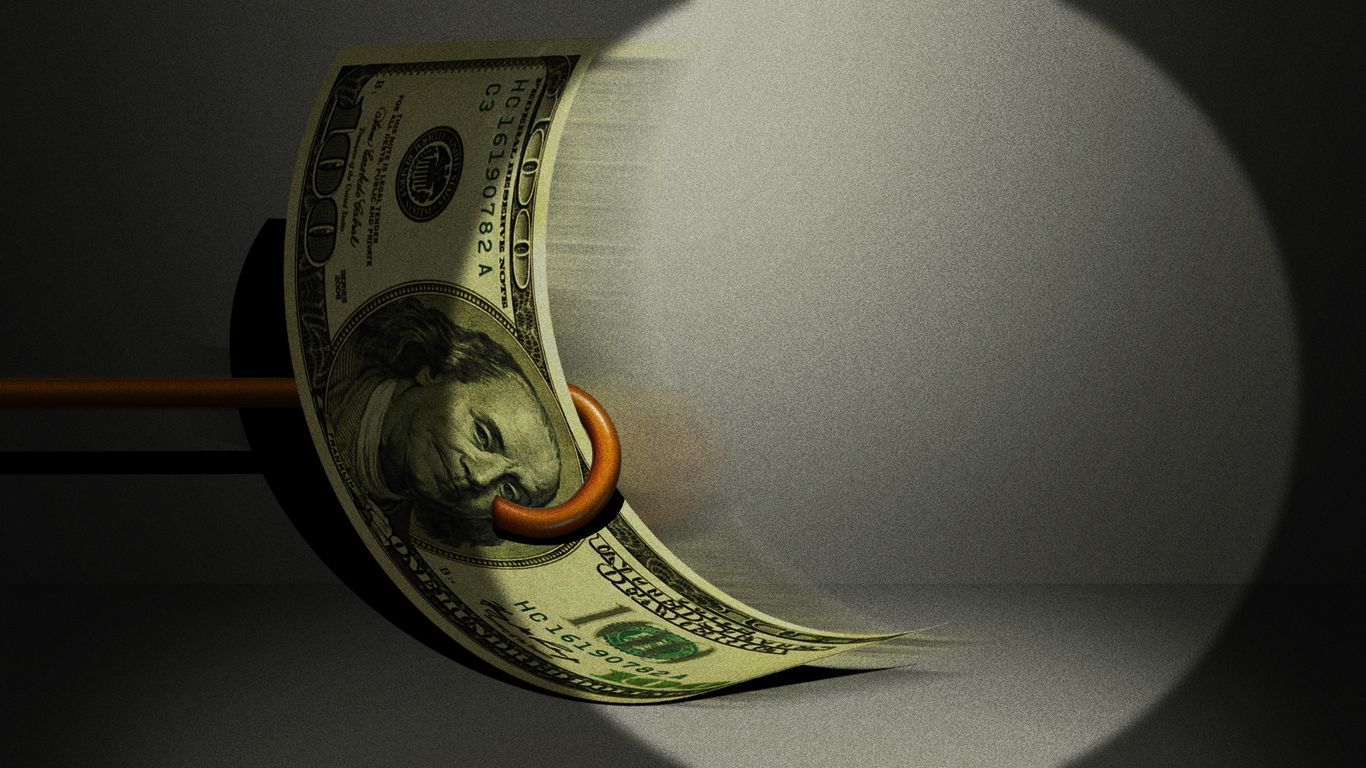
What the taxman giveth, the energy shock taketh away. That's the upshot of the arithmetic around how much the average American household is on track to pay for higher gasoline prices this year.Why it matters: Forecasters have been betting on an economic tailwind this year from super-sized tax refunds, thanks to tax legislation passed last year.New calculations from the Stanford Institute for Economic Policy Research, however, suggest that the benefits of higher tax refunds will be roughly offset by higher prices for crude oil and refined oil products in the wake of the Iran war.By the numbers: The Stanford economists modeled the hit the average U.S. household will face if the most recent Goldman Sachs crude oil forecast — which assumes a three-week closure of the Strait of Hormuz with prices mostly retreating to pre-war levels by June — comes true.They find that in this scenario, retail gasoline prices peak at $4.36 a gallon in May before declining slowly. That would mean the average household spending $740 more in gas costs this year compared with pre-war forecasts.That is similar to the $748 in additional refund money that the Tax Foundation projects the average household will receive due to the One Big, Beautiful Bill Act.Other estimates of the extra refund cash flowing into Americans' bank accounts this tax season are smaller. In IRS data so far this filing season, the average refund is up only $360.Reality check: Each side of this equation involves great uncertainty. The energy price outlook is a forecast, not reality, and serious forecasting shops have a range of estimates for the tax refunds.Moreover, average figures "mask substantial variation across households," note Stanford's Neale Mahoney, Jared Bernstein, Caleb Brobst and Ryan Cummings."Non-drivers and electric vehicle owners face no increase at the pump, while households with long commutes may face considerably higher costs," they write.State of play: The oil price shock — a gallon of regular unleaded gasoline averaged $3.84 Wednesday morning, up from $2.92 a month ago — amounts to a tax on households, because most people can't radically change their energy consumption habits on short notice.People need to drive to work and the grocery store, and to heat their homes, so higher energy prices tend to either cause households to cut other spending or reduce savings rates.Higher energy prices also raise airfares and shipping prices, which exerts upward pressure on the prices of virtually all goods.There are some offsets in terms of overall economic growth — energy-producing companies and regions can see higher incomes amid higher oil prices — but those benefits tend to be more concentrated.The bottom line: Higher energy prices "will be a meaningful drag on spending growth this year," wrote Michael Pearce, the chief U.S. economist at Oxford Economics, "more than offsetting the fiscal boost from larger tax refunds that is feeding through at the same time."
Related Coverage
- When Teen Chaos Meets a Country Afraid to Say No (Right — PJ Media)
- Big Oil heads for biggest profits in years as Trump pushes for lower gas prices (Right — New York Post)
- Europe Has Replaced Most US Cuts Within NATO, Top Commander Says (Center — Bloomberg Politics)
- This Republican Has a Wild Idea for Fixing Housing Prices: Let the Market Actually Work (Far Right — Townhall)
- Pay-to-play cycle behind GOP's corporate tax cuts exposed in new report (Far Left — Raw Story)
- Americans hit the road in record numbers for 4th of July — in spite of high gas prices (Right — New York Post)
- Bessent on Trump accounts, gas prices and wage growth (Center — Politics - CBSNews.com)
- Lakers’ trade for Walker Kessler worth steep price — and needed to happen (Right — New York Post)
More Headlines From March 18, 2026
- Trump's warmonger bestie tears into European allies with a chilling warning on Strait of Hormuz (Right)
- US bunker-buster bombs hammer Iranian anti-ship missile sites near Strait of Hormuz (Right)
- Mullin Details Trump’s Care for His Injured Son During 2020 Election Year: 'He Called Almost Every Day' (Far Right)
- Trump Warns Allies: Help Fight Iran Or Secure The Strait of Hormuz Yourself (Right)
- GOP fiscal hawks open to new Iran war funding without spending offsets (Center Right)