China is the Iran war's biggest winner. It never fired a shot
Source: Axios · Bias: Center Left
Summary
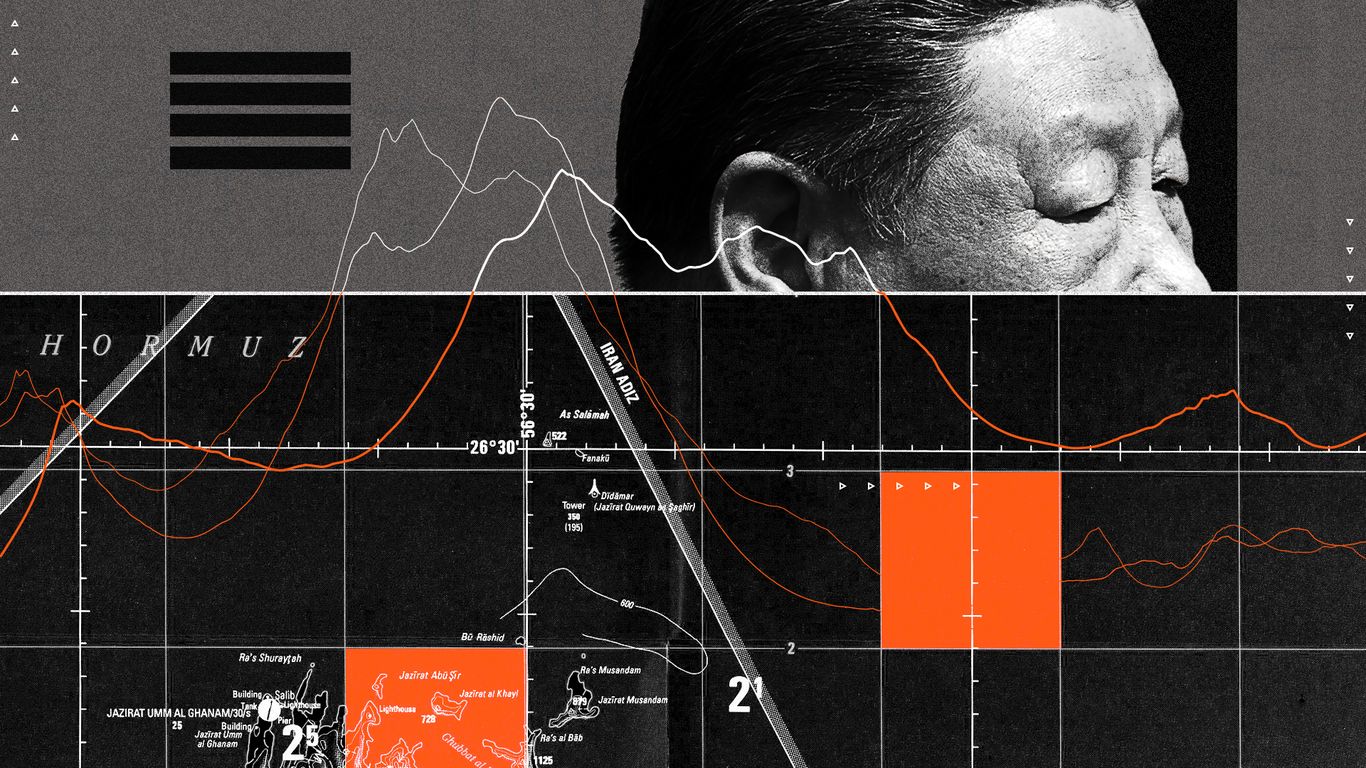
Chinese President Xi Jinping has spent the Iran war doing what he does best — patiently exploiting America's distraction and discord.Why it matters: The conflict allowed China to bolster its diplomatic leverage, clean-energy muscle and intelligence on the U.S. military — all without firing a shot or spending a dollar.The implications touch supply chains, energy procurement, geopolitical risk, and the race for superior AI and weaponry.Even with progress toward a framework for peace between the U.S. and Iran, significant disruptions continue in the Strait of Hormuz. The strategic damage is done.The military impact is the part that should scare the hell out of Pentagon planners.The U.S. committed roughly 80% of its JASSM-ER stealth cruise missile inventory to the Iran fight, pulling stockpiles from the Pacific to feed it. The conflict significantly depleted U.S. supplies of Tomahawk and Patriot missiles, THAAD interceptors and drones. Beijing got a free masterclass in modern American warfighting: how we use AI to target, how we rotate carrier groups, how cheap Iranian drones drain our most expensive interceptors. For Chinese war planners gaming out a Taiwan invasion, it was better than any simulation.On energy, China emerged as a huge winner of the ongoing Hormuz shockwaves.When oil and gas supplies get weaponized, import-dependent countries accelerate renewables. China owns over 70% of global solar, wind, battery and electric vehicle supply chains. The longer Hormuz stays disrupted, the deeper the world's dependency gets. The war was the stress test that Beijing's energy strategy was designed for. Yes, roughly half its oil imports transit Hormuz. But the country is 85% energy self-sufficient. Renewables plus nuclear now exceed 20% of China's total energy consumed, passing oil as the No. 2 source last year. Its strategic petroleum reserves are full.The diplomatic optics couldn't have been better for the Chinese. While Trump was threatening to bomb Iran "back to the Stone Ages," Beijing was quietly helping Pakistan bring both sides to the table in Islamabad — while capitals from Riyadh to Jakarta are weighing which superpower to align with.As Ian Bremmer points out, America's allies saw the U.S. pull missile defense assets from South Korea, leave allies in Asia without Patriot coverage, and shift naval power from the Pacific to the Gulf. The message received in Seoul, Tokyo, Canberra and Taipei: American security commitments have an asterisk. China's AI push got a clear boost from the war's second-order financial consequences.The Gulf's massive AI buildout — billions from Microsoft, Oracle, Nvidia and others — faces indefinite geopolitical risk after Iranian strikes on AI-related targets across the region.China already has the world's second-largest AI compute capacity. It doesn't need Gulf cooperation to scale. Every dollar of Western investment that stalls in the Gulf is a dollar that doesn't build an alternative to Chinese infrastructure.The rare earths piece, out of sight for most Americans, might be Beijing's biggest asset right now.There's currently no heavy rare-earth separation capacity in the U.S. at meaningful scale. China controls roughly 70% of rare-earth mining and 90% of separation and magnet manufacturing. New Pentagon procurement rules banning Chinese-sourced rare earths take effect in 2027 — but domestic alternatives won't be ready for years.The weapons the U.S. fired in Iran — Tomahawks, JDAMs, Predator drones — all require rare earths for their precision guidance systems. Every smart weapon expended made America more dependent on Chinese supply chains that it's racing, but failing, to replace.Reality check: Xi's advantage isn't unlimited, even as China's economy revved up in Q1. If the Hormuz disruptions drag on, a sustained energy shock across Europe and Asia could collapse demand for Chinese exports. Chinese officials recently told Axios reporters that Beijing wanted the war to end as soon as possible. What China ultimately craves, the officials insisted, is geopolitical and economic stability. But they also seemed to revel in the idea that countries around the world were turning to China for some semblance of stability, at a time when the U.S. appeared recklessly impulsive.The bottom line: The country that may have gained the most from this war never fired a shot.Axios' Dave Lawler and Shane Savitsky contributed.📈 If you're a CEO or on a CEO's team: Ask to join Jim's new weekly Axios C-Suite newsletter.Smart deeper dive: Ian Bremmer, "How the Iran war made China stronger."
Related Coverage
- Happy Freedom 250! Acting DNI Bill Pulte Fires More “Deep State” Intel Officials (Far Right — The Gateway Pundit)
- REPORT: Acting DNI Bill Pulte Fires Dozens of ODNI Staff for Politicizing Intelligence, Insubordination, Gross Misconduct (Far Right — The Last Refuge)
- What Is Iran Building Now in the Zagros Mountains? (Right — RedState)
- Iran's control of the Strait of Hormuz remains a powerful bargaining chip (Center — NPR Topics: News)
- Big Oil heads for biggest profits in years as Trump pushes for lower gas prices (Right — New York Post)
- Iran threatens response without ‘full implementation’ of US deal (Center — The Hill News)
- Iran’s supreme leader bails on first day of late dad’s funeral ceremonies (Right — New York Post)
- Trump team believed Israel plotted assassinations to derail Iran talks: reports (Far Left — Raw Story)
Daily Analysis
Read the full Parallax Pulse for April 19, 2026 — an AI-powered analysis of how Left and Right media covered the biggest stories this day.
More Headlines From April 19, 2026
- Eight Children Killed in Louisiana Shooting (Center)
- Trump renews bridge, power plant threat against Iran in push for deal, mocks 'tough guy' IRGC (Right)
- ‘Come at me. Bring it on’: Kash Patel to sue ‘fake news mafia’ over claims of ‘excessive drinking and unexplained absences’ (Far Right)
- Mamdani Says Second-Home Levy Plan Is Key Step to Tax the Rich (Center)
- The Chief Justice Didn’t Hate President Obama | Interview: Gov. Kevin Stitt (Center Right)