President Trump blasted critics of the Iran deal as "fools" for not thinking he was tough on Tehran, describing them as "either jealous, bad people, or stupid."
The tentative memorandum of understanding (MOU) between the U.S. and Iran went into “immediate effect” after President Trump and Iranian President Masoud Pezeshkian signed it on Wednesday, according to Pakistani Prime Minister Shehbaz Sharif. Sharif, who served as the top mediator between Iran and the U.S., said signing the 14-point MOU demonstrated “the commitment of…
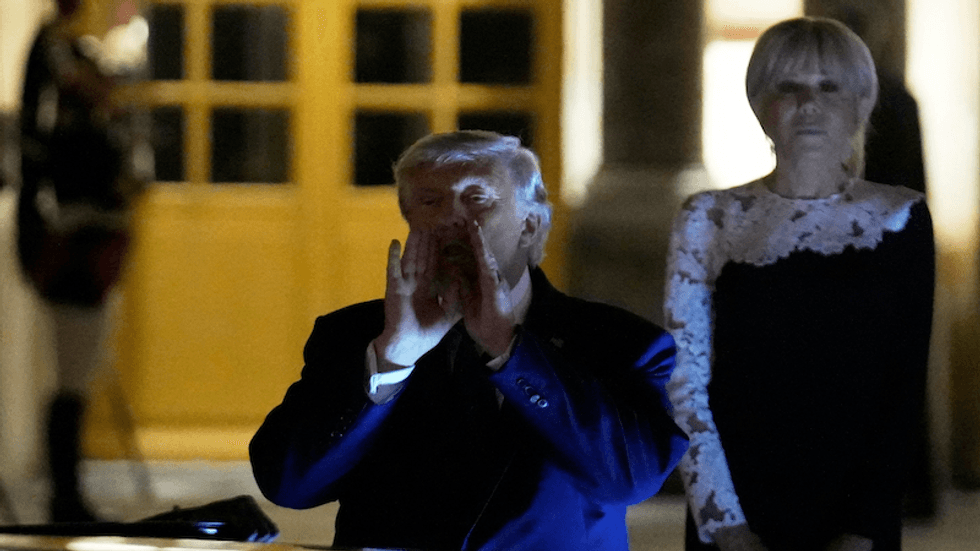
President Donald Trump signed an agreement aimed at ending his war in Iran, but many noticed the symbolism of the location he chose to do it.The 80-year-old president signed the so-called memorandum of understanding Wednesday during a dinner with French President Emmanuel Macron in Versailles, the historic setting of the 1919 treaty that ended World War I, and CNN's Audie Cornish asked her panelists about his choice."This was signed at Versailles," she said. "Lots of things have been signed at Versailles. But usually when you call something a Versailles treaty, it's, in foreign language policy land, kind of an insult, right? It's a self-defeating agreement. What's your response to the critics out there who are making those analogies?"Germany signed the original Treaty of Versailles under protest, and the severe penalties it imposed ultimately destabilized its government and led to the rise of Adolf Hitler, and the "CNN This Morning" panelists agreed the symbolism was strange."President Trump didn't have to sign that peace deal at Versailles today," said Middle East expert Sina Azodi. "He could have had an agreement in February before he decided to go to war. He was dragged into a war of choice that didn't have to [and] 13 Americans died, billions of dollars [were] spent. He could have taken the deal that the Iranians had offered, and it was a pretty good deal compared to the [Joint Comprehensive Plan of Action], and I know that President Trump is very sensitive to the war and JCPOA and Obama. But that was a very good deal that he had on Feb. 26 in Geneva.""Well, the hope is from the White House that 60 days from now, whatever they have will be much better than happened in 2015," Cornish added. - YouTube youtu.be
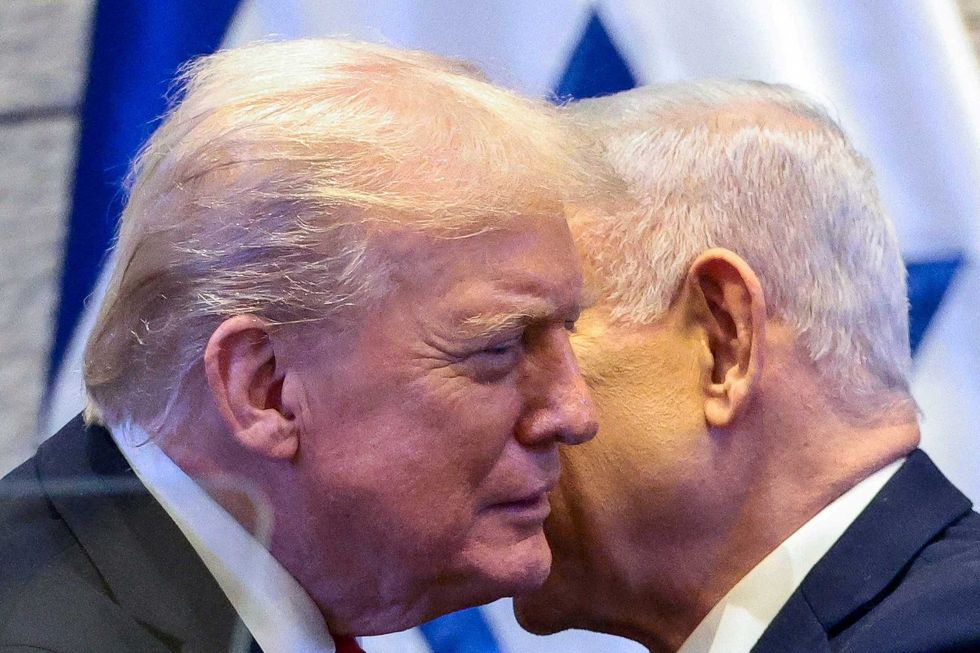
According to former CIA official Marc Polymeropoulos, Donald Trump’s Iran deal, which has set off a deluge of criticism within the Republican Party, has left the leadership of Israel in a state of shock.Appearing on MS NOW with “Morning Joe” co-host Willie Geist, Polymeropoulos, who just returned from Tel Aviv, claimed he found a sense of betrayal during his visit. Geist prompted the 26-year veteran of the CIA with, “Marc, take us to Tel Aviv this morning. And what Bibi Netanyahu must be thinking; that he got his man in the White House in Donald Trump, that he went to the Situation Room, sold the war successfully. He thought that Donald Trump, the United States military, would come in and finish off Iran, take out the regime, and now he sits here this morning with this memorandum of understanding anyway, with explicit language that says there can be no attacks on Lebanon.”“So the Israelis I speak with are in a state of panic, one former Mossad official said, literally, ‘I can't believe this is happening,’” he reported. “But in some ways they should have known better,” he explained. “And one analyst actually told me, ‘Look, you know, Benjamin Netanyahu decided to ride the tiger — that's Donald Trump. And the tiger just turned around and just bit him on the rear end.’”“And like many of us predicted he would, he continued, “Because Trump was no dedicated, you know, savior. He was not the messiah for Israel. He's too transactional.”“Let me just add one quick thing, Willie,” he insisted. “Let's not forget at the end of the Biden administration, if you calculate what President Biden did after October 7th, he gave the Israelis $18 billion in military aid. Yet somehow, he is seen as not a supporter of Israel. That was preposterous. And right now, I think the Israelis are realizing that Trump was not who they thought he was, and that this MOU actually puts them in a very precarious national security situation, particularly in terms of ballistic missiles and what to do about Hezbollah, a terrorist entity sitting on their northern border.” - YouTube youtu.be
The full U.S.-Iran memorandum is finally public, and critics say the agreement gives Tehran major concessions on both its nuclear program and control of the Strait of Hormuz. We break down what changed from earlier drafts and what it could mean for gas prices, global security, and President Trump’s promise that Iran would never get...
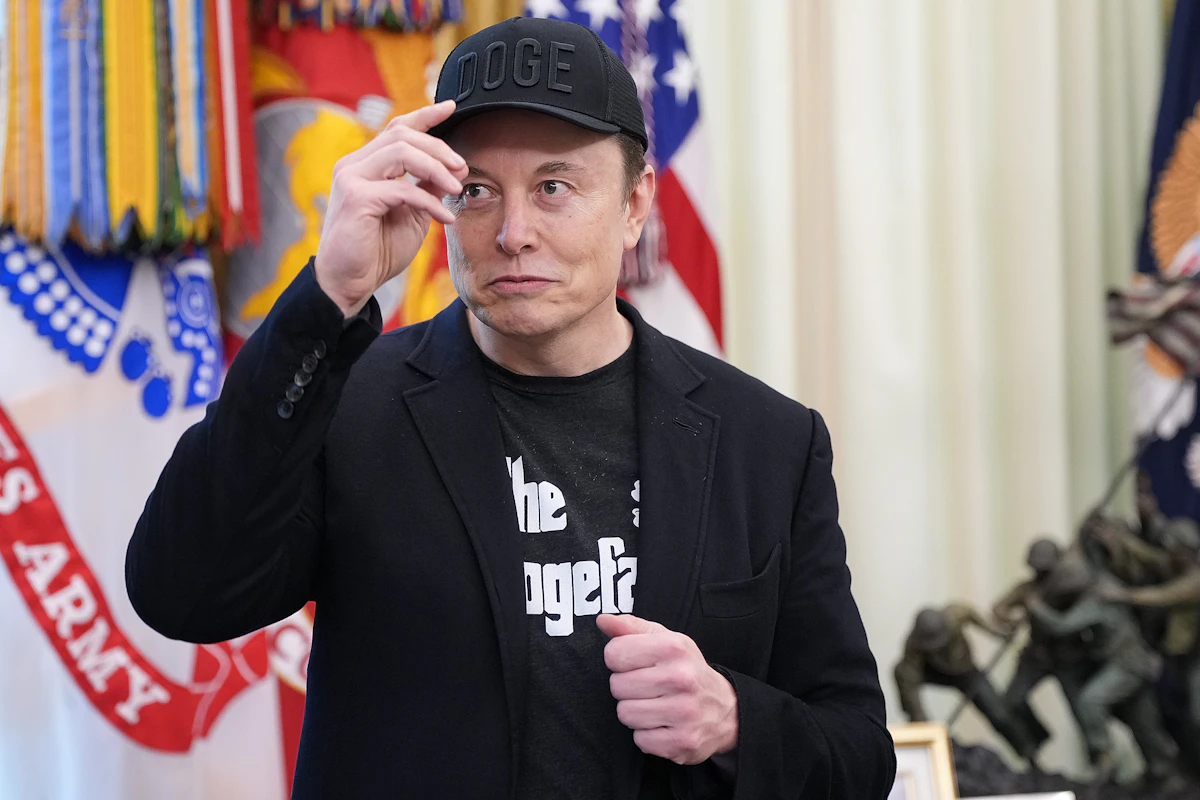
The Department of Defense revealed it used Elon Musk’s Grok AI to fire 2,000 missiles at Iran.In a sworn statement in federal court, the DOD’s chief digital and artificial intelligence officer, Cameron Stanley, defended the chatbot’s existence as a “a matter of paramount national security,” saying that it was used to fire “2,000 munitions at 2,000 distinct targets within 96 hours” in the Iran war.Musk’s artificial intelligence company xAI is being sued by the NAACP in Mississippi for allegedly running at least 57 gas-burning turbines to power its Colossus 2 data center without the necessary permits or pollution controls required by the Clean Air Act. Stanley issued his statement as part of the federal government’s effort to get the lawsuit tossed out on national security grounds.It’s the first time that the Trump administration has admitted to using Musk’s AI in the Iran war, following reports that the military may have used AI targeting in its bombing of a girls’ school in Minab, Iran, that killed at least 175 people. Last year, the DOD awarded xAI a $200 million federal contract to install “Grok for Government” into its systems, ignoring a laundry list of issues with the platform.Grok has often gone on antisemitic rants; it has pushed debunked claims of white genocide in South Africa, insulted X CEO Linda Yaccarino with sexual comments, and been used to generate explicit photos of women and children. Other government agencies even see the tool as a security risk. Why, then, is the DOD defending its existence and continued use for the military?