
The Dispatch
AI Divides Spiritual Leaders in the Wake of Magnifica Humanitas
AI forces religious leaders to reckon with the difference between ‘new’ and ‘novel’ technology.
Center Right

The U.S. government’s decision to block access to AI models for foreign nationals shows it increasingly views the technology as a national security asset.
AI forces religious leaders to reckon with the difference between ‘new’ and ‘novel’ technology.
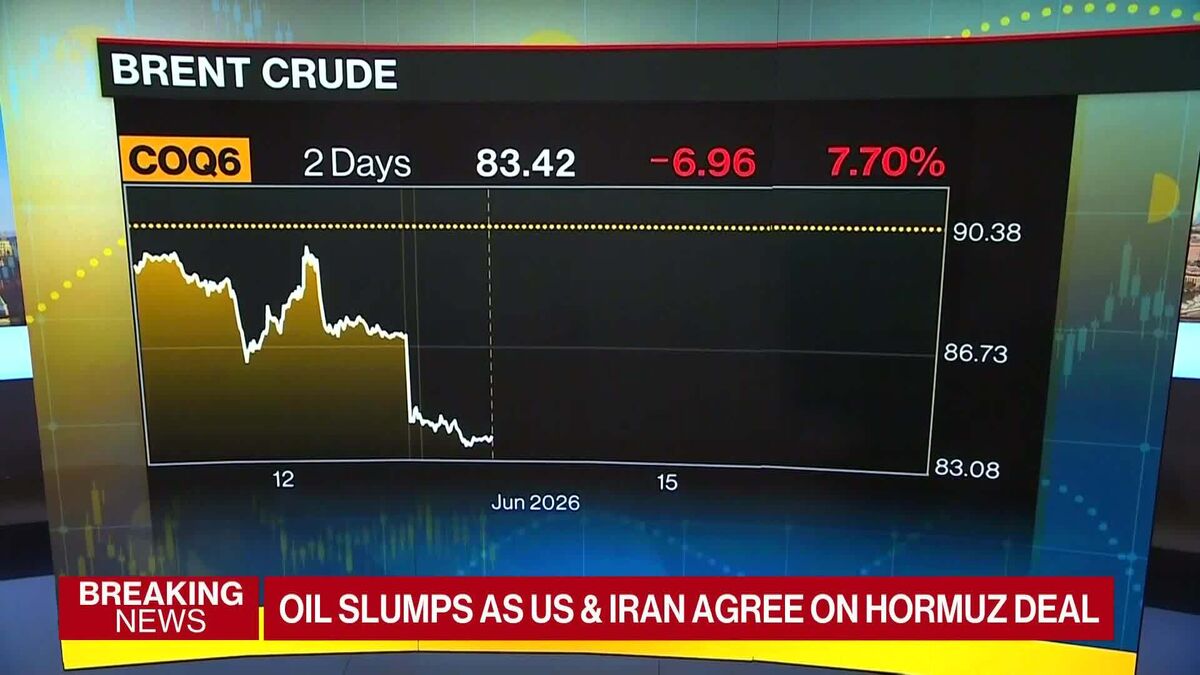
Oil fell after the US and Iran agreed to an interim deal to end their war, potentially allowing the Strait of Hormuz to reopen and easing a supply crunch that has rattled global energy markets. Bloomberg's Stephen Stapczynski reports. (Source: Bloomberg)

Former Vice President Mike Pence cast doubt on the possibility of a deal between Iran and the U.S. over the two countries’ war shortly before President Trump announced a deal has been reached on Sunday. “My concern right now is not with the intentions of the president. Look, I think the president has earned a [...]
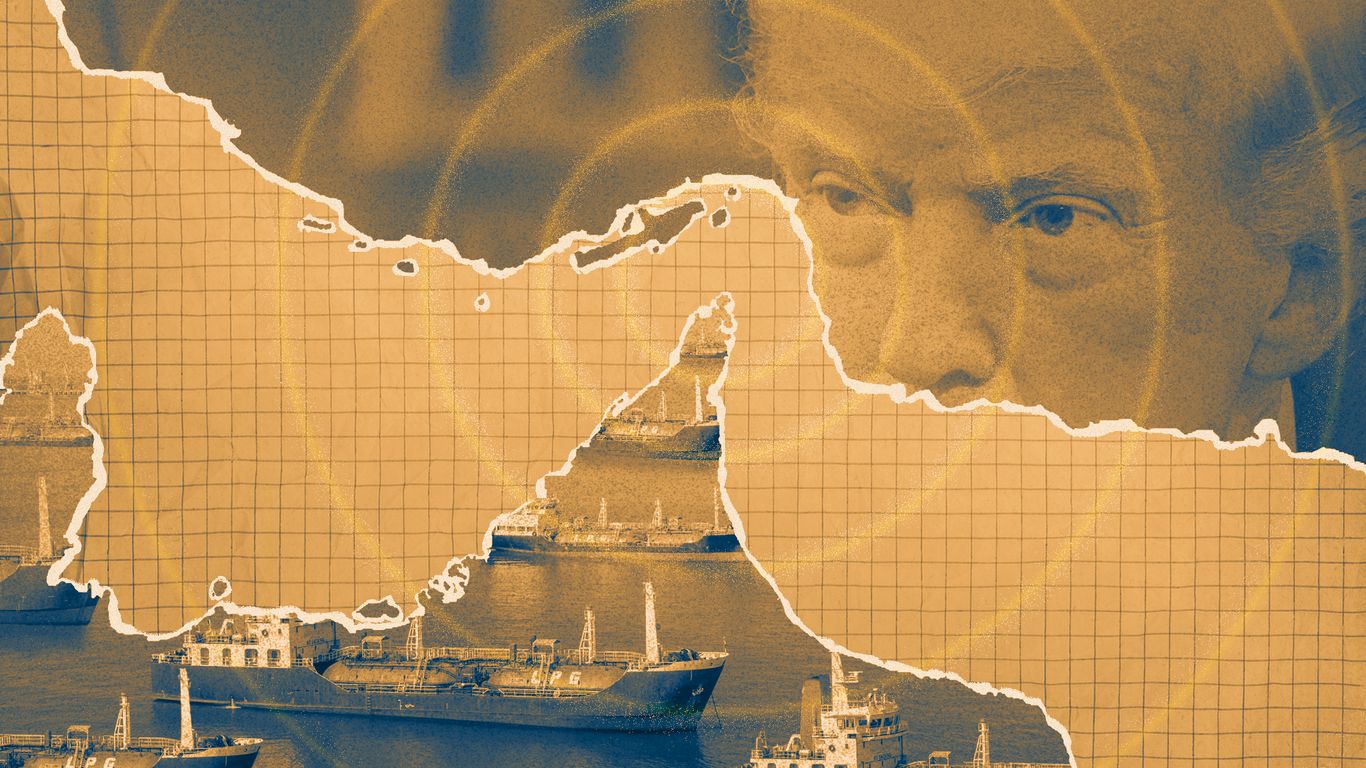
Crude oil prices fell over 4% to their lowest levels in over three months Sunday after the U.S. and Iran agreed to a ceasefire extension that could lead to the reopening of the Strait of Hormuz.Why it matters: Severe restrictions on oil traffic through the strait since the conflict began in late February have created an unprecedented energy shock that's a drag on the global economy.The oil price spike caused U.S. gasoline prices to soar to their highest levels since 2022, adding to GOP political peril ahead of the midterm elections.The latest: The global benchmark Brent crude is down 3.6% to $84.21 per barrel. It initially fell even more steeply before reversing some of the decline.WTI, the U.S. reference, is down over 4% to $81.38 per barrel.Sunday's decline follows prices that had already slid Friday on reports that an agreement was imminent.The apparent agreement could greatly expand tanker traffic through the narrow waterway that handles about a fifth of the global oil trade. Axios' Barak Ravid has the latest on the agreement. Catch up quick: The memorandum of understanding would mark the biggest diplomatic breakthrough of the war and buy time to settle the hardest questions over Iran's nuclear program.What we're watching: Average U.S. gasoline prices soared to a high of roughly $4.56 per gallon in May, but have retreated in recent weeks and now average $4.07, per AAA.That's still over $1 higher than pre-war levels at a time when affordability is front and center in midterm election battles. But prices will likely recede if crude oil prices — the largest variable in retail pump prices — continue to recede. What's next: The disrupted market will take months to fully untangle, but the apparent deal could enable a major increase in tanker transit.But it's not clear how many ship owners and operators will quickly have confidence to move through the waterway.Plus, even if the strait is fully open, Persian Gulf oil producers that cut production when the main export route was cut off will need time to revive it. Go deeper: Gas prices won't return to pre-war levels anytime soon

The frustration was summed up in the main headline of the Israeli newspaper Yediot Aharonot on Sunday, describing the agreement as a “bad deal."
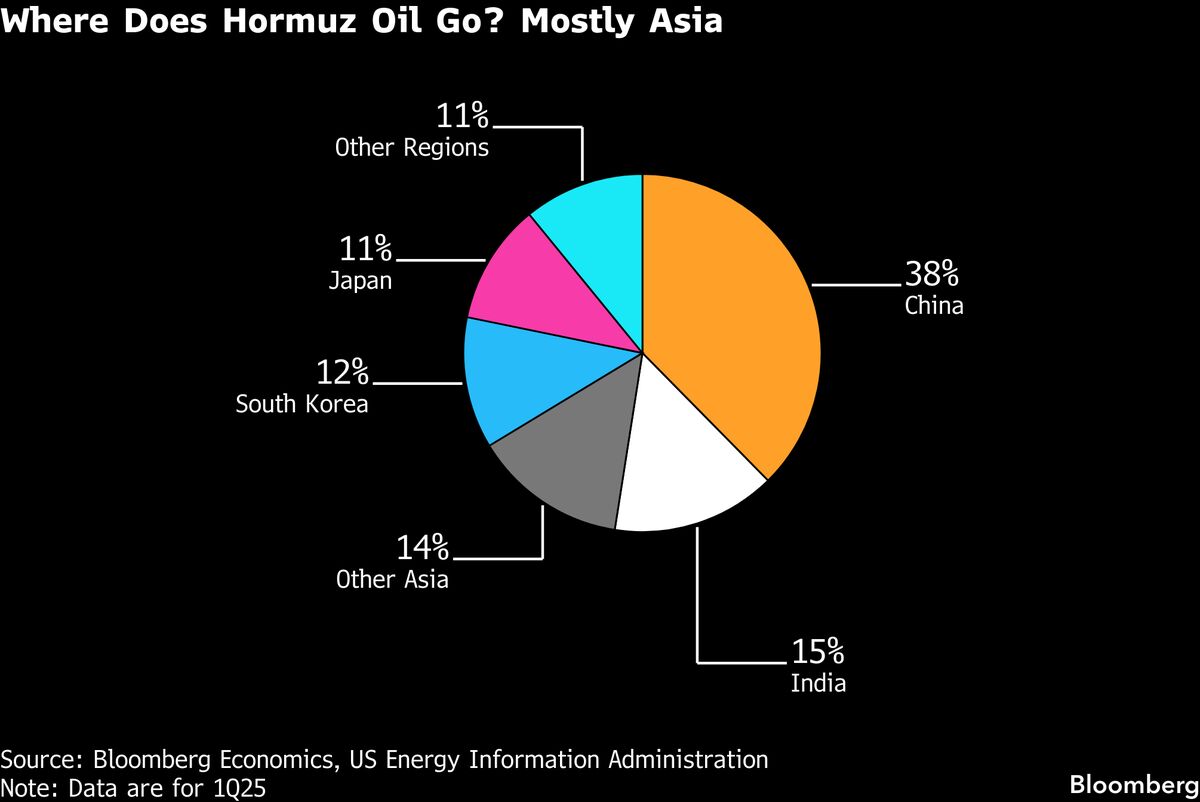
Asia was quick to welcome the US-Iran deal to reopen the Strait of Hormuz, through which most of the region’s energy supplies flow. But many warned it’s too early to say if that will offer long-term relief to the world’s most populous and fastest-growing region.

President Trump declared Sunday that he will back an extension of the now-lapsed Foreign Intelligence Surveillance Act (FISA) warrantless spy power unless the SAVE America Act is attached.

Former Vice President Mike Pence cast doubt on the possibility of a deal between Iran and the U.S. over the two countries’ war shortly before President Trump announced one on Sunday. “My concern right now is not with the intentions of the president. Look, I think the president has earned a great deal of deference…