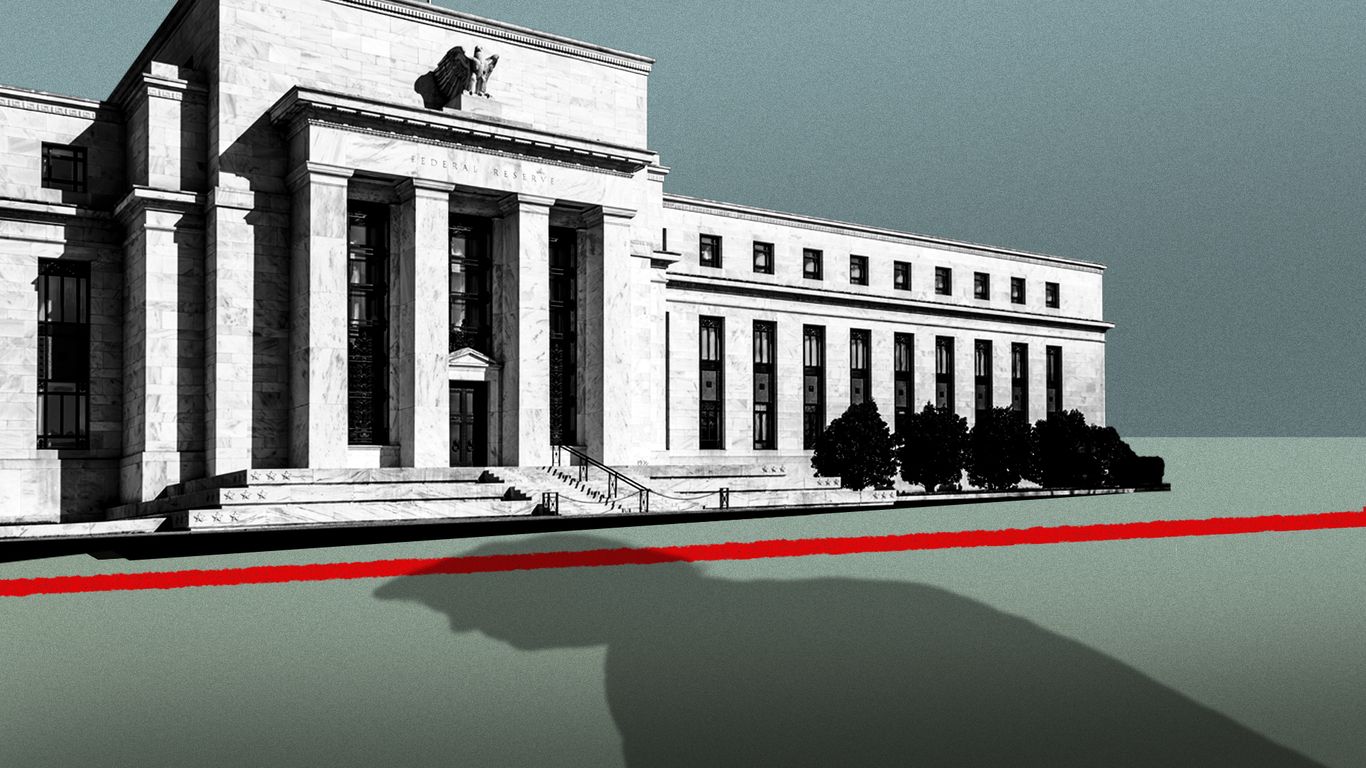
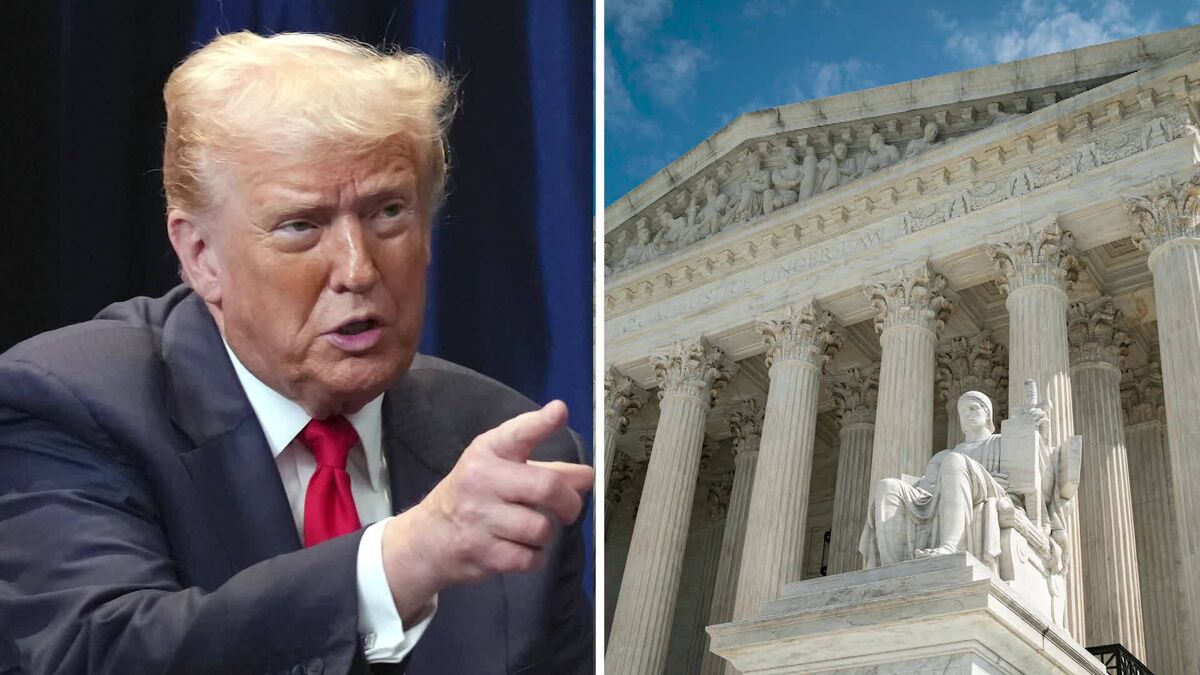
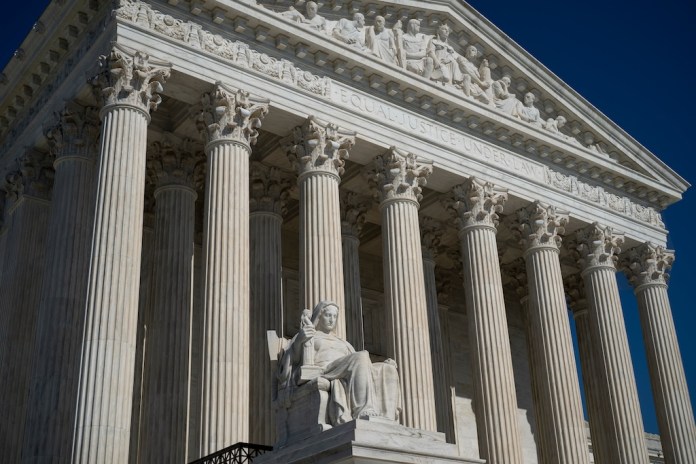
The Federal Reserve is different. That's the upshot of the Supreme Court's rulings Monday morning.Why it matters: President Trump can't fire Fed governor Lisa Cook for now, a 5-4 court majority held, alongside an opinion that offers a sweeping defense of the central bank's independence. But the ruling is narrow enough that Trump and future presidents have latitude to fire Fed governors if they can establish legal cause more carefully than Trump did in the Cook case.The decision came alongside a separate, historic ruling that cleared the way for Trump to fire leaders of the Federal Trade Commission and swept away nearly a century of protections shielding officials at most other independent agencies from presidential removal.Catch up quick: Trump said he fired Cook, whose term is scheduled to extend until 2038, for cause, citing alleged misstatements in her mortgage applications.Courts ruled that she could remain at the Fed as a governor pending resolution of whether that action was legal — which the Supreme Court has now affirmed.Driving the news: "Congress limited the President's powers to remove Governors for good reason," the decision, written by Chief Justice John Roberts, says — namely, the independence of monetary policy."Any change in that scheme must come from Congress, not the courts," Roberts wrote, saying that to accept the government's arguments "would allow the President to remove a member of the Federal Reserve at any time, for any reason, without any notice before, and without any judicial check after."He was joined by Justice Brett Kavanaugh and the court's three liberal justices.What they're saying: "No matter the precise definition of cause, or the scope of our review of any such determination, the President failed to accord Cook the procedural protections to which she was entitled by statute," Roberts wrote."Without such protections, she could not properly dispute the charges the President laid against her.""At a minimum, Cook was entitled to some explanation of the evidence at issue, some avenue for a response, and a deadline by which a response would be due."The big picture: Washington spent much of the past century insulating economic policymaking from election cycles. The Supreme Court on Monday blessed that model for the Fed, but seemingly ripped it apart for agencies overseeing everything from antitrust and consumer protection to labor and communications."If anything more is left of Humphrey's, we overrule it," Roberts wrote in the separate decision overturning the landmark 1935 Humphrey's Executor precedent, which had prevented presidents from firing leaders of many independent agencies without cause.The result is that the White House will wield greater influence over how many of the nation's economic rules are written and enforced — but not, for now, over the setting of interest rates.The intrigue: "This was never about mortgage documents signed years before I became a Federal Reserve governor. It was an attempt to remove me on a manufactured pretext because I refused to bow to political pressure and continued to set interest rates based only on what would best serve the American people," Cook said in a statement."I am grateful for this decision, not for my own sake, but for the sake of the American people, whose economic well-being depends on a central bank that answers to its mission, not political intimidation." What to watch: In a Truth Social post, Trump said the ruling was based on a procedural issue, not the merits, and vowed to "take appropriate action immediately" to renew his effort to remove Cook.