Trump appoints housing official as acting director of national intelligence
Bill Pulte has shown a willingness to go after the president's perceived enemies.

On Monday afternoon, June 1, the New York Times reported that President Donald Trump was "backing off" from his plan to create a $1.7 billion "anti-weaponization fund" for Americans it claims were unfairly targeted legally by the Biden administration and former U.S. Attorney General Merrick Garland. And the Trump-era U.S. Department of Justice (DOJ) said it would abide by a federal judge's order temporarily blocking the fund. According to former federal prosecutor Joyce White Vance — a law professor and frequent legal analyst for MS NOW — the fund's fate is only one of the many legal setbacks the Trump administration has suffered recently.Vance examines those setbacks in an early June Substack video as well as a Substack column. Critics of the "anti-weapon fund" are attacking it as a "slush fund" — a description that Vance agrees with. After the Internal Revenue Service (IRS) agreed to settle a lawsuit from the Trump administration, DOJ announced the creation of the fund as part of that settlement. President Trump's critics are also saying it is unfair that Trump, according to the settlement, will not be audited by the IRS.Noting a federal judge's footnotes, Vance, in the video, explained, "This is Footnotes 2 and 3 in the judge's order. The second one, she points out that the settlement that Trump receives conflicts with DOJ policy. She says it may be in conflict; it absolutely is, because, you know, here he is suing over having his taxes released. And instead of a settlement that compensates him for that, there's this huge $1.776 billion slush fund —this incredible slush fund, and also the forgiveness." Vance continued, "And then, in the third footnote, she really, interestingly, points out that she's aware, because there's been news reporting, on the fact that internally, in the IRS, lawyers prepared a memo that outlined the pushback to Trump's lawsuit. It was, at best, a very weak lawsuit, like many of his cases are, and the IRS wanted to fight it. And the decision was made at a political level to let it go forward and to roll over and enter into this settlement."Vance predicted that "there's a lot more to come" legally with pushback against the "anti-weaponization fund."In her Substack article, Vance lays out other legal setbacks that Trump has suffered recently — including cases involving the Kennedy Center in Washington, DC and Defense Secretary Pete Hegseth's anti-transgender policies with the Pentagon."In the Kennedy Center case," Vance explained, "Judge Christopher Cooper held that adding Trump's name to the facility violated the clear language of federal law that requires the building to honor 'President Kennedy and President Kennedy alone'…. The D.C. Circuit enjoined Pete Hegseth from enforcing his anti-trans policy Monday. It was designed to keep transgender people from serving in the military…. The Southern Poverty Law Center filed its motion to dismiss DOJ’s indictment due to vindictive prosecution last week."

Bill Pulte has shown a willingness to go after the president's perceived enemies.
The Trump administration is pushing deep into new territory in its immigration crackdown, moving beyond deportations to target the citizenship of naturalized Americans in a campaign that legal experts warn could ultimately be weaponized against political opponents.The Justice Department has filed more denaturalization cases in the last 16 months than were filed across all four years of the Biden administration, according to federal data, and attorneys general offices across the country have been tasked with identifying hundreds of additional targets, reported NPR. Department leaders pressuring lawyers to generate cases quickly — sometimes by scanning news stories and social media posts – and while the cases filed so far largely involve serious criminal conduct like drug trafficking, child sexual abuse, terrorism-related activity and war crimes, legal scholars say the infrastructure being built around this effort is far more alarming than any individual case."Once it becomes easy to take somebody's citizenship away — it becomes easy to take anybody's citizenship away," warned Cassandra Robertson, a law professor at Case Western Reserve University who has studied denaturalization.What makes the program particularly troubling to civil liberties advocates is how little protection defendants have. In civil denaturalization proceedings, Americans are not entitled to appointed counsel if they cannot afford it. There is no statute of limitations, meaning the government can reach back decades for evidence, and several cases reviewed by NPR were resolved with little or no court appearance by the defendant.The administration has also signaled the program could expand beyond criminals. Trump and administration officials have publicly threatened the citizenship of political figures including New York City Mayor Zohran Mamdani and Minnesota Rep. Ilhan Omar — comments Robertson calls evidence of a real risk of "political retribution."A former DOJ attorney who spent nearly a decade in the office that handles these cases said the mandate under Trump has shifted dramatically. Where lawyers once had discretion to pursue only strong cases, they are now directed to go after anyone potentially eligible — including those with minor paperwork errors or immaterial discrepancies."The retaliatory nature of this administration and using the law in any type of legal maneuvering to go after its enemies — that is a serious concern of mine," the former DOJ attorney said, speaking anonymously for fear of government retaliation.Legal experts note that federal judges — not administration-controlled immigration courts — still oversee these cases, providing some check on potential abuse, but with hundreds of cases now in the pipeline, that guardrail may soon face its first serious test.
Donald Trump has announced who will replace Director of National Intelligence Tulsi Gabbard following her planned resignation.
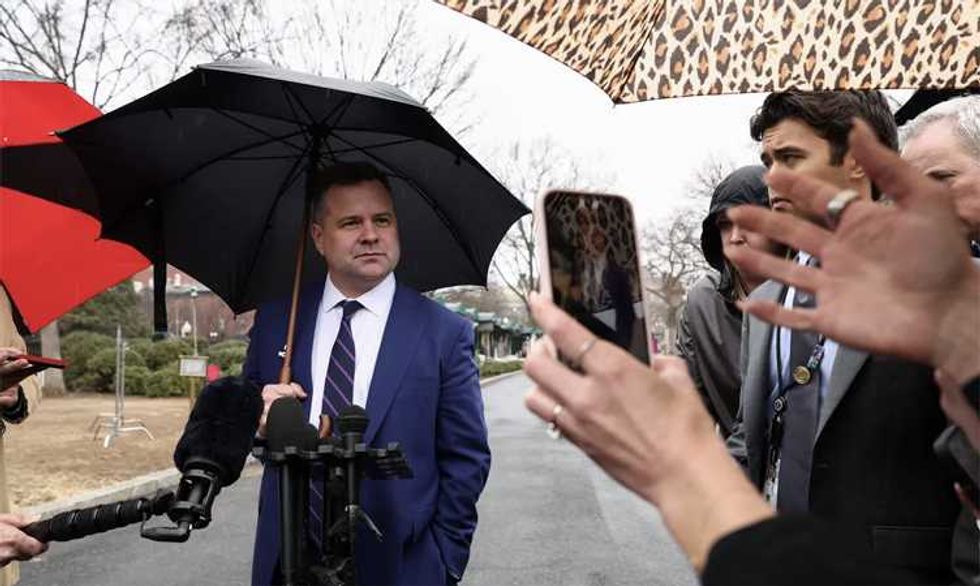
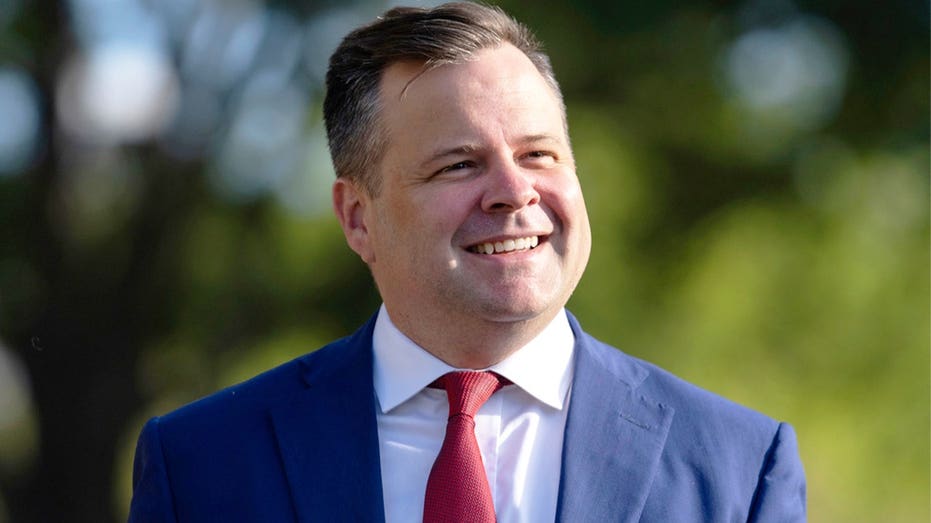
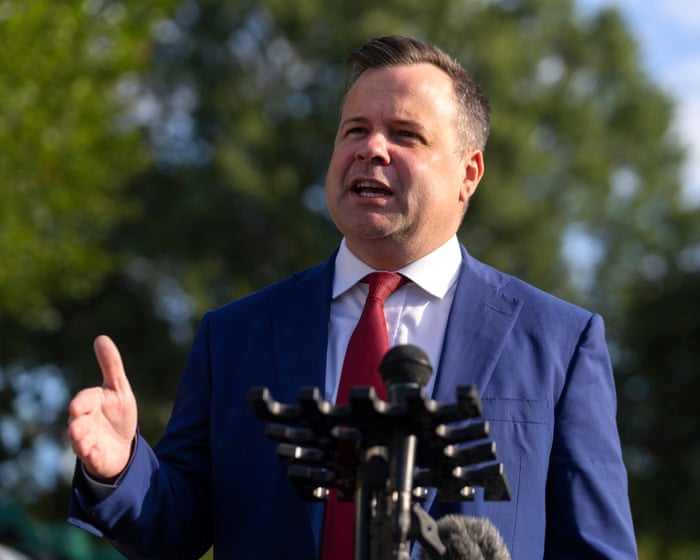
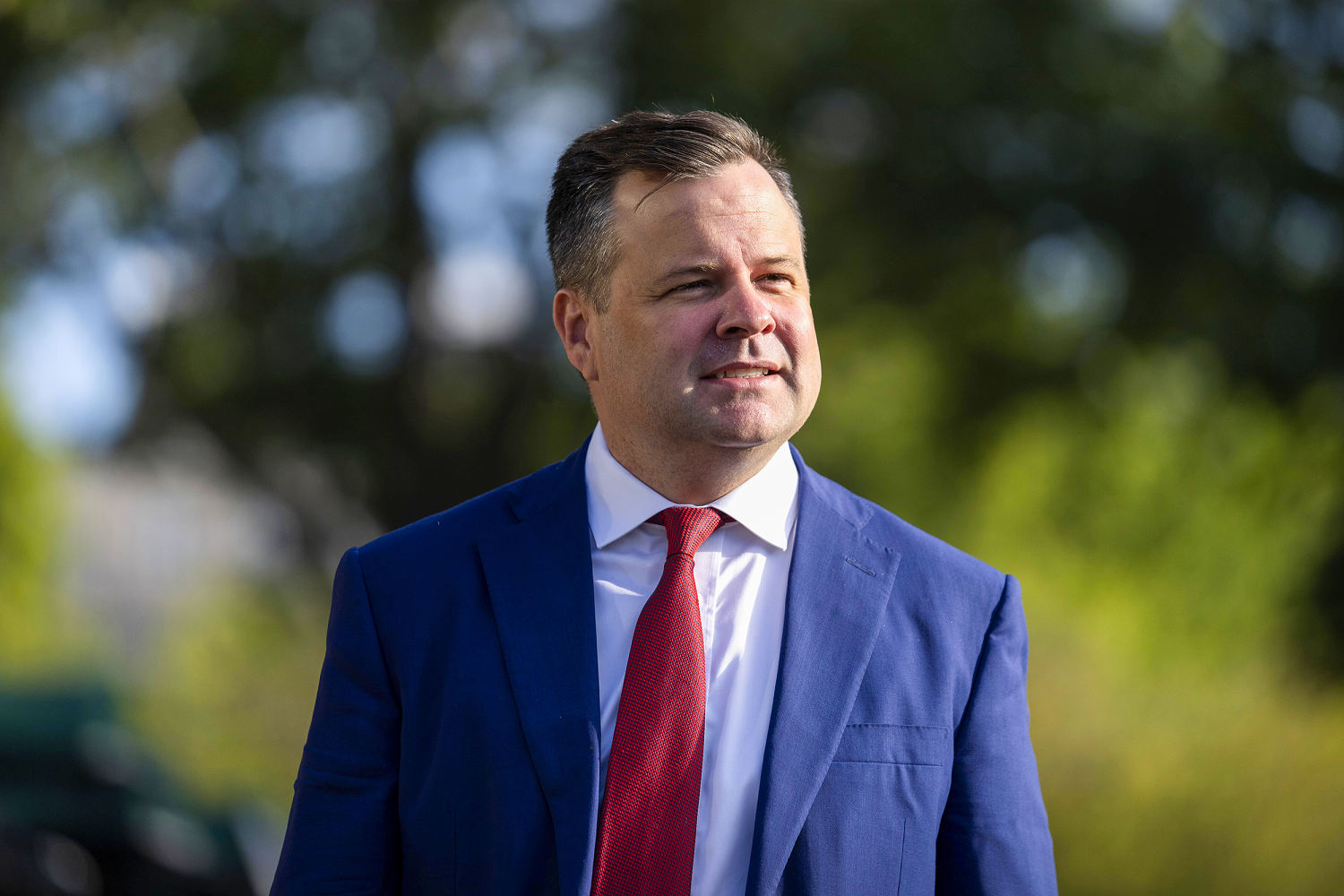
Donald Trump’s decision to appoint Bill Pulte, a businessman currently serving as the director of the Federal Housing Finance Agency (FHA), to replace departing DNI director Tulsi Gabbard set off a wave of surprise and consternation on MS NOW Tuesday morning.On Truth Social , Trump made the announcement that Pulte would serve as acting director despite having zero experience in intelligence gathering and analysis, having spent his life working in his family's home construction business.MS NOW’s Jonathan Lemire read the breaking news, which led his colleague Eugene Daniels to point out that Pulte's only seeming ally in the White House is the president himself.Pulte has been involved in making wild accusations of mortgage fraud aimed at some of Donald Trump enemies that have gone nowhere when the Department of Justice later investigated.According to Daniels, because of that, the appointment may not sit well within the White House.“This would seem to be a an escalation in Trump's efforts to relitigate 2020,” Lemire suggested. “Those investigations, which Gabbard was already doing, but also potentially trying to build more acts of retribution against folks.”"It's all loyalty, right?” Daniels replied. “Because Bill Pulte, who is a businessman, does not have experience in foreign policy in the way that you would probably want the DNI to actually have. Their job is to be the go-between all of the intel agencies and typically give the presentation to the president about what the intel agencies are saying or doing. He is also someone who folks in the white house have been a little bit frustrated with, not Donald Trump, obviously.”“Remember that Jesus meme?, He is the one that Donald Trump talked with before he posted it,” Daniels recalled. “And so that caused a whole kerfuffle for folks when that was reported out at the time. I will say this is, once again, just Donald Trump finding folks who have no experience. It doesn't matter to him, trying to figure out how do I get the things that I want?”Lemire closed with, "Tulsi Gabbard sort of sidelined herself because she disagreed with trump in the Iran war. So she was left out of a lot of key decisions. That's still a really important job and Pulte comes in here with zero experience in the intelligence community is a remarkable moment." - YouTube youtu.be
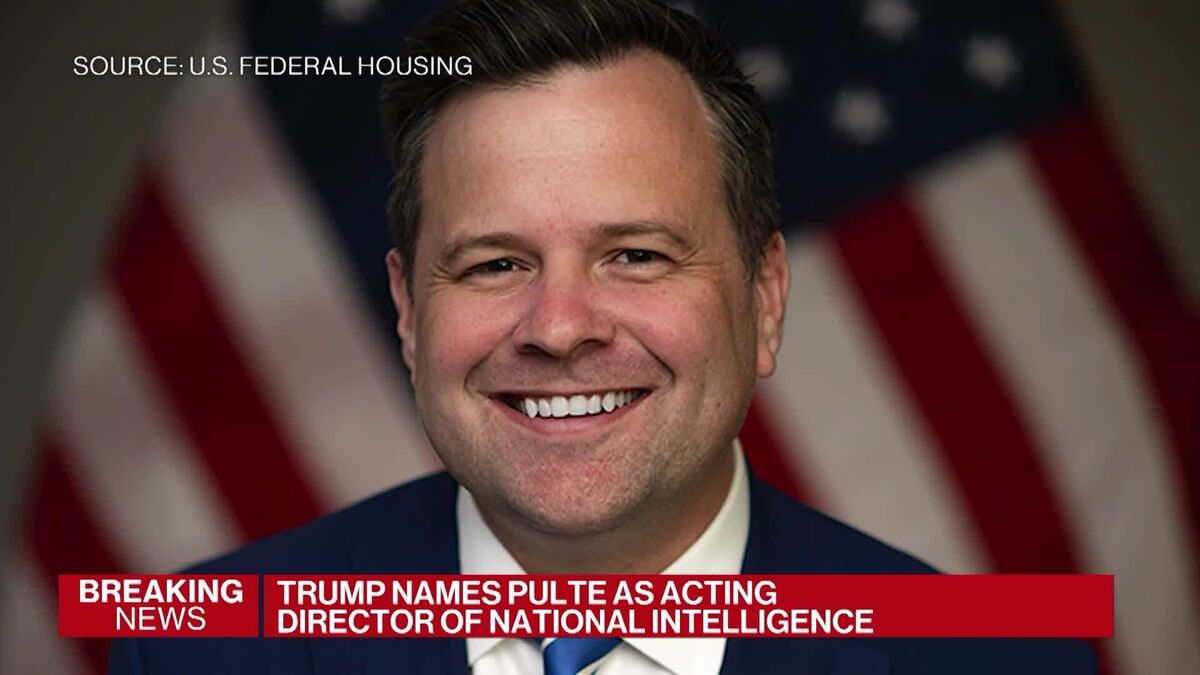
President Donald Trump said he is tapping Bill Pulte, the head of the Federal Housing Finance Agency, as the acting Director of National Intelligence. Pulte will keep running the FHFA as well. Bloomberg's Tyler Kendall reports. (Source: Bloomberg)
US president says head of Federal Housing Finance Agency will serve as acting director days after Gabbard exits roleDonald Trump has tapped a close ally to serve as the country’s top intelligence official, days after Tulsi Gabbard announced her exit from the role.The US president said that Bill Pulte, head of the Federal Housing Finance Agency (FHFA), and heir to a home construction company fortune, will serve as acting director of national intelligence. Continue reading...
President Donald Trump has named Bill Pulte as acting director of national intelligence, succeeding Tulsi Gabbard who recently announced she plans to resign from the role at the end of June.