Trump Is Risking a Global Stagflation Crisis With His Iran War
Source: The New Republic · Bias: Left
Summary
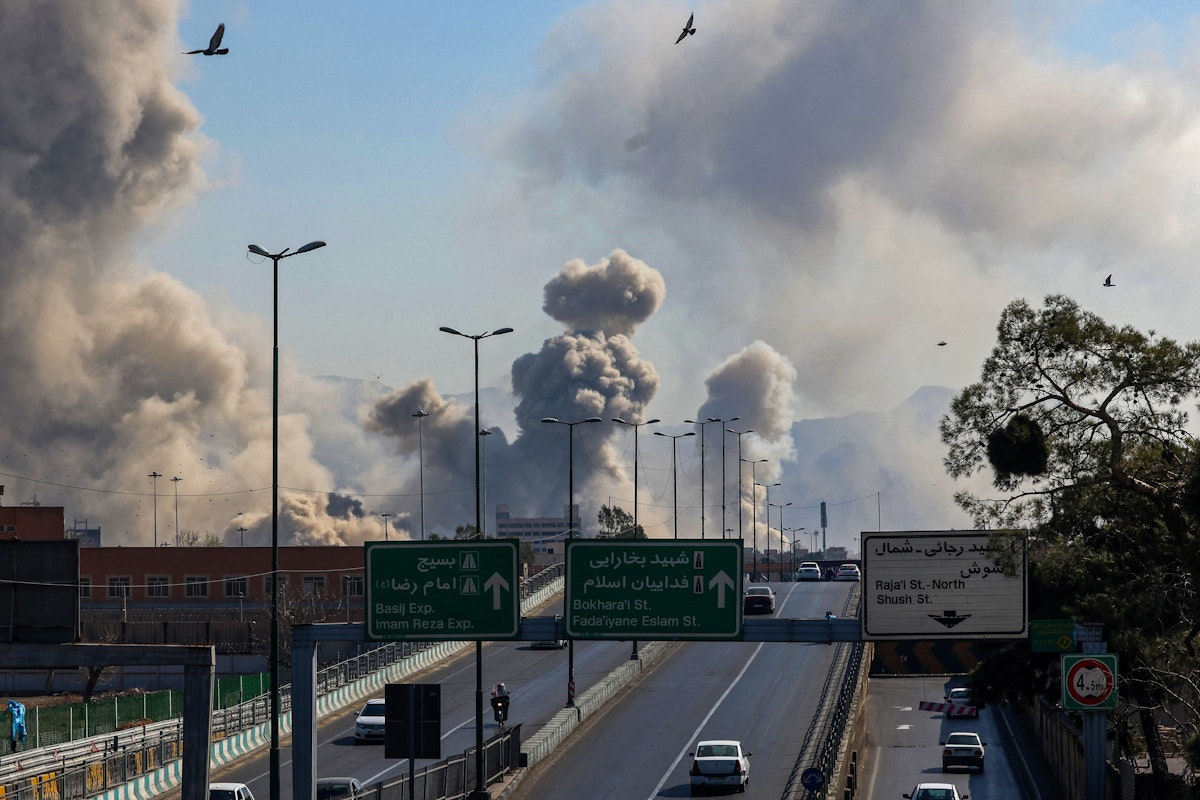
American and Israeli strikes are hitting Iran hard. Through both naval and air power, much of the country now finds itself engulfed in a near-constant barrage, with air superiority close to being secured across the entire country. Ayatollah Khamenei is dead, as are various high-ranking officials and more than 1,000 civilians, including over 100 young children. Iran’s missile and drone supplies have also been partially depleted, with swaths of them being shot down within the Gulf and the areas surrounding Israel. Simply put, no military path to victory exists for Iran or its regional proxies.And yet, despite clearly having the upper hand, U.S. leaders’ rhetoric seems to be increasingly escalatory, if not downright panicked. Donald Trump and Defense Secretary Pete Hegseth have both indicated an openness to on-the-ground troop deployments, with U.S. force increases already being sent to the region alongside expanded air and naval assets. The timeline of the campaign has also been extended, with Trump claiming that four to five weeks of operations will likely be necessary in order to achieve victory. Hegseth, diverging from the president, is now claiming eight weeks is necessary. The overall objective against Iran is by no means clear, nor are we even certain what kind of regime change the U.S. is looking for—if that is indeed the goal.But one thing is clear: The economic and social effects of this conflict are going to be far-reaching, and also well beyond the scope that was initially laid out by Trump. As the war is prolonged, oil and gas infrastructure is being bombed, with production either halted or the resources redirected to storage. Fuel storage infrastructure is now rapidly approaching capacity. Cuts to production, if not full shutdowns, are going to have to occur within the next several days. Global energy prices will skyrocket, causing massive ripple effects throughout various industries.Fossil fuel–intensive sectors, such as automobiles, semiconductors, manufacturing, aviation, and agriculture, will all face severe supply shocks as energy costs and other inputs jump in price. Bonds and financial assets will also come under increased scrutiny, with the likely effect being a credit crunch that limits liquidity and investment. The sorts of conditions that tend to lead to job losses will flow from these events, alongside other forms of economic insecurity. Akin to the stagnation crisis of the 1970s, the economy will face inflationary pressures and job losses concurrently, delivering a crisis that lingers far beyond the individual acts of the war.For Gulf allies like the UAE, Qatar, and Bahrain, anxiety is growing as supplies and stockpiles dwindle. Up until this point, an overwhelming number of Iranian barrages in the region have been downed or struck, impeding them from their intended target. But this can’t continue indefinitely—and with the Strait of Hormuz closed and air travel sharply curtailed, many regional partners are now experiencing a complete economic pause, particularly for trade and exports.Iran’s military strategy is now centered around attrition and disruption. Through drawn-out and unrelenting attacks, Iran is attempting to degrade both munition supplies and energy resources and cause strain through a thousand cuts. Security expert Kelly Greico at the D.C.-based Stimson Center recently estimated that for every $1 Iran spends on drones, the UAE spends “roughly $20–28 shooting them down.” The asymmetry in costs here is rather stark, and when replicated regionally, the level of anxiety emerging from America’s partners does indeed make sense.Iranian leaders don’t need to win militarily; they just have to inflict enough damage and buy time until supply pressures and shocks become too substantial. They can’t out-bomb the U.S., but they can cause pain to allies and markets that will eventually force Trump to the negotiating table. The U.S. and Israel now need to figure out how to help themselves and regional allies absorb these shocks—and the financial and political turmoil they’re causing.Bahrain is now facing internal Shia, pro-Iran protests, which have historically led to Saudi intervention. The country’s energy sector has also been paralyzed through drone and missile barrages. Both the UAE and Qatar have had their energy markets and influencer-playground status shattered. Many residents have begun to flee, with some driving overnight to find safe flights out of the region. Luxuries and status symbols have been replaced with sirens and drone attacks, and energy market worries. These emerging shutdowns are only expected to increase in their severity in the coming weeks as shortages continue and shipments remain endangered. Qatar’s own Minister of Energy Saad Al Kaabi has warned that the region is weeks away from a comprehensive shutdown in production.
Related Coverage
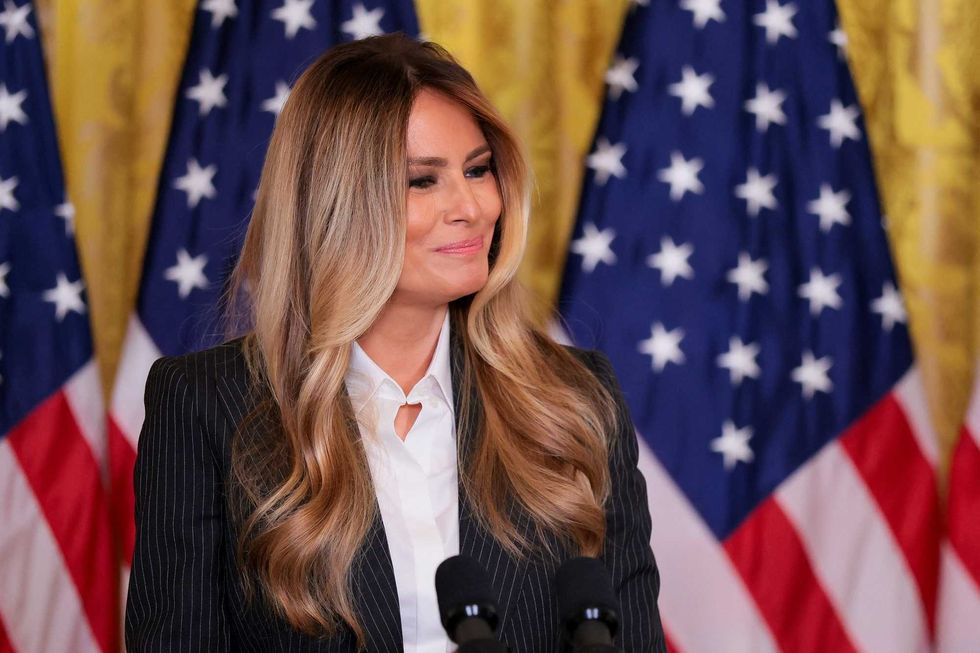
- Melania gives Congress private deadline as she works around Trump's team: report (Far Left — Raw Story)
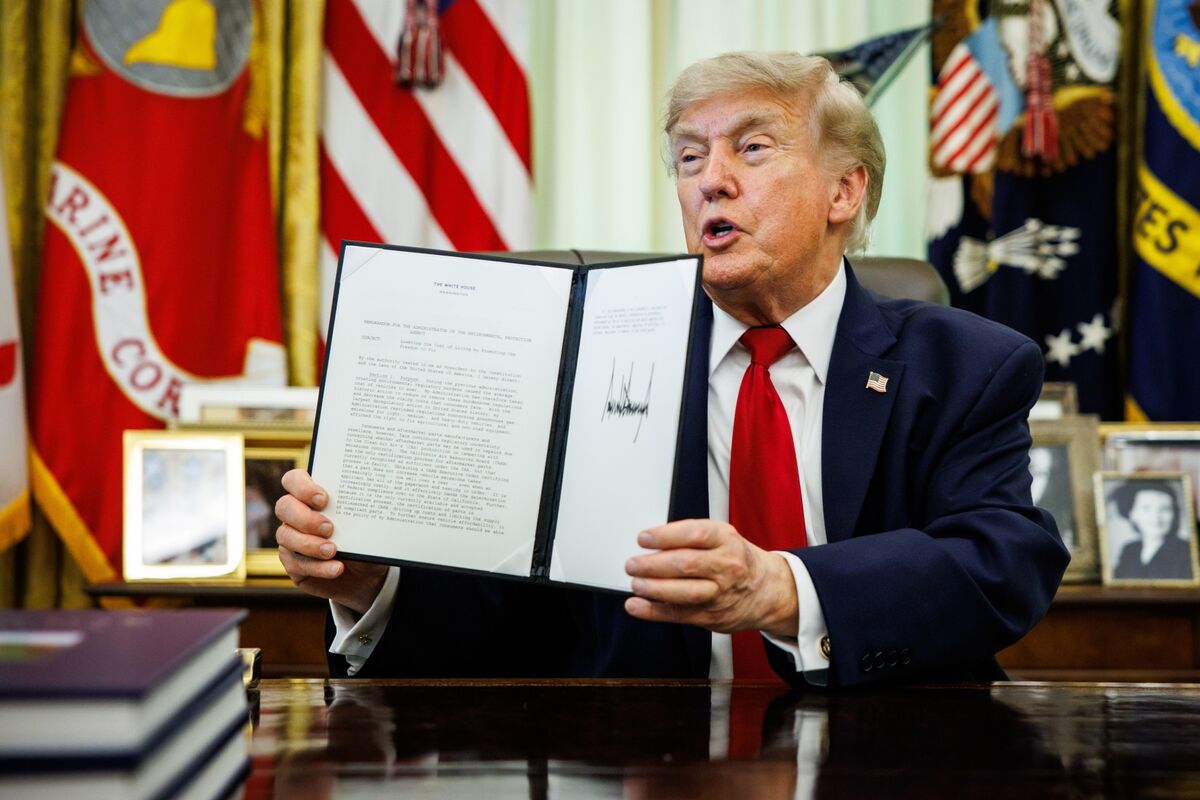
- Trump announces pardons for pollution violators prosecuted for "fixing their car" (Center — Politics - CBSNews.com)
- Trump Pardons Six People Pursued for ‘Fixing Their Car’ (Center — Bloomberg Politics)
- Sources: Trump likely to pardon pollution violators; weighing clemency for Diddy (Center — Politics - CBSNews.com)
- What Is Iran Building Now in the Zagros Mountains? (Right — RedState)
- Fox host warns Trump will pay for his 'breathtaking' corruption (Left — Alternet.org)
- Trump Scores Appeals Court Victory in Battle Over National Park Historical Displays (Right — RedState)
- Signs of Victory: I-95 Welcomes President Donald Trump Int'l Airport (Right — RedState)
More Headlines From March 7, 2026
- Drone strike torches oil tanker in Strait of Hormuz as Iran’s blockade halts global shipping (Right)
- Trump Announces 'The Americas Counter Cartel Coalition' at Shield of The Americas Summit (Far Right)
- AOC, Omar and other ‘Squad’ reps among the 53 House Dems that voted against reaffirming Iran as a terror sponsor (Right)
- Will Kristi Noem become the new face of Trump’s Donroe Doctrine? (Right)
- Mad as a momma wasp': Republican exposes how Trump rage gave staffer the boot (Left)