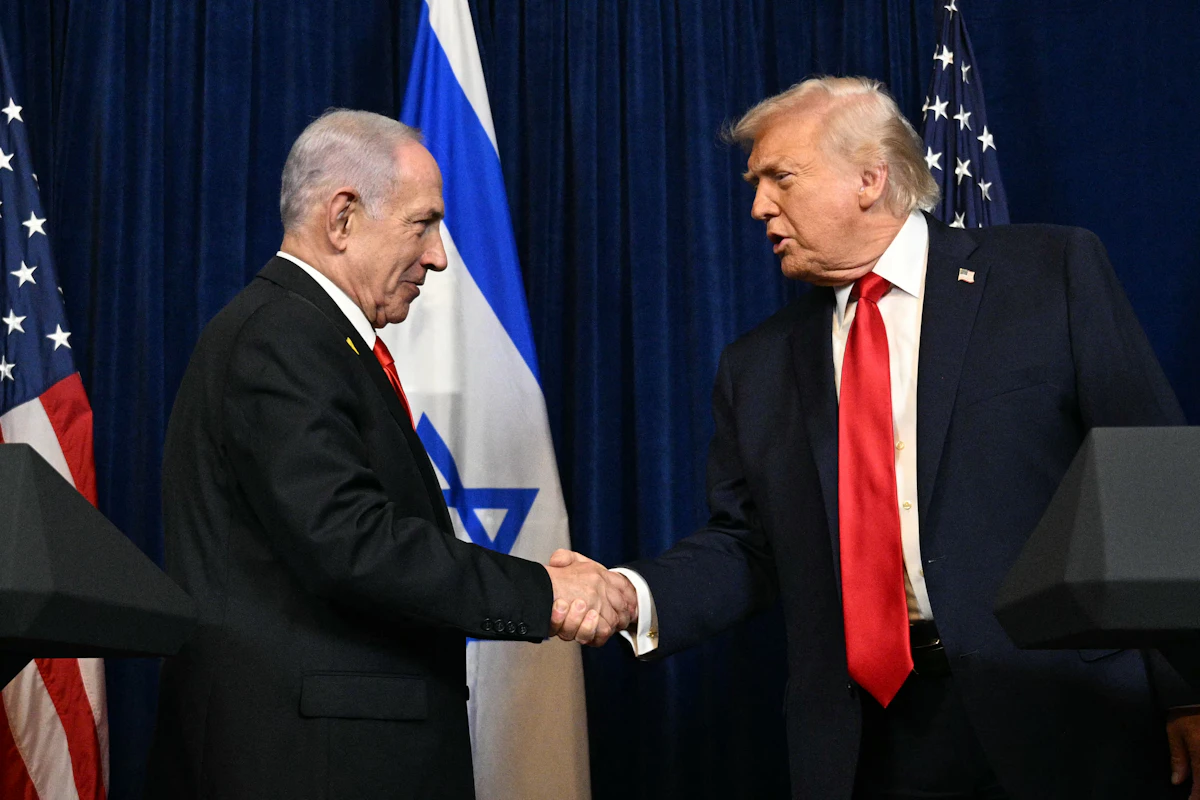
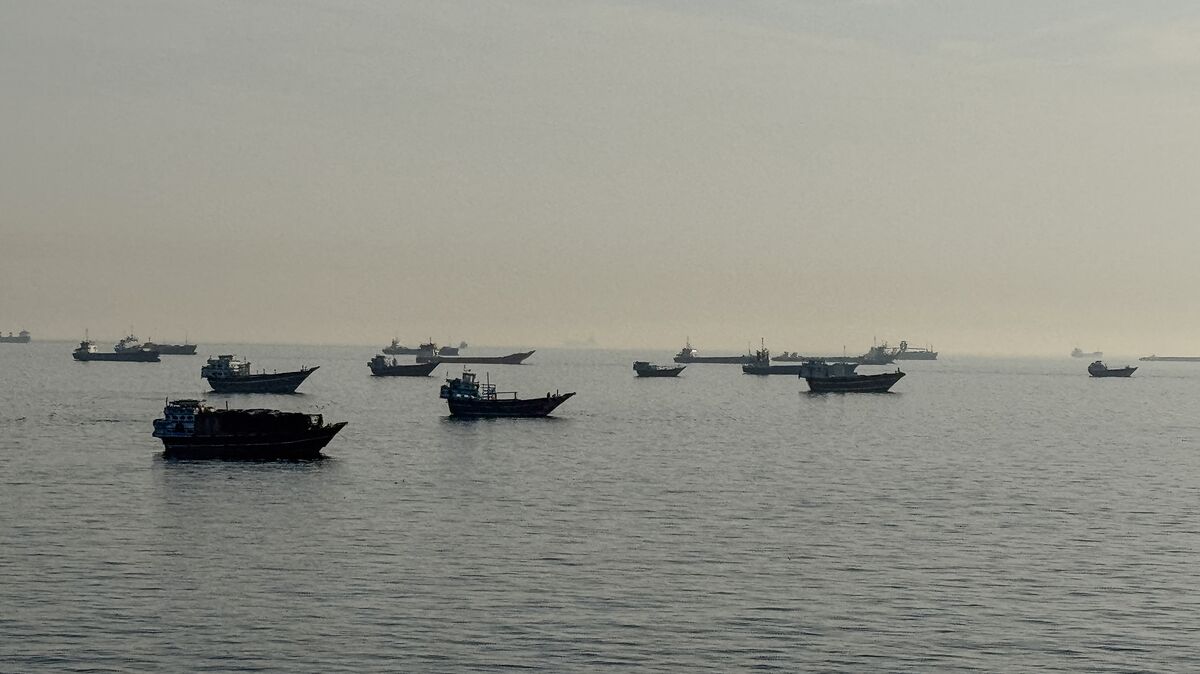
Details of the Iran peace deal are still under wraps, even for America’s strongest ally in the Middle East.i24NEWS correspondent Guy Azriel reported Tuesday that Israel was denied access to the informal agreement, which he called a “remarkable and highly unusual development between close allies on an issue of such critical national security importance.”The White House and Tehran signed a peace deal on Sunday, though the exact specifications of the agreement are not yet public and are still being hashed out.The final draft reportedly proposes the immediate reopening of the Strait of Hormuz under Iran’s direction, a commitment from the U.S. not to interfere in Iranian affairs, and a reiteration of Iran’s commitment not to produce nuclear weapons, echoing language included in the 2015 Joint Comprehensive Plan of Action, according to a senior Iranian official that spoke with Reuters.One component of the plan has become the subject of much debate: a $300 billion reconstruction fund for Iran, which was originally understood to be provided at cost to U.S. taxpayers. Vice President JD Vance has wavered several times on that particular issue. He first claimed on Saturday that Iran would receive no money at all. He seemingly reversed course on Monday, when he all but confirmed the reconstruction fund to CBS’s Ed O’Keefe. Within hours—and after some monumental backlash from his party—Vance seemed to change his tune again, telling Fox News’s Sean Hannity that Iran would not receive a “single dime of American money.” Instead, Vance claimed that the U.S. would allow Iran to receive foreign aid from its Gulf State neighbors so long as the “Iranians behave.” Vance has not yet elaborated on how the administration plans to manage or gatekeep foreign aid packages intended for Iran.The murky arrangement does not seem to include details on whether or not Iran will stop enriching their uranium—a highly anticipated component and one of the White House’s most pressing demands.Vance told Hannity that the particulars of the enriched uranium depletion would be figured out over the next two months, “but the basic structure is they can get a lot if they comply with the United States’s demands.”Donald Trump has pledged since the beginning of the war that any peace deal he signs would end Iran’s uranium enrichment program. But now that the deal is actually being negotiated, Trump seems to have lost his bluster, even disengaging from the idea of collecting Iran’s nuclear dust.“You could make the case, ‘Why even bother?’ Because it’s not really valuable, it’s probably half a million dollars’ worth,” Trump said Tuesday while at the G7 summit in France. “It’s not very valuable stuff. But I think, psychologically, we want to get it.”Failing to obtain commitments regarding Iran’s nuclear program would make the deal far weaker than the Obama administration’s JCPOA. Iran lacked a single bomb’s worth of uranium in 2018, three years after former President Barack Obama brokered his deal to limit the country’s enormous uranium stockpile. But that changed when Trump withdrew the U.S. from the pact and imposed a series of tough economic sanctions against the Middle Eastern country. By 2025, Iran had curated an 11-ton stockpile of enriched uranium, the whereabouts of which remain largely unknown. The total stockpile could create as many as 10 bombs if fully enriched, according to a 2025 assessment by the International Atomic Energy Agency.