Transcript: Why Trump Is Afraid of Colbert, Kimmel, and “The View”
Source: The New Republic · Bias: Left
Summary
This is a lightly edited transcript of the May 21 edition of Right Now With Perry Bacon. You can watch the video here or by following this show on YouTube or Substack. This is part of Right Now’s ongoing cover of media in the Trump era, including a discussion on the temporary suspension of Jimmy Kimmel and an exploration of why the right has been much smarter than the left in developing media strategies. Perry Bacon: I’m Perry Bacon. I’m the host of Right Now on The New Republic. We’re talking today on the last day Stephen Colbert will be hosting his show on CBS, because CBS decided to cancel it. So we’re talking to Meredith Conroy. She’s a professor of political science at Cal State University San Bernardino, and she’s an expert on media and politics and the intersection of the two. So I want to talk to her about late-night TV and its role in politics. Meredith, welcome back.Meredith Conroy: Thanks. Great to be here.Bacon: So I want to go through a few what I’m going to call almost a history of seminal moments of late-night TV and politics. And rather than ask you questions, I want to go through the moment and describe it how I saw it, and then have you react to it. Because I think you and I are in the same age range—I’m not aging you—but we’re in the same range and we probably have some of the same cultural references, so we’ll do it that way.Conroy: OK, that sounds great.Bacon: All right. So I’m going to start with 1992. A lot of people in communications and politics say this is the big moment when late night becomes a part of politics on some level. This is when Bill Clinton is running in 1992, and he goes on Arsenio Hall. Arsenio Hall was a late-night talk show host—he’s African American, and I think that’s relevant to this conversation. So Bill Clinton goes on and plays the saxophone, and it’s a moment where he appears more natural, very charismatic, casual. It’s the first time, I think, a major candidate has been on one of those shows.And I know it was a big moment because my mom mentioned it to me yesterday. We were talking about politicians she viewed as charismatic—and maybe handsome, even—and she mentioned Bill Clinton when he was running and playing the saxophone. So this really resonated, even years and years later. Did you watch this? Talk about Arsenio Hall and Bill Clinton—which I did not watch, because I was 12, but looking back, I know what it was.Conroy: Yeah. I also don’t think I watched—I think I was nine. But as you mentioned, in political communication, people who study late night—it’s always the first example in any academic article. They always start with Clinton on Arsenio. And like you said, the effect of that was that he was likable, personal—his image was softened for a broader audience who may not necessarily be politically attentive, which academic research shows that the late-night audiences historically have been less attentive to politics, and late-night shows are a gateway for that attention.We call that incidental exposure—by watching a late-night show where you might not expect to be encountering politics, you do. And I’m sure in the ‘90s that was especially the case. Leno and Carson certainly had made political jokes, but I think with Clinton on Arsenio, that sort of solidified the necessity for political candidates to campaign by going on these late-night shows with audiences that were different than 60 Minutes.But that’s interesting that your mom talked about how she really liked him because of that appearance. Those appearances, I think, have that effect. I remember—I’m already jumping ahead to The Daily Show—but I remember watching The Daily Show and seeing, I think it was Huckabee, play bass on the show. Bacon: I think Huckabee is more of a musician type, if I remember correctly. I think you’re probably- this is when he ran in ‘08 or ran in ‘08 I think. Conroy: I should have confirmed that, but I remember being like, “Wow, he is coming off incredibly likable.” They’re doing a talent that’s unrelated to politics, and it’s just a different environment. It really can change the way that people see these candidates. What else should we say about Clinton’s appearance on Arsenio?Bacon: So I’m going to jump to another one. I’m going to jump to 2003—about 10 years later. I actually did watch this one. Arnold Schwarzenegger decided to run for governor, and he announced this on the Jay Leno show. That was very funny at the time, and kind of funny now, although he was actually a pretty decent governor. But anyway, he goes on—and he and Jay Leno are friends, in part because they’re both in Hollywood. Arnold Schwarzenegger was an actor, for people who don’t know—and is an actor, I should say. And so he went on and announced his candidacy on Jay Leno, and then went on to win the governorship. That was another big moment—the first time, I think, somebody had really formally announced their candidacy on one of these shows.Conroy: Yeah.
Related Coverage
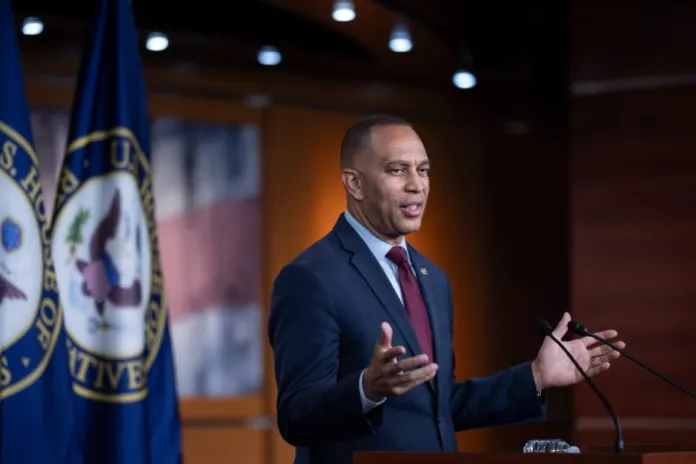
- Jeffries pivots to Trump and GOP when asked about noncitizens on New Jersey voter rolls (Center Right — Washington Examiner)
- Trump Right To Recognize Collapse of Trust in US Elections (Center Right — RealClearPolitics - Homepage)
- 'People are scared': MAGA senator lashes out at Trump over 'hair trigger' tensions (Far Left — Raw Story)
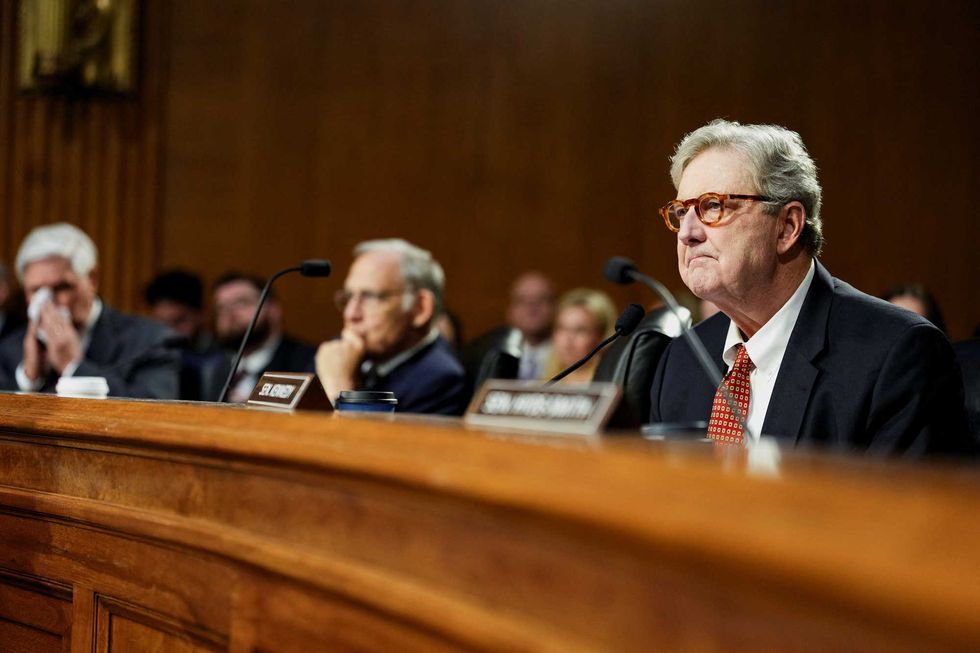
- Sen. Kennedy says Trump likes daily strikes on Iran: ‘Sometimes you have to kill a few chickens to scare the monkeys’ (Center — The Hill News)
- Transcript: Vermont Sen. Bernie Sanders on "Face the Nation with Margaret Brennan," July 26, 2026 (Center — Politics - CBSNews.com)
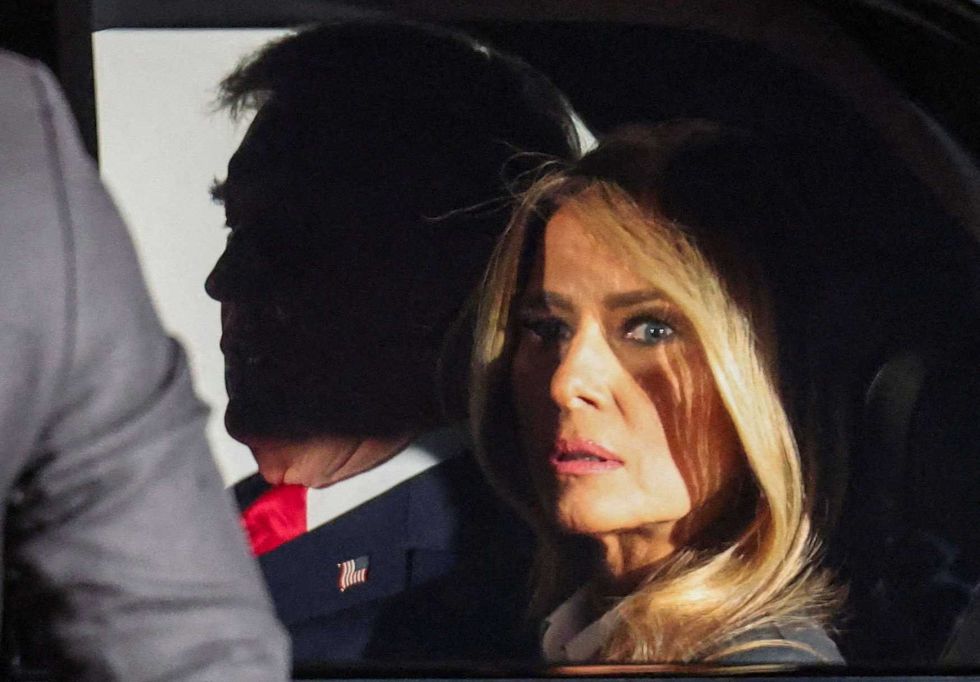
- Biographer says Melania legal battle exposes 'Trump law in a nutshell' (Left — Alternet.org)
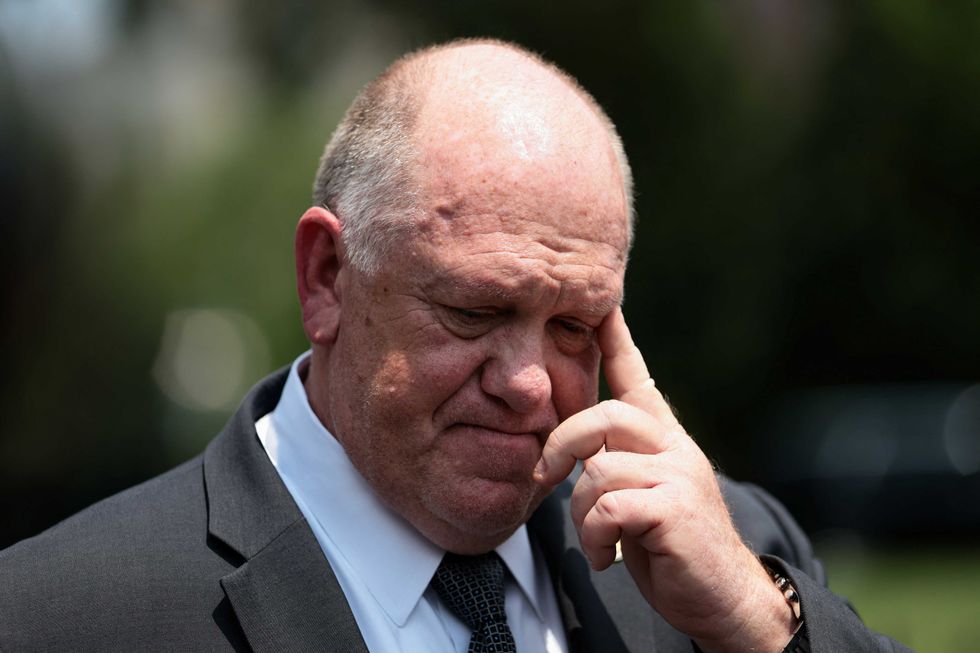
- Trump’s border czar makes remarkable admission as questions swirl about killer ICE agent (Far Left — Raw Story)
- 'Deadly mistakes': Trump border czar gets pummeled on-air for shrugging ICE answers (Far Left — Raw Story)
Daily Analysis
Read the full Parallax Pulse for May 22, 2026 — an AI-powered analysis of how Left and Right media covered the biggest stories this day.
More Headlines From May 22, 2026
- Critics bid 'good riddance' to Tulsi Gabbard (Left)
- Kevin Warsh sworn in as new Fed chair beside Trump at White House ceremony (Center)
- Who Is Elizabeth MacDonough—and Why Is Trump Pushing for Her to Be Fired? (Center Left)
- DNC Autopsy Exposes the Left’s ‘Gaza’ Excuse as Nonsense (Center Right)
- Tulsi Gabbard to resign as director of national intelligence, sources say (Center Left)