

Transcript: Trump’s War May Have Further Empowered Iran

Source: The New Republic · Bias: Left

Summary

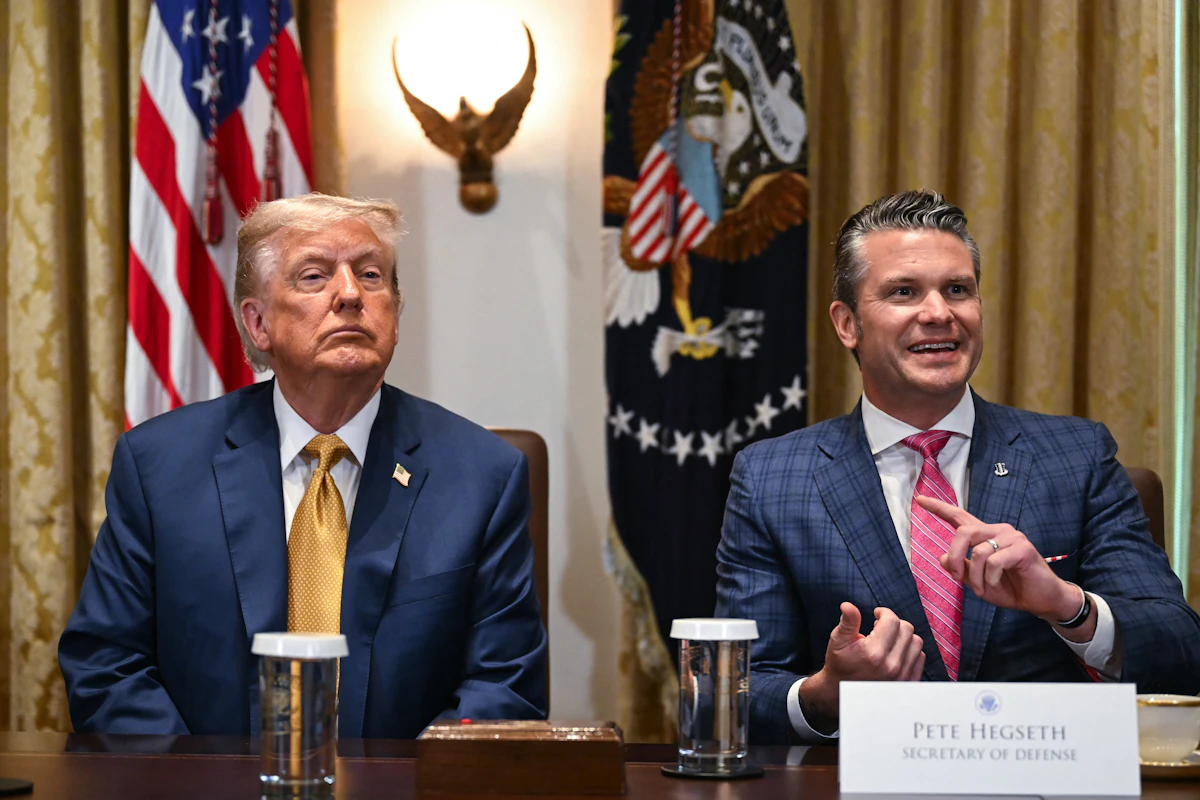
This is a lightly edited transcript of the April 8 edition of Right Now With Perry Bacon. You can watch the video here or by following this show on YouTube or Substack.Perry Bacon: So now we have this two-week ceasefire. Talk about your immediate reactions to it.Ishaan Tharoor: Look, we began this week with this sense of looming escalation crisis. Trump vowed, in various ways, to really punish Iran for its closure of the Strait of Hormuz. He vowed to destroy a civilization, which some people read as an implicit nuclear threat. So there was this question of: is this a game of brinkmanship that’s just incredibly deranged, or is this the prelude to a more worrying escalation? It does seem quite clear, from the reporting we’re seeing out of the White House, that Trump is not happy with the way this conflict is going, that there is a lot of internal dissension in MAGA over what’s happened and over the seeming inefficacy of this conflict, the blowback economically we’re seeing around the world, the huge extravagant expenditure that we’ve already seen because of the war. And so yeah, this is an off-ramp that Trump has got for himself. He has, in various ways, claimed victory. He’s cast what has happened as regime change, even though there’s no actual regime change. He and Secretary of Defense Pete Hegseth have been touting the kind of astonishing, tremendous tactical military successes they’ve had over the Iranian regime. But none of that seems to have really moved the needle the way in which I think they thought it would going into this five weeks ago. And now we have this two-week pause where there’s apparently going to be some kind of process of negotiations led by a curious interlocutor. I don’t think before this conflict we would have thought about Pakistan as a natural kind of intermediary in this situation. But it’s really stepped up in a curious way, and it’s an interesting story there. And so these negotiations, led presumably by the Pakistanis, are going to take place. We don’t know how well they’re going to go. There are already huge—there are big gaps, even in the readouts that we got from the Iranians and from Trump and the White House folks. There are significant gaps in what we’re talking about here, in terms of—the Iranians have in their supposed 10-point plan that has been given to Trump—I’ve not seen the actual document, but in reports about it there’s a suggestion that the Iranians want to reserve the right to enrich uranium for a nuclear program. Trump has already made resoundingly clear that he does not want any enrichment possible in Iran. I don’t know how possible that will be. There are a whole bunch of other points on which they’re going to disagree. The Iranians want to see a full withdrawal of U.S. combat forces from the Middle East. They want to see, basically, reparations for the war damage the U.S. and Israel have caused. They want to see a whole bunch of other things that I can’t imagine Trump necessarily giving, although what will probably be in discussion quite clearly—if there are meaningful discussions—will be sanctions relief for the Iranians.But what is not on the table is regime change. What is not on the table is a sense that this war was a prelude to a major reconfiguration when it comes to the sort of security order in the Middle East, or frankly the political dispensation in Tehran. We’ve seen this regime, they’ve killed an older Khomeini and a younger one has replaced him. The Revolutionary Guards are as entrenched and consolidated as they have been. I think you can find a lot of Iranian dissidents and supporters of Iran’s democracy movement abroad, tearing their hair out over what’s happened, because they’ve seen their country really pummeled. They’ve seen civilians get killed, they’ve seen universities get shut down. The famous synagogue in Tehran has been destroyed or badly damaged. UNESCO World Heritage Sites in Isfahan and other places have been damaged. So the Iranians have received what’s happened not as an attack on the regime, but as an attack on Iran. And then you have Trump, of course, going off on his desire to destroy Iran as a civilization, which is just completely unhinged rhetoric. We get numb to the kinds of things that he says, but we can’t be numb to that. So yeah, that’s a kind of long-winded opening here. Yeah, let’s get into itBacon:. Talk about Israel’s role in this. Where does Israel go from here?Tharoor: Israel is right now pummeling Lebanon still. This is another one of the gaps in the messages we got—the readouts that we got. The Iranians said that a truce with Hezbollah and over Lebanon was part of the agreement. That’s clearly not something the Israelis have agreed to, and while they apparently have agreed to a ceasefire with Iran, they have not agreed to a ceasefire when it comes to their very widespread actions in Lebanon.

Related Coverage

Daily Analysis

Read the full Parallax Pulse for April 9, 2026 — an AI-powered analysis of how Left and Right media covered the biggest stories this day.

More Headlines From April 9, 2026

Transcript: Trump’s War May Have Further Empowered Iran
The New Republic

Transcript: Trump’s War May Have Further Empowered Iran

Left

This is a lightly edited transcript of the April 8 edition of Right Now With Perry Bacon. You can watch the video here or by following this show on YouTube or Substack.Perry Bacon: So now we have this two-week ceasefire. Talk about your immediate reactions to it.Ishaan Tharoor: Look, we began this week with this sense of looming escalation crisis. Trump vowed, in various ways, to really punish Iran for its closure of the Strait of Hormuz. He vowed to destroy a civilization, which some people read as an implicit nuclear threat. So there was this question of: is this a game of brinkmanship that’s just incredibly deranged, or is this the prelude to a more worrying escalation? It does seem quite clear, from the reporting we’re seeing out of the White House, that Trump is not happy with the way this conflict is going, that there is a lot of internal dissension in MAGA over what’s happened and over the seeming inefficacy of this conflict, the blowback economically we’re seeing around the world, the huge extravagant expenditure that we’ve already seen because of the war. And so yeah, this is an off-ramp that Trump has got for himself. He has, in various ways, claimed victory. He’s cast what has happened as regime change, even though there’s no actual regime change. He and Secretary of Defense Pete Hegseth have been touting the kind of astonishing, tremendous tactical military successes they’ve had over the Iranian regime. But none of that seems to have really moved the needle the way in which I think they thought it would going into this five weeks ago. And now we have this two-week pause where there’s apparently going to be some kind of process of negotiations led by a curious interlocutor. I don’t think before this conflict we would have thought about Pakistan as a natural kind of intermediary in this situation. But it’s really stepped up in a curious way, and it’s an interesting story there. And so these negotiations, led presumably by the Pakistanis, are going to take place. We don’t know how well they’re going to go. There are already huge—there are big gaps, even in the readouts that we got from the Iranians and from Trump and the White House folks. There are significant gaps in what we’re talking about here, in terms of—the Iranians have in their supposed 10-point plan that has been given to Trump—I’ve not seen the actual document, but in reports about it there’s a suggestion that the Iranians want to reserve the right to enrich uranium for a nuclear program. Trump has already made resoundingly clear that he does not want any enrichment possible in Iran. I don’t know how possible that will be. There are a whole bunch of other points on which they’re going to disagree. The Iranians want to see a full withdrawal of U.S. combat forces from the Middle East. They want to see, basically, reparations for the war damage the U.S. and Israel have caused. They want to see a whole bunch of other things that I can’t imagine Trump necessarily giving, although what will probably be in discussion quite clearly—if there are meaningful discussions—will be sanctions relief for the Iranians.But what is not on the table is regime change. What is not on the table is a sense that this war was a prelude to a major reconfiguration when it comes to the sort of security order in the Middle East, or frankly the political dispensation in Tehran. We’ve seen this regime, they’ve killed an older Khomeini and a younger one has replaced him. The Revolutionary Guards are as entrenched and consolidated as they have been. I think you can find a lot of Iranian dissidents and supporters of Iran’s democracy movement abroad, tearing their hair out over what’s happened, because they’ve seen their country really pummeled. They’ve seen civilians get killed, they’ve seen universities get shut down. The famous synagogue in Tehran has been destroyed or badly damaged. UNESCO World Heritage Sites in Isfahan and other places have been damaged. So the Iranians have received what’s happened not as an attack on the regime, but as an attack on Iran. And then you have Trump, of course, going off on his desire to destroy Iran as a civilization, which is just completely unhinged rhetoric. We get numb to the kinds of things that he says, but we can’t be numb to that. So yeah, that’s a kind of long-winded opening here. Yeah, let’s get into itBacon:. Talk about Israel’s role in this. Where does Israel go from here?Tharoor: Israel is right now pummeling Lebanon still. This is another one of the gaps in the messages we got—the readouts that we got. The Iranians said that a truce with Hezbollah and over Lebanon was part of the agreement. That’s clearly not something the Israelis have agreed to, and while they apparently have agreed to a ceasefire with Iran, they have not agreed to a ceasefire when it comes to their very widespread actions in Lebanon.