Transcript: Trump Humiliated as Exchange with Journo on Iran Backfires
Source: The New Republic · Bias: Left
Summary
The following is a lightly edited transcript of the March 11 episode of the Daily Blast podcast. Listen to it here.Greg Sargent: This is The Daily Blast from The New Republic, produced and presented by the DSR Network. I’m your host, Greg Sargent.Donald Trump’s attack on Iran is the most unpopular U.S. war in the history of modern polling. The New York Times looked at polls on U.S. wars going back to World War II and found Trump’s war at the very bottom of the heap. This comes as new exchanges between reporters and the White House show that Trump’s positions on the war are falling apart. In particular, one exchange with a reporter over the bombing of an Iranian school blew up in Trump’s face rather spectacularly. We think it’s significant that the public is not reflexively rallying to Trump’s war—it says something fundamental about the American public during the Trump era.Paul Waldman has a good piece on his Substack, The Cross Section, digging into why Trump’s war is so unpopular. So we’re talking to him about all this today. Paul, good to see you. Thanks for coming on.Paul Waldman: My pleasure. Thanks a lot.Sargent: So the Times looked at 10 wars going back to World War II and found that initial support for Trump’s war is lower than at the outset of any other conflict. The Times put support for the Iran war at 41 percent. Other averages of polls have it even lower, at 38 percent. Paul, the key here is that there’s no reflexive support for the commander in chief. In fact, I wonder if it’s the opposite—people are predisposed to see Trump’s case for war as, you know, made up. Which it is. What do you think?Waldman: Yeah, I think we have this perception that there is what we often call the rally-round-the-flag effect. Whenever there’s a war, the public rallies around the flag and wants to defend the country and comes to the president’s side. And the truth is that that’s not necessarily true—it really is contingent on a lot of things. It has certainly happened on many occasions in the past. But if you look back at events like even the beginning of the Vietnam War—you don’t even have to go back to World War II or to Korea—or if you look at the Gulf War, the first Gulf War with George H.W. Bush, which was very popular, or Afghanistan, or even Iraq in 2003, what you see is that in all of those cases, they were very different from this one.First of all, the presidents at those times were very popular to begin with. So you had a popular president who was coming in and trying to make this case for war. The second, and I think most important thing, is that in every one of those cases, there was a real argument being made that America was under threat. And in some cases it may have been exaggerated, but at least it was plausible. Now, in this case, not only is there no real reason to think that Iran is some kind of imminent threat to the U.S., the Trump administration barely attempted to convince the public that this was something they had to do. There wasn’t some kind of long propaganda campaign that led up to the war. The explanations for why we were doing it have shifted back and forth constantly. And it’s happening with a president whose popularity ratings are in the 30s. So people are not predisposed to believe what he has to say to begin with, even if he were making an effective case—which obviously he is not.Sargent: As we all know, it’s looking likely that the U.S. bombed an Iranian elementary school, killing scores of children. Reports show a Tomahawk missile striking near the school, and that’s our missile. Trump has said, implausibly, that Iran might have gotten a Tomahawk and done the bombing itself. Now listen to this exchange between Trump and Times reporter Shawn McCreesh:Shawn McCreesh (voiceover): You just suggested that Iran somehow got its hands on a Tomahawk and bombed its own elementary school on the first day of the war. But you’re the only person in your government saying this. Even your defense secretary wouldn’t say that when he was asked, standing over your shoulder on your plane on Saturday. Why are you the only person saying this?Donald Trump (voiceover): Because I just don’t know enough about it. I think it’s something that I was told is under investigation. But Tomahawks are used by others, as you know. Numerous other nations have Tomahawks — they buy them from us. But I will certainly, whatever the report shows, I’m willing to live with that report.Sargent: Paul, that is utterly humiliating. Also note that Trump admits to not knowing much about the situation, which accidentally undermines his case for claiming that Iran did the bombing. It just blew up in his face so spectacularly.Waldman: Trump is not incredibly engaged with the details in the best of times. And if you want to wage a propaganda campaign, you have to have a clear message—you have to repeat it over and over. The administration has been all over the place on all of this.
Related Coverage
- Trump, ballot seizures and a ‘declaration’: Gavin Newsom teases tiresome July 4 address to the state (Right — New York Post)
- 'Not mentally well': MAGA suspects Trump sabotaged by liberals armed with weather machines (Far Left — Raw Story)
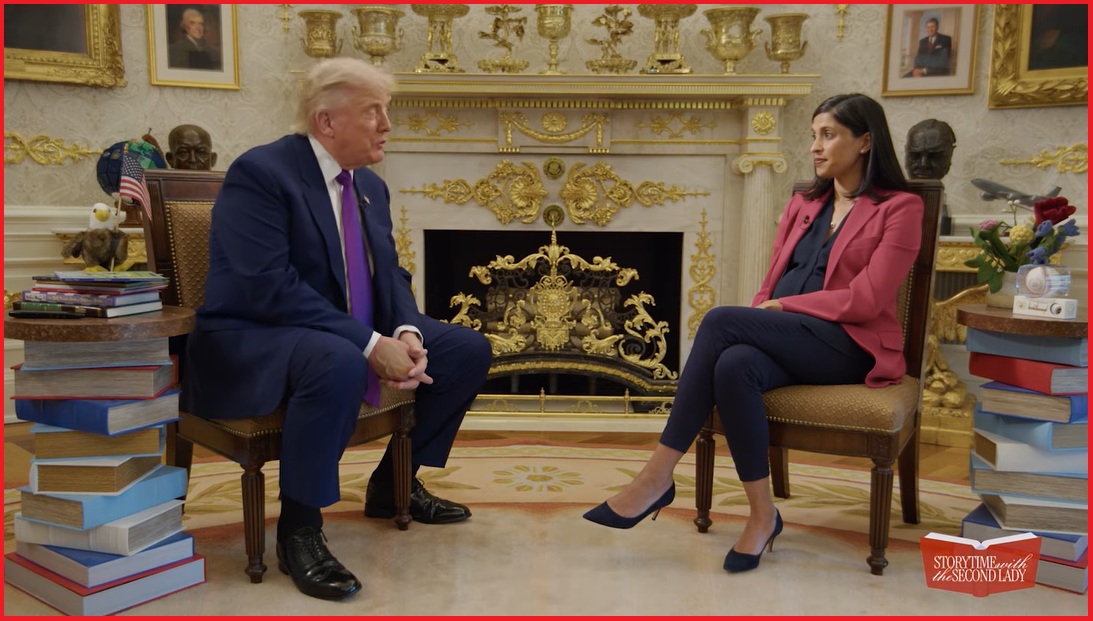
- ‘The second-most good-looking president’: Trump entertains on Usha Vance’s program (Far Right — WorldNetDaily)
- President Trump Reads “Presidents Play” (Far Right — The Last Refuge)
- Melania gives Congress private deadline as she works around Trump's team: report (Far Left — Raw Story)
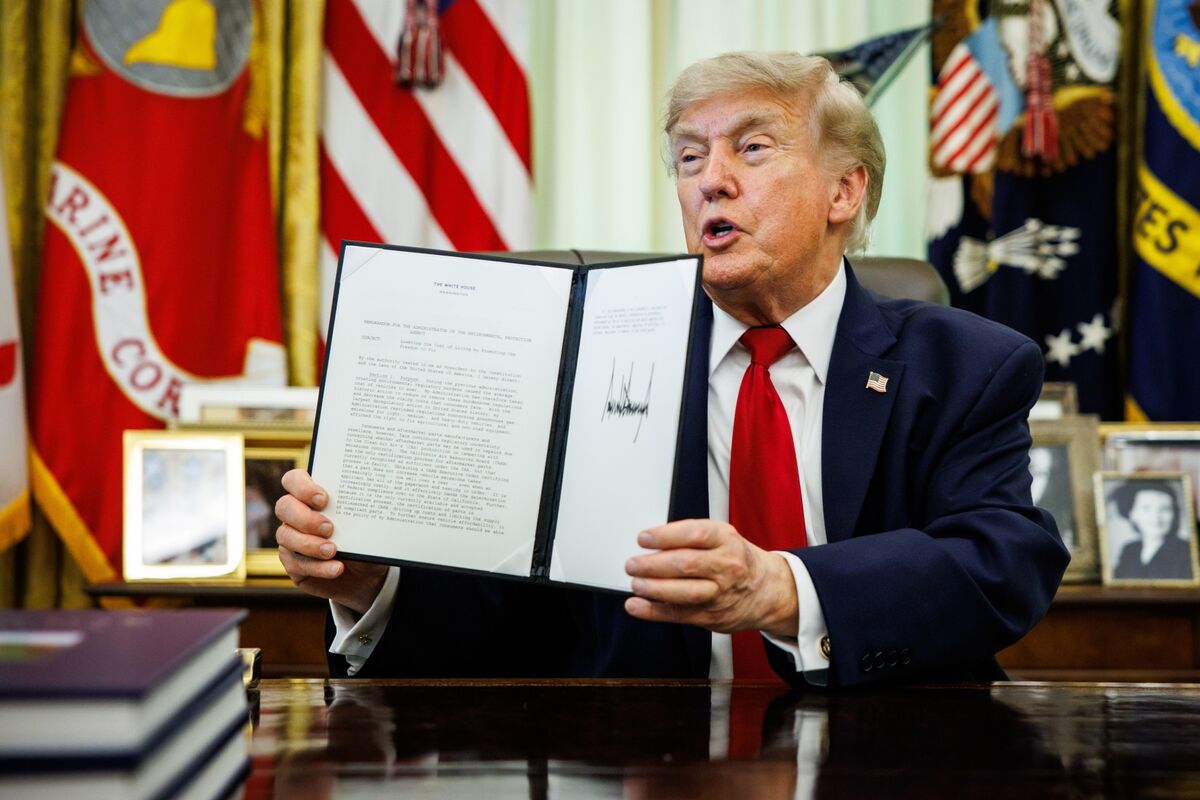
- Trump announces pardons for pollution violators prosecuted for "fixing their car" (Center — Politics - CBSNews.com)
- Trump Pardons Six People Pursued for ‘Fixing Their Car’ (Center — Bloomberg Politics)
- Sources: Trump likely to pardon pollution violators; weighing clemency for Diddy (Center — Politics - CBSNews.com)
More Headlines From March 11, 2026
- Trump-backed candidate wins spot in runoff for Greene House seat (Center)
- Trump Warns Against Iran Putting Mines Around Hormuz | Balance of Show: Late Edition 03/10/2026 (Center)
- Trump-backed Clay Fuller to face Democrat Shawn Harris in Georgia runoff for MTG seat (Center Left)
- Democrat and Republican head to Georgia runoff election for Marjorie Taylor Greene’s seat – US politics live (Center Left)
- Georgia Democrat Leads Vote in Marjorie Taylor Greene’s District (Center)