The Unbelievable Madness of Our War With Iran
Source: The New Republic · Bias: Left
Summary
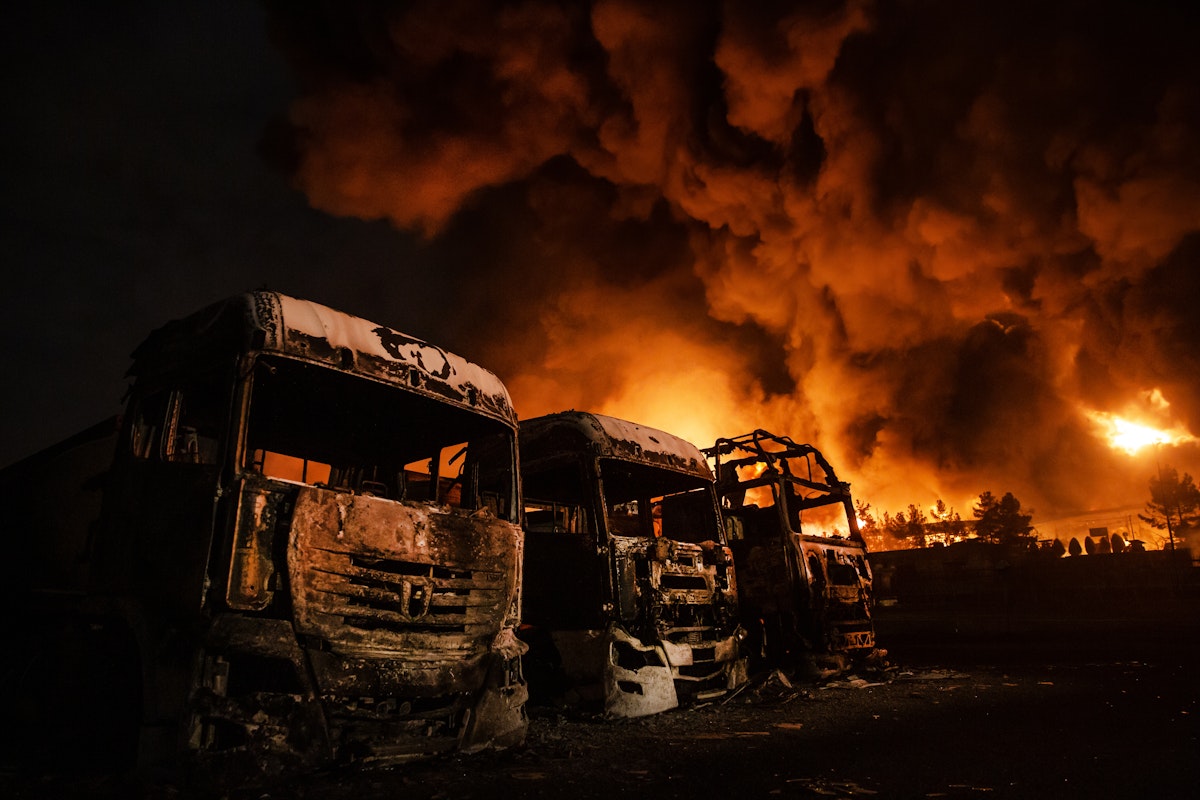
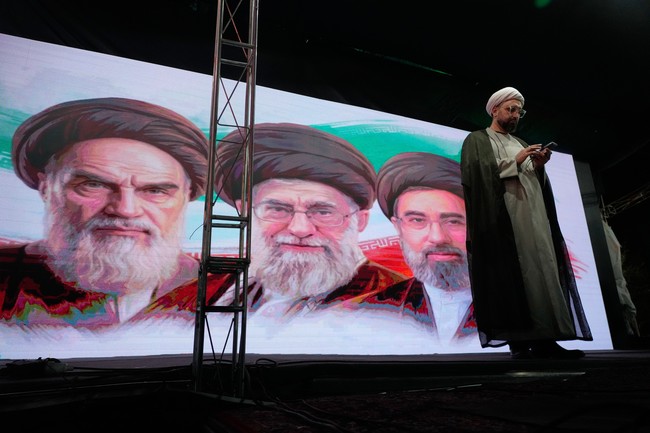
I wrote in July 2024 about my fear that, emboldened by unconditional U.S. support, Israel might launch a full-scale war against Hezbollah in Lebanon that could drag in the United States. Clearly, I failed to comprehend the scope of Netanyahu’s and Trump’s barbaric ambitions.I was right about one thing: Israel did invade Lebanon on October 1, 2024, only four days after assassinating Hezbollah’s Hassan Nasrallah, and 12 days after triggering the pager explosions that killed 42 and maimed almost 3,000. While the two countries agreed to a ceasefire eight weeks later, Israel routinely violated it and faced no consequences. And yet the Israeli invasion and continued bombardment of Lebanon now seem relatively inconsequential when compared to the regional conflagration Israel and the U.S. have ignited by attacking Iran.Within the first day, the United States and Israel conducted approximately 900 airstrikes, killing hundreds of civilians. The strikes targeted Supreme Leader Ali Khamenei, whose martyrdom sparked riots among Shia communities in Bahrain, Yemen, Iraq, and Pakistan. Iran selected his son, Mojtaba Khamenei, as the country’s new supreme leader. While Khamenei Sr. had issued a fatwa, or religious ruling, in 2003 against the production of nuclear weapons, analysts fear that Mojtaba will impose no such restrictions.Iran retaliated within hours, launching missiles at Israel and at U.S. military facilities in Bahrain, the UAE, Kuwait, Qatar, and Saudi Arabia. Within the first few days, Iran also hit Oman, the Azerbaijani enclave of Nakhchivan, a British base in Cyprus. Turkey intercepted two Iranian missiles. Although the Houthi movement in Yemen had not yet joined after the first week, Iran-backed militias in Iraq fired missiles and drones at Israel and at U.S. bases in Jordan.Meanwhile, in addition to launching thousands of airstrikes against Iran, Israel again invaded Lebanon, prompting French President Emmanuel Macron to increase military aid to the Lebanese army, which did nothing to slow Israel’s blitz over Beirut. Israel continued its bombing campaign in Iran, evidently using AI to select such targets as a public park because it was named “Police Park.” No one checked that it had no relation to the police, indicating a lack of human oversight.The number of countries actively or potentially involved in hostilities is growing, with no sign of concern from Israel or the U.S. Iranian President Masoud Pezeshkian announced that Iran would stop attacking the Gulf Cooperation Council states unless attacks were launched from their territory. Soon after, Israel attacked a desalination facility and struck 30 oil storage tanks, derailing the possible reduction in hostilities with the GCC. Residents of Tehran captured videos of the apocalyptic aftermath: massive black clouds and fires burning uncontrollably, followed by a black rain of oil. Targeting oil and water facilities marked an escalation that the Gulf states in particular wish to avoid; in the GCC, 100 million people depend on desalinated water.Although air defenses have deflected most Iranian projectiles, the Gulf countries’ image of peaceful luxury—an image purchased with hundreds of billions of dollars of U.S. weapons—has been shattered. Gulf states are furious with Trump for sacrificing their safety and economic viability for a war that will result either in complete chaos in Iran that could destabilize the entire region or the survival of a regime that is even more hostile, paranoid, and determined to go nuclear. Emirati billionaire Khalaf Al Habtoor channeled the frustration of many in a post on X aimed at South Carolina Senator Lindsey Graham, a close ally of Netanyahu, who has pushed for years for the U.S. to attack Iran. Habtoor wrote, “I say to him clearly: We know full well why we are under attack, and we also know who dragged the entire region into this dangerous escalation without consulting those he calls his ‘allies’ in the region.” The post was later removed. Although they previously welcomed Trump’s presidency, the GCC states are learning the wisdom of Henry Kissinger’s observation, “To be an enemy of America is dangerous, but to be a friend is fatal.”Leaders around the world appear to be struggling to respond to an American administration that is no longer constrained by pretending to care about human lives, the law, or the cost of its hubris. In Europe, only Spain refused to allow the U.S. to use its bases to attack Iran, while France, Switzerland, and Slovenia condemned Trump’s attacks as a violation of international law, as did Russia, China, Chile, Venezuela, and Pakistan. And yet as the price of fuel and food begins to climb, the rest of the world will experience the consequences of failing to hold Israel accountable for its flagrant violations of international law.
Related Coverage
- What Is Iran Building Now in the Zagros Mountains? (Right — RedState)
- Iran threatens response without ‘full implementation’ of US deal (Center — The Hill News)
- Iran’s supreme leader bails on first day of late dad’s funeral ceremonies (Right — New York Post)
- Trump team believed Israel plotted assassinations to derail Iran talks: reports (Far Left — Raw Story)
- ‘It’s crazy’: GOP rebel declares war on Republican leadership (Far Left — Raw Story)
- Iran warns US, Israel against strikes during supreme leader's funeral (Center — NewsNation)
- Iran welcomes foreign leaders for Ayatollah Khameinei’s state funeral (Center — The Hill News)
- Iran plans dayslong funeral for Supreme Leader Khamenei after war death (Center — NPR Topics: News)
More Headlines From March 10, 2026
- Pendulum swings back on economy amid Iran conflict (Center)
- Georgia voters deciding Marjorie Taylor Greene's replacement in special election (Center)
- Oil prices fall and stocks rebound after Trump says Iran war could end ‘very soon’ (Center Left)
- Gas price spikes are slamming Senate battleground states (Center Left)
- Oil prices fluctuate as Trump signals Iran conflict could end soon (Center)