
Truthout
House Votes to Roll Back Food Aid for Women and Children Amid Rising Food Prices
The proposed cut is estimated to strip modest fruit and vegetable benefits from nearly 5.4 million WIC participants.
Far Left
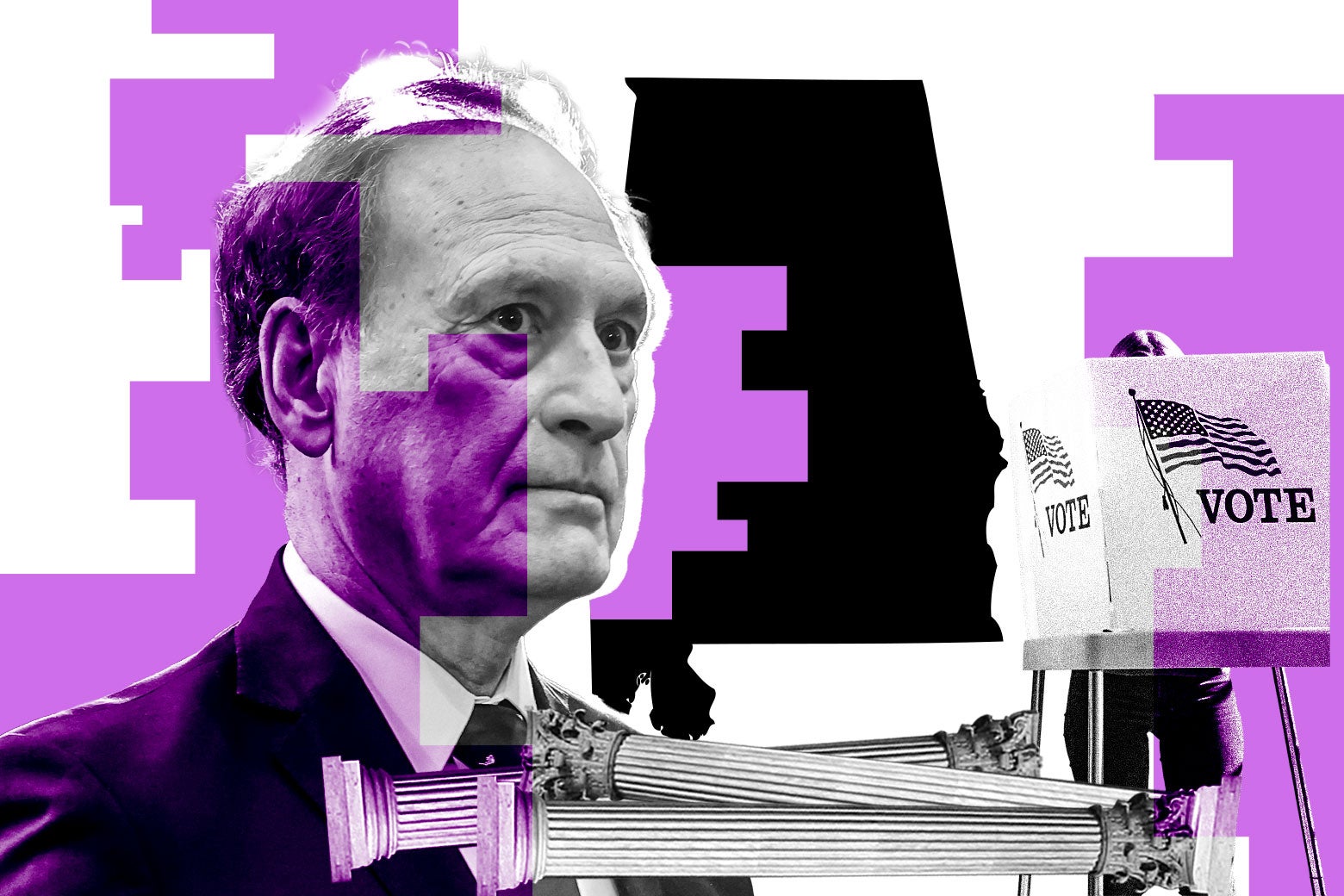
What the Roberts court has just wreaked goes beyond handing an extra House seat to the GOP in the upcoming election.
The proposed cut is estimated to strip modest fruit and vegetable benefits from nearly 5.4 million WIC participants.
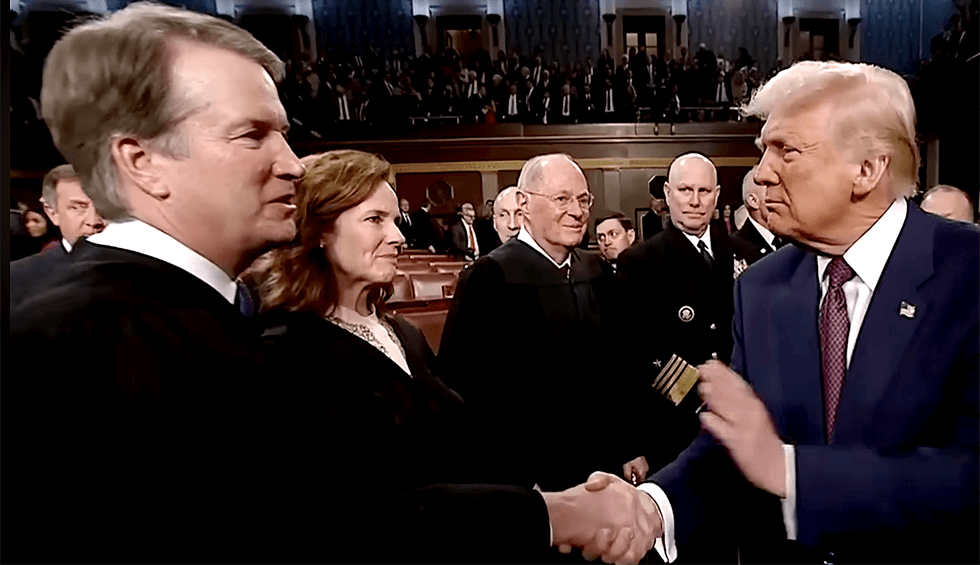
American democracy, writes political commentator Brian Beutler, is trapped in a precarious contradiction. On one hand, outrage against the corruption and harmful leadership of President Donald Trump has made it likely that he and his party will face backlash at the polls, but at the same time, the likelihood of that backlash provides Trump supporters with “fuel for further attempts to overturn elections.” This creates a situation in which “Trump has everything to lose by losing, and nothing to lose by attempting another coup.” And according to Beutler, the Supreme Court has been motivated to help him do it. “While his corruption will make it easier for Democrats to sweep the midterm elections, it will also make him more determined to steal back their victories,” Beutler explains. “That’s why the past month’s news read the way it did: A slush fund to buy a second insurrection. An election-denying prosecutor in North Carolina named Dan Bishop who’s up to god knows what. A promotion for the acting attorney general who’s promised Trump total loyalty. A new interim spy chief, chosen for his willingness to mine confidential government documents seeking dirt on Trump’s enemies. All while Trump increases the pace of looting, and abandons any pretense of trying to win the old-fashioned way.”More alarming still, says Beutler, is that Republicans in key positions “seem willing or eager to go along with him. His allies in state legislatures helped national Republicans steal perhaps five to 10 House seats through mid-Census gerrymandering. They were given a leg up by Republicans on the Virginia Supreme Court, which summarily voided a voter-approved pro-Democrat gerrymander, and by Republicans on the U.S. Supreme Court, who allowed southern Republican legislatures to redraw congressional maps in the middle of primary elections, creating new Republican seats just in time for the midterms.”And it is this meddling by the courts that Beutler argues should have Americans most concerned. As he notes, while in 2020, the Supreme Court and lower courts across the country rejected Trump’s efforts to overturn the election, now, the political landscape has changed, and “they, too, have everything to lose by losing, and nothing to lose by helping Trump complete his coup. In the winter of 2020, their interests diverged, or at least seemed divergent. Today, they are completely aligned.”When Trump staged his political comeback, says Beutler, he “gave the Republican justices a choice: you’re with me or you’re with the Democrats. They didn’t hesitate to pick a side. They went out of their way to protect Trump from political and criminal accountability for the January 6 insurrection. Then when Trump returned to power, they used their shadow docket to advance his interests by fiat, without explaining themselves to the public. And that was before their ruling in Callais, which transformed the Voting Rights Act from a statute that prohibited gerrymanders intended to disenfranchise black voters into a doctrine meant to encourage anti-black gerrymanders and forbid pro-minority gerrymanders.”They’re taking such action because “they can see the anti-Trump rebellion brewing, and they know it doesn’t just threaten their power. It threatens to consign them to the legal anticanon along with some of the country’s greatest historical villains. ... Every law student in America learns about the anticanon — the worst rulings in the Supreme Court’s history: Dred Scott, which upheld slavery. Plessy, which upheld segregation.” Now the Roberts Court has been adding its own decisions that will be decried by history, such as gutting the Voting Rights Act and “Trump v. United States, which transformed the presidency into a zone of lawlessness for would-be dictators.”Today, as Beutler explains, Republicans face a near-future where Democrats score big midterm wins, flipping key districts and states and maybe taking back the Senate, which would allow them to block Trump’s judicial nominees and agenda. “Now ask yourself,” Beutler wonders, “what wouldn’t Roberts and the other justices do to stop this?” In the face of such sweeping Democratic wins, forecasts Beutler, “Trump alleges fraud. So does the loser, Ken Paxton, who also happens to be [Texas’s] sitting attorney general. They race to federal court, claiming Paxton is the rightful victor. A Republican judge disqualifies enough ballots to flip the result. Democrats appeal. The appeal reaches the Supreme Court quickly. Control of the Senate, and thus the legitimacy of the entire U.S. government, hangs in the balance.”
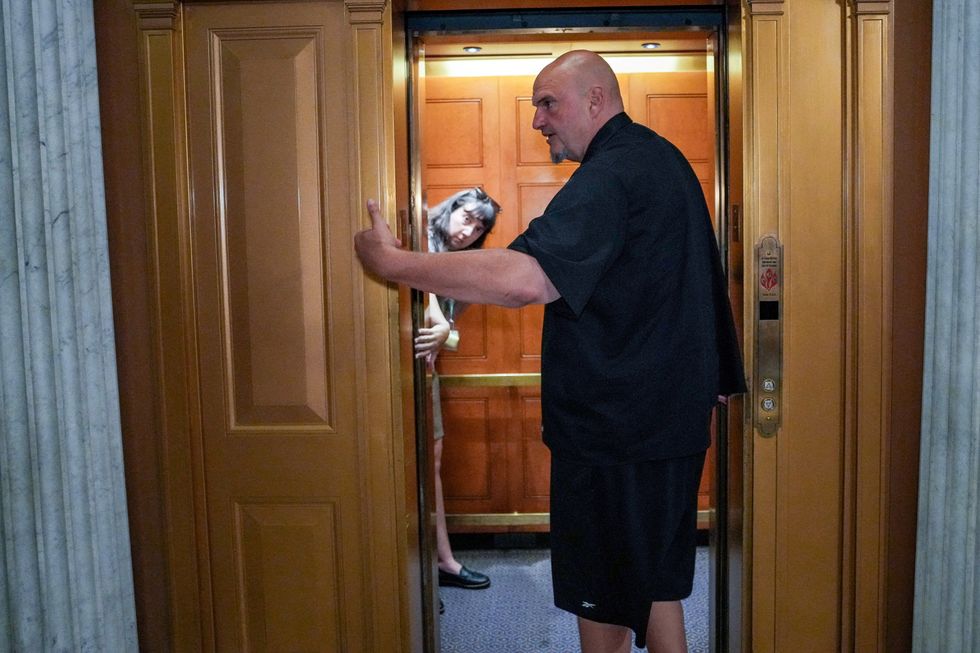
Sen. John Fetterman (D-PA) sparked another wave of liberal outrage after becoming the first Senate Democrat to clear the path for one of President Donald Trump’s judicial nominees during the president’s second term, Punchbowl News reported Friday.Fetterman has become something of a pariah among Democrats after routinely siding with Republicans on various issues, including matters related to immigration enforcement, Trump’s war powers and Israel’s bombardment of Gaza. And on Friday, Punchbowl News confirmed that he had waived his right to block Trump’s lifetime nomination of a federal judge in Pennsylvania, sparking fury among a major liberal and anti-Trump advocacy organization.“These are not normal times, and any senator who thinks that this is standard operating procedure and that any of these nominations are normal course of operations is deluding themselves,” said Josh Orton, president of the organization Demand Justice, speaking with Punchbowl News.“If Democrats truly believe that we have to stand up to Trump’s attacks on the rule of law, they have to do so in every room — not just on Twitter and not just on TV.”Fetterman cleared the path for the Trump-tapped Antonio Pozos to serve as a lifetime federal judge for the Eastern District of Pennsylvania, doing so by turning in his blue slip, a process that waives his right to oppose Pozos’ appointment.“It’s the first time in Trump’s second term that a Senate Democrat has turned in a blue slip for one of Trump’s judicial picks,” Punchbowl News’ report read. “The move is already setting off yet another battle between Fetterman and his numerous critics on the left, who demand unyielding opposition to Trump, particularly on lifetime appointments to the federal bench.”

Six Republican senators sided with Democrats early Friday to vote against advancing the extension of warrantless spy powers set to expire next week, complicating efforts to keep it alive. The procedural vote failed by a vote of 47 to 52 after Sens. Josh Hawley (R-Mo.), Mike Lee (R-Utah), Rand Paul (R-Ky.), Eric Schmitt (R-Mo.), Rick…
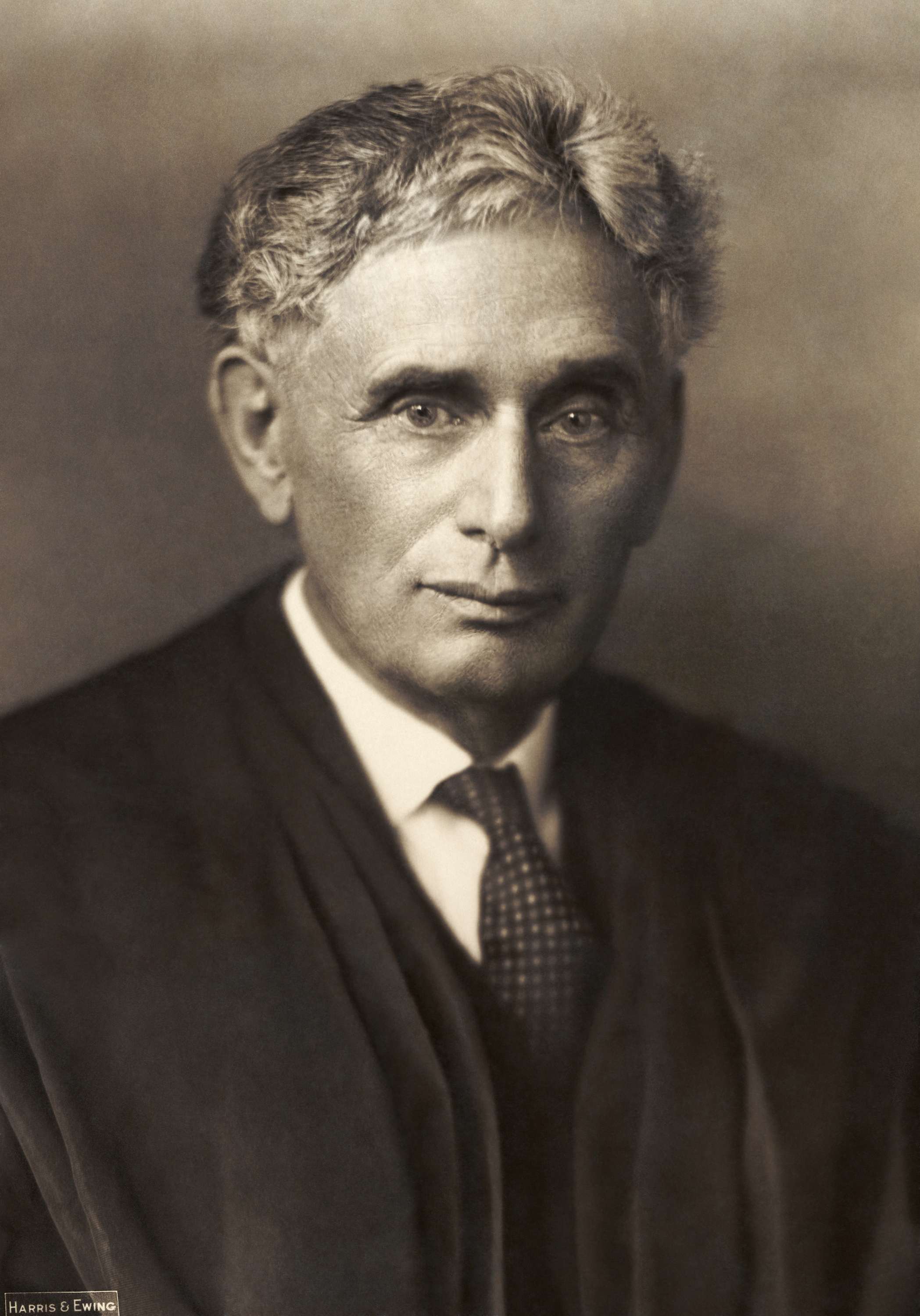
6/5/1916: Justice Louis Brandeis takes the oath. The post Today in Supreme Court History: June 5, 1916 appeared first on Reason.com.

The Senate pulled an all-nighter Thursday, voting just before dawn to pass the $69.5 billion budget reconciliation package that funds immigration enforcement operations through 2029. The night was not without GOP defections on various amendments, from trying to prohibit President Trump’s anti-weaponization fund to a protest vote against William Pulte’s appointment to lead the U.S.…

A three-judge panel will consider whether a lower court erred in ordering construction stopped until President Trump secured the support of Congress.
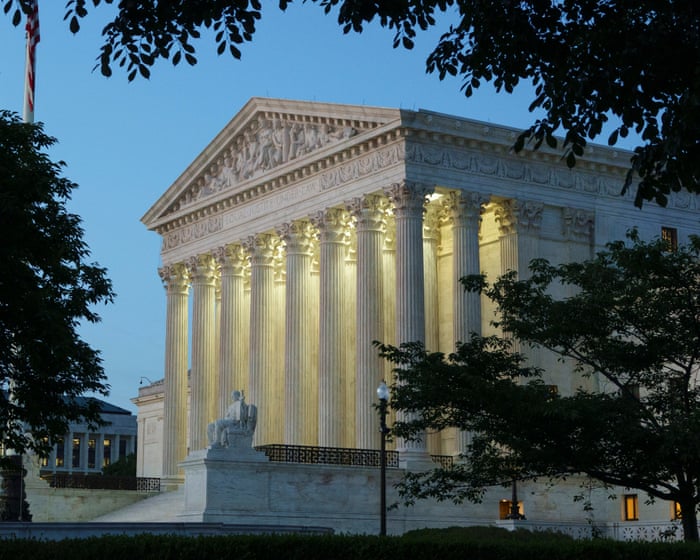
Justices uphold FCC authority to impose in-house penalties, rejecting AT&T and Verizon jury trial claimsSign up for the Breaking News US newsletter emailThe US supreme court backed the Federal Communications Commission’s system for levying fines, ruling on Thursday against wireless carriers AT&T and Verizon in their challenge to the agency and handing a win to Donald Trump’s administration.The ruling was 8-1. At issue in the legal dispute was whether the agency’s in-house proceedings for imposing the penalties deprived the companies of their right to a jury trial under the US constitution. Trump’s administration defended the FCC’s system for assessing financial penalties, known as forfeiture orders. Continue reading...