The Joy of the World Cup Just Collided With Trump
Source: The New Republic · Bias: Left
Summary
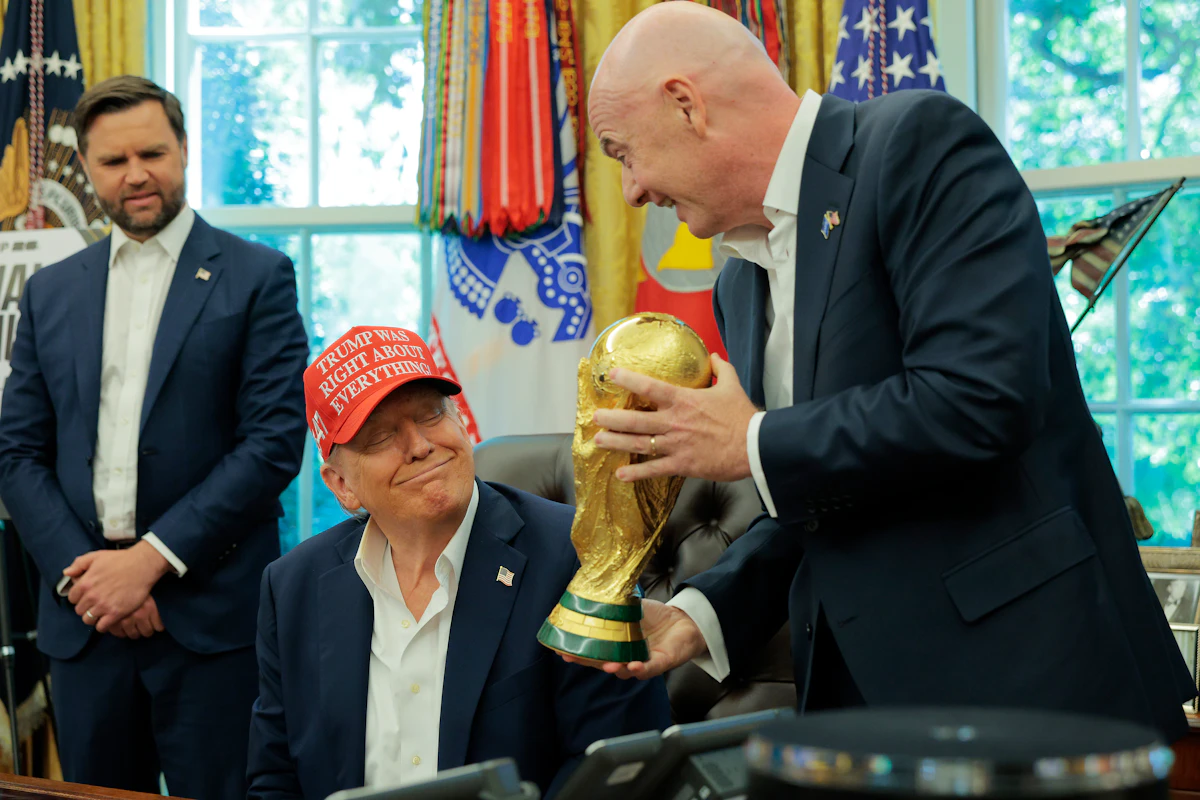
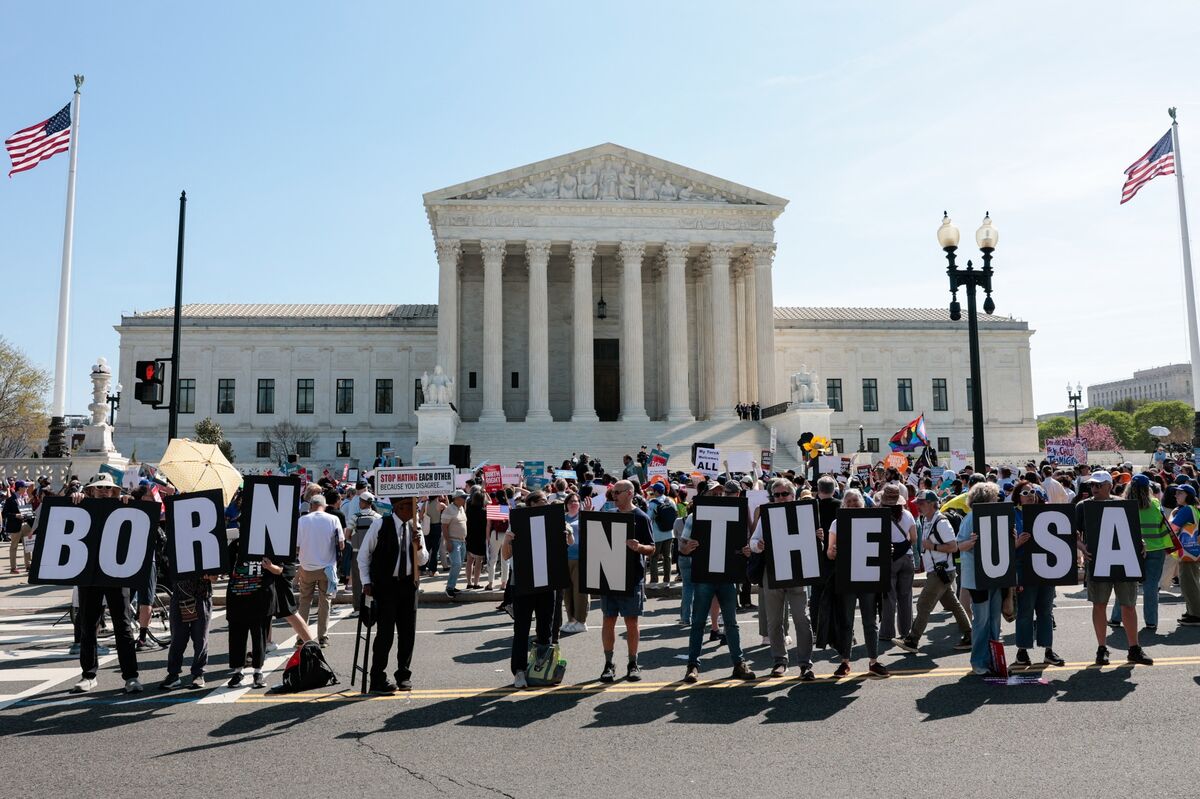
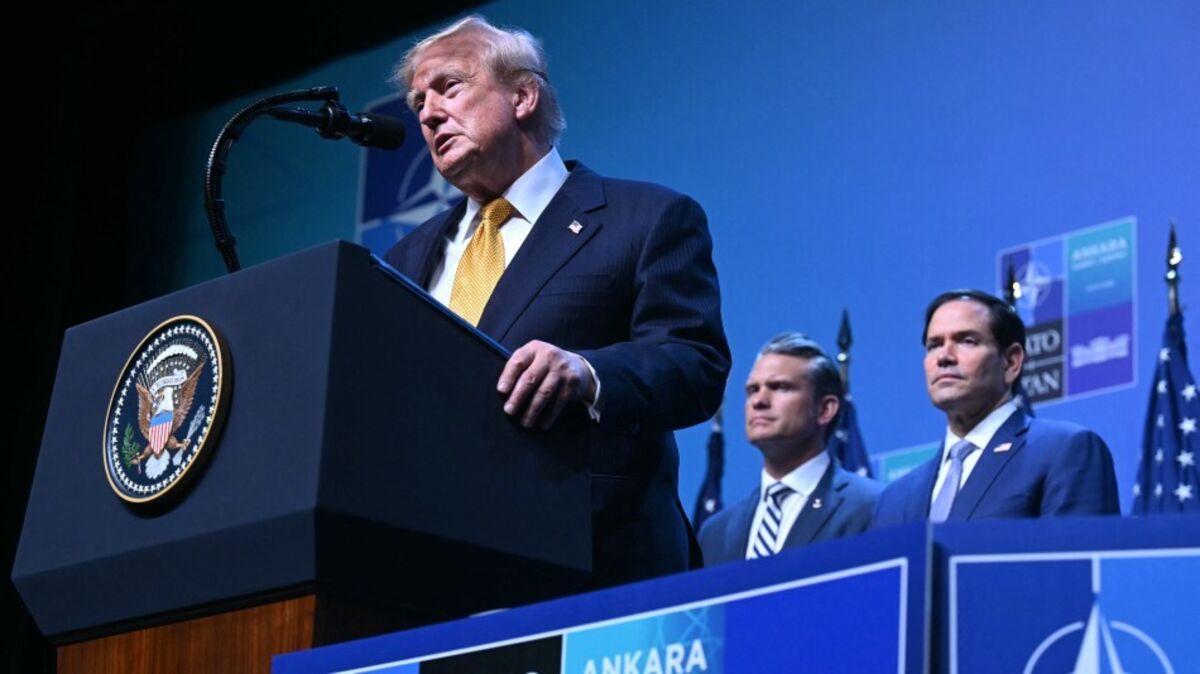
This year’s World Cup has been unusually thrilling on the field, even by the tournament’s high standards for drama, and has largely gone off without a hitch, despite prior concerns about stadium travel logistics for fans and whether the obscenely expensive matches would sell out. But the Cup has not been without off-field controversy, thanks largely to the Trump administration’s xenophobia. The U.S. blocked a FIFA referee from Somalia from entering the country, and did not allow the Iranian national team to stay in the country for more than one night before its two matches in Los Angeles, forcing them to be based in Tijuana, Mexico (for Iran’s third match, in Seattle, the team was allowed to arrive two nights beforehand, though the team had to leave the country soon after each of their games concluded).Yet those moves, and the unavoidable reality that the principal host nation is run by an authoritarian president, somehow have not sullied the World Cup, which, at its best, serves as a potent display of multiculturalism and global togetherness. Hundreds of thousands of fans from all over the world have been welcomed to the U.S., whose national team includes players who have spent most of their lives living abroad, principally in Europe. No player better represents that World Cup than Folarin Balogun, a star striker at Monaco in France’s top league and the U.S. team’s highest scorer in this tournament. Balogun is a U.S. citizen only because his mother was deemed too pregnant to fly back to England from the U.S. In other words, as many have pointed out, he is precisely the type of birthright citizenship case that Trump wishes to abolish.The team last week won its first knockout game in 24 years because of a goal from Balogun, but he was later given an unduly harsh red card, which triggered a series of events that have engulfed FIFA in particular, and the World Cup in general, in a typically Trumpian controversy that may sour the event from here on out.That red card carried a one-match ban for Balogun, with no chance to appeal, thereby keeping him out of Monday night’s game against Belgium in the round of 16. But on Sunday, FIFA announced that it had effectively lifted his punishment, allowing him to play while on probation of sorts. Why did FIFA do this? Because they can, mostly. There is a statute in their rule book that allows them to suspend red cards whenever they want, a power they used ahead of this tournament so that several players—notably global superstar Cristiano Ronaldo—could play in opening matches that they otherwise would have had to sit out. FIFA has a long history of bending the rules in the interest of providing the best possible on-field entertainment.Which is just another way of saying that FIFA doesn’t care nearly as much about the integrity of the sport as it does about money. The success of the U.S. Men’s National Team is important to FIFA because the U.S. is the tournament’s main host and source of revenue. Because of the cost of tickets and the Trump administration’s nativist immigration policies, U.S. residents are also the people buying the most tickets. So it’s in FIFA’s financial interest to keep the U.S. happy. FIFA surely knew that wiping out Balogun’s red card, even though the ref’s decision was widely considered wrong, would be controversial—but it bet that ultimately people would forget about it because during World Cups, the on-field action almost always prevails over off-field issues. That might have been the case here, except for one thing: Trump. The Balogun reversal has grown into an international incident largely because, as The New York Times reported on Sunday, the president intervened on behalf of the USMNT with a call to FIFA president Gianni Infantino. By Monday, Trump was patting himself on the back. “I asked for a review by FIFA. I spoke to a man who’s highly respected.… I’m the one who got them to do it,” he said at a press conference. “It was not Biden, Biden was asleep!”The Royal Belgian Football Association appealed the decision, but FIFA on Monday afternoon rejected it. The Union of European Football Associations, Europe’s governing body, has come to Belgium’s defense, turning this into a nasty proxy fight. The USMNT is caught in the middle.The reversal of Balogun’s suspension is part of a long history of FIFA inserting itself to protect its own interests. But what makes this decision different, and what has elevated it into a profound crisis, is Trump’s involvement. Even with the USMNT’s on-field success, the administration has largely kept quiet, at least by its standards. Administration officials, such as Secretary of State Marco Rubio and Secretary of Health and Human Services Robert F. Kennedy Jr., have attended games, but the president has been relatively quiet.But that was never going to last. Trump had long planned to not just attend the Cup final but to hand the trophy to the captain of the winning team.
Related Coverage
- (VIDEO) Trump Trolls MS NOW Reporter During NATO Press Conference: “That’s a Failing Network. Why Would You Want to Work for Them?” (Far Right — The Gateway Pundit)
- President Trump Switches Aircraft from Turkey to the U.K. (Far Right — The Last Refuge)
- (VIDEO) Trump Addresses Assassination Concerns After Sending New Air Force One to Europe Instead of Flying Home on Plane – UPDATE: Press Told to Keep Window Shades on Air Force One Closed (Far Right — The Gateway Pundit)
- Trump to Seek Supreme Court Rehearing on Birthright Citizenship (Center — Bloomberg Politics)
- Trump Says US May Strike Iran Again, Threatens New Blockade (Center — Bloomberg Politics)
- Trump launches ferocious bombardment on Iran after regime placed deadly bounty on his head (Right — US Politics: Latest News, Comments and Breaking Stories | Mail Online)
- Appeals court denies Trump’s bid to pause Kennedy Center name removal while appeal plays out (Center — The Hill News)
- Trump Tries To Take Credit for a Walmart July 4 Grocery Sale (Center Right — Reason.com)
Daily Analysis
Read the full Parallax Pulse for July 6, 2026 — an AI-powered analysis of how Left and Right media covered the biggest stories this day.
More Headlines From July 6, 2026
- Platner Faces Growing Democratic Calls to Drop Out (Center Left)
- Massive brawl breaks out inside FIFA Fanzone on National Mall during USMNT World Cup game (Right)
- Troy Jackson calls for Platner to drop out: ‘I’m the best person to replace him’ (Center Right)
- Democratic Senate nominee faces rape allegation (Center Left)
- Platner's paper tiger progressive coalition crumbles after bombshell rape allegation (Right)