The Enduring Vigilante Credo of Bernie Goetz
Source: The New Republic · Bias: Left
Summary
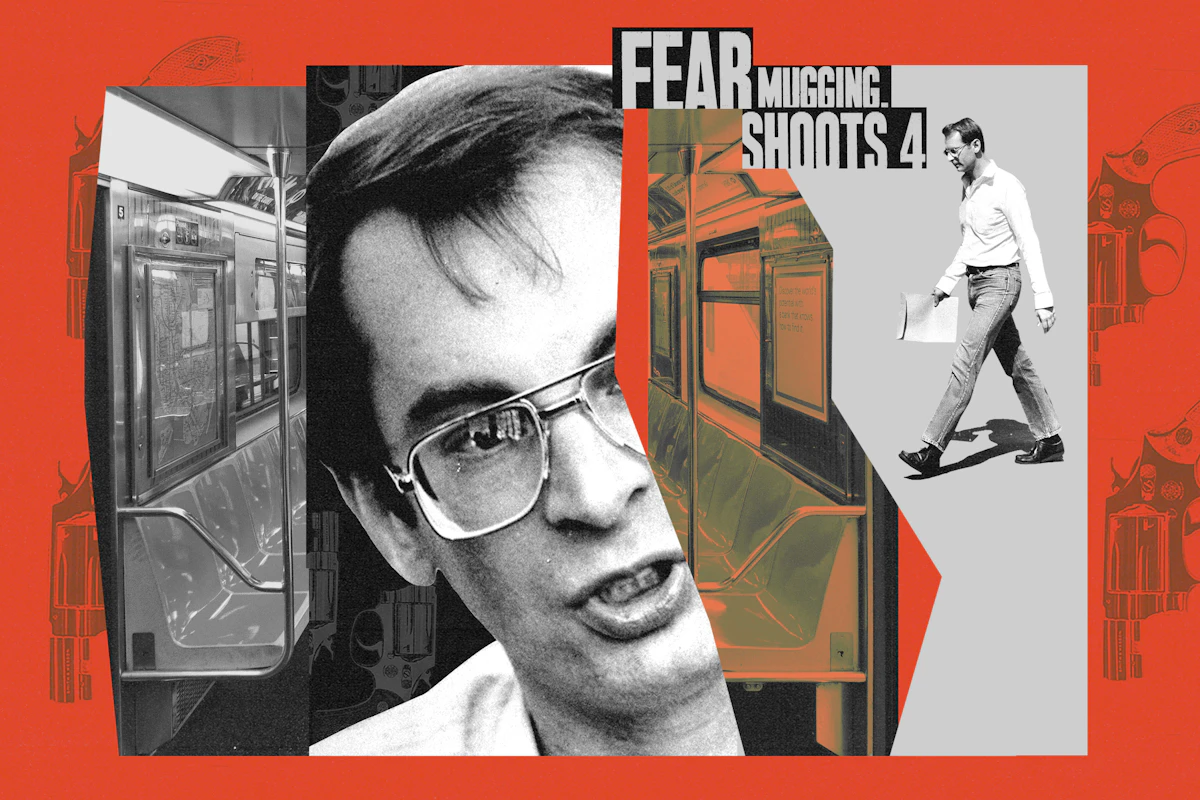
One Saturday afternoon in December 1984, a man got onto the number 2 train going downtown at West 14th Street in Greenwich Village. Blond, glasses-wearing, and scrawny, he did not fit anyone’s stereotype of a dangerous man. But he was carrying, under his waistband, an illegal weapon: a .38 Smith & Wesson in a quick-draw holster.The man got on the train, boarding in the same car as four Black teenagers. The four kids were hanging out, chatting loudly, dangling on the handrails, joking. They were on their way to a downtown arcade, they later said, where they intended to jimmy open video game machines to steal the quarters, a low-grade crime in a city that still ran on change rather than plastic. To do that, though, they needed a few bucks to play. Most of the passengers in the car were at the other end of the train.What happened next? Everyone agrees that one of the young men, Troy Canty, leaned over to ask the slight man for five dollars, a gesture that virtually no one interprets as friendly. But did the teenagers surround the man with the intention of intimidating him, even mugging him, as the man would later claim? Was there a plan to commit a robbery? Or were they sprawled throughout that end of the car, as they insist and eyewitnesses agreed, the farther two not even sure what their friend was saying to the strange man?Regardless, the man’s response was immediate: He got into a crouch, took out his gun, and started shooting. First, he shot Canty. Then he blasted away at the next closest, Barry Allen, and then James Ramseur. Panic spread among the passengers; one rider thought his intent might be to kill all Black passengers, and a young couple riding with their infant was desperate to protect the baby. When he got to Darrell Cabey, the fourth young man, who by that time was cowering, terrified, in a subway seat, he said: “You don’t look too bad—here’s another,” before shooting and severing his spinal cord. Cabey would never walk again. Then he disappeared into the tunnel, vanishing into the winter afternoon.The louche metropolis of New York City in the 1970s is a site of intense nostalgia. In popular accounts, the graffiti-stained, arson-plagued city resembles Florence in the Renaissance, a musical genius at every block party and dive bar. New York in the 1980s—not so much. Hyped up on “Bolivian marching powder,” defined alternately by tragedy and crass commerce, with AIDS, the stock market, and homelessness all on the rise, New York in the 1980s is grim, and it doesn’t get nastier than the story of Bernhard Goetz, the “subway vigilante.” Forty-two years later, the raw facts of the case remain shocking: that this act of violence happened at all, in the middle of the afternoon, in a New York City subway car; that the shooter was on the run for nine days until he turned himself in in New Hampshire; and most of all, that a man who could unleash such chaos would become known as a hero in the city, celebrated (at least briefly) for his willingness to stand up for something called public order.Two new books—journalist Elliot Williams’s Five Bullets: The Story of Bernie Goetz, New York’s Explosive ’80s, and the Subway Vigilante Trial That Divided the Nation, and historian Heather Ann Thompson’s Fear and Fury: The Reagan Eighties, the Bernie Goetz Shootings, and the Rebirth of White Rage—explore the Goetz shooting and the ferocious responses to it in the city, with an eye toward what these tell us about racism, crime, and gun violence in the United States. Each book stays close to the events of December 22, 1984, the reaction in the city, and the trials that followed, and yet they come to very different conclusions about its meaning for the city. Williams provides a streamlined, careful narrative of the shooting and its aftermath. It is more conventional, in that Goetz (whom Williams interviewed) is the focus—his psychology, the question of whether there is any way that his actions could be justified, and the way he became a cause célèbre for gun rights organizations including the National Rifle Association. Thompson has a different project. She shows, in depth and detail, the damage done by Goetz’s bullets to the bodies and psyches of the four young men and their families. Relying heavily on the papers of Ron Kuby, the lawyer who represented the Cabey family in civil court, her narrative is suffused with anger and indignation, and at times it can feel as though Thompson is mounting her own brief against Goetz and the machine that promoted his side of the story.The public response to the shooting demonstrated that there was a reservoir of support for revanchist violence if it were justified under the guise of fighting crime. The aggrieved paranoia of white New Yorkers in the early 1980s, Thompson suggests, taught the right a new political language—one that would be adopted and honed by figures including Rudy Giuliani and, ultimately, Donald Trump.Thompson begins her story with Darrell Cabey.
Related Coverage
More Headlines From March 12, 2026
- Oil price surges as Iran steps up attacks on ships in the Persian Gulf (Center)
- U.S. investigates strike on Iranian school as the war sparks a global oil crisis (Center)
- Trump says the 'quiet part out loud' with brag US makes 'a lot of money' from oil crisis (Left)
- Trump releasing 172M barrels of oil from reserve as prices soar amid Iran war (Center)
- Live updates: Energy secretary emphasizes ‘short-term’ spike in oil prices; Senate to take up DHS funding (Center)