Vance Warns Israeli Cabinet Against Attacking Trump’s Iran Deal
US Vice President JD Vance hit back at Israeli cabinet members who have criticized Donald Trump’s interim peace deal with Iran.

On Thursday, the White House X account posted a boast that fell flat with respondents and drew a particularly scalding burn from a prominent conservative. “Oil is flowing and gas prices have begun tumbling down,” posted the White House. “Now below $4 per gallon nationally.”“From the arsonist putting out fires files,” replied Gregg Nunziata, a former staffer for the likes of Secretary of State Marco Rubio and Senator John Thune (R-SD) and Executive Director for the conservative Society for the Rule of Law. Nunziata is referring to the fact that gas prices had only surged in the first place because of President Donald Trump’s decision to launch war with Iran, peaking at a national average of around $5 per gallon — the highest in four years. And while the Trump administration is bragging that prices have begun to creep down, experts warn that the high prices could persist for months before the country sees a significant and lasting reduction at the pumps. “Even as gas prices start to decline, it is anticipated to take weeks or months for oil to start flowing through the Strait of Hormuz again,” explains PBS. “Before the war, the strait carried a fifth of the world's crude oil. Now, it will take time for hundreds of ships trapped in the Persian Gulf to exit through the narrow strait. And Gulf oil producers that throttled back production will need time to get the oil moving again. Analysts also say ship captains may take their time to decide if passage is safe and that the threat of attack from Iran has truly receded. In addition, refineries typically pay for crude oil a month or more in advance, so even after oil prices drop, they won't immediately be processing cheaper products.”What’s more, as the New York Times notes, there may also be domestic pressures that keep gas prices elevated. “Energy analysts refer to the swing of prices as ‘up like a rocket, down like a feather’ — a phenomenon that means gasoline costs quickly rise alongside the price of crude oil but are slow to follow its descent,” explains the Times. “One of the main reasons is that gas station owners tend to lose money or make only small profits when prices are shooting up because they are not able to raise prices fast enough to make up for soaring costs. So when wholesale prices start to go down, station owners are slow to bring retail prices down to make up for their poor financial performance on the way up.”In the meantime, the response to the White House’s post suggests that, like Nunziata, many Americans see through the administration’s attempt to spin the situation as a win. “All it cost us tax cattle was $29 billion in military expenses, $100 billion in negative impacts to consumers, and 70 million barrels of oil from the Strategic Oil Reserves,” noted one respondent. “All just to end up with the same situation as we had before. Great work everyone.”“And all we had to do was sign a surrender agreement and create a $300 billion reparations fund,” noted Huffpost correspondent S.V. Date. “Alternatively he could have stayed in the JCPOA, which Iran was abiding by.”“The collective cringe to this attempted spin is overwhelming,” asserted Jim Stewartson, who writes about the impacts of psychological war on democracy.
US Vice President JD Vance hit back at Israeli cabinet members who have criticized Donald Trump’s interim peace deal with Iran.
Vice President JD Vance argued that the White House can lift oil sanctions against Iran without the approval of Congress, as Republicans express concern over the economic relief listed in a newly signed peace deal. “We actually have an opinion from OLC that we feel quite confident about that,” Vance said in a Thursday press […]
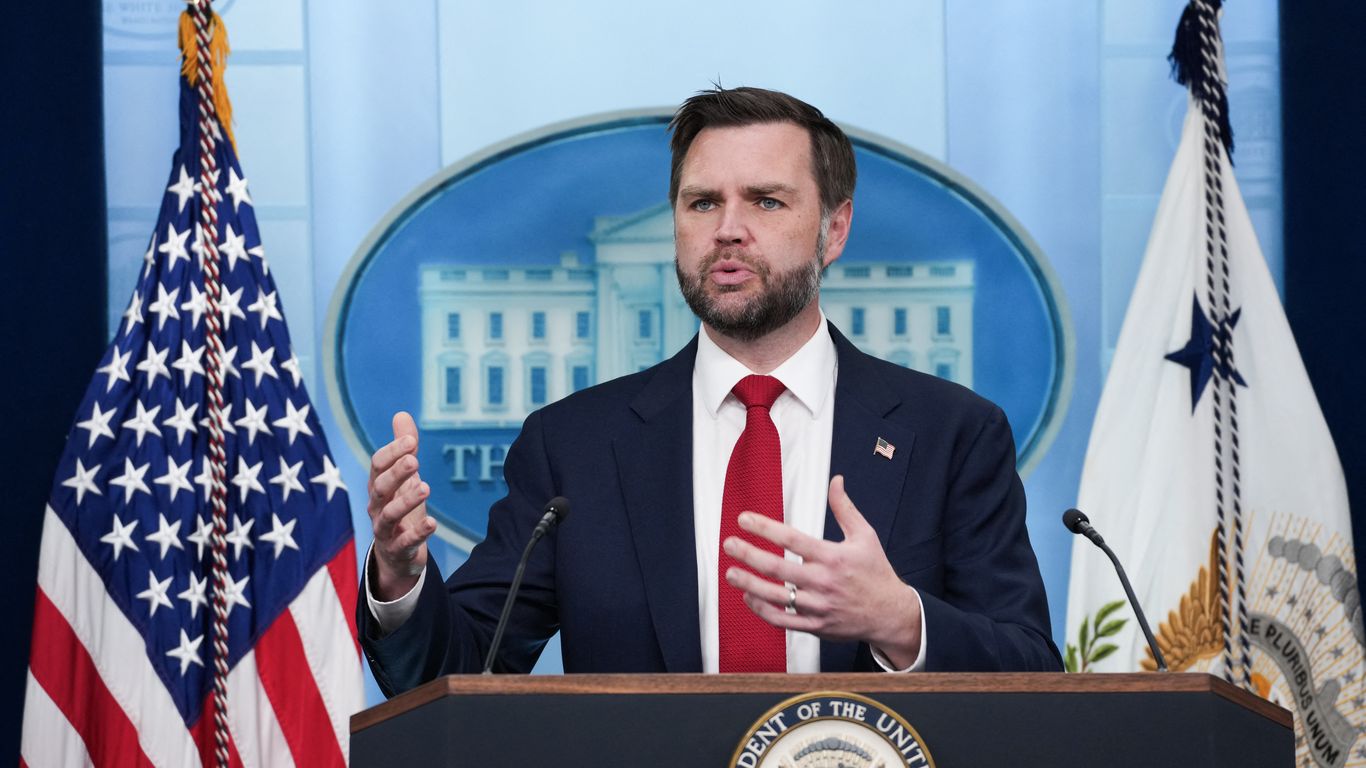
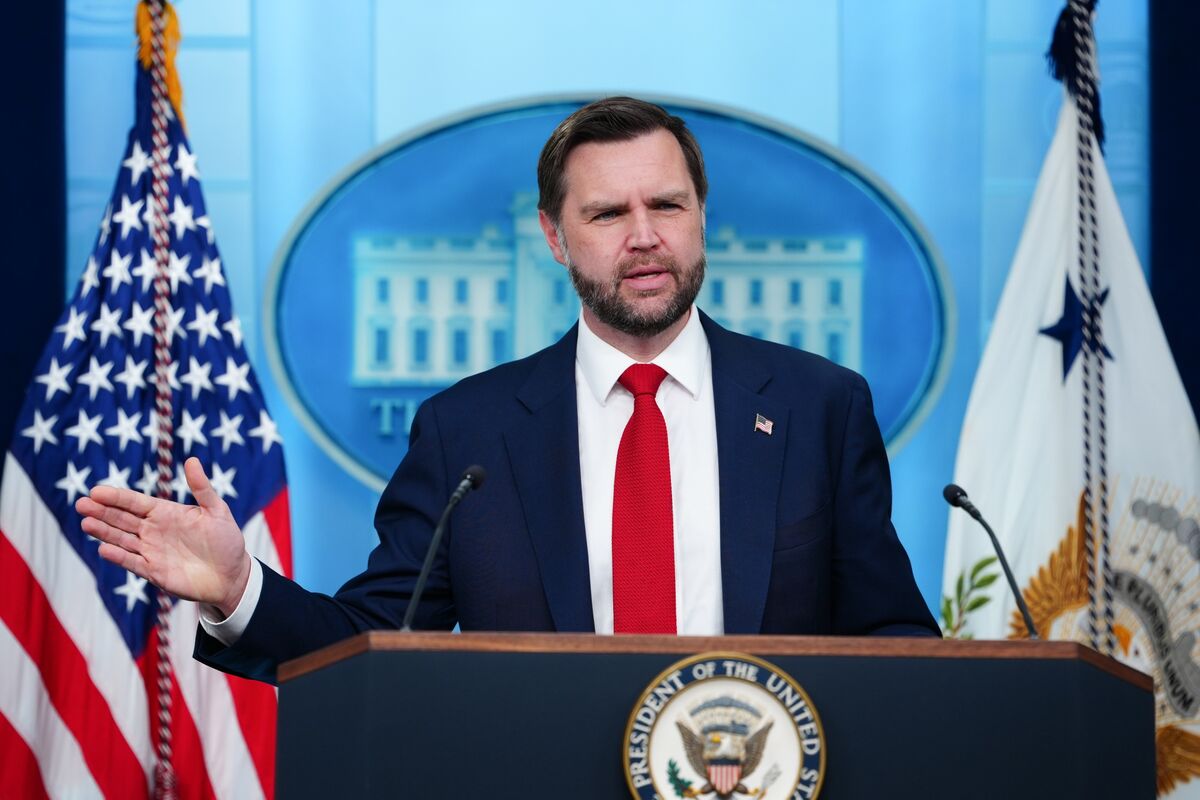
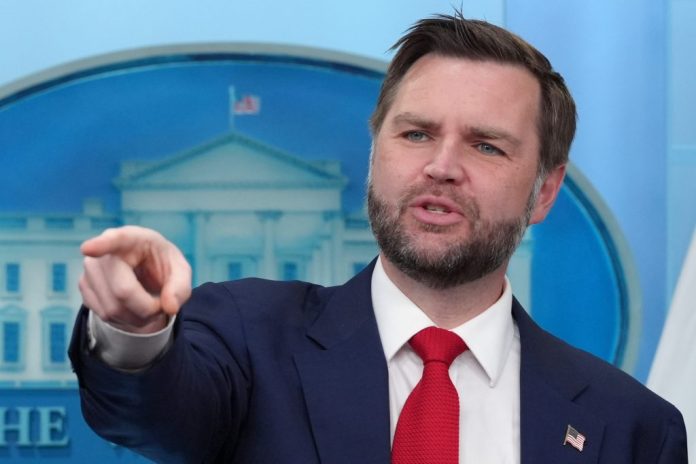
Vice President Vance on Thursday issued a blunt warning to members of the Israeli government who have been attacking the deal with Iran: President Trump is the only friend you have left, and it would be unwise to cross him.Why it matters: Vance gave public voice to the consternation many on Trump's team have felt with Prime Minister Benjamin Netanyahu's government over the past three months. He also issued a veiled threat that if Israel undermines the deal, U.S. military support could be impacted.What he's saying: Asked about an Axios report that Netanyahu and his political allies were "fuming" over the deal, Vance said he'd read the story but hadn't experienced any fuming from Netanyahu — though he had been "bothered" by members of the Israeli cabinet attacking Trump over the deal. "Donald J. Trump is the only head of state in the entire world who is sympathetic to the nation of Israel at this moment in time, and he happens to be the head of state of the world's superpower. If I was in the cabinet of the Israeli government, I might not be attacking the only powerful ally that I have anywhere left in the entire world," Vance said.Vance added that Israel should consider that "two-thirds of the defensive weapons that have protected your homeland have been built by American hands and paid for by American tax dollars.""The problem for Israel is not Donald J. Trump, and anybody in Israel who thinks their biggest problem is the President of the U.S. needs to wake up and smell the reality of the situation that country is in," Vance said.The other side: Netanyahu has kept his frustrations with the deal private, but has been venting in private conversations, sources say.Some senior members of Netanyahu's cabinet — including ultranationalist ministers Betzalel Smotrich and Itamar Ben Gvir, but also ministers from Netanyahu's Likud party — have attacked Trump over the deal. Pro-Netanyahu voices in the Israeli media have made personal attacks against Vance as well as Trump's envoys Jared Kushner and Steve Witkoff.On Thursday, Netanyahu said the current situation requires the Israeli government to "remain calm, stand firmly on our security interests and at the same time preserve the important relationship with our American friends, who fought shoulder to shoulder alongside us, and for that we are deeply grateful."At the same time Netanyahu said Israel will not withdraw from the territories it has occupied in southern Lebanon "as long as Israel's security needs demand it."Friction point: The U.S.-Iran memorandum of understanding says the ceasefire includes the fighting between Israel and Hezbollah, and Israel would have to withdraw from Lebanon under any final deal.Vance said in a press conference on Thursday that the U.S. expects Hezbollah not to launch attacks against Israel, but also expects the Israelis "not to be going wild" in Lebanon. "The Israelis have to respect this peace process...the president's expectation is that all of our friends, the Israelis, the Arabs in the region are gonna work together and actually see this deal to completion," he said.A day earlier, Trump reiterated his criticism of Israel for knocking down "an apartment house every time you're looking for someone" in Lebanon.The latest: After Vance's press conference, Trump posted on Truth Social encouraging "everyone in the Middle East Region" to allow the deal to unfold successfully. "We expect a complete Ceasefire on all fronts, including Lebanon, Hezbollah, and Israel," he added.Go deeper: U.S. and Iran sign deal ahead of schedule
Senate Armed Services Chair Roger Wicker says Iran deal negotiates away U.S. victories, warning the $300 billion fund dwarfs Obama's 2015 agreement.
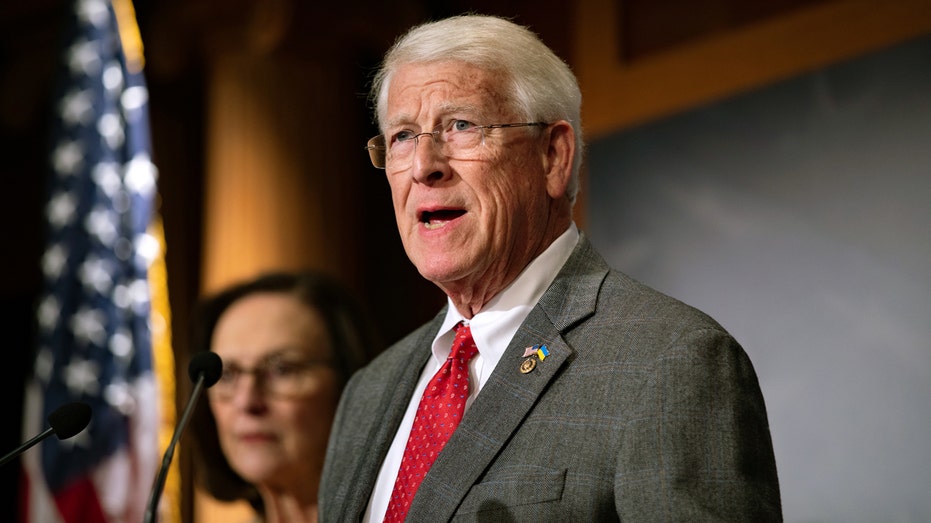
Senate Armed Services Committee Chairman Roger Wicker (R-Miss.) blasted the US-Iran memorandum of understanding Thursday, saying it "negotiates away the victories of Operation Epic Fury in ways that are completely out of step with the President’s goals."
The United States and Iran have officially signed a memorandum of understanding aimed at ending the war in Iran. The 14-point agreement includes an immediate end to fighting on all fronts including Lebanon, an end to the U.S. naval blockade on Iran and the full resumption of maritime traffic through the Strait of Hormuz. It also proposes easing oil sanctions on Iran, unfreezing Iranian assets and launching a $300 billion investment fund to rebuild Iran, all while tabling the question of Iran’s nuclear program, which is instead set to be negotiated over in the coming months. “The United States is more eager for this war to end than Iran is,” says professor Vali Nasr, who teaches at the Johns Hopkins School of Advanced International Studies. “In Iran, they’re very triumphant.” We discuss the long-term effects of the war, from the growing U.S. distrust of Israel, to the new generation of political leaders in the Islamic Republic, to the evolution of Iran into a major power player in an increasingly multipolar world.
Donald Trump is claiming his Iran peace plan is a victory for Washington, despite the 14-point agreement revealing significant concessions to Tehran. Under the deal, Iran will reopen the strait of Hormuz in exchange for sanctions relief and the release of frozen assets, while talks will continue over the fate of Iran’s nuclear programme. Nosheen Iqbal speaks to the Guardian diplomatic editor, Patrick Wintour Continue reading...
Vice President JD Vance eviscerated Israeli officials who have criticized President Trump over the US-Iran memorandum of understanding, blasting them for complaining about the document that requires them to stop striking Hezbollah in Lebanon.