People Love to Blame “Ultra-Processed Food.” It’s Unhelpful.
Source: The New Republic · Bias: Left
Summary
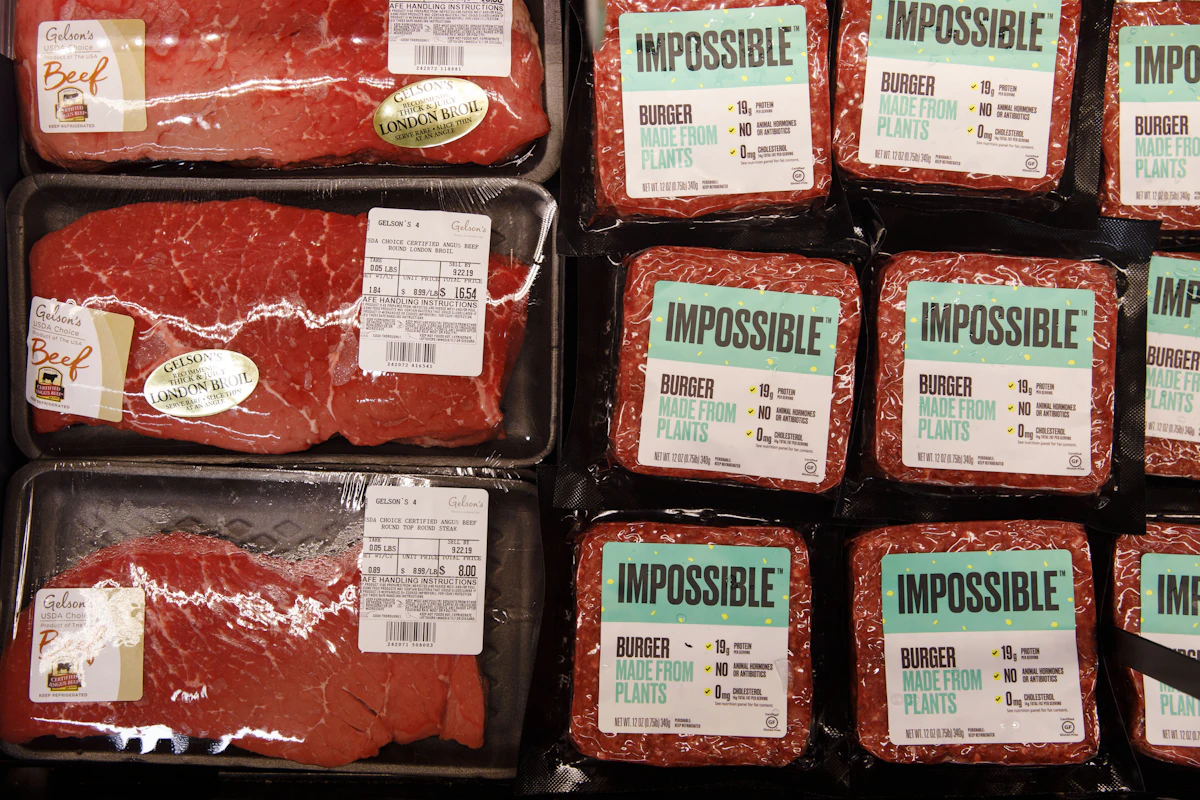
“Parents shouldn’t need a Ph.D. in chemistry to understand what they’re feeding their kids,” California Assemblymember Jesse Gabriel declared last month, announcing a new food-labeling bill. Over the past few years, Gabriel has emerged as a vocal and effective legislative proponent of healthier eating, sponsoring state legislation in 2025 that defined the famously slippery term “ultra-processing” and that removed food dyes and some “ultra-processed” foods from school lunches. This new bill, AB2244, proposes to stamp non-ultra processed food products sold in the state with the words “California Certified.”Championing food unsullied by industrial processing and ingredients is one of the few points of bipartisan consensus in American politics. For decades, liberal foodies like Michael Pollan have railed against the “foodlike substances” lining our supermarket shelves. More recently, opposition to food processing has become a core tenet of the MAHA movement, with the federal government’s Departments of Human and Health Services and Agriculture, under the leadership of RKF Jr., urging Americans to “Eat Real Food.” Food system reformers of all stripes have embraced this moment to push for their preferred policies, and so-called ultra-processed foods (UPFs) have become a favored target.But well-intentioned programs like product labels that identify UPFs may ultimately be the wrong approach to incentivizing healthier eating.America is not a healthy nation. Over 70 percent of Americans are overweight and 40 percent are obese. Heart disease is the nation’s bigger killer. And much of the blame for this can be placed on how we eat. The question, of course, is which part of our diets is responsible. A growing chorus of voices has chosen to blame so-called ultra-processed foods for our thickening waistlines and a slew of other diet-related problems, ranging from anxiety to hyperactivity. When these critics aren’t simply conflating industrial processing with impurity, they tend to rely on a relatively new food categorization schema called Nova and an emerging academic literature tying ultra-processed foods to ill health.In 2009, a team of Brazilian public health researchers designed an epidemiological schema that would allow for correlating population-level health outcomes with the general make-up of diets. They decided to categorize foods according to four levels of processing: “unprocessed” foods; household ingredients like salt and olive oil and butter; minimally processed packaged foods that combine the previous two categories, like canned tomato sauce and boxed pasta; and then “ultra-processed” foods: those made using industrial processes such as protein isolate extraction or containing ingredients not found in the common kitchen, such as preservatives or emulsifiers. They called this categorization system Nova, or “new” in Portuguese. Their theory was that the more people ate from the latter category (which is an increasingly large share of what people eat—about 55 percent of calories consumed by the average American come from ultra-processed food) the worse their health. The simplicity of the schema and the nefarious-sounding fourth category soon entered the academic and public zeitgeist as settled science. The problem, however, is that Nova was not designed to adjudicate the nutritional properties of individual foods. It is designed to understand population-level health outcomes. While a growing body of research ties the consumption of ultra-processed foods to increased morbidity and deems them a “threat to public health,” deeper examination of the data tends to suggest that, for the most part, the only statistically meaningful ill health effects come from ultra-processed foods that contain the things we already know are bad for us: too much salt, sugar, and fat. But the broadness of the fourth Nova category means that it captures foods as disparate as alcohol, sugary breakfast cereals, chips, infant formula, ready-to-eat meals, and plant-based meat alternatives, all of which are made using completely different processes and ingredients and have vastly different nutritional properties. This means that enriched soy milk and fortified bread are treated as being just as unhealthy as a bag of chips or a bottle of vodka.It’s true that many ultra-processed foods are designed to be “hyperpalatable”—easy or even addictive—which can lead to over-eating. But this is mostly a problem because it means eaters can take in too many calories or an excess of salt, sugar, and fat. There is little convincing evidence that any particular form of processing is inherently unhealthy. In fact, one recent study suggested that eating more ultra-processed vegetables was a net health benefit for the simple reason that it increased vegetable intake. Meanwhile, there is also little evidence that simply removing items deemed ultra-processed will yield health benefits.
Related Coverage
- Trump Pardons Six People Pursued for ‘Fixing Their Car’ (Center — Bloomberg Politics)
- Glenn Beck REACTS to foreigners LOVING their visit to America (Right — Blaze Media)
- How young people feel about American identity, on the nation's 250th birthday (Center — NPR Topics: News)
- New York police officers are about to be worked to extremes – and Zohran Mamdani is to blame (Far Right — BizPac Review)
- What do people in the US hope for the country's future? (Center — BBC News)
- Iran Holds Funerary Processions for Late Supreme Leader in Symbolic Referendum for Regime (Center Left — TIME)
- ‘Egregious’: Two people charged in alleged multi-million dollar Medicaid fraud scheme (Far Right — BizPac Review)
- ‘Kickbacks’: 2 people charged in alleged multi-million dollar Medicaid fraud (Far Right — WorldNetDaily)
Daily Analysis
Read the full Parallax Pulse for April 6, 2026 — an AI-powered analysis of how Left and Right media covered the biggest stories this day.
More Headlines From April 6, 2026
- Trump Extends Iran Deadline Amid Ceasefire Push (Center)
- Trump’s airman rescue mission: Letters to the Editor — April 7, 2026 (Right)
- Iranian Intelligence Minister Who Led Assassination Plots Against US Officials Eliminated In Israeli Strike, IDF Says (Center Right)
- Trump Calls Artemis II Astronauts After Their Historic Journey Around the Moon (Center Left)
- “Islamabad Accord” — Pakistan Scrambles to Broker Last-Minute Ceasefire Between U.S. and Iran After Trump’s Final Ultimatum to Terror Regime (Far Right)