Markets Are In Denial About the War in Iran
Source: The New Republic · Bias: Left
Summary
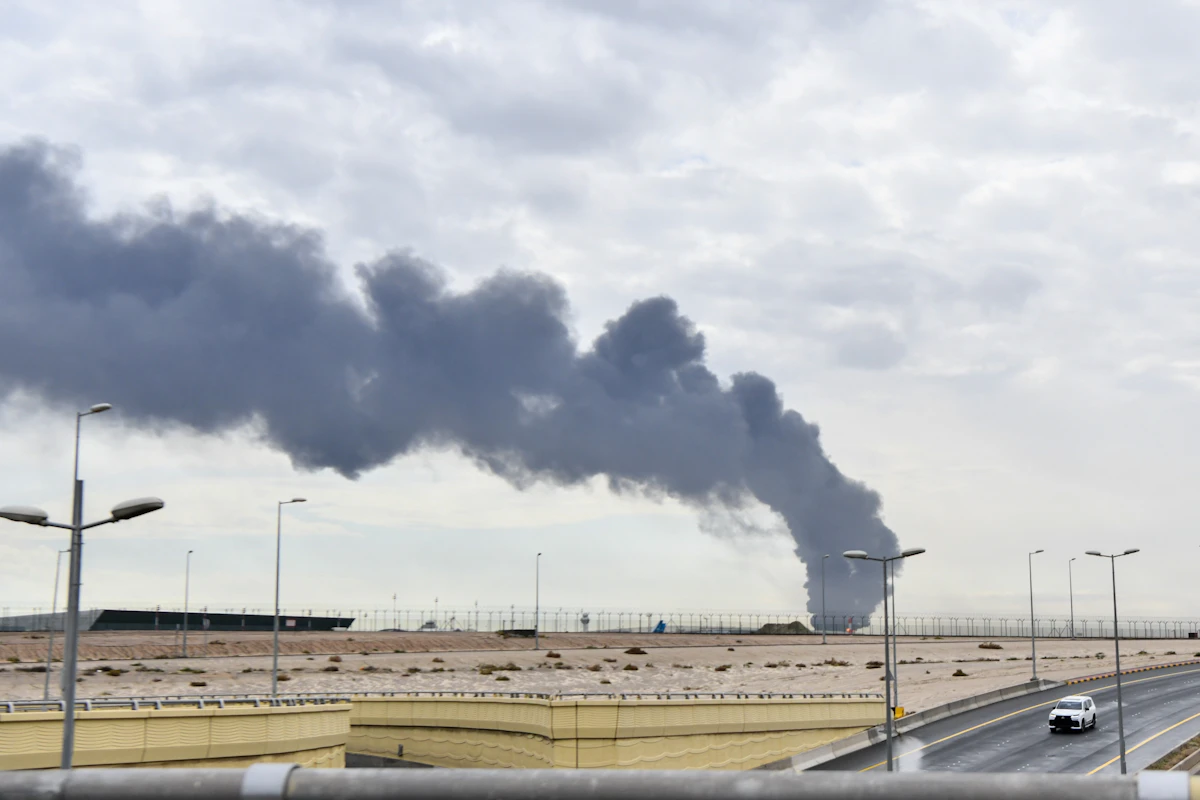
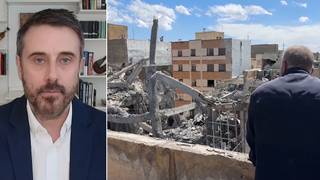
Something strange is happening in the global economy. The Strait of Hormuz—the single most important body of water on earth for global energy markets, and markets for lots of other commodities too—has been closed for nearly a month as the U.S. and Israel continue their illegal war of choice in Iran. There are few signs that it will reopen anytime soon. Some tankers are managing to trickle through. Saudi Arabia has rerouted some crude oil through its pipeline to the Red Sea. Still, an estimated 10 million barrels of a day, conservatively speaking, are trapped. Declining storage space means that Gulf oil producers are going through the onerous process of stopping drilling at wells that likely won’t be able to start pumping again for months if and when the strait becomes navigable. A single attack on Qatar’s gas facilities knocked out a whopping 17 percent of liquefied natural gas export capacities. Analysts now predict that a gas supply crisis that has so far been most acutely felt in Asia could soon spread to Europe. Poorer countries face not just higher prices but catastrophic shortages of (among other substances) oil, gas, and fertilizers critical to food production. So far, Russia has been one of the main beneficiaries of this crisis; the U.S. moved to ease sanctions on its oil earlier this month. This week, Ukrainian attacks on Russia’s oil infrastructure took out at least 40 percent of its oil export capacity.An oil researcher I spoke to, Rory Johnston, described the situation as “utter pandemonium.” On social media, energy investor Eric Nuttall put it even more starkly: “This is the worst energy crisis of our lifetimes, well beyond what any sober mind could have envisioned, with no end in sight.”To date, however, markets have been weirdly chill. As I wrote on Thursday, there’s a growing divide between seemingly obvious, formidable material realities and the oddly low “paper price” of oil that Trump has somewhat successfully tried to ratchet down with fake news. Karim Faraz, the director of energy advisory for S&P Global, described the mood on Wednesday in Houston at the Super Bowl of energy conferences, CERAWeek, as one of “irrational optimism.” As Faraz wrote on X, “The alternative is so daunting to think about, with consequences so grave, that many are choosing optimism even without a solid foundation.” Bloomberg’s Joe Weisenthal has similarly observed an eerie sanguinity. On Thursday afternoon, he noted that the places where one might expect to see signs of turmoil, like equity markets, are considerably more serene than they were after Trump announced his Liberation Day tariffs a year ago. The S&P 500 hasn’t dipped by more than 2 percent in a single trading day all month.Markets, in other words, seem to be treating the war in Iran as they do climate change. Despite all evidence to the contrary, they’re regarding a transformative crisis as a passing fad. Global warming has lately fueled the crushing heat wave that’s baked most of North America this month and triggered extreme weather events that are prompting insurers to abandon some of the world’s hottest real estate markets, such as Miami. Markets don’t seem to care. Meanwhile, the top executives gathered at CERAWeek are perfectly willing to talk about the challenges posed by the closure of the Strait of Hormuz. On Tuesday, for instance, ConocoPhillips CEO Ryan Lance said onstage that “it’s a bit unstable” in the Middle East and that his company had been “pleading with the Trump administration to provide extra protection for energy assets in Qatar.” As someone who’s had to sit, at climate conferences, through a few too many cool-headed assurances by titans of industry claiming to have things under control, I’m finding executives’ tones of measured concern a bit familiar. This is an urgent and pressing issue that demands the global community work together to find real solutions, together.It is also, philosopher Pierre Charbonnieu notes, “arguably the largest fossil fuel capital annihilation event in history.” Give it a few more days, and fossil fuel companies may start pledging to achieve Net-Zero Capital Annihilation by the end of the month. Predictably, the Trump administration has lurched into full-on public denial. Trump suggested Thursday that “we don’t need” the Strait of Hormuz. (We do.) Energy Secretary Chris Wright said the same day that the crisis would be “short term.” (It’s been almost a month.) He also said that prices aren’t yet driving meaningful reductions in fossil fuel usage.
Related Coverage
- What Is Iran Building Now in the Zagros Mountains? (Right — RedState)
- Iran's control of the Strait of Hormuz remains a powerful bargaining chip (Center — NPR Topics: News)
- This Republican Has a Wild Idea for Fixing Housing Prices: Let the Market Actually Work (Far Right — Townhall)
- Iran threatens response without ‘full implementation’ of US deal (Center — The Hill News)
- Iran’s supreme leader bails on first day of late dad’s funeral ceremonies (Right — New York Post)
- Trump team believed Israel plotted assassinations to derail Iran talks: reports (Far Left — Raw Story)
- ‘It’s crazy’: GOP rebel declares war on Republican leadership (Far Left — Raw Story)
- Iran welcomes foreign leaders for Ayatollah Khameinei’s state funeral (Center — The Hill News)
Daily Analysis
Read the full Parallax Pulse for March 27, 2026 — an AI-powered analysis of how Left and Right media covered the biggest stories this day.
More Headlines From March 27, 2026
- Judge denies NCAA temporary restraining order blocking DraftKings from using ‘March Madness’ (Center)
- DHS shutdown enters 'new legislative territory' after Speaker Johnson rejects Senate deal (Center Left)
- WATCH LIVE: Jeffries holds press conference on DHS proposal (Center Right)
- Speaker Johnson holding TSA ‘hostage’ to block immigration reforms: House Democrat (Center Left)
- 3/26: The Takeout with Major Garrett (Center)