John Roberts used one 'chilling' word in new ruling that unnerved ex-prosecutor
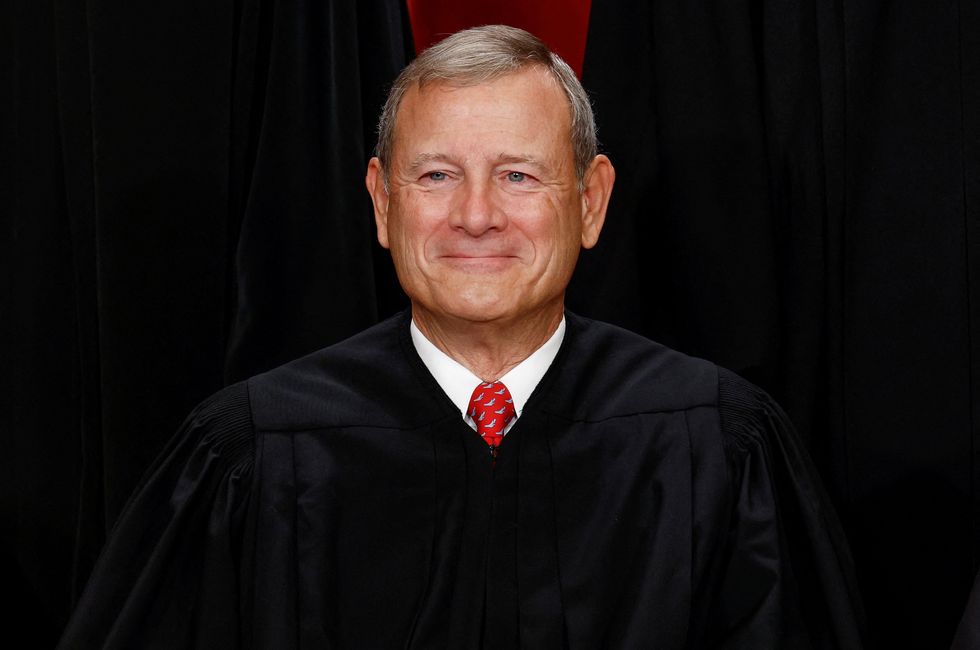
Former federal prosecutor Andrew Weissmann fixed on a single word in Chief Justice John Roberts' majority opinion and said it left him deeply unsettled.Reacting on air to Monday's 6-3 ruling in Trump v. Slaughter, which overturned 91 years of precedent and lets the president fire members of independent agencies without cause, Weissmann said the decision extends the theory of expansive presidential power Roberts laid out in the Trump v. United States immunity case.This time, he said, the chief justice leaned on the "vitality" and "secrecy" of the executive branch."It's hard to stress enough for people the ramifications of this decision," he told MS NOW's Nicolle Wallace on her show, "Deadline: White House."Weissmann pointed to Roberts' language that indicates his views on sweeping presidential power."Saying that it's necessary, what they ruled today, that it's necessary to have the vitality, and in a word, I found chilling, the secrecy of the executive branch. That was a word that was not in the immunity decision, and should think about that. He said the ruling "unleashes political patronage" and called it "a very ahistoric decision" with "very, very long coattails.""You do not want a Republican president to come in and fire every Democrat, and you do not want every Democratic president to come in and fire every Republican," he said. "You want career people in place with experience, who are supposed to be apolitical regardless of party."The decision drew a scathing dissent from Justice Sonia Sotomayor, who wrote that the court handed Trump a power unknown even to the English Crown.Weissmann invoked Justice Robert Jackson, who returned from prosecuting Nazis at Nuremberg, to caution against expanding presidential power, and said the founders feared this outcome."We did not want to, and do not want to, have a king in the White House," he said.He also called the majority's appeal to originalism "laughable," citing the same-day decision sparing the Federal Reserve as proof of "a result-oriented court."The ruling was a win for Trump even as the court dealt him losses the same day, rejecting his challenge to late-arriving mail ballots and refusing to hear his E. Jean Carroll appeal.