Jamie Raskin’s Harsh Trump Takedown on CNN Has Damning Hidden Message
Source: The New Republic · Bias: Left
Summary
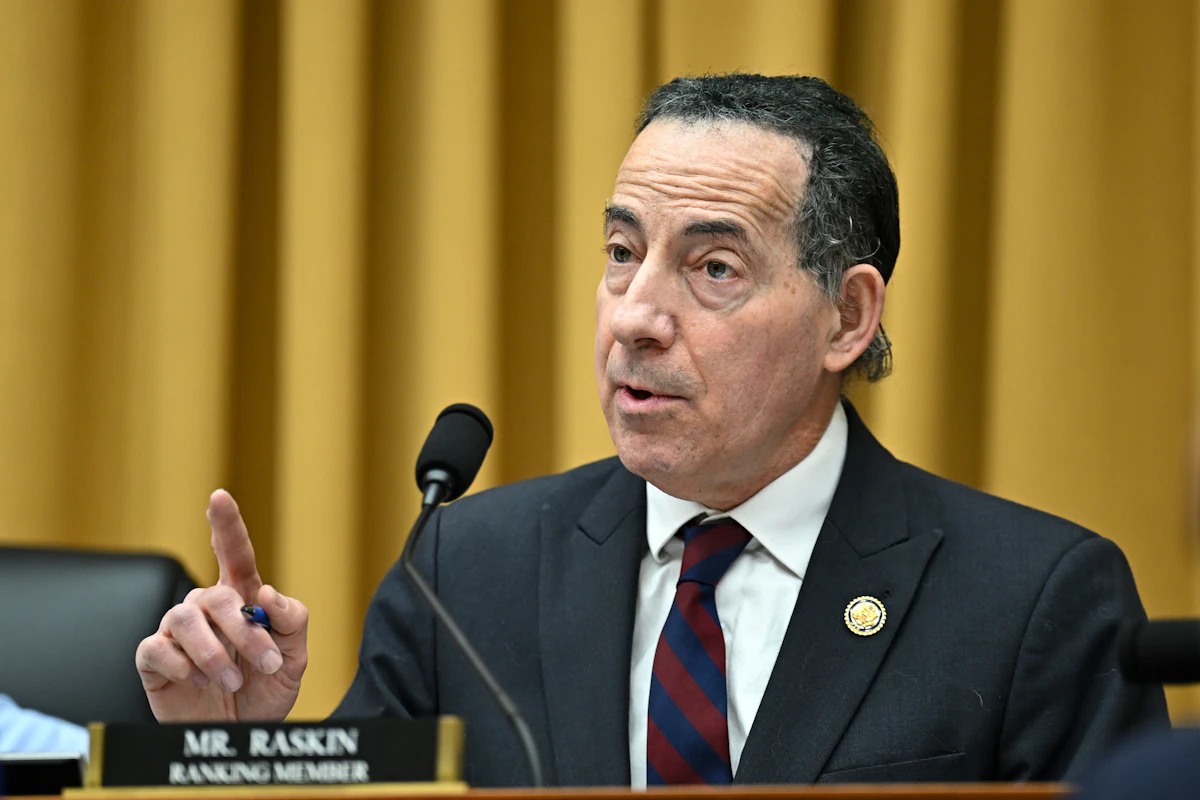
Of all the media exchanges that unfolded in the wake of a deranged gunman’s attack on the White House Correspondents’ Dinner, the most telling by far was the one between CNN’s Dana Bash and Representative Jamie Raskin on Sunday. Bash suggested Democrats bore some blame for the shooting, asking Raskin if it should prompt Democrats to “think twice” about their “heated rhetoric.”Raskin pushed back, insisting his criticisms are focused on Trump’s “policies.” He also pointed out that Trump, unlike Democrats, describes working media professionals—like Bash—as “the enemy of the people,” which Bash agreed was out of bounds. The discussion moved on, with Trump partisans and critics claiming the exchange as a “win” for their side, as always happens with these mini-dustups. But lurking underneath this little exchange is a more subtle set of revelations about the media’s tolerance for Trump’s (incivility alert!) fascism, and about the options that Democrats could exercise for shaming the press over that failing—ones they typically fail to utilize.Republicans have pounced on the incident—in which heavily armed Cole Tomas Allen allegedly breached security at the Washington Hilton, unleashing gunfire and chaos, and was captured—to blame it on Democratic rhetoric about Trump. Bash, perhaps not intentionally, essentially echoed this critique in her exchange with Raskin:BASH: You and your fellow Democrats have used some heated rhetoric against the president. Do you think twice about that when something like that happens?RASKIN: What rhetoric do you have in mind?BASH: That he's terrible for this country and so on and so forth pic.twitter.com/J8RHUgIodF— Aaron Rupar (@atrupar) April 26, 2026Everyone has focused on Bash’s top-line question, but a crucial nuance here is getting lost. After Bash asked if Democratic rhetoric about Trump bears “responsibility” for the incident—and Raskin replied that he’s focused on criticizing policies like those producing the killing of American citizens protesting in Minneapolis—this happened:RASKIN: I certainly have never called the press “the enemy of the people.” I think the press are the people’s best friend, and that’s why it’s written right there into the First Amendment. We need the press to be a vigilant watchdog against every level of government—federal, state, local, all of it.BASH: You’re not going to get an argument from me on that.This might appear as if Raskin was merely noting that Trump uses incendiary rhetoric, just as Democrats do. But Raskin was also making a subtle point about Bash’s conduct, and by extension, about that of the whole press corps. Raskin was, I think, trying to communicate indirectly to Bash herself that at the core of Trump’s fascist project is an effort to badly damage—if not wholly destroy—the institutional role that freedom of the press plays in our constitutional system. Raskin was really saying, in effect, that Trump is committed to wrecking the project and values to which people like Bash have devoted their professional lives: the viability of a vigorous, independent press as a check on power within a liberal democratic order. Raskin was suggesting that Democrats are its allies in this and that Trump and his movement are its enemies—and that journalists should keep this in mind when assessing claims about each party’s “rhetoric.”The trouble with questions about whether Democratic rhetoric inspired this shooter is that they play innocent about that fundamental difference. The implication is that claims about Trump’s fascism and/or authoritarianism are mere name-calling that can be simply detached from the reality of his actual agenda for the country. That Democrats can stick to critiques of Trump policies without resorting to words like fascist or authoritarian.But this very premise is itself profoundly misleading about our crisis. First, generally speaking, the broad center-left’s most prominent political and opinion leaders do not use these terms lightly. We’ve seen years of complex debates over whether these terms apply to Trump and his movement, arguments that involve comparative history, political theory, and even the finer differences between fascism and authoritarianism.There’s no clean way to hive off terms like fascism or authoritarianism from Trump’s policies. Even if you disagree that the words apply, their use is backed up by a genuine attempt at intellectual justification for it. The use of these terms just is deeply linked to assessments of Trump’s actual policies, from the lawless renditions to foreign gulags to the unleashing of heavily armed militias in American cities to the naked intimidation of large swaths of civil society.By contrast, when Trump and MAGA media figures call Democrats “Communists” or “antifa,” all of that is entirely disconnected from any policy realities. Many press figures would like it if there were an Archimedean midpoint between the two parties on all these matters. But there isn’t.
Related Coverage
- Trump, ballot seizures and a ‘declaration’: Gavin Newsom teases tiresome July 4 address to the state (Right — New York Post)
- 'Not mentally well': MAGA suspects Trump sabotaged by liberals armed with weather machines (Far Left — Raw Story)
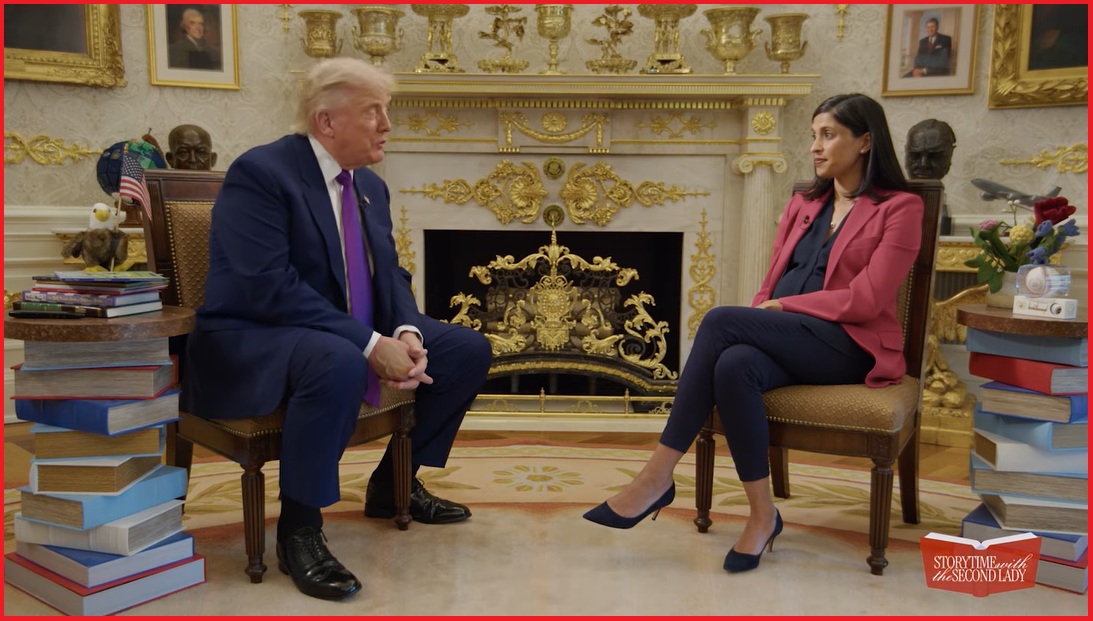
- ‘The second-most good-looking president’: Trump entertains on Usha Vance’s program (Far Right — WorldNetDaily)
- President Trump Reads “Presidents Play” (Far Right — The Last Refuge)
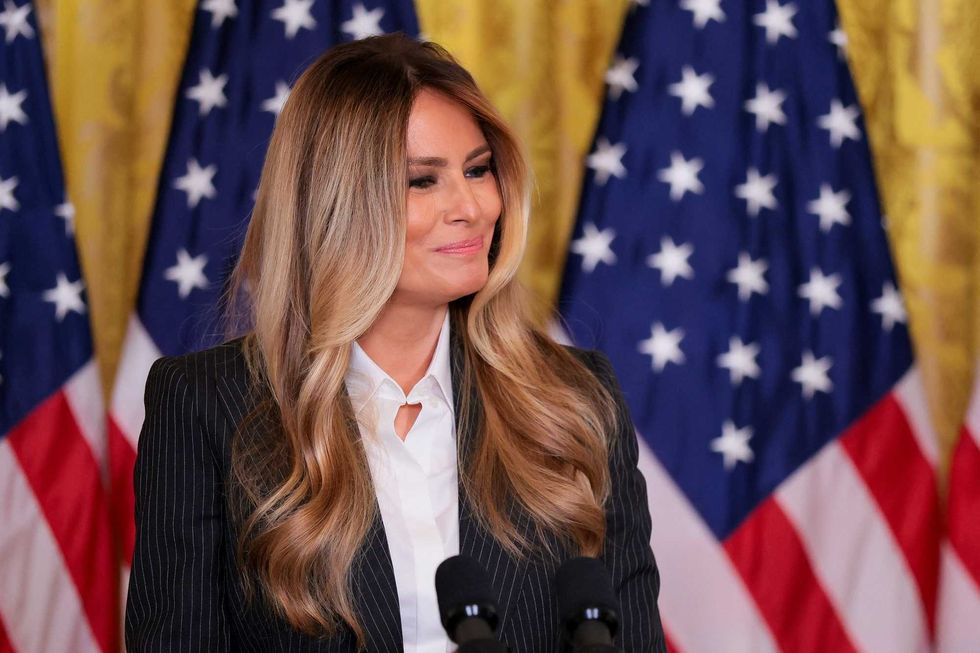
- Melania gives Congress private deadline as she works around Trump's team: report (Far Left — Raw Story)
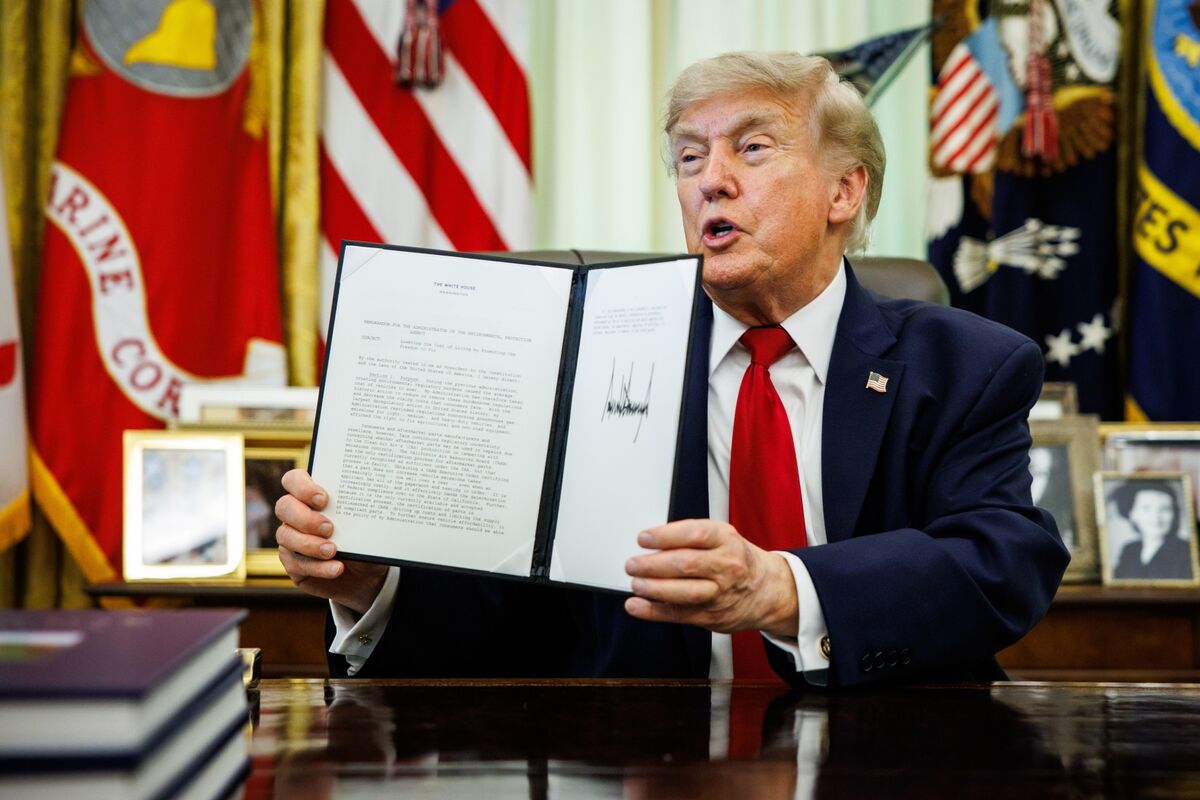
- Trump announces pardons for pollution violators prosecuted for "fixing their car" (Center — Politics - CBSNews.com)
- Trump Pardons Six People Pursued for ‘Fixing Their Car’ (Center — Bloomberg Politics)
- Sources: Trump likely to pardon pollution violators; weighing clemency for Diddy (Center — Politics - CBSNews.com)
Daily Analysis
Read the full Parallax Pulse for April 28, 2026 — an AI-powered analysis of how Left and Right media covered the biggest stories this day.
More Headlines From April 28, 2026
- White Coat Waste Demands MORE Arrests and Fauci Pardon be Overturned After Trump DOJ Indicts His Top Advisor for COVID Cover-Up, ‘NOT A LONE WOLF!’ (Far Right)
- This Is Why We Need a Ballroom (Center Left)
- Bizarro World Cole Allen’s ‘heroic’ failure (Far Right)
- U.S. soldier pleads not guilty to charges of gambling on Maduro raid (Center)
- FCC orders early license renewal for ABC stations following Kimmel's first lady joke (Center)