'Nobody's ever seen anything like it': Trump touts new Air Force One after maiden voyage
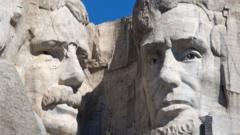
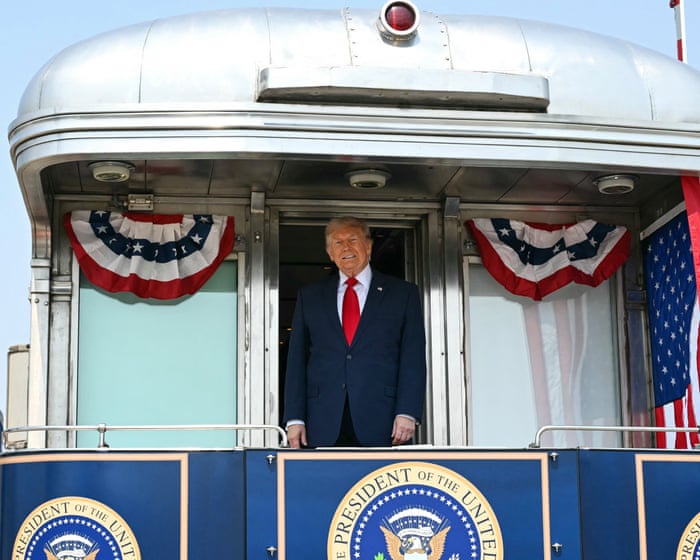
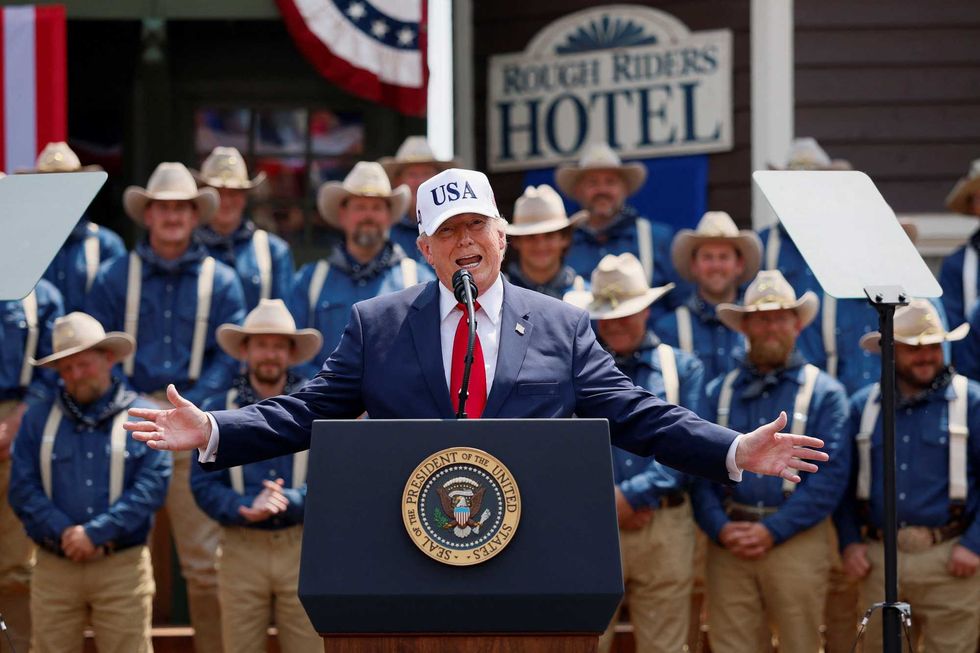
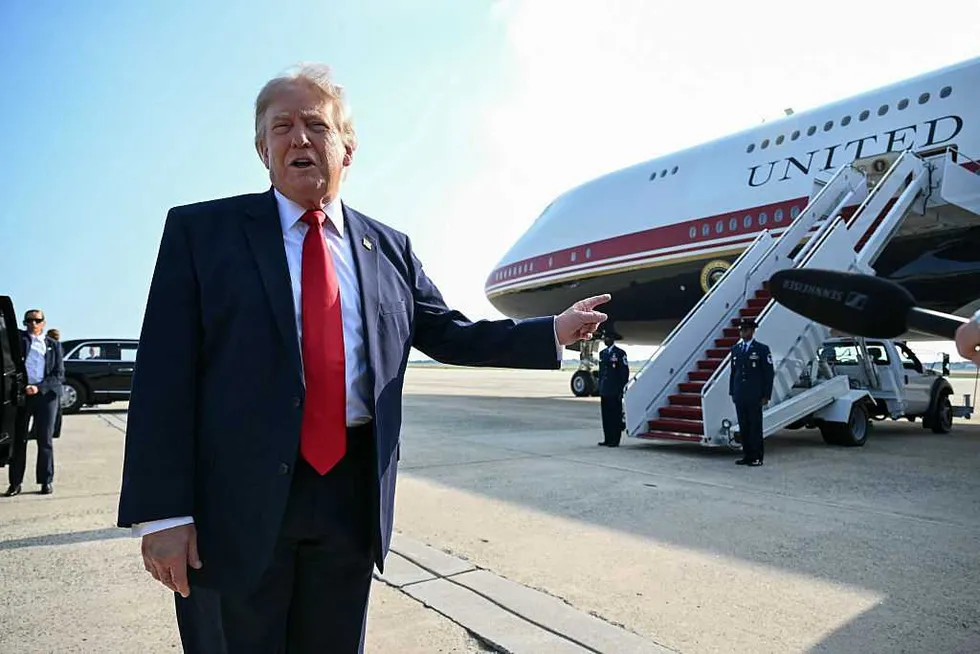
President Donald Trump made his maiden voyage on the new Air Force One just days before the slew of Fourth of July weekend festivities celebrating the nation's 250th birthday.The new Air Force One is a Boeing 747-8 luxury plane that was gifted to the United States by the Qatari government last year.'Only a FOOL would not accept this gift on behalf of our country.'The new Air Force One is named the VC-25B Bridge aircraft by the U.S. Air Force. The new aircraft is the bridge to the "aging" VC-25A fleet until the upcoming and long-term Boeing VC-25B enters service. The first VC-25A aircraft went into service in 1990 during the administration of President George H.W. Bush."The delivery of the Bridge aircraft fulfills an imperative to relieve pressure on the aging VC-25A fleet as heavy maintenance cycles extend, safeguarding the continuity of presidential airlift operations until the long-term Boeing VC-25B enters service," the U.S. Air Force said last month.The Air Force noted that the new aircraft will "provide critical, secure continuity for the commander in chief.""The aircraft is safe, secure, and equipped with the most advanced technologies necessary to meet the requirements of the presidential mission," the Air Force stated. "Those requirements were carefully crafted to prioritize mission over aesthetics, leaving much of the previous head of state interior layout minimally changed.""No risk was taken in security, safety, or mission communications, but the collective team made trades on some of the less commonly used mission sets that Boeing must deliver to support the next 40 years," the Air Force said.According to ABC News, "The Air Force has said that it did little to change the cabin layout of the plane and that it spent less than $400 million on security upgrades."Citing industry executives, the New York Times reported in May 2025 that the Qatari-gifted luxury jet had an estimated worth of approximately $200 million.U.S. Air Force Secretary Troy Meink proclaimed: The safety and security of the commander in chief is our highest priority. From the beginning, we meticulously evaluated every requirement to accelerate delivery while maintaining the high standards expected of the presidential mission. This effort proves that the U.S. Air Force can move fast without sacrificing quality, security, or reliability.On Wednesday, Trump took the new Air Force One to see the opening of the Theodore Roosevelt Presidential Library in Medora, North Dakota. "To be honest with you, I'm excited about the first flight. Nobody's ever seen anything like it," Trump told reporters before boarding the new airplane, according to USA Today.The Associated Press reported that Trump said of revealing the new Air Force One plane, "You can do two things: You can low-key it, or you can show it."RELATED: America turns 250 with a broken heart In May, the U.S. Air Force said that the VC-25B Bridge aircraft had "officially completed modification and flight testing."Air & Space Forces Magazine reported that some critics have "expressed concern over the last year that accepting a plane used by Qatar could present a security risk, such as by allowing listening devices or other bugs to be planted on the aircraft."The U.S. Air Force addressed the concerns by stating that "elite specialists from multiple government agencies developed advanced protocols to detect and, if necessary, neutralize potential technical hazards on previously owned aircraft.""Their rigorous approach on the Bridge aircraft has literally 'written the book,' and set the benchmark for integrating used airframes into the secure military inventory," the U.S. Air Force said. Air Force Chief of Staff Gen. Kenneth Wilsbach declared, "We are proud to deliver the VC-25B Bridge aircraft to the president.""Many thought it could not be done, but the United States Air Force was able to execute and provide a secure, reliable airborne command post on an accelerated timeline," Wilsbach added. The official website for the White House says: "Capable of refueling midair, Air Force One has unlimited range and can carry the president wherever he needs to travel. The onboard electronics are hardened to protect against an electromagnetic pulse, and Air Force One is equipped with advanced secure communications equipment, allowing the aircraft to function as a mobile command center in the event of an attack on the United States."In May, CBS News reported that Pentagon spokesman Sean Parnell said the Air Force accepted the Boeing 747-8 "in accordance with all federal rules and regulations."President Trump told reporters in May, "If we can get a 747 as a contribution to our Defense Department to use during a couple of years while they're building the other ones, I think that was a very nice gesture."Trump added, "Now I could be a stupid person and say, 'Oh no, we don't want a free plane.'"The stopgap jumbo jet...