In Illinois, a Deluge of Corporate PAC Ads Sold Populism. Wait, What?
Source: The New Republic · Bias: Left
Summary
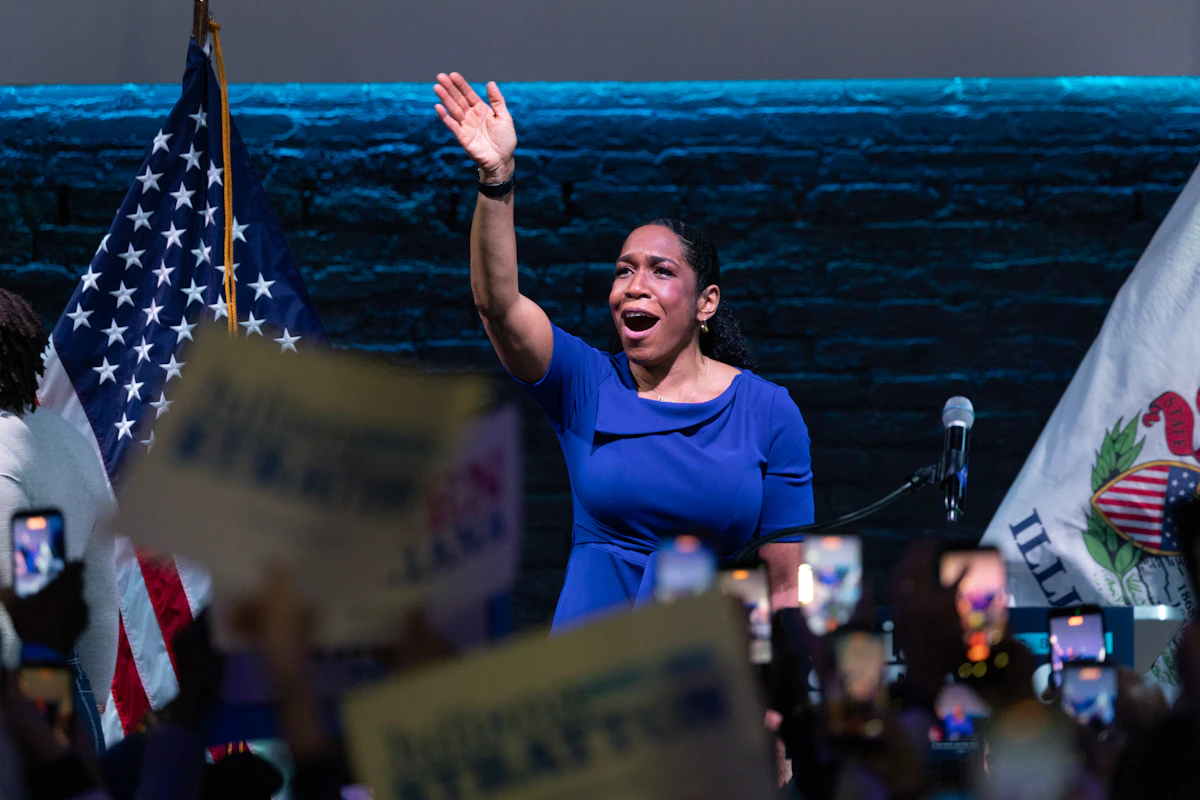
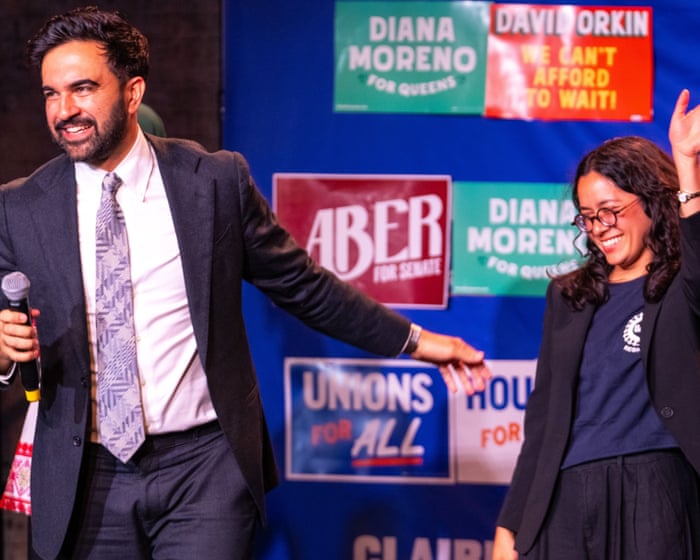
Tuesday’s Illinois election yielded unexpected headlines, like “Special-Interest Super PACs Underperform in Illinois” and “Progressive Juliana Stratton wins Illinois Democratic Senate primary race.” Billionaire-funded super PACs lost three out of five hotly contested races.While this is welcome news for progressives, a closer look at early primaries reveals a mildly amusing but troubling parallel story: Crypto interests, AI-industry players like OpenAI and Palantir, and the American Israel Public Affairs Committee, or AIPAC, sought to defeat bold economic-populist progressives not by attacking their ideas—but, rather, by mimicking them to confuse voters. These dark-money groups saturated the airwaves with ads portraying corporate-backed candidates as fighters against billionaire power, Wall Street banks, health insurance abuses, and even ICE. All while carefully obscuring their own identity and running ads that, as The Washington Post reported, “have nothing to do” with their actual (unpopular) priorities.That matters enormously because the candidates Democrats send into battle this fall will determine whether Congress serves as a strong check on President Donald Trump and the powerful interests that already have too much influence in Washington or largely goes along with those policies. Furthermore, the kind of subterfuge we saw in Illinois could hurt Democratic chances of winning the White House in 2028—raising voter hopes that Democrats will challenge corporate power, only to spawn disillusionment when milquetoast imposters fail to do the job.Let’s look closely at Tuesday’s primaries, where billionaire-funded super PACs spent over $40 million to flood the zone. The New York Times reported of one outcome that “a moderate former congresswoman defeated a left-wing rival.” That would be news to voters in Illinois’s 8th congressional district, where AI-industry titans funded an innocuous-sounding Think Big PAC to propel former House member Melissa Bean, once dubbed “Wall Street’s favorite Democrat,” with over $1 million of ads claiming that Bean challenged Wall Street banks, championed Senator Elizabeth Warren’s Consumer Financial Protection Bureau, and fought to expand health care access—a stark departure from her actual reputation before she was ousted from Congress in 2010. The fundraising avalanche helped her win with just 31.8 percent of the vote, as more progressive rivals split the remaining vote and lacked comparable resources on the airwaves.In the neighboring 2nd congressional district, supporters of Senator Bernie Sanders or New York City Mayor Zohran Mamdani could have plausibly nodded along to the $4 million in ads run by the AIPAC-funded Affordable Chicago Now. The PAC credited its preferred candidate, Donna Miller, with expanding health care access, combating violence against women, and challenging ICE. The unstated goal of the spending? Defeating Jewish state Senator Robert Peters, who dared to criticize the Israeli prime minister’s policies and called for a ceasefire after October 7, 2023. A crypto super PAC absurdly called Peters, a two-time Sanders supporter, a “corporate pawn.” The zone flooded, and Miller won with 40.4 percent in a crowded field. Of course, money does not always dictate the outcome. In Illinois’s 9th congressional district, an AIPAC-funded group called Elect Chicago Women spent nearly $6 million trying to defeat progressives Daniel Biss (endorsed by the Congressional Progressive Caucus, the Progressive Change Campaign Committee, and Senator Elizabeth Warren) and Kat Abughazaleh (endorsed by Justice Democrats and Democratic Socialist voices). The AIPAC-linked group backed Laura Fine not with ads touting her bona fides on Israel—but with ads saying she favored “stopping health insurance company ripoffs” and championed “the law to unmask ICE.” Another AIPAC-friendly PAC, Chicago Progressive Partnership, made ads promoting long-shot progressive Bushra Amiwala in order to split the progressive vote even further, leading Bushra to denounce the very ads promoting her. Biss, the mayor of Evanston, defeated the dark money thanks to a strong local reputation built over years. In his victory speech, Biss took a swipe at AIPAC, saying: “AIPAC found out the hard way—the 9th district is not for sale.”In total, four House races and one Senate race were contested by dark-money interests. AIPAC lost two of four races where it spent at least $22 million. Crypto interests also lost two of four races where they spent millions, while the OpenAI/Palantir-supported PAC lost one out of two it contested.
Related Coverage
- Pay-to-play cycle behind GOP's corporate tax cuts exposed in new report (Far Left — Raw Story)
- “America-laster”: Texas Senate Candidate James Talarico Slammed in New Ad Ahead of the 250th Anniversary of American Independence for Comments Calling American Flag a “Complicated Symbol” (Video) (Far Right — The Gateway Pundit)
- US employers added just 57,000 new jobs in June, lower than expected (Center Left — US news | The Guardian)
- DOJ charges 8 alleged Tren de Aragua members in Texas, Illinois murder and kidnapping cases (Right — Latest Political News on Fox News)
- Illinois Gov. JB Pritzker Diagnoses President Trump With ‘Dementia’ on CNN — The Same Democrat Who Was “All In” for Joe Biden (Far Right — The Gateway Pundit)
- Progressive primary victories have corporate Democrats panicking | Norman Solomon (Center Left — US news | The Guardian)
- Supreme Court Opens Midterm Ad Floodgates, Giving GOP an Edge (Center — Bloomberg Politics)
- Alito: John Roberts Sold Out The Declaration Of Independence ‘Only Days Before’ 250th Anniversary (Far Right — The Federalist)
More Headlines From March 18, 2026
- White House Issues Brutal Smackdown of Joe Kent’s Resignation Letter, Torches His “Lies” (Far Right)
- ‘I was shocked’: Watch fireworks erupt as Rand Paul torches Trump DHS pick over alleged anger issues (Far Right)
- FULL TRANSCRIPT: DNI Tulsi Gabbard Unleashes Explosive 2026 Threat Assessment — Warns Russia, China, North Korea, Iran, and Pakistan Building Nuclear Missiles Capable of Striking U.S. Homeland (Far Right)
- Rand Paul lays into Trump’s DHS nominee over alleged anger issues (Far Right)
- Rand Paul Declares ‘NO’ Vote on Mullin for DHS Secretary — Warns “Anger Issues” Make Him Unfit to Lead ICE, Border Patrol (Far Right)