How Gambling Ate the World
Source: The New Republic · Bias: Left
Summary
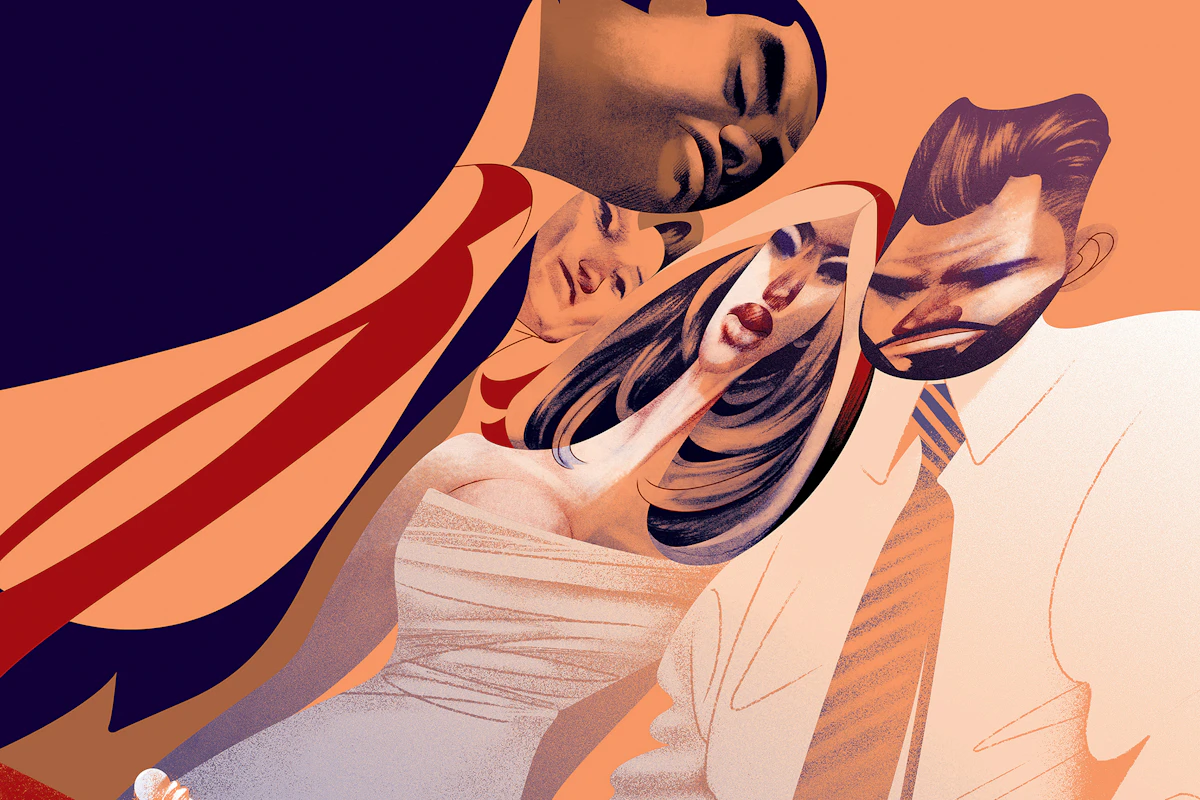
When I was in business school at the University of Pittsburgh in the early 2010s, I played in my one and only fantasy football league. I was in an “executive” MBA program, a variation on the traditional MBA degree that caters to mid-career and occasionally senior managers and executives, which is exactly what we were: a bunch of mostly middle-management guys (and a very few women), all of us looking for a résumé-burnishing credential that would bump us up a couple of pay bands and win us access to better boardrooms. We worked all over the place: in health care, the rail industry, steel, IT, law, nonprofit, oil and gas.One of the fellas worked in marketing for Pittsburgh’s Rivers Casino. (Slots were legalized in Pennsylvania at select locations in 2004, and, believe it or not, Pennsylvania lags behind only Nevada in total legal casino revenues.) He told some hilarious and hair-raising stories about the tricks of the trade for keeping the most compulsive customers, in this case largely fixed-income retirees or un- and underemployed adults, locked into the games, the never-ending sounds and lights of obsessive, repetitive, bets. You had to understand, he explained, that it wasn’t only or even mostly about winning. It was about the flow, the disappearance of anything other than the machine and the game. It was about action. Not the outcome so much as the anticipation, the suspended time between the bet and the result. They bring the drinks to you for a reason. Losing was a reason to keep playing, and the rare win was, well, reason to keep playing, too.As for the fantasy league, I’d always been a sports fan, but I was never a stats guy. I just let the computer draft for me, allowing some algorithm to assemble the rough equivalent of an index fund, something like a representative, weighted average of the NFL as a whole, and I let it ride. I am a zealously passive investor, and I became a passive fantasy sportsman.My league partners—not coincidentally, many of them were also intensely fond of day-trading stocks—took a different tack: tracking statistical minutiae, daily injury reports, message-board rumors, and making constant trades and roster changes. I spent the first half of the season winning and then, beset by injuries to my relatively static team, spent the second half losing. In neither half did I get much pleasure out of it. But my fellows, even (perhaps especially) when they were making manic trades to try to reverse a losing streak, seemed to be having a lot more fun. It was all about the flow.Betting and investing have much in common, and they increasingly overlap, as young men who bet on sports are also likely to dabble in crypto, stocks, and more exotic vehicles. Both are predominantly men’s games, with yawning gender divides in participation. Recent data from Morning Consult shows that sports betting is 70 percent male. Most men place their first bet on a sporting event in high school or college—their first foray into financial speculation, and their first taste of the adrenaline rush of action. According to a Siena survey, 48 percent of men aged 18 to 49 have a betting account.All this activity has become remarkably visible in the culture over just a few years. On TV, ads for betting apps have now achieved a ubiquity that puts gimmicky insurance companies to shame. NFL broadcasts partner with FanDuel and DraftKings, integrating highlights from games directly into the apps. And enticements to gamble reach beyond sports: CNN has announced it will partner with Kalshi, a “prediction market,” displaying a live ticker of odds on-screen during its news broadcasts. Bet if you dare, on the next market crash or atrocity. Pundits, posters, and commentators cite Polymarket along with poll numbers to predict future world events. Polymarket was also an “exclusive partner” of the Golden Globes, a desperate stunt for a moribund awards show. “Never tell me the odds,” barked Han Solo to C-3PO, but that was a long time ago in a galaxy far, far away. We have no such option, and our garish Death Stars are all sponsored by BetMGM.For a long time in America, sports betting was mostly illicit. You had an uncle or a friend or a frat brother who took a little action under the table. Or you pooled some money with friends and did a March Madness bracket. Then, with the rise and popularization of the internet, it became easy to bet online. A thriving gray market of offshore betting parlors like BetOnline or Bovada eventually emerged, often starting with online poker as early as the 1990s and expanding into sports betting in the early 2000s, allowing U.S. customers to circumvent anti-gambling statutes in the United States. (Offshore bookmakers also became early adopters of cryptocurrency, unsurprisingly, as it allowed easier movement of money out of the United States without banks or credit card companies subject to U.S.
Related Coverage
- Egypt’s World Cup staffers clash with Dallas police in wild scene (Right — New York Post)
- How the world's top AI models were revived (Center Left — Axios)
- "Empire of AI": Karen Hao on How AI Is Threatening Democracy & Creating a New Colonial World (Far Left — Democracy Now!)
- Photos of the Week: World Cup, Wine Battle, White Kimono (Center Left — The Atlantic)
- MAGA world shrugs as Trump reports $2.2 billion in personal gains (Far Left — Raw Story)
- US heatwave threatens 250th anniversary events and World Cup (Center Left — US news | The Guardian)
- Photos of the Week: World Cup, Wine Battle, White Kimono (Center Left — The Atlantic)
- Penelope Cruz, Javier Bardem and Rosalía watch Spain crush Austria at World Cup (Right — New York Post)
More Headlines From March 9, 2026
- Schumer calls on Trump to tap Strategic Petroleum reserve amid rising oil prices (Center)
- Live updates: Trump calls oil price surge ‘small price to pay’ as Iran names new leader (Center)
- Explosive thrown near NYC mayor's home being investigated as 'ISIS-inspired' terrorism, officials say (Center Left)
- National Average for Gallon of Gas Hits $3.54 Amid War in Iran (Center Left)
- Trump says he's "not happy" about Iran's new supreme leader (Center)