How “Buy Now, Pay Later” Reveals the Weakness of the Trump Economy
Source: The New Republic · Bias: Left
Summary
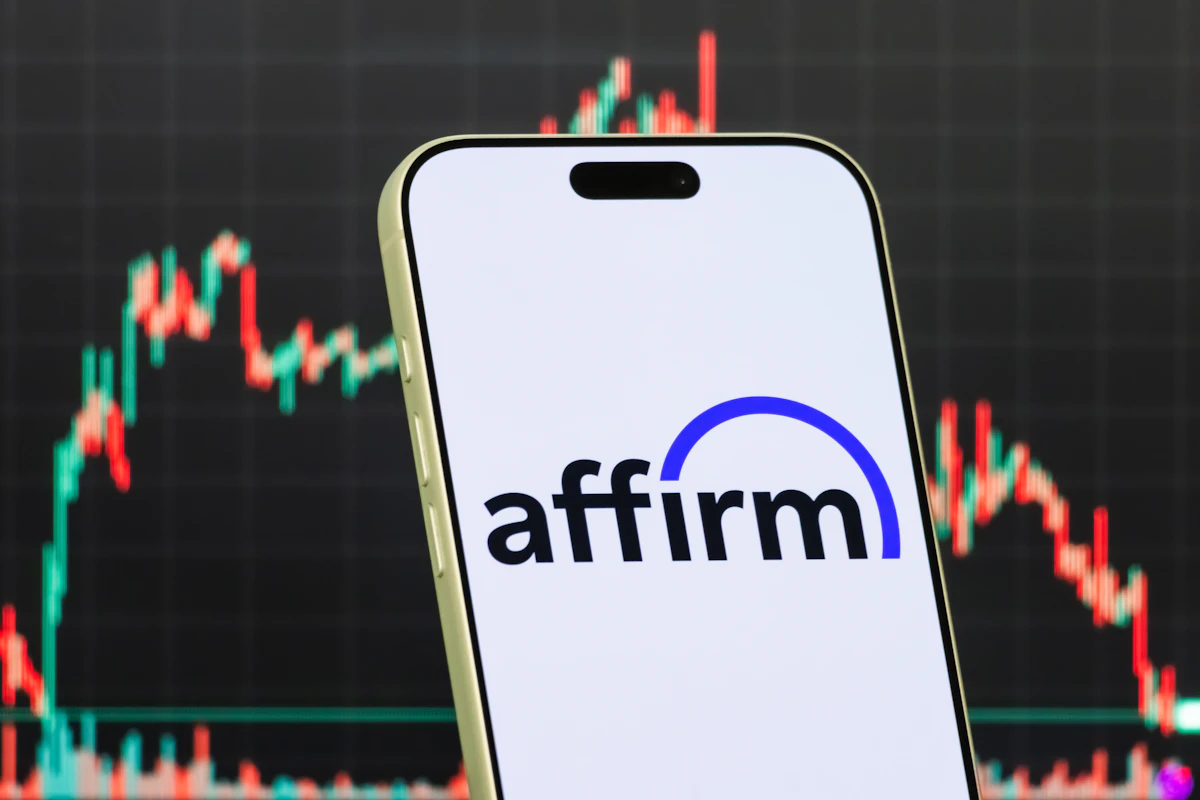
During last month’s State of the Union address, President Donald Trump had a message for beleaguered Americans facing rising costs: They should just “hold on a little while” longer on lower prices. “We’re getting that down. And soon you will see numbers that few people would think were possible to achieve just a short time ago,” he said.In the meantime, “buy now, pay later” companies are taking advantage of the affordability crisis. Americans’ personal savings rate is the lowest it has been since 2022. Food inflation in January was high by historical standards, rent costs are still straining household finances, and health care coverage will be more expensive for many Americans. Buy now, pay later firms have seen the financial weaknesses of the average household, as well as skyrocketing credit card interest rates, and they’re here to sell their customer base financial products that are far less accountable than those offered by banks, under the illusion they will be less costly. Under the Biden administration, those products—used for purchasing everything from new clothing to groceries—were beginning to receive more regulatory oversight. The Biden administration rule proposed to hold these products to credit regulations by implementing the Truth in Lending Act. But the Trump administration put the kibosh on Biden’s efforts to rein in the budding industry when it withdrew a Consumer Financial Protection Bureau rule—claiming that it did so in the interest of “focusing resources on supporting hard-working American taxpayers, servicemen, veterans, and small businesses.”The latest development in the rapid expansion of buy now, pay later is the use of the product for the payment of rent, sending people into cycles of debt as they try to pay for housing.Emily DiVito, senior adviser for economic policy at Groundwork Collaborative, said, “The steady rise in the use of buy now, pay later loans to cover the basics, like groceries and rent, is a warning sign that working families are under real financial strain. Prices for essentials are climbing as a result of the president’s reckless economic policies, wages aren’t keeping pace, and hardworking Americans are being pushed into cycles of debt just to make ends meet.”A growing number of buy now, pay later companies are either currently offering or planning to offer an option to pay rent, including Flex and Affirm. Flex partnered with the software company RealPage, the same company that reached a settlement with the U.S. Department of Justice last year after the Biden-era DOJ filed an antitrust complaint against the company relating to the impact of its rent algorithms on the rental market, which many consumer advocates said reduced competition.There are many downsides to the use of these products. Consumer experts and advocates told The New Republic that these include hidden high costs for consumers, poor customer service, the prospect that they might damage customers’ credit ratings, the encouragement of consumers to get involved in other fintech loan products, and the direct access to bank accounts that many companies require or encourage.Chi Chi Wu, director of consumer reporting and data advocacy at the National Consumer Law Center, a consumer advocacy group, said buy now, pay later companies take advantage of the fact that credit card companies have raised interest rates to very high levels and that every time there is an increase, rates don’t seem to come back down.“I do think there is plenty of room to reduce those interest rates. It is an expensive way to borrow and [buy now, pay later] took advantage of that by saying they’re interest-free,” she said.But buy now, pay later firms usually charge membership fees or monthly fees. They don’t get included in what is known as the annual percentage rate, which is a measure of the interest rate and the additional fees charged with the loan, which is what consumers use to comparison shop in credit. “If you were to include [those fees] and calculate it a different way, you’d see they’re not cheap,” Wu said.The direct access to bank accounts, which makes it difficult for consumers to control their payments, also forces many consumers to incur insufficient fund fees and overdraft fees, according to a February report from Protect Borrowers, a nonprofit advocating against predatory lenders, and Towards Justice, a law firm that represents workers in litigation. Some consumer advocates say that the use of these products for rent payments indicates something is deeply broken in the rental market. Mike Pierce, executive director of Protect Borrowers, told The New Republic, “We come down pretty strongly that this is a bad sign for the economy, a bad sign for families, and something that shouldn’t exist.
Related Coverage
- ‘The second-most good-looking president’: Trump entertains on Usha Vance’s program (Far Right — WorldNetDaily)
- Melania gives Congress private deadline as she works around Trump's team: report (Far Left — Raw Story)
- Trump announces pardons for pollution violators prosecuted for "fixing their car" (Center — Politics - CBSNews.com)
- Trump Pardons Six People Pursued for ‘Fixing Their Car’ (Center — Bloomberg Politics)
- Sources: Trump likely to pardon pollution violators; weighing clemency for Diddy (Center — Politics - CBSNews.com)
- Fox host warns Trump will pay for his 'breathtaking' corruption (Left — Alternet.org)
- Signs of Victory: I-95 Welcomes President Donald Trump Int'l Airport (Right — RedState)
- Trump Scores Appeals Court Victory in Battle Over National Park Historical Displays (Right — RedState)
More Headlines From March 11, 2026
- Sen. Cornyn: Why the SAVE Act matters more than the filibuster (Right)
- Georgia special election to fill House seat vacated by Marjorie Taylor Greene heads to runoff (Right)
- Special election replacing Marjorie Taylor Greene goes to runoff between Trump-endorsed candidate and Democrat (Right)
- Breaking: Trump-Endorsed Clay Fuller Advances to Runoff Against Dem in GA Special Election (Right)
- Sen. John Cornyn calls on Republicans to change filibuster rules to pass SAVE Act (Right)