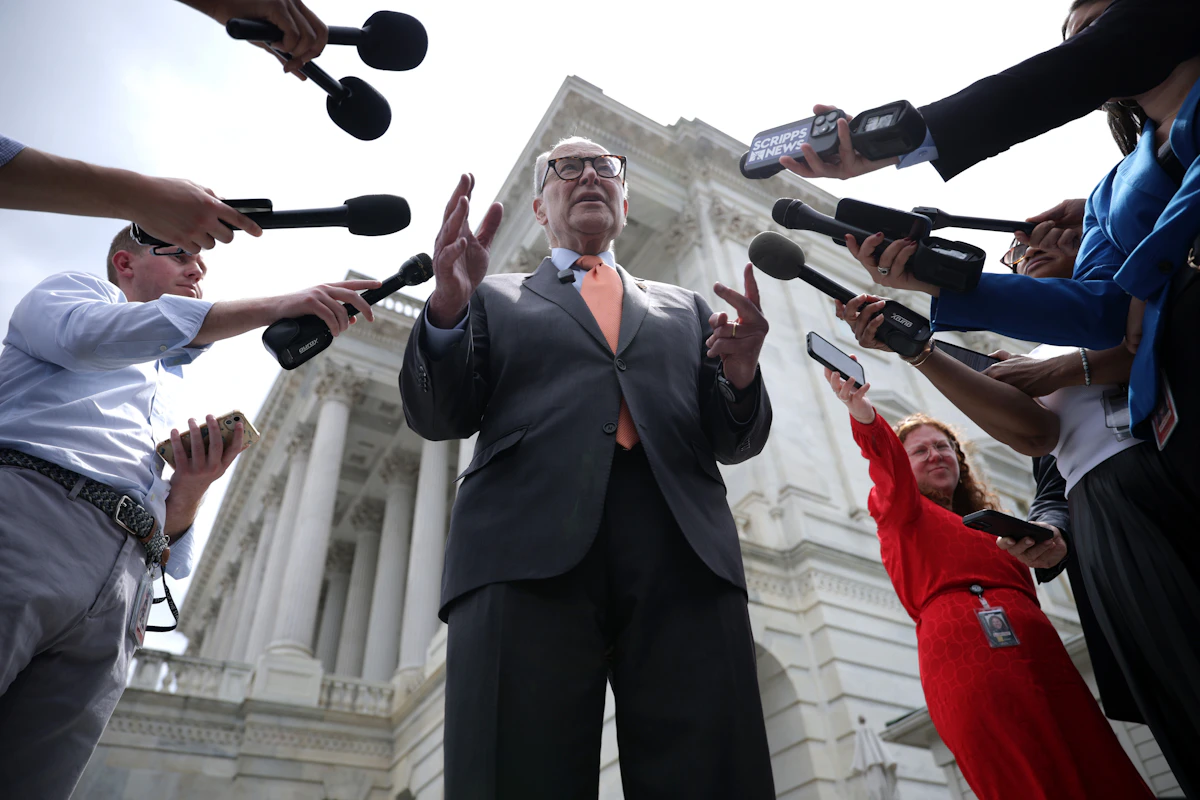
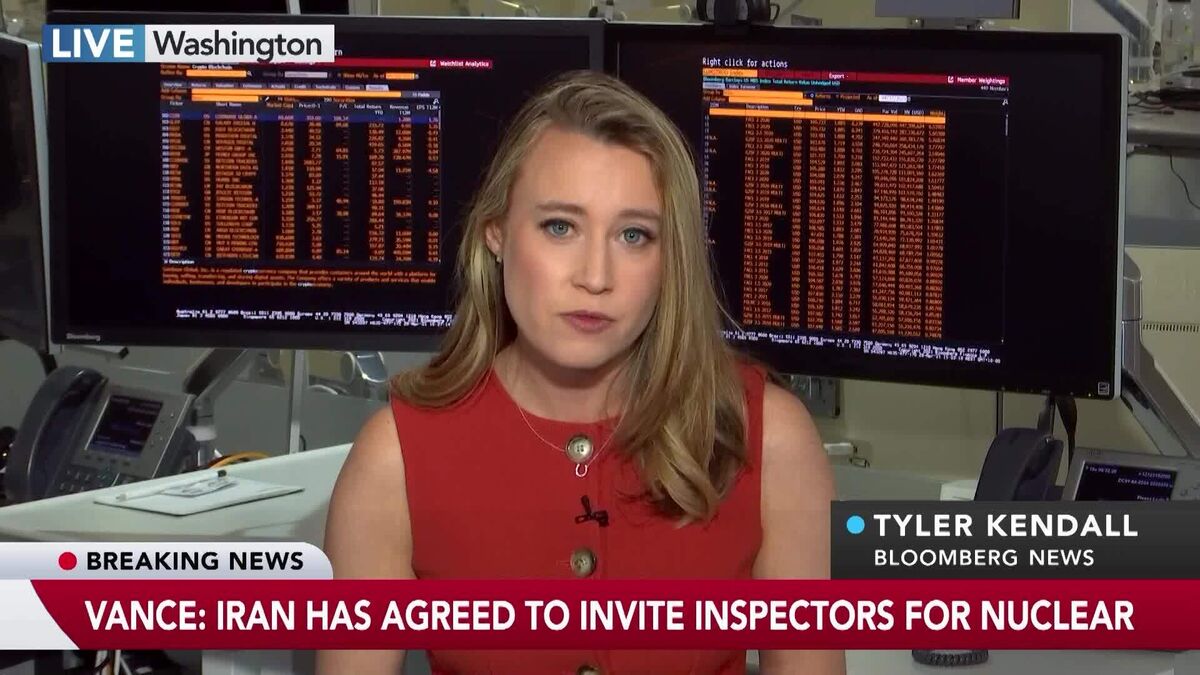
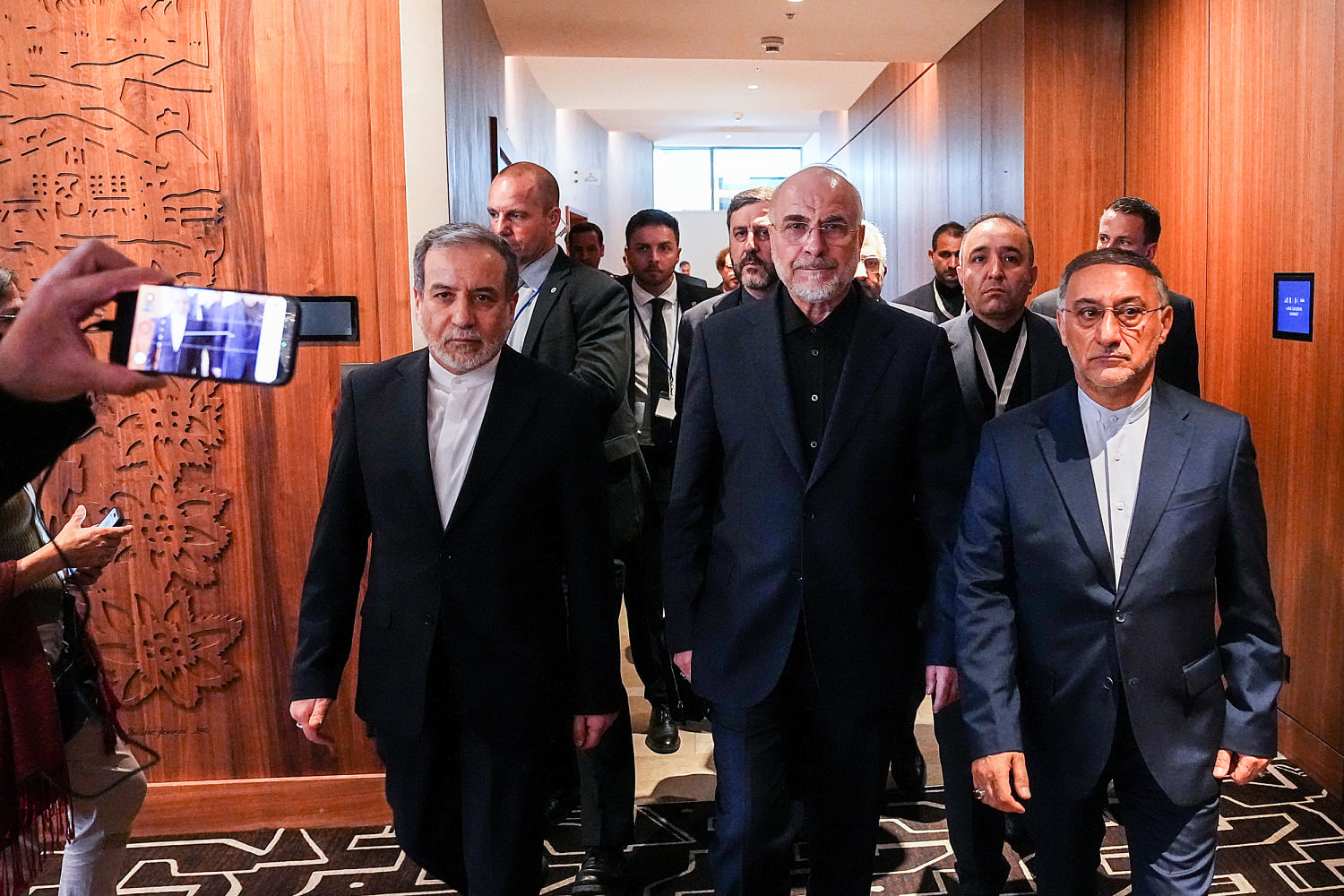
The United States and Iran have signed a Memorandum of Understanding, or (MOU), to end an Iran War that—when it began—Congressional Democrats widely denounced as a reprehensible and illegal “war of choice.” One might logically expect those same Democrats to welcome a diplomatic end to that war. Instead, many have taken aim at the MOU; some have even joined critics in the GOP who’ve suggested that it be subjected to Congressional review. The obvious alternative to allowing negotiations to proceed according to the terms established by the MOU is to continue the Iran War—and all of its attendant geopolitical and economic disruptions. In a social media post on Thursday evening, Senate Minority Leader Chuck Schumer suggested that the White House would need to seek Congressional approval to move forward with a prospective deal. “If Trump wants to send hundreds of billions of dollars to Iran,” he wrote, “he’ll need to do it with Republican votes. Democrats will not be helping Trump send $300 billion to Iran,” referencing a provision of the MOU to establish a multilateral fund for Iran’s post-war reconstruction and economic development. Hours later, after midnight, Schumer clarified his position: “As I’ve said from day one, this reckless, illegal war was a mistake and it’s no surprise it led to a shameful deal. This war must end.”Criticisms of the MOU over the last week have highlighted lingering tensions in a party reckoning with its leadership’s long-held support for hawkish and increasingly unpopular foreign policy—especially with regard to Iran. That baggage includes top Democrats’ historically staunch support for an Israeli government that once again seems poised to undermine any lasting peace deal between the US and Iran. “I do still think there’s kind of a vestigial reflex among a lot of Democrats to oppose anything that’s good for Iran, to oppose anything Israel doesn’t like, and to oppose anything that suggests the US is not all-powerful,” says Matt Duss, a former foreign policy staffer for Senator Bernie Sanders and current executive vice president of the Center for International Policy. “Despite the multiple foreign policy failures of the last several decades, especially after 9/11, there is still this belief that American military power can do magical things—even for critics of this war,” he added.It’s worth noting that Democrats’ criticisms of the MOU have in some cases been rooted in deep misunderstandings of what it actually says. Several senators, for instance, focused on an alleged “$300 Billion Dollar payment to Iran by the U.S.,” as Schumer wrote on social media. Connecticut Senator Chris Murphy called it a “reparations payment to Iran.” Senator Amy Klobuchar, of Minnesota, wrote that those funds could be used to “end homelessness, fund cancer research for 40 years, and give every child free pre-K for over 7 years. Instead, Trump is sending it to Iran.” The agreement states only that the U.S., “with regional partners,” will “develop a definitive mutually agreed plan with at least USD 300 Billion.” Essentially, this amounts to a commitment to make a plan to create a fund. The MOU further clarifies that those funds will be dollars—not that the U.S. government will itself be providing $300 billion (or any amount) directly. Esfandyar Batmanghelidj—chief executive of the Bourse & Bazaar Foundation, a research organization based in London—noted that the text of the MOU largely reflects points that negotiators had been discussing even before the Twelve-Day War between Iran and Israel last June. It’s mainly a framework for future negotiations, he explained, and provides for fairly modest economic relief as a show of good-faith that Iran might finally see an end to years of crushing U.S. sanctions. Rather than a $300 billion “payment,” the MOU outlines the immediate provision of two forms of interim economic relief: a sanctions waiver allowing Iran to export oil and petrochemical products, and the return of a small portion of Iranian assets that have been frozen in foreign accounts. The deal, Batmanghelidj added, “makes very clear the promise to Iran that if diplomacy is pursued to the max extent possible, and a deal is reached, then Iran can achieve an end-state where it’s no longer a global pariah.”It’s arguably somewhat historic that the U.S. and Iran have—after decades of tensions—have agreed to respect one another’s “sovereignty and territorial integrity and to refrain from interfering in each other’s internal affairs,” per the MOU.Batmanghelidj was wary of the prospect of partisan points-scoring helping to undermine an agreement whose foundations remain fragile. The next round of negotiations between the US and Iran were expected to begin in Switzerland on Friday, then abruptly postponed. Israel continued bombing Lebanon on Friday after reports that the two countries had renewed a ceasefire.