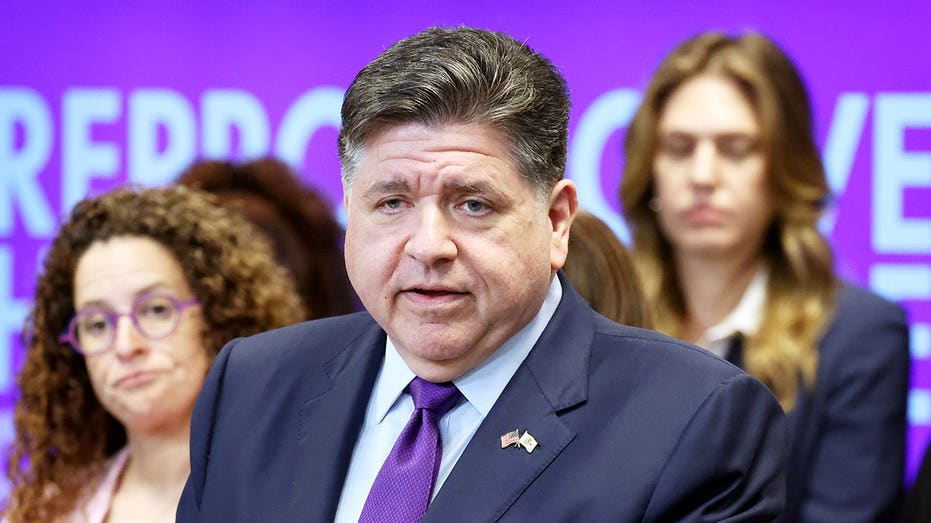
'Debases the Democratic process': Sotomayor pens scathing dissent in court's latest ruling
Source: Alternet.org · Bias: Left
Summary
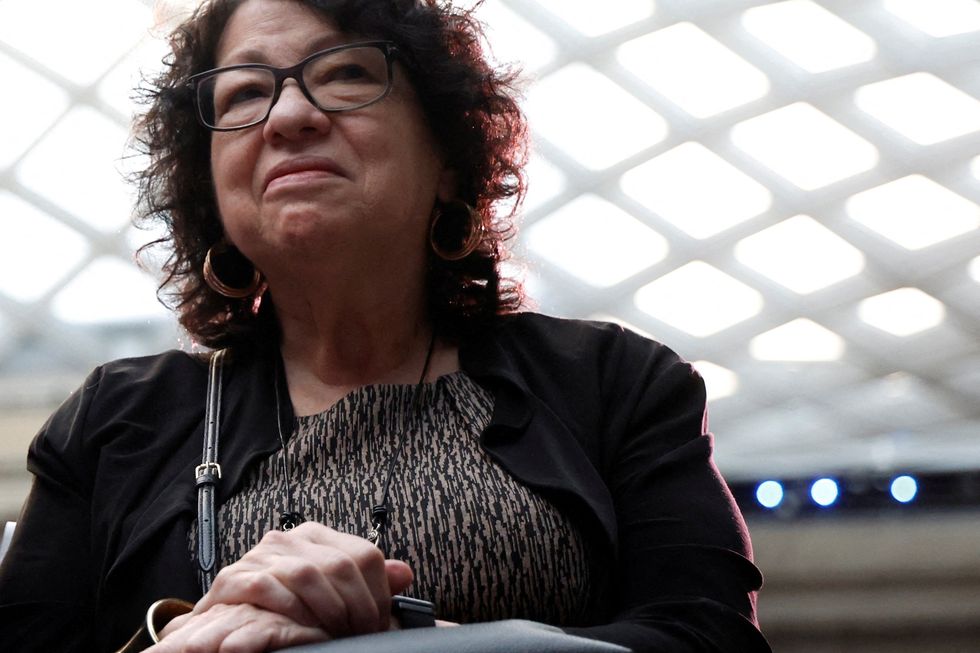
The US Supreme Court late Tuesday gave Alabama a green light to use an aggressively gerrymandered congressional map that a lower court said was “tainted by intentional race-based discrimination.”The unsigned decision, from which the high court’s three liberal justices dissented, enables Alabama’s Republican-dominated government to replace its current congressional map, which has two majority-Black districts, with a map that the US Supreme Court struck down in 2023. That map has just one majority-Black district.In her dissenting opinion, liberal Justice Sonia Sotomayor wrote that “just as Alabama doubled down on racial discrimination, the court today doubles down on chaos.”“In addition to being wrong on the merits, the court’s decision inflicts two grave harms on the public,” wrote Sotomayor. “It debases the democratic process by upending Alabama’s entire election in the name of permitting Alabama to discriminate against Black Alabamians. It also corrodes the rule of law by rewarding Alabama’s gamesmanship and outright defiance of court orders.”The liberal justice noted that in order to switch to the map previously struck down by the high court, Alabama election officials “will have to reassign hundreds of thousands of voters across the state to new congressional districts.”“Three of Alabama’s counties will be particularly hard hit because they are split across two congressional districts,” Sotomayor noted. “These counties have about 600,000 registered voters between them (roughly 15% of the state’s total number of registered voters).”Alabama Gov. Kay Ivey, a Republican, postponed US House primary elections in the wake of the Supreme Court’s April decision in Louisiana v. Callais, which severely narrowed the 1965 Voting Rights Act’s protections against racial discrimination and paved the way for Alabama and other states to impose new maps ahead of the 2026 midterms. “The Supreme Court’s shameful ruling allowing Alabama to move forward with a gerrymander that was drawn with the explicit intent to dilute Black voting power—as found by a panel of judges that included two Trump appointees—is an absolute affront to the founding principles of our democracy, and wipes out whatever was left of the court’s credibility,” said Marina Jenkins, executive director of the National Redistricting Foundation. “This country deserves better, and we must continue to work toward federal legislation that not only bans partisan and racial gerrymandering but also ensures that our rights cannot be undermined by captured courts.”The ruling drew condemnation from the two Democrats in Alabama’s US congressional delegation. Rep. Shomari Figures, who was elected to the US House under the independently drawn map that Alabama Republicans are working to replace, said in a statement that “the Supreme Court has now confirmed that there is no longer a Voting Rights Act in America, and states are essentially free to discriminate against minority voters with no consequences.”“This is a dangerous ruling that sets the state and this nation back decades,” said Figures.Rep. Terri Sewell called the ruling “just the latest in a pattern of outrageous Supreme Court decisions that help Republicans desperately cling to power ahead of the midterm elections while diluting Black voices and erasing decades of hard-fought civil rights progress.”“No matter how hard Alabama state officials may try, they will not succeed in silencing our voices,” said Sewell. “We will not go back to the Jim Crow era. The fight for fair representation continues.”
Related Coverage
- Trump DESTROYS the Press and Democrats at the WHCD. And Boy, the Media Couldn't Handle It! (Right — PJ Media)
- Appeals Court Upholds Blocks on Trump Order Restricting Mail Voting (Center Left — NYT > U.S. > Politics)
- Appeals court denies Trump’s bid to allow $100,000 fee on new H-1B visas (Center Left — US news | The Guardian)
- Appeals court rejects Trump bid to curb mail-in voting in 23 states (Center Left — US news | The Guardian)
- Onlookers rejoice as federal court slaps down Trump’s attack on mail-in ballots (Far Left — Raw Story)
- Court checks Pritzker as Trump administration scores another immigration win (Right — Latest Political News on Fox News)
- Worse Than Graham Platner? Troubling Personal Questions Emerge for Maine’s New Democrat Nominee for Senate – And He May Be Ineligible to Run (Far Right — The Gateway Pundit)
- ‘Like Graham Platner but worse’: GOP group vows $42,000,000 campaign against last-minute replacement Democrat (Far Right — BizPac Review)
Daily Analysis
Read the full Parallax Pulse for June 3, 2026 — an AI-powered analysis of how Left and Right media covered the biggest stories this day.
More Headlines From June 3, 2026
- Republican Senate Candidate Barry Moore May Be in Hot Water – Likely Publicly Misrepresented His Military Service Record for Years (Far Right)
- Congress must reject Trump’s indefensible foreign affairs budget (Center)
- Watch live: The Hill’s Invest In America Summit (Center)
- Latest LA mayoral race odds reveal who leads as ballots are counted (Right)
- DHS Chief Mullin Says He Canceled Most Contracts Left by Noem (Center)