Are Big Companies, Not Locavorism, the Best Hope for American Food?
Source: The New Republic · Bias: Left
Summary
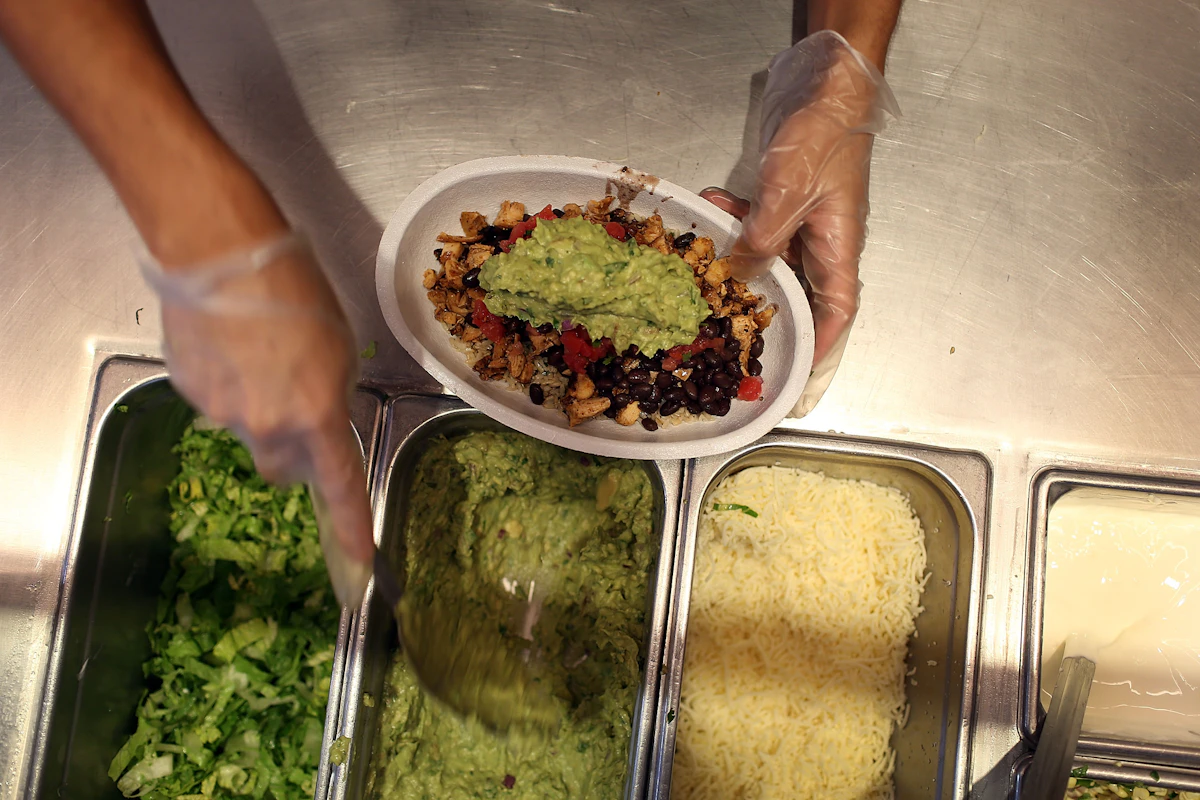
In 1999, Steve Ells, the founder and former CEO of the fast-food chain Chipotle, came across an article about the merits of humane, mostly pasture-raised pork—not just for the sake of the animals and the environment but for the flavor of the richly marbled and fatty meat. The piece was written by Ed Behr and published in his then-quarterly food journal, The Art of Eating. The following year, Chipotle began sourcing its pork from Paul Willis—founder of the Niman Ranch Pork Company—and one of the family farmers featured in Behr’s article.As Ells later recounted, higher-quality pork raised the price of a carnitas burrito from $4.50 to $5.50, but consumers were happy to pay a little more for meat they could trust. Sales doubled. Today Chipotle has nearly 4,000 locations in the United States—and plans to open several thousand more—and, at least in the world of fast food, has maintained a high standard for the meat it uses, including beef and chicken. Meanwhile Niman Ranch, a network of small farms that operates under a single brand, similar to Organic Valley, has also grown significantly: When Paul Willis started selling pigs as part of the boutique retailer in 1995, he was the only hog farmer involved. Now there are over 600 such farms participating in the program and Niman’s products can be found in supermarkets throughout the country.Chipotle is not alone. BurgerFi, a relatively small chain founded in 2011, uses only hormone- and antibiotic-free beef and chicken. Shake Shack, the upscale Danny Meyer chain launched in the early 2000s, is also committed to serving antibiotic-free meat from animals raised humanely (yes, like organic, the word humane is deeply problematic). And a number of supermarkets, including Whole Foods, Trader Joe’s, and Hannaford, have—in response to public pressure—improved the quality of meat they offer. At the same time, over the last 20 years, food justice movements, and writers who have profiled them, have compelled some of the biggest global operators, such as McDonald’s and WalMart, to adhere to higher environmental and labor standards in their supply chains. These are all trends that Jan Dutkiewicz and Gabriel N. Rosenberg, authors of Feed the People! Why Industrial Food is Good and How to Make it Even Better, would likely applaud. In their provocative book, the authors argue that improving existing modes of production is the most effective way to feed the world—with a population of more than eight billion and growing. The current system relies on low wages, enormous amounts of land and energy, and the widespread mistreatment of animals to furnish us with highly processed food that has led to poor health outcomes. At its core, the authors’ pitch comes down to access and sustainability: making sure people can afford better-quality food and that we don’t destroy the planet and the lives of workers along the way. Big, they might argue, is beautiful.“Locavorism”—the idea that we should try, whenever possible, to buy food grown in the region we live in—is impractical or too expensive for most people.It’s a counterintuitive argument, not least because reformers have tended to look to decentralized systems of small farms built around regional and local markets for a better source of food: yielding fresher, seasonal produce that has not traveled long distances on polluting trucks or planes. Yet these models, the authors point out, have failed to make a “provably large impact on the problem.” “Escapist foodie fantasies,” propagated by writers like Michael Pollan and chef Alice Waters, they write, “are a dead end.” “Locavorism”—the idea that we should try, whenever possible, to buy food grown in the region we live in—is impractical or too expensive for most people and therefore unable to serve as the “basis for reliably feeding all of society.” The food system isn’t broken and should not be remade from the bottom up, only reformed. (“Keep what works and get rid of what doesn’t,” they write, a deceptively simple proclamation that is much easier said than done.) The authors do not shy away from the downsides of modern agriculture and processing but contend that using the infrastructure already in place is the only viable way to meet the needs of the vast majority of people. “As far as we’re concerned,” they write, “we ought not abandon the pleasures of the industrial food system. We should make improving them the object of our politics. It’s what we call democratic hedonism.” This is what has defined the modern age: food that is cheap, safe, and abundant.To make their case, Dutkiewicz and Rosenberg dispense with what they view as the misguided efforts of a generation of “foodie writers,” from agrarian philosopher and poet Wendell Berry—his 1977 book The Unsettling of America was a major influence on figures like Waters and Pollan—to critic cum cookbook author Mark Bittman.
Related Coverage
- Big Oil heads for biggest profits in years as Trump pushes for lower gas prices (Right — New York Post)
- ‘A total disappointment’: revelers face unbearable heat at Great American State Fair (Center Left — US news | The Guardian)
- From Saatva to Casper: The best Fourth of July mattress and bedding sales (Right — New York Post)
- Extreme heat temporarily closes Great American State Fair (Center — NewsNation)
- Americans Cheer as B-2 Stealth Bomber, Fighter Aircraft Fly Over Great American State Fair in DC Amid 250 Celebrations (VIDEO) (Far Right — The Gateway Pundit)
- Mt. Olive Pickle Co. exits Great American State Fair over Confederate flag (Center — The Hill News)
- NYC Mayor Mamdani discusses American exceptionalism and "forces of division" in America 250 speech (Center — Politics - CBSNews.com)
- Americans hit the road in record numbers for 4th of July — in spite of high gas prices (Right — New York Post)
Daily Analysis
Read the full Parallax Pulse for April 6, 2026 — an AI-powered analysis of how Left and Right media covered the biggest stories this day.
More Headlines From April 6, 2026
- The return of common sense and sexual sanity (Far Right)
- Trump Threatens to Kill Thousands More Iranians in Unnerving Tirades (Left)
- President Trump Endorses Steve Hilton in California GOP Primary (Far Right)
- President Donald Trump and First Lady Melania Trump Celebrate Easter (Far Right)
- Reporter at Easter Egg Roll Tries to Get Trump with Gotcha Question by Suggesting He’s Committing War Crimes, But Trump Isn’t Having It (VIDEO) (Far Right)