This laughable ending to an ugly Epstein scandal laid bare a dark reality
Source: Raw Story · Bias: Far Left
Summary
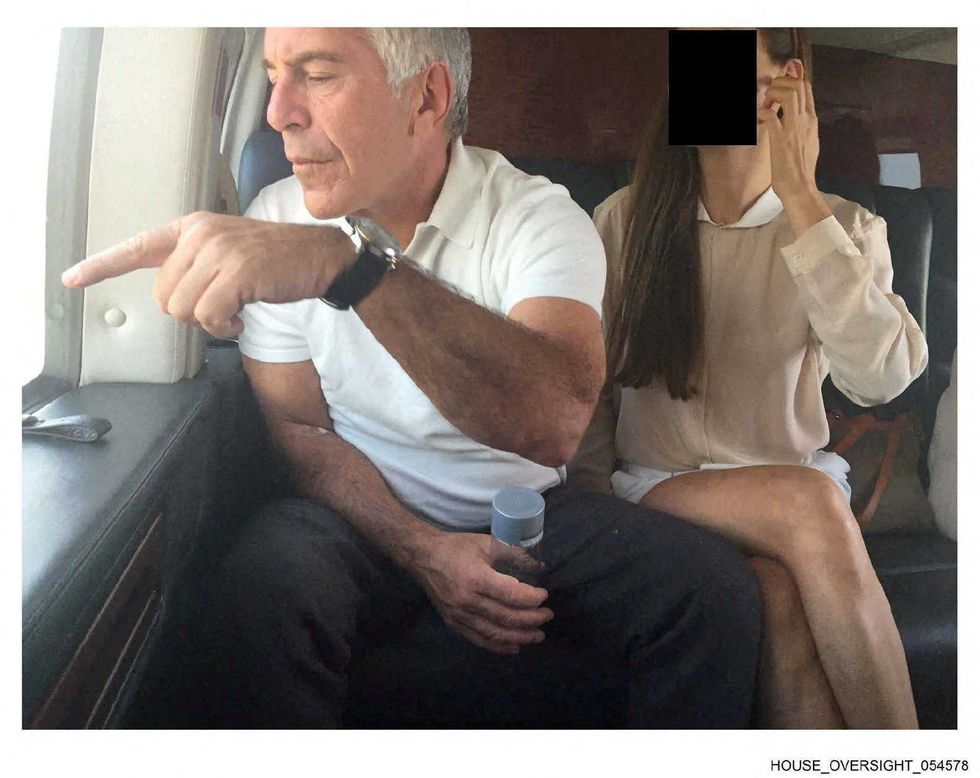
By Yana van der Meulen Rodgers, Professor of Labor Studies, Rutgers University. Economist Larry Summers will resign from his tenured job as a professor at Harvard University, the school announced on Feb. 25, 2026, following heightened scrutiny of his ties with the late convicted sex offender Jeffrey Epstein. Summers will leave at the end of the 2025-26 academic year, with a new title: president emeritus.It’s a soft landing for his fall from grace.In November 2025, Harvard launched an investigation of Summers, a former U.S. treasury secretary who previously served as Harvard’s president.The probe looked into whether Summers and other members of Harvard’s faculty and administration had interactions with Epstein that violated its guidelines on accepting gifts and should be subject to disciplinary action. Summers’ resignation is connected with this ongoing investigation, a Harvard spokesperson told The Hill.Despite repeated calls by students for Harvard to revoke Summers’ tenure, he held onto his teaching and academic appointments at Harvard until he chose to retire. Students and staff also called for his resignation in 2005 following his disparaging comments about women in science.“Free of formal responsibility, as President Emeritus and a retired professor, I look forward in time to engaging in research, analysis, and commentary on a range of global economic issues,” Summers said in a statement released on Feb. 25.Not surprisedAs a female economist and a board member of the Committee on the Status of Women in the Economics Profession — a standing committee of the American Economic Association — I wasn’t surprised by the revelations of Summers’ apparent chumminess with Epstein, shocking as they may appear.After all, it was Summers’ disparaging remarks about what he said was women’s relative inability to do math that led him to agree to relinquish the Harvard presidency in 2006.And for years, researchers have documented the gender bias that pervades the field of economics.The title of president emeritus is honorary. It brings with it symbolic recognition and the opportunity to maintain a formal connection to the university. Emeritus status is selective and requires approval at most universities. It’s usually bestowed on retiring professors.In my view, by conferring this title on Summers, Harvard is signaling that powerful men can outlast gross misconduct with their honorifics intact.Summers’ ties to EpsteinSummers, until his entanglement in the Epstein scandal came to light, was among the nation’s most influential economists.But his history of public controversy stretches back to at least 1991, when a memo he wrote while serving as the World Bank’s chief economist appeared to justify sending toxic waste to poorer countries.Criticism of Summers surged after the House of Representatives released damning messages between Summers and Epstein as part of a dump of more than 20,000 public documents from Epstein’s estate in November 2025.A series of emails and texts documented how Summers repeatedly sought Epstein’s advice while pursuing an intimate relationship with a woman he was mentoring — while the economist was married to someone else.Summers was close enough to Epstein that in 2014, the sex offender named the economist as a backup executor for his estate.The Department of Justice released a much larger tranche of documents in January 2026 in compliance with a law passed by Congress. So far, no major media outlet has reported on any new Summers materials discovered as a result.Harvard’s slow responseThe Summers-Epstein exchanges released in November ignited a new round of scrutiny and led to the unraveling of Summers’ prestigious career.Summers went on leave from teaching at Harvard on Nov. 19 and stepped down from several high-profile boards.But beyond launching the investigation, Harvard took no decisive action to discipline or sanction Summers. This calculated hesitation, which reflects the institution’s efforts to court funding, power and influence among top donors, appears to have put donor politics above basic accountability.By contrast, the American Economic Association, the primary professional association for economists, did take swift and harsh action. In an unprecedented move, on Dec. 2, 2025, the AEA announced that it had placed a lifetime ban on Summers from all its conferences and other activities.Having lots of companyTo be sure, Harvard is not the only prestigious university dealing with the aftermath of the Epstein revelations.The Epstein documents include evidence that administrators and professors at other prestigious colleges and universities like Duke, Yale, Bard, Princeton and Columbia also exchanged messages with Epstein.As public funding for higher education has eroded, universities have increasingly turned to wealthy donors to underwrite major projects and supplement budgets by endowing professorships and research centers.
Related Coverage
- Warriors’ LeBron James free agency pursuit receives brutal reality check (Right — New York Post)
- MAGA reporter declares: 'Uncool' State Fair debacle is the 'end of Trump' (Left — Alternet.org)
- Justice Department defends decision not to release, unredact more Epstein files (Center — NewsNation)
- Justice Department defends decision not to release, unredact more Epstein files (Center — The Hill News)
- Will Trump v. Barbara End the Birthright Citizenship Debate? (UPDATED) (Center Right — Reason.com)
- ‘So dumb!’: Reporter who nailed Trump over Epstein unloads another thundering beatdown (Left — Alternet.org)
- Democrats reveal hypocrisy as SCOTUS ends Haitian protections: ‘Why is Haiti America’s responsibility?’ (Right — Blaze Media)
- Legal expert shares sobering warning after Trump's big court loss: 'Not the end' (Far Left — Raw Story)
More Headlines From March 1, 2026
- Did Trump start a regional war in the Middle East? (Center)
- Iran fires back after U.S., Israeli attacks, but no Americans injured so far (Center)
- Trump's push for one-man rule can no longer be denied (Left)
- Iran attack becomes latest flashpoint in Senate races (Center)
- Why did US attack Iran? Is US at war? How many have died? What to know (Center)