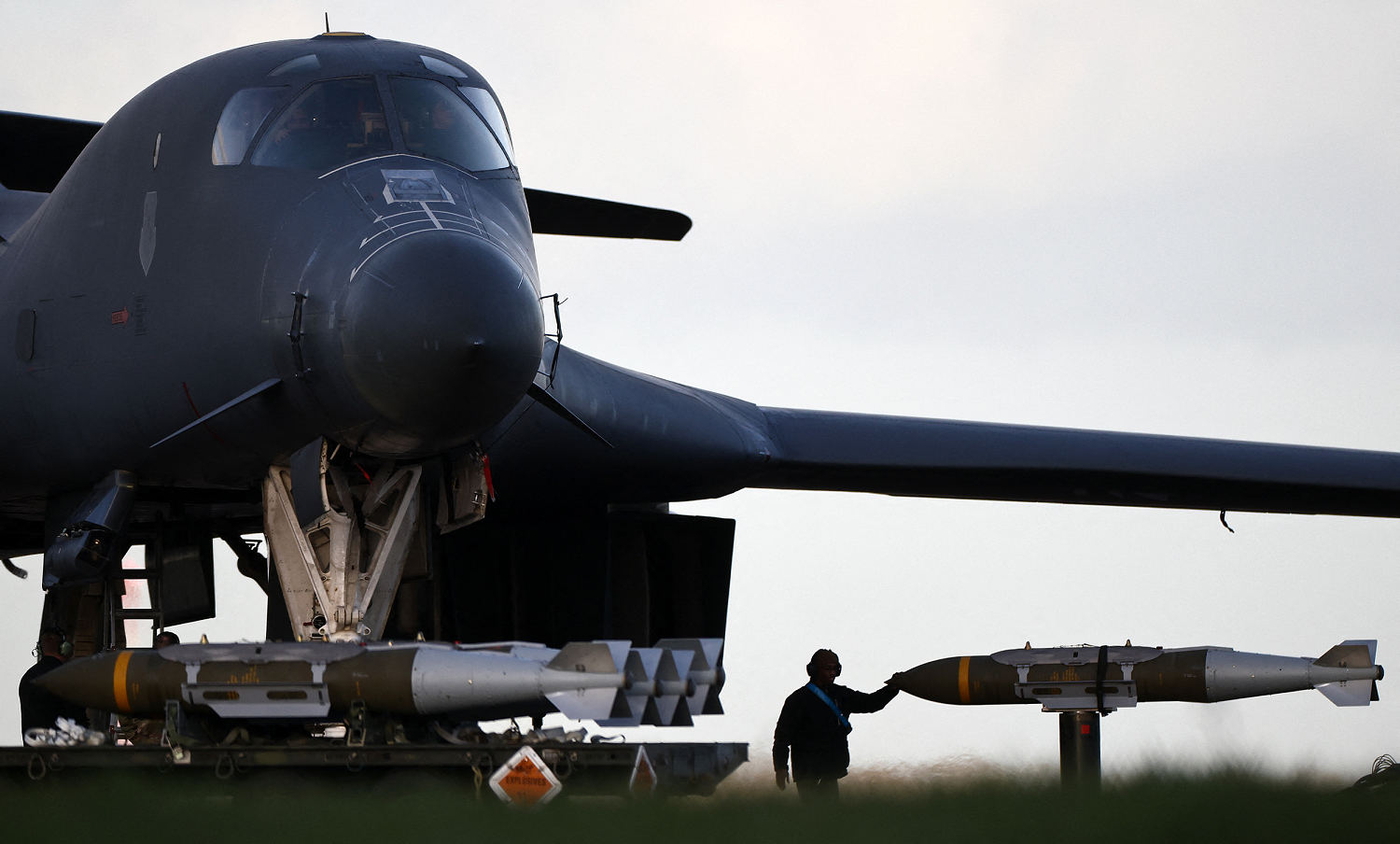
Pentagon burns billions in just 48 hours as Iran war spirals into the unknown

Source: Raw Story · Bias: Far Left

Summary

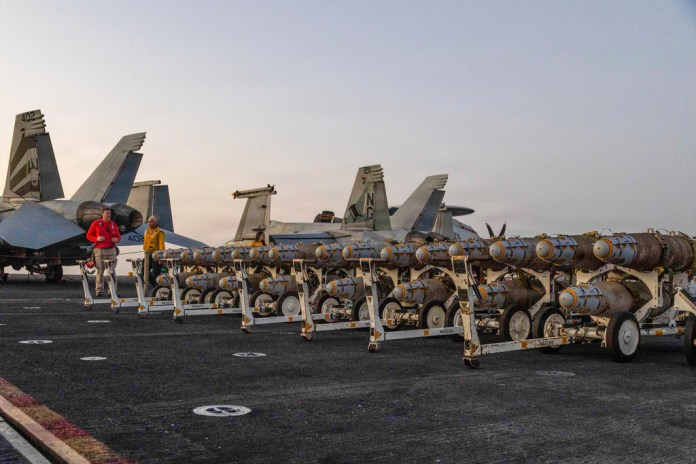
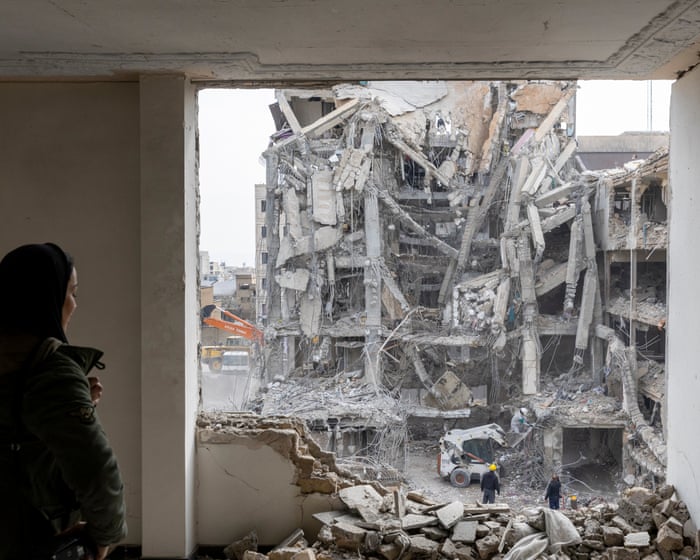
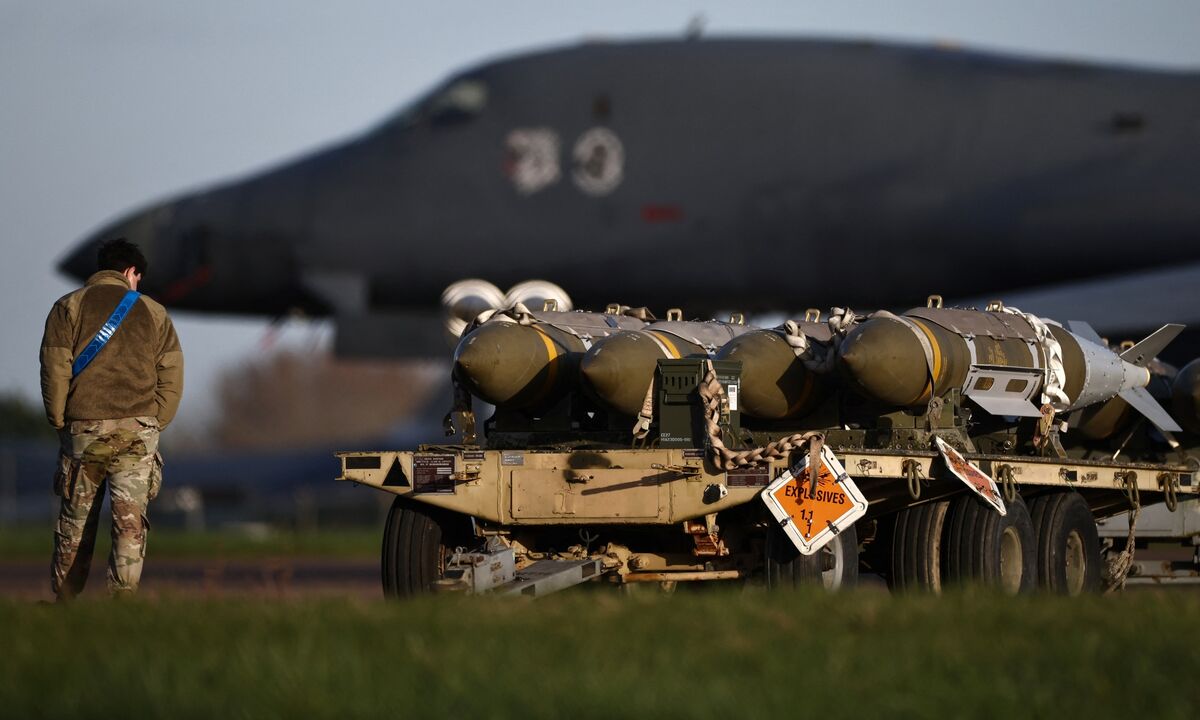
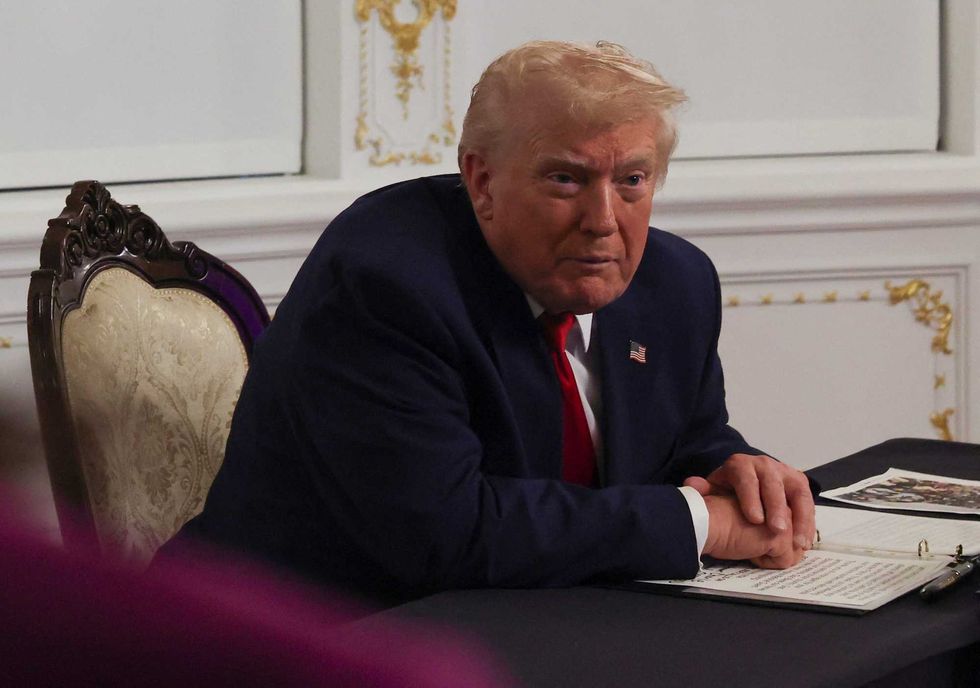
WASHINGTON — Members of Congress have not formally authorized a war in Iran, though they may soon be expected to approve emergency funding for the endeavor without any projection from the Trump administration as to how long it may last or the full cost, not just in dollars but in American troop and civilian lives.Experts on defense spending interviewed by States Newsroom say the cost of weeks of air bombing will mount into the billions of dollars, a sum that will balloon if ground troops are sent into Iran to undertake regime change and if the war extends for months to come.Defense Department officials briefed Congress on Monday that the Pentagon spent $5.6 billion on munitions alone during the first two days of the war, according to a congressional aide not authorized to speak publicly. The aide expects DOD has spent into the double digits in the days since.President Donald Trump has sent mixed signals about the timeline and end goals for the war, called Operation Epic Fury. He at first said the bombing campaign he began alongside the Israeli government could last between four and six weeks and on Monday said it is possible it will end “quickly.” Trump, however, hasn’t ruled out a longer assault or the deployment of ground troops.Republican lawmakers who control Congress say the ongoing attack is an essential national security undertaking and that they won’t constrain Trump in his role as commander-in-chief.Democrats, who tried unsuccessfully to remove U.S. troops from hostilities until approved by Congress, will be needed to provide enough votes to move any supplemental spending request through the Senate — one possible obstacle to a prolonged conflict.Plumes of smoke rise following an explosion on March 5, 2026 in Tehran, Iran. (Photo by Majid Saeedi/Getty Images)Even a relatively brief war will have long-lasting, far-reaching consequences for the millions of people pulled into the conflict.“One lesson of history is that a war that is supposedly short or brief has these huge repercussions that ripple across time,” said Stephanie Savell, director of the Cost of War project at the Watson School of International & Public Affairs at Brown University.Neither the White House nor the Office of Management and Budget have disclosed publicly how much the bombing has cost taxpayers so far or how much spending it might eventually require. A Defense Department spokesperson said they “have nothing to provide on this at this time.” The top Democrat on the House Budget Committee, Rep. Brendan Boyle of Pennsylvania, has asked the Congressional Budget Office to come up with a number.Comparison with Iraq, AfghanistanMichael O’Hanlon, director of research in the foreign policy program at the liberal-leaning Brookings Institution, said a ballpark estimate for the military costs of war during an “extended air campaign” would normally run a couple of billion dollars a month.“But at this point, I think we’re more likely in the couple billion a week range,” he said.Achieving long-lasting regime change, which Trump has spoken about often since the war began, could be much more costly, both in terms of American spending and troops’ lives, as well as civilian casualties.The wars in Afghanistan and Iraq averaged about $1 million per deployed U.S. troop per year once all of the infrastructure, equipment, health care and other factors were rolled into the cost of war.During the peak of those wars, O’Hanlon said, there were about 100,000 to 175,000 troops in those two countries and the United States was spending about $200 billion annually.“If you needed at least 100,000 U.S. troops in Afghanistan, you could conceivably need a quarter million or more in Iran if you’re really going to try to occupy and stabilize the whole country,” he said. “So that means now you’re getting into the range of $250 to $300 billion a year for a presence that would stay in Iran for a full 12 months. And then each and every year it would be additional.”That, however, is just the potential cost for the military. It doesn’t include damage to U.S. diplomatic facilities in the region or other costs associated with war.“You’ve got your infrastructure damage as well as higher energy costs around the world. And already talk of less fertilizer being produced, which is going to reduce crop yields,” O’Hanlon said. “So there are all sorts of second-order effects.”‘Wars are never quick or cheap or easy’The death toll for U.S. troops, seven of whom have already died, could also increase depending on the scope of the conflict.There were about 150 combat fatalities during the first Gulf War in the early 1990s, as well as about 150 deaths from training and accidents in the lead-up and aftermath, O’Hanlon said.The war in Afghanistan led to the deaths of about 2,500 U.S. troops across roughly two decades.

Related Coverage

More Headlines From March 11, 2026

Pentagon burns billions in just 48 hours as Iran war spirals into the unknown
Raw Story

Pentagon burns billions in just 48 hours as Iran war spirals into the unknown

Far Left

WASHINGTON — Members of Congress have not formally authorized a war in Iran, though they may soon be expected to approve emergency funding for the endeavor without any projection from the Trump administration as to how long it may last or the full cost, not just in dollars but in American troop and civilian lives.Experts on defense spending interviewed by States Newsroom say the cost of weeks of air bombing will mount into the billions of dollars, a sum that will balloon if ground troops are sent into Iran to undertake regime change and if the war extends for months to come.Defense Department officials briefed Congress on Monday that the Pentagon spent $5.6 billion on munitions alone during the first two days of the war, according to a congressional aide not authorized to speak publicly. The aide expects DOD has spent into the double digits in the days since.President Donald Trump has sent mixed signals about the timeline and end goals for the war, called Operation Epic Fury. He at first said the bombing campaign he began alongside the Israeli government could last between four and six weeks and on Monday said it is possible it will end “quickly.” Trump, however, hasn’t ruled out a longer assault or the deployment of ground troops.Republican lawmakers who control Congress say the ongoing attack is an essential national security undertaking and that they won’t constrain Trump in his role as commander-in-chief.Democrats, who tried unsuccessfully to remove U.S. troops from hostilities until approved by Congress, will be needed to provide enough votes to move any supplemental spending request through the Senate — one possible obstacle to a prolonged conflict.Plumes of smoke rise following an explosion on March 5, 2026 in Tehran, Iran. (Photo by Majid Saeedi/Getty Images)Even a relatively brief war will have long-lasting, far-reaching consequences for the millions of people pulled into the conflict.“One lesson of history is that a war that is supposedly short or brief has these huge repercussions that ripple across time,” said Stephanie Savell, director of the Cost of War project at the Watson School of International & Public Affairs at Brown University.Neither the White House nor the Office of Management and Budget have disclosed publicly how much the bombing has cost taxpayers so far or how much spending it might eventually require. A Defense Department spokesperson said they “have nothing to provide on this at this time.” The top Democrat on the House Budget Committee, Rep. Brendan Boyle of Pennsylvania, has asked the Congressional Budget Office to come up with a number.Comparison with Iraq, AfghanistanMichael O’Hanlon, director of research in the foreign policy program at the liberal-leaning Brookings Institution, said a ballpark estimate for the military costs of war during an “extended air campaign” would normally run a couple of billion dollars a month.“But at this point, I think we’re more likely in the couple billion a week range,” he said.Achieving long-lasting regime change, which Trump has spoken about often since the war began, could be much more costly, both in terms of American spending and troops’ lives, as well as civilian casualties.The wars in Afghanistan and Iraq averaged about $1 million per deployed U.S. troop per year once all of the infrastructure, equipment, health care and other factors were rolled into the cost of war.During the peak of those wars, O’Hanlon said, there were about 100,000 to 175,000 troops in those two countries and the United States was spending about $200 billion annually.“If you needed at least 100,000 U.S. troops in Afghanistan, you could conceivably need a quarter million or more in Iran if you’re really going to try to occupy and stabilize the whole country,” he said. “So that means now you’re getting into the range of $250 to $300 billion a year for a presence that would stay in Iran for a full 12 months. And then each and every year it would be additional.”That, however, is just the potential cost for the military. It doesn’t include damage to U.S. diplomatic facilities in the region or other costs associated with war.“You’ve got your infrastructure damage as well as higher energy costs around the world. And already talk of less fertilizer being produced, which is going to reduce crop yields,” O’Hanlon said. “So there are all sorts of second-order effects.”‘Wars are never quick or cheap or easy’The death toll for U.S. troops, seven of whom have already died, could also increase depending on the scope of the conflict.There were about 150 combat fatalities during the first Gulf War in the early 1990s, as well as about 150 deaths from training and accidents in the lead-up and aftermath, O’Hanlon said.The war in Afghanistan led to the deaths of about 2,500 U.S. troops across roughly two decades.