Treasury Prepares to Make Trump the Face of a New $250 Bill
Treasury Secretary Bessent backed the idea, which would require legislation allowing a living person to appear on currency.

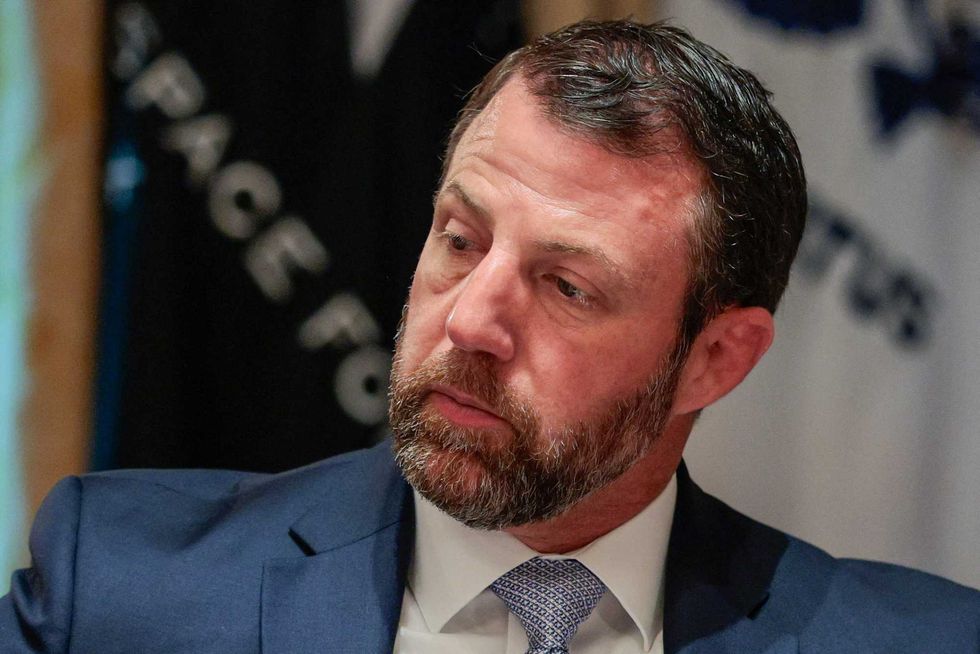
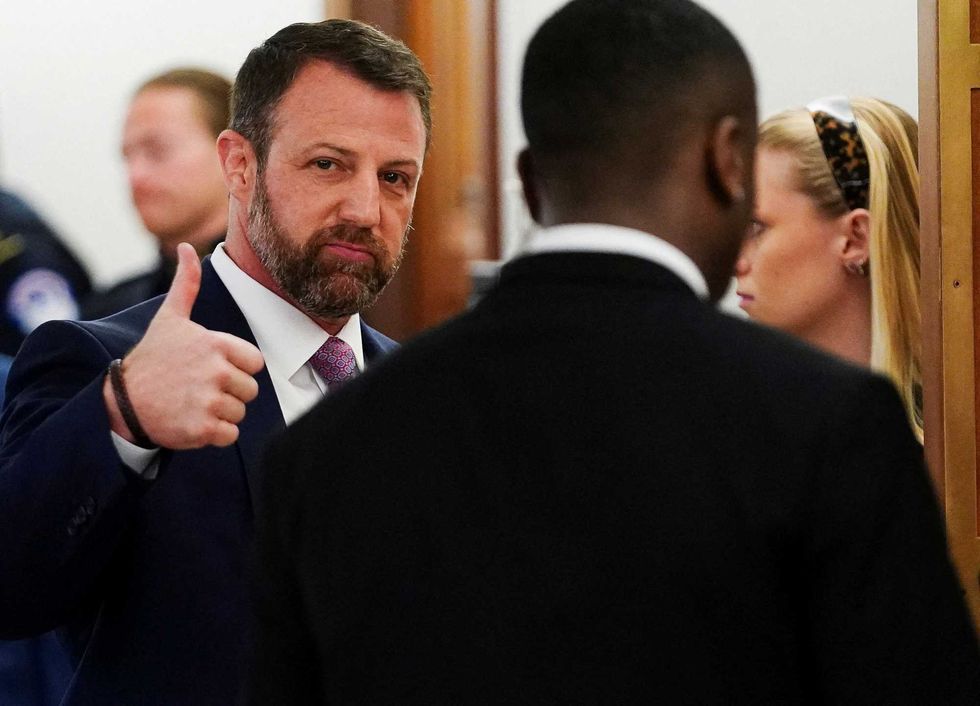
Homeland Security Secretary Markwayne Mullin was brought into the fold to try and take the heat off the Trump administration and its "scandal-soaked predecessor, Kristi Noem" — but that hasn't exactly panned out, an analyst reported on Thursday.The Bulwark's Andrew Egger wrote that Mullin appears to have followed in Noem's footsteps, and he might not have considered one question: "What if he turned out to be exactly the same?" "Markwayne Mullin was brought in to stop the scandals and boost DHS morale. He’s not off to a great start," Egger wrote.Reports have surfaced this week that Mullin has been pushing to get his wife on the agency's payroll and flying on the same $70 million luxury jet that Noem used, traveling to his home state of Oklahoma and often working there instead of Washington, D.C. He's also pushed the "jaw-dropping" idea that the Trump administration should halt flights into blue cities, something the travel industry has warned could have "devastating consequences," Egger wrote. He even blamed a Democratic lawmaker for getting pepper-sprayed outside an ICE detention center, claiming it was the senator's own fault.Mullin might not be that different from Noem, and it's likely he has the same motivations, Egger explained."The fact that Mullin keeps pitching the plan anyway shows how perverse the incentive structures remain for Trump’s underlings," Egger wrote. "You might think that Mullin, who was explicitly brought into DHS to stop the endless parade of scandals that followed Noem, would spend a bit more time working the kinks out of his plans before introducing them to the world. "But that’s not how it works in Trump’s orbit: The only way to win currency with the emperor is to roll the ball forward in directions you think he’ll personally like, and to be seen doing so on TV if you can swing it. Trump hates blue cities and loves punishing them in performative ways. So forget the law, forget what’s fair, forget the economy, forget winning back disaffected voters, forget good policy — Markwayne’s going to dance for him the only way he likes."
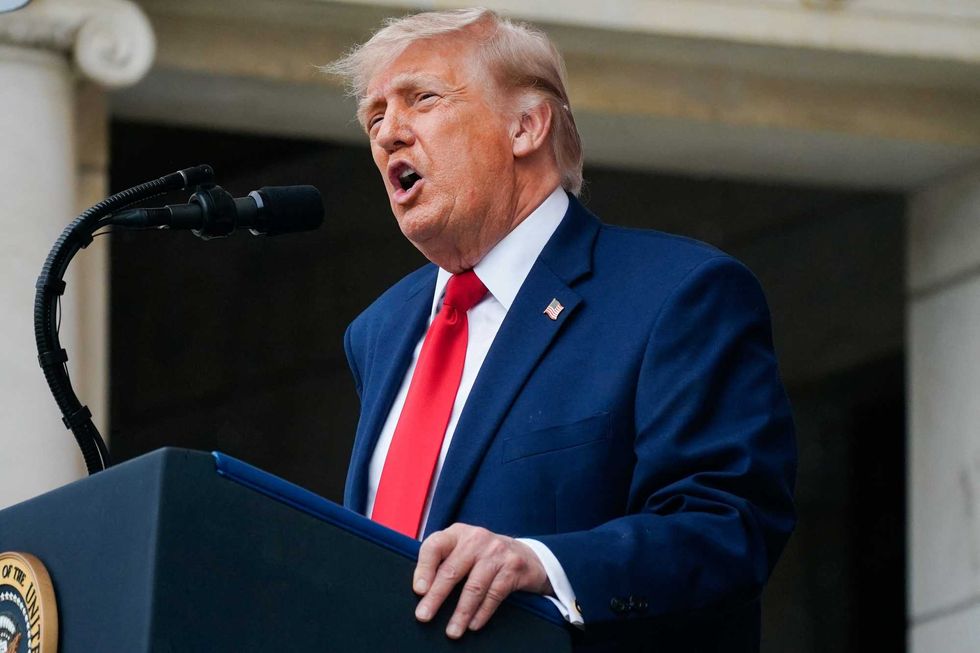
Treasury Secretary Bessent backed the idea, which would require legislation allowing a living person to appear on currency.
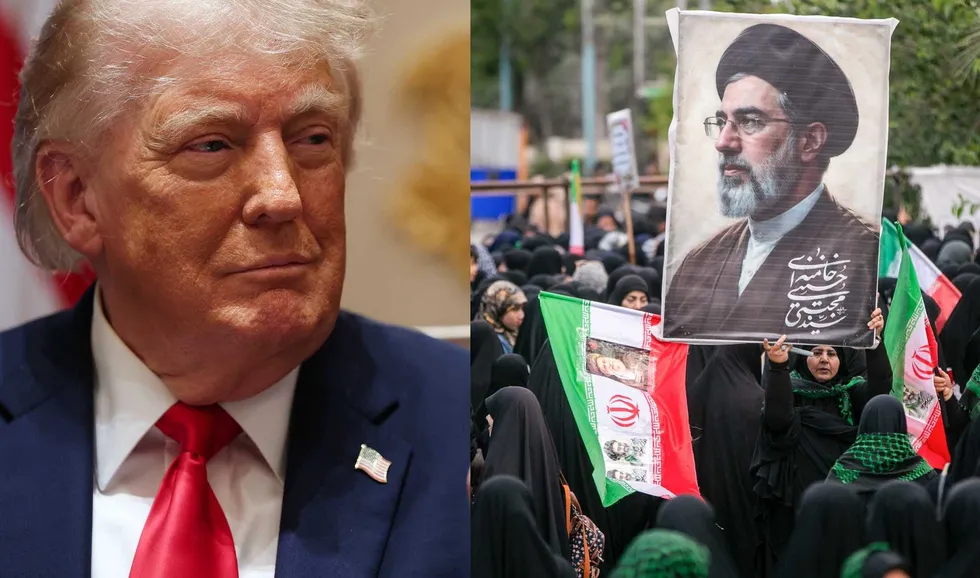
An expert in Middle East affairs shared a startling prediction about President Donald Trump's latest peace plan for the region during a new podcast interview on Thursday. Trump has demanded that more Muslim-majority countries in the Middle East sign on to the Abraham Accords, a bilateral agreement the first Trump administration struck with some Middle Eastern countries in 2020, as part of the peace deal for the war in Iran. Reporting from Politico suggests that the idea has been met with "laughter, dismissal and, often, silence" from leaders in Middle Eastern countries. Malcolm Nance, a former intelligence officer, said on a recent episode of the "PolitiCon" podcast that the idea is "mindless" and could lead to a resurgence of extremist groups the U.S. fought to defeat during the War on Terror. "Trump seems to think that if I allow Israel to use force or Iran to use force, I can coerce you into doing something which technically could start the revival of ISIS and al-Qaeda in the Muslim world," Nance said. The war in Iran has metastasized from an isolated conflict between the U.S., Israel, and Iran into a regional conflict over the last three months. Iran retaliated to American and Israeli bombing campaigns by striking Israel, Saudi Arabia, and other U.S. allies in the region. In turn, Trump appears to be using Iran's strikes as leverage to get more Middle Eastern countries to sign on to the Abraham Accords, Nance suggested. "Trump is so absolutely desperate to get something out of this war with this little trick," Nance said. "I can't wait to read who was the person to come up with this crazy plan that we're losing the Iran war.""It's really bizarre. This is Bizarro World," he added.
The Department of Justice (DOJ) filed lawsuits Thursday against four states for refusing to issue “undercover” license plates to federal immigration officers. The lawsuits against Maine, Washington, Oregon and Massachusetts follow a letter sent from the DOJ earlier this month, urging all four jurisdictions to issue confidential plates to federal agents. “By denying undercover license…
US Homeland Security Secretary Markwayne Mullin on Thursday reiterated his threat to remove Customs and Border Protection agents from airports at so-called “sanctuary cities” that bar local police from cooperating with federal immigration enforcement operations.During a Fox News interview, co-host Brian Kilmeade asked Mullin whether this plan would essentially halt all international flights to major US airports in travel hubs such as Chicago, Los Angeles, and New York.Mullin responded by saying DHS wasn’t “going to halt the flights,” but rather “won’t be able to process them because we won’t have officers there.”The DHS secretary said that the CBP officers needed to be sent to protect DHS employees at the Delaney Hall migrant detention center in Newark, New Jersey, which has been targeted in recent days by protesters demanding humane treatment of immigrants.“If things don’t change, we’re going to have to make this step pretty quick,” Mullin emphasized. “I’m not going to put my employees and my [US Immigration and Customs Enforcement] agents at risk going to and from this [facility].”Critics were quick to point out that Mullin’s plan would lead to massive chaos at major international airports and would be a significant economic disruption at a time when Americans are already under financial pressure from the rising price of food and energy.“This would be deliberately stabbing the US economy in the back,” argued Aaron Reichlin-Melnick, senior fellow at the American Immigration Council. “It would cause enormous economic damage and disrupt air travel nationwide, as airlines would be forced to cancel flights en masse. That he’s even contemplating this publicly is a sign of madness.”Minneapolis-based attorney Will Stancil questioned whether Mullin had fully gamed out how his plan would play out politically for his boss, President Donald Trump, whom polls show is historically unpopular.“If I’m sitting at 35% approval,” Stancil mused, “the thing I definitely want to do is to cause apocalyptic levels of chaos at all of America’s largest airports.”Retired air traffic controller Vivian Lumbard similarly marveled at the self-destructive consequences that would come from enacting Mullin’s plan.“If customs isn’t there processing international flights, US citizens won’t be permitted to re-enter the United States either,” she wrote. “Do any of these people have a working brain or understand how life works in the real world?”Mullin’s threats appear to be more than bluster, however. The Atlantic reported last week that the DHS chief recently “convened a small group of airline and travel-industry executives at DHS headquarters in Washington and told them he may reduce [CBP] staffing at major airports that serve sanctuary jurisdictions,” including airports in New York, Washington, DC, and Portland, Oregon.
Trump officials have pushed the nation's money printers to design a $250 bill emblazoned with his face, despite a 159-year-old law banning living people on US currency.
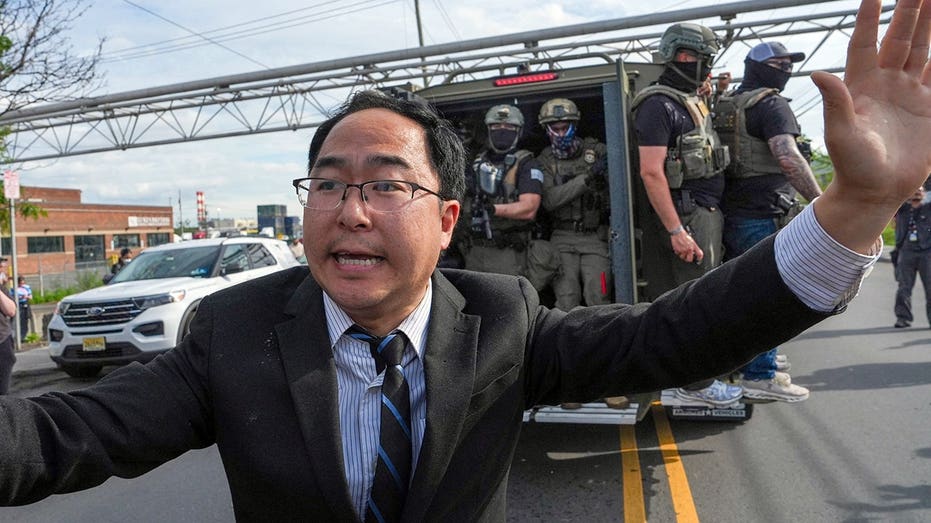
Sen. Andy Kim and DHS Secretary Mullin trade accusations over chaotic protests and pepper-ball spray incident at Newark's Delaney Hall facility.
Negotiators representing the U.S. and Iran have reached a tentative agreement about the ceasefire, according to various news outlets.If signed by President Donald Trump and the Iranian regime, the ceasefire would extend for another 60 days. Trump has not yet signed off on the memorandum of understanding, according to an official who wanted to remain anonymous.'President Trump is not going to make a bad deal for the American people, for the US.'"This is an agreement to get everybody to the table," the official told Axios. "We will work out the details in the negotiations."If both sides agree to the ceasefire, it would lead to the Strait of Hormuz being opened to trade again and possibly lowering gas prices across the globe. Other policies to be decided include billions of dollars of frozen assets that Iran would like to regain and restrictions on its ability to refine uranium for military nuclear capabilities.The president had lambasted previous offers from the regime and at one point called its proposals "garbage" and "unacceptable."RELATED: Trump offers unique insight into Iran's 'strange' negotiations: 'It won't be pretty!' When Treasury Secretary Scott Bessent was asked about the deal on Thursday, he would not answer directly."Everything depends on what the president wants to do, and President Trump is not going to make a bad deal for the American people, for the U.S.," he said.This is a developing story. Like Blaze News? Bypass the censors, sign up for our newsletters, and get stories like this direct to your inbox. Sign up here!
Advocates say the state has fallen short as hospitals have shut down care for transgender people nationwide.