Missouri legislature stalls on financing for nuclear power plants as lawmakers debate
Source: Raw Story · Bias: Far Left
Summary
Missouri's legislature stalled on a debate over how to finance new nuclear power plants amid rising electricity demand and utility bills. The focal point is CWIP, or Construction Work in Progress, which would allow utility companies to charge customers for power plants as they're being built, before generating electricity. Supporters argue CWIP can jumpstart nuclear investment and save customers money long-term by reducing utility debt. Critics, including state Republican Senator Joe Nicola, contend it places risky investment burdens on ratepayers while utility bills will rise anyway. The Missouri House passed CWIP for small modular nuclear reactors, but the Senate approved an amendment banning CWIP for all nuclear power by one vote. Consumer advocates warn nuclear facilities take longer to construct, cost more, and often exceed budgets. Large energy-intensive manufacturers worry CWIP could raise electricity costs and hurt Missouri's economic competitiveness, potentially driving companies to states with lower energy costs.Watch the video below. Your browser does not support the video tag.
Related Coverage
- Will Trump v. Barbara End the Birthright Citizenship Debate? (UPDATED) (Center Right — Reason.com)
- MAMDANI’S NYC: Con Edison Shuts Off Power to 10,000 Customers in Queens as Temps Soar Over 100 Degrees (Far Right — The Gateway Pundit)
- Tillis pronounces SAVE America ACT ‘dead’ as vital voter legislation remains stalled in Senate (Far Right — BizPac Review)
- To Reduce Electrical Grid Strain Amid Heat Wave, Data Centers Are Ordered to Use Backup Power (Center Left — NYT > U.S. > Politics)
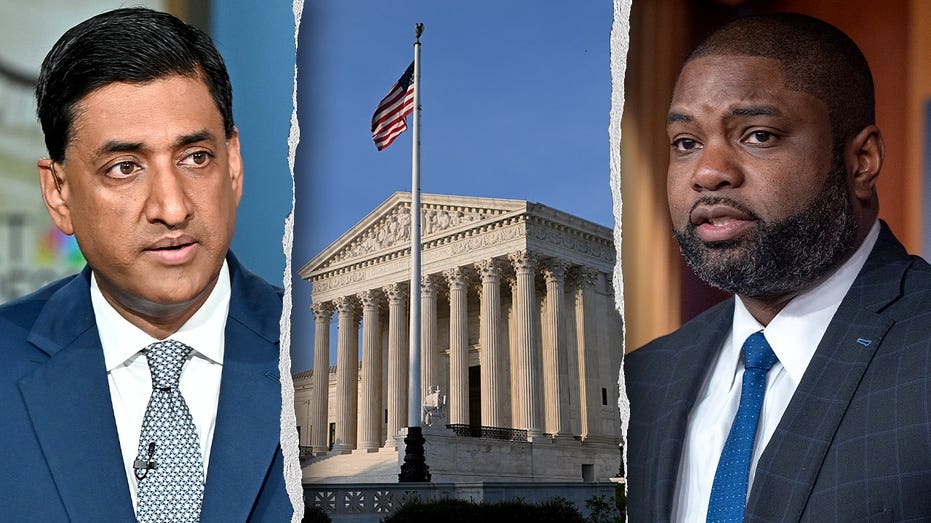
- WATCH: Controversial SCOTUS decision strikes a divide among lawmakers (Right — Latest Political News on Fox News)
- Supreme Court’s expansion of Trump’s firing power heads for new test (Center — The Hill News)
- Trump puts allies on notice: AI power comes first (Center Left — Axios)
- US moves to eliminate long-time radiation safety principle for nuclear power (Center — The Hill News)
Daily Analysis
Read the full Parallax Pulse for May 12, 2026 — an AI-powered analysis of how Left and Right media covered the biggest stories this day.
More Headlines From May 12, 2026
- ‘Monetizing hate’: Alabama attorney general investigates SPLC for deceptive practices (Far Right)
- Gavin Newsom faces growing pressure to suspend California gas tax as Trump takes action (Right)
- A Chaotic and Politicized World Cup Lumbers Toward Kickoff (Center)
- Opinion | Donald Trump’s Nixon Moment (Center)
- As Trump goes to China, what do Americans say about tariffs, Iran and world standing? (Center)