Iran War & Strait of Hormuz Energy Crisis Reveal Decline of U.S. Empire: Historian Alfred McCoy

Source: Democracy Now! · Bias: Far Left

Summary

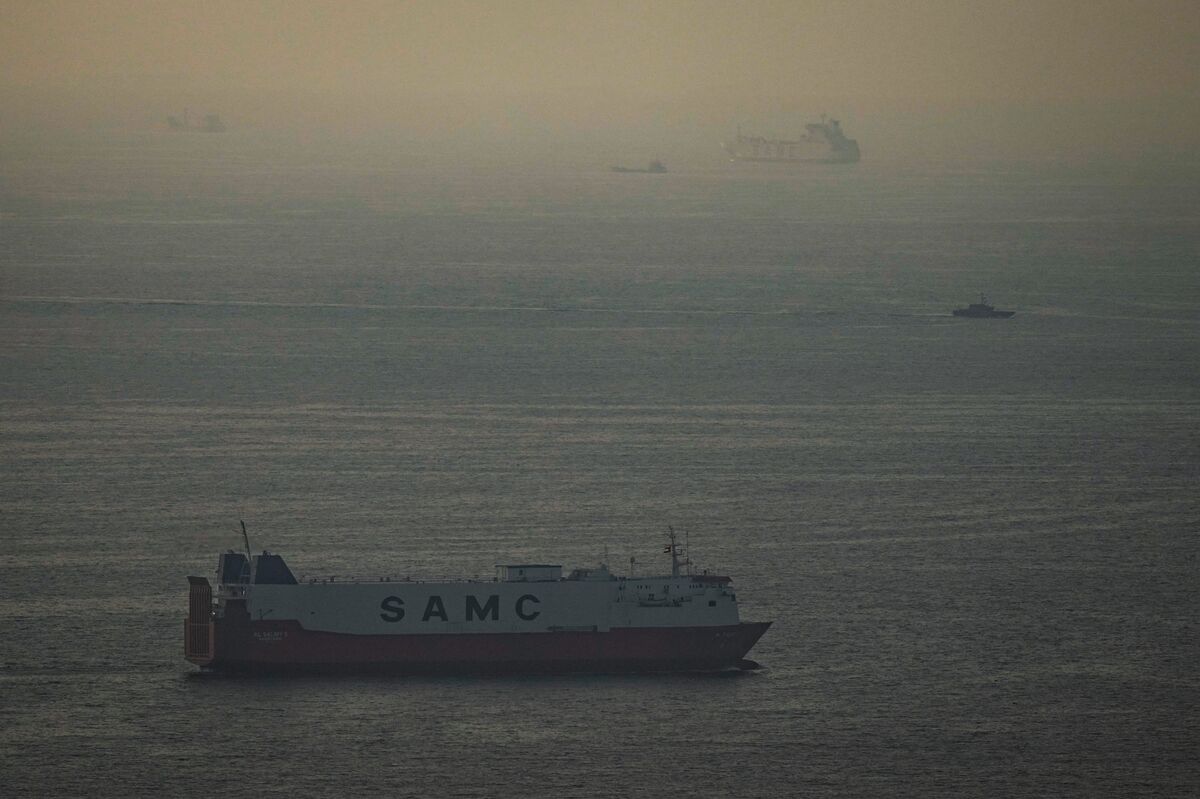
The U.S.-Israeli war on Iran has now entered its fourth week. The de facto closure of the Strait of Hormuz by Iranian forces is being felt worldwide, as shipments of oil, natural gas and fertilizer have been drastically curtailed. A fifth of the world’s oil supply transits through the strait, and the price of oil is up by about 50% since the war began in late February. On Saturday evening, President Trump threatened Iran on social media, saying he would “obliterate their various power plants, starting with the biggest one first,” if the Strait of Hormuz was not fully reopened within 48 hours. He later extended his deadline by five days following Iranian threats to destroy essential infrastructure, including energy and water systems, across the Gulf. Iran has denied reports of direct or indirect talks with the U.S. If Iran can keep the Strait of Hormuz closed and “hold Washington to ransom,” it will have significant leverage, says Alfred McCoy, professor of history at the University of Wisconsin-Madison. “In a strategic analysis, Iran right now is in the dominant position.”

Related Coverage

Daily Analysis

Read the full Parallax Pulse for March 22, 2026 — an AI-powered analysis of how Left and Right media covered the biggest stories this day.

More Headlines From March 22, 2026

Iran War & Strait of Hormuz Energy Crisis Reveal Decline of U.S. Empire: Historian Alfred McCoy
Democracy Now!

Iran War & Strait of Hormuz Energy Crisis Reveal Decline of U.S. Empire: Historian Alfred McCoy

Far Left

The U.S.-Israeli war on Iran has now entered its fourth week. The de facto closure of the Strait of Hormuz by Iranian forces is being felt worldwide, as shipments of oil, natural gas and fertilizer have been drastically curtailed. A fifth of the world’s oil supply transits through the strait, and the price of oil is up by about 50% since the war began in late February. On Saturday evening, President Trump threatened Iran on social media, saying he would “obliterate their various power plants, starting with the biggest one first,” if the Strait of Hormuz was not fully reopened within 48 hours. He later extended his deadline by five days following Iranian threats to destroy essential infrastructure, including energy and water systems, across the Gulf. Iran has denied reports of direct or indirect talks with the U.S. If Iran can keep the Strait of Hormuz closed and “hold Washington to ransom,” it will have significant leverage, says Alfred McCoy, professor of history at the University of Wisconsin-Madison. “In a strategic analysis, Iran right now is in the dominant position.”