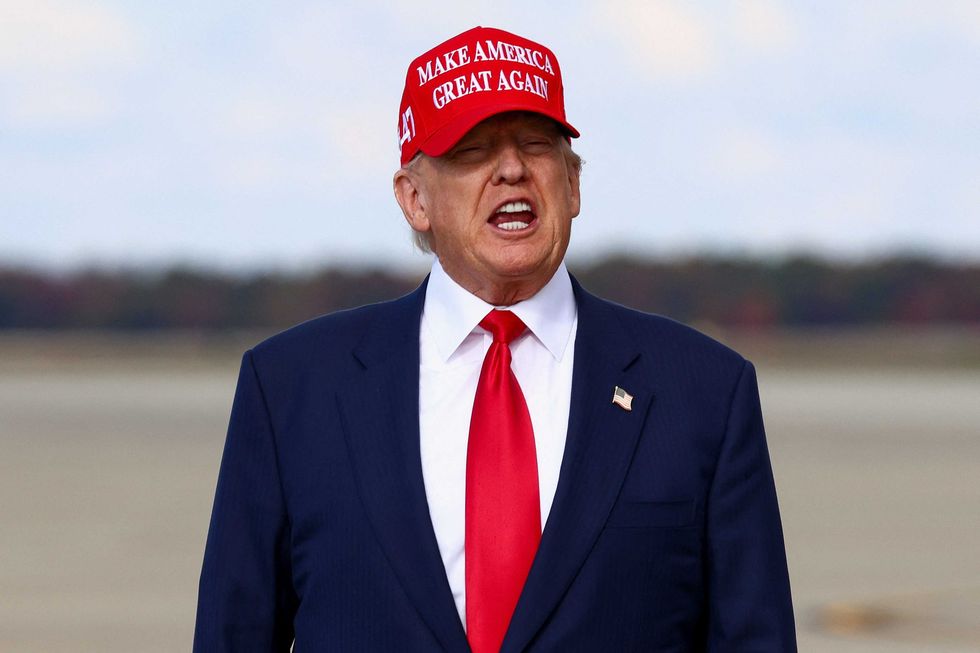
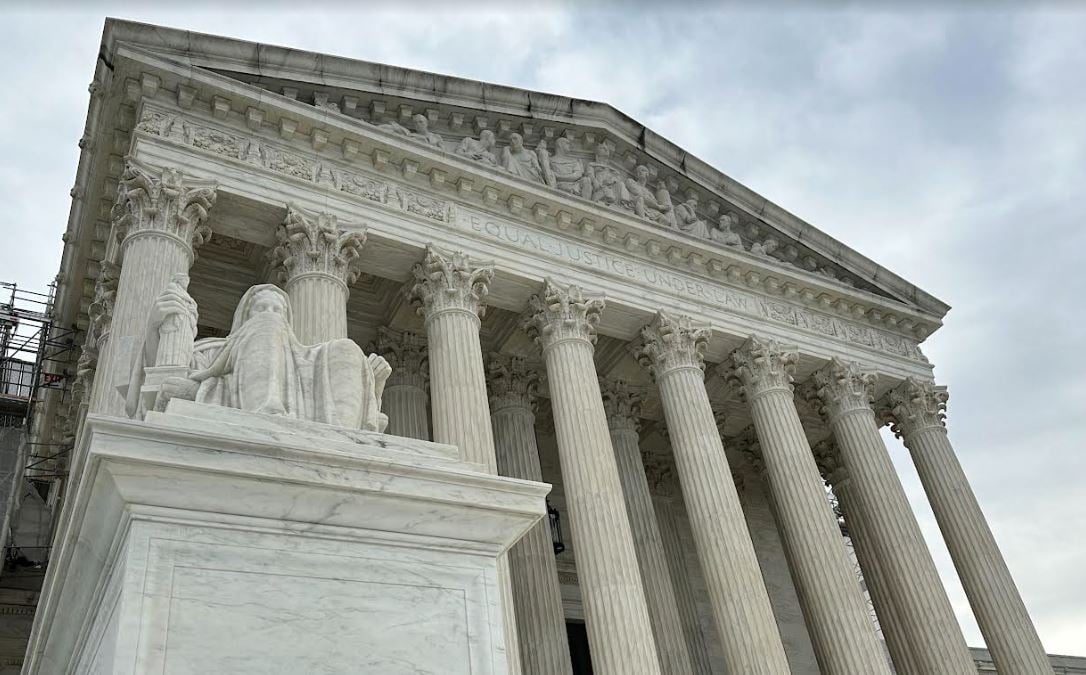
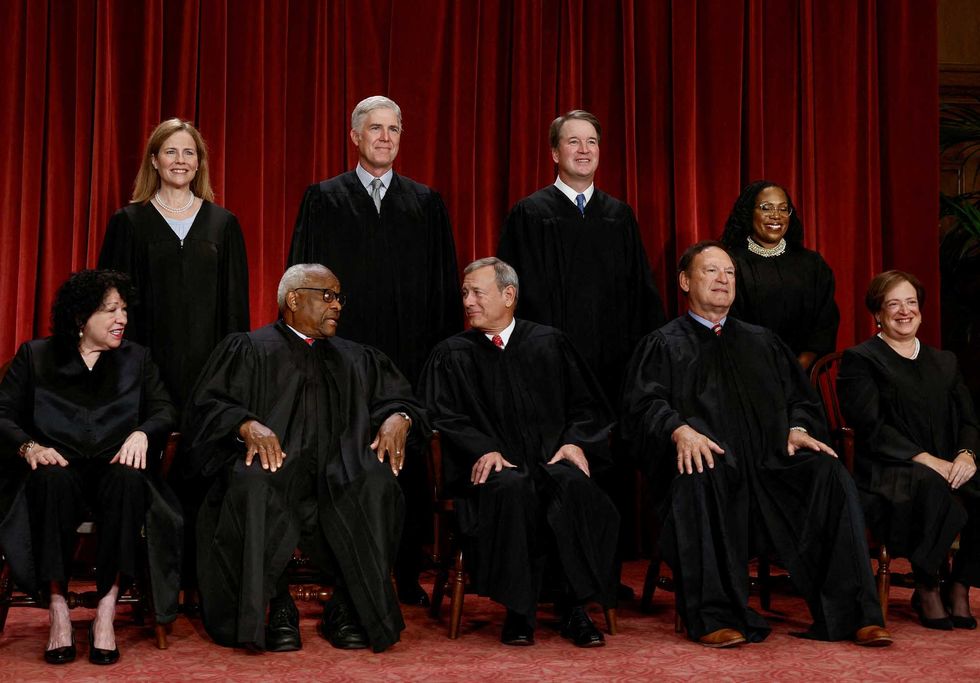
A group of 35 former federal judges has filed legal action to try to forcibly reopen the Trump v. IRS lawsuit, as a means of shutting down the president's "settlement" with his own government that creates a $1.776 billion "Anti-Weaponization" slush fund.President Donald Trump previously filed the suit, seeking $10 billion from his own tax agency for alleged negligence in keeping his tax information safe, after a whistleblower exposed confidential information about his returns.In the brief, the judges argued that the very existence of the settlement is improper and represents an abuse of the court system."This Court dismissed this action with prejudice ... in response to Plaintiffs’ Notice of Voluntary Dismissal with Prejudice ... filed earlier that day," said the filing, noting that the judge wrote at the time Trump “neither submitted any settlement documents nor filed any documents ensuring that settlement was appropriate where there was an outstanding question as to whether an actual case or controversy existed. "The Court was deceived. Despite Plaintiffs not having mentioned any settlement in their Notice, the Department of Justice ... publicly announced a 'settlement' of this action shortly after Plaintiffs filed their dismissal."This action isn't legal, the judges wrote, and the case should be reopened to litigate its validity."The purported 'settlement' that the parties never placed before this Court raises profound questions about the parties’ candor toward the Court and manipulation of the judicial system, which threatens to undermine confidence in the administration of justice," they wrote. "As former judges, Movants have an interest in bringing to the Court’s attention these concerns and the availability of relief under Rule 60 of the Federal Rules of Civil Procedure, which allows the Court to set aside the judgment and reopen the case."All of this comes as the "Anti-Weaponization Fund," which the Justice Department insists is not political and open to all victims of "lawfare," has become so politically toxic that even Republicans in Congress have debated curtailing it.