
The Dispatch
Marking Memorial Day
Plus: Iran talks continue, a gunman fires near the White House, and dog shoots man.
Center Right

A special broadcast: Highlights from Democracy Now!’s 30th anniversary celebration at the historic Riverside Church, featuring Angela Davis, Patti Smith, Mosab Abu Toha, Michael Stipe, Hurray for the Riff Raff, Amy Goodman, Juan González, Nermeen Shaikh and a surprise appearance by Bruce Springsteen.
Plus: Iran talks continue, a gunman fires near the White House, and dog shoots man.
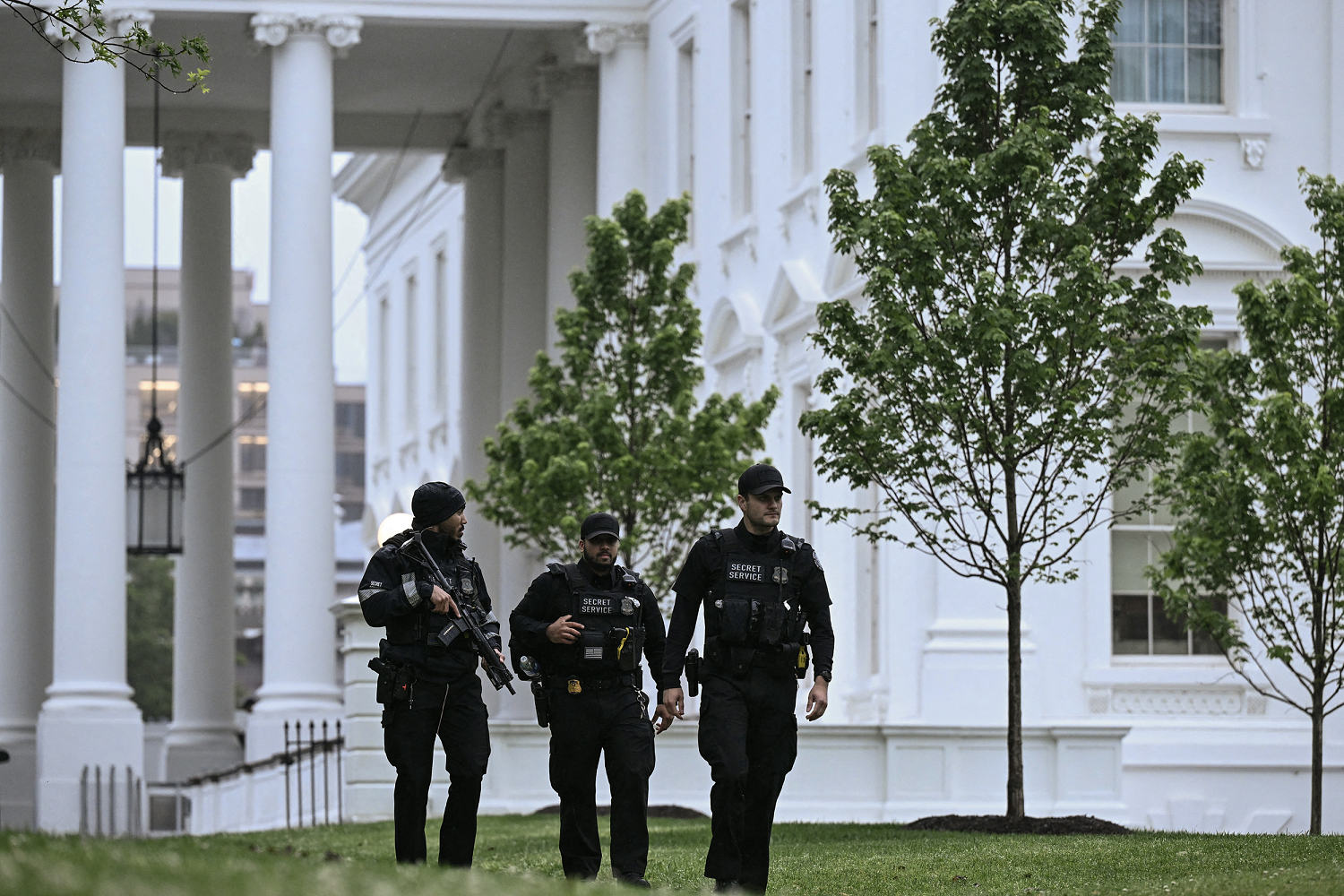
The shooting at the White House Saturday evening is just the latest act of political violence carried out in President Donald Trump’s orbit in recent weeks.
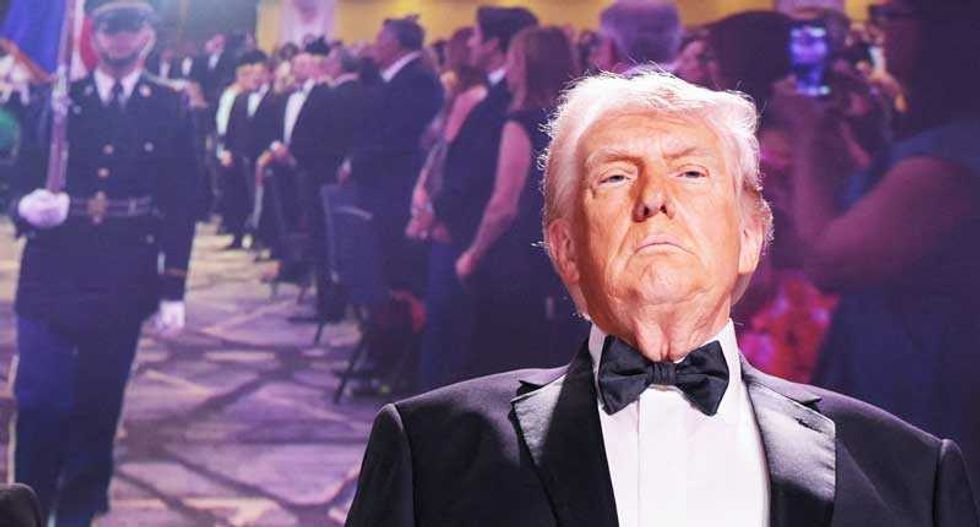
The creation of an “Anti-Weaponization Fund” at the Department of Justice may have shocked a lot of people, but not Paul Figley, a legal scholar and former DOJ staffer who has spent years warning that taxpayer money could be used by an administration for political ends in just this way.The fund, the result of a settlement of legal claims by Donald Trump and his family against the IRS, aims to compensate those who “suffered weaponization and lawfare” at the hands of the federal government. It has already been called a “slush fund” by the New York Times editorial board, which noted – as many have – that it’s likely to pay much of its US$1.8 billion funding to Trump allies who rioted at the U.S. Capitol on Jan. 6, 2021.The money comes from what’s called the Judgment Fund, set up in the Department of Treasury by Congress in the 1950s to pay legal judgments and settlements involving the federal government. In doing so, Congress gave away a portion of its foundational, constitutional role: The power to control government spending. Figley, who worked at the Department of Justice and is also an emeritus professor of legal rhetoric at American University Washington College of Law, has warned Congress and others that by putting decisions about such huge payouts in the hands of the executive branch, the fund would inevitably be hijacked for political purposes. Naomi Schalit, The Conversation’s politics and legal affairs editor, spoke with Figley. What is the Judgment Fund, and why was it created?The Judgment Fund is a permanent, indefinite appropriation that Congress established to pay most judgments and settlements against the federal government. Prior to 1956, whenever a judgment or settlement was agreed upon or finalized, Congress would have to appropriate money to pay it. That meant the administration and Congress would have to go through kind of a karaoke: “Here’s a new settlement, here’s why it should be approved.” “OK, we approve it.” And it took up a lot of time and didn’t produce much good effect. So the old General Accounting Office recommended that Congress set up a system that would pay some claims automatically, and in 1956, Congress established the Judgment Fund. It allows payment of settlements and judgments if those payments were final and not authorized or provided for by some other legally available appropriation. Former Department of Justice lawyer Paul Figley spent years warning that presidents could use the little-known Judgment Fund as a political piggy bank. Congress essentially handed over responsibility for paying for settlements and judgments, which was taking up a lot of time, to the executive branch?Yes, the Department of Justice would do the paperwork and say this is final, or this is an appropriate settlement, send that to Treasury, Treasury then certifies that it was properly documented, and then orders the payment.From the constitutional perspective, it appears that Congress was getting rid of an annoying thing that it had to do, but wasn’t it also giving away its power of the purse?Yes, but only in a limited way to begin with. When the Judgment Fund was first established, any settlement or judgment that could go through the process had to be less than US$100,000. That worked so well that Congress increased the amount a couple of times, and then ultimately in 1977 said there’s no cap. It’s a permanent indefinite appropriation, and once it was established, nobody ever has to go back to Congress to ask that it be updated or refilled. It works automatically. You’ve written and given testimony about concerns you have with the Judgment Fund, over quite a few years and spanning several administrations. What are those concerns?The concern is that under our system, Congress should be responsible for – and is responsible for – appropriating money.Are you worried that this fund can be abused?It has been. For many, many years, it wasn’t abused very often. Occasionally, it was used for political purposes in the foreign policy context. President George H. W. Bush used it in 1991 to settle a claim with Iran for arms that had not been delivered. The Clinton administration used it to settle a similar claim with Pakistan in 1998. The Obama administration secretly paid Iran $1.7 billion for arms that the U.S. had not delivered, and $1.3 billion of that came from the Judgment Fund. Those all had a political context, and while they were arguably good decisions, they were decisions that, absent the Judgment Fund, would have had to go through Congress and have money appropriated after, perhaps, debate and discussion. The Obama administration also went much further in litigation involving claims of civil rights violations by the Department of Agriculture. The Obama administration’s use of the Judgment Fund in class action suits for discrimination in Department of Agriculture civil loan programs struck me as really bad policy.

Over the last 12 months, the Trump administration has moved to use nearly every tool it has to deliver a nuclear energy renaissance in the United States and power its race for artificial intelligence dominance. Saturday marks one year since President Donald Trump signed four executive orders aimed at bolstering the nuclear energy industry and […]

A New York Times Saturday story had the headline on its reference box “Cuba Backs Elder Statesman,” when referring to America’s murder indictment of former Cuban president Raul Castro
Millions of Americans still tune in to local television news for weather alerts, traffic updates, sports, school closings, and community affairs. While the share of the public getting news from local television has declined somewhat, roughly 65% of U.S. adults share this common civic experience. This is why it is concerning that a coalition of […]

A federal judge on Friday dismissed Michael Wolff’s lawsuit against first lady Melania Trump, launched after she threatened to sue the author for defamation. “There are many features of this case that make it complicated: the prominence of the personalities involved, the scandalizing content of the underlying statements, and, frankly, an inappropriate level of tactical gamesmanship,” U.S. District Judge Mary Kay…
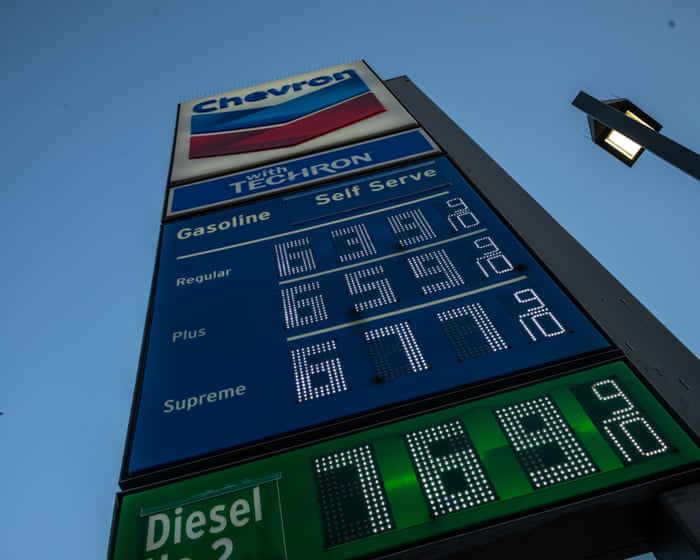
Prewar US gas prices averaged about $3 a gallon nationally – kiss that number goodbye for 2026Sorry, US drivers, but don’t expect pump prices to return to prewar levels any time soon, even if the US and Iran agree to a lasting peace deal tomorrow.As the war with Iran enters its third month, drivers have become infuriated by rising gas prices – and inflation – and Donald Trump is facing a historic backlash in the polls. The president promised recently that relief will be swift once the war ends. “I see it going down very substantially when this is over, I think very rapidly too, at levels that you’ve never seen,” he said. Continue reading...