The Tyee | BC's home for today's news, analysis and updates
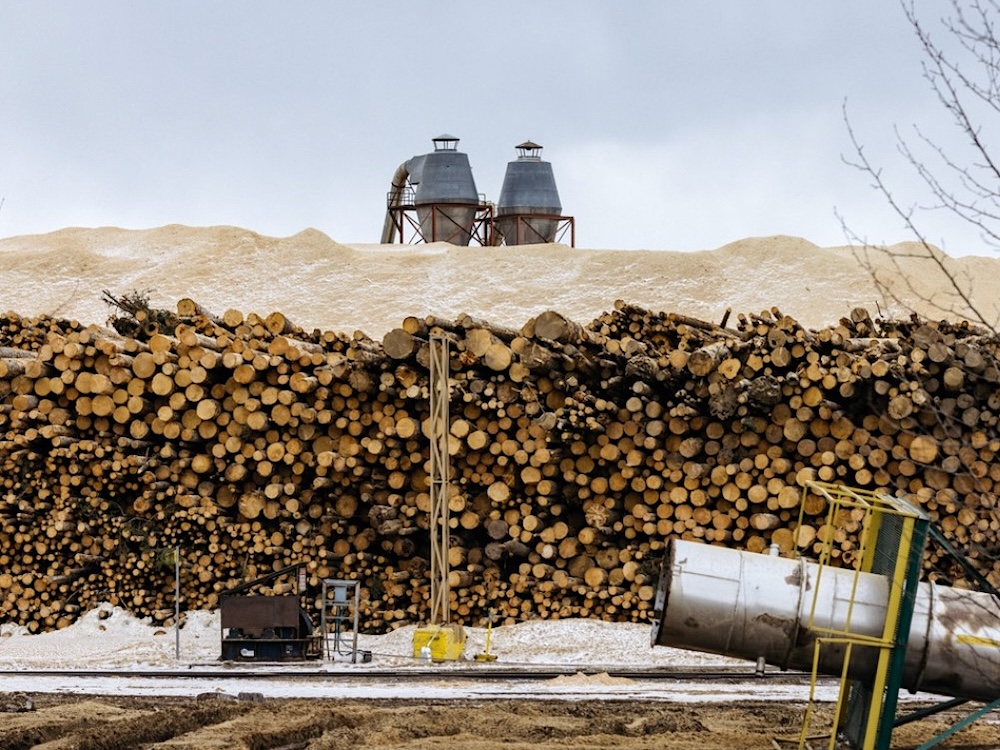
Millions in Forest ‘Enhancement’ Funds May Be Spurring More Logging
BC gives money to truck logs far distances. Some worry it leads to cutting down remote, rare forests.
Far Left
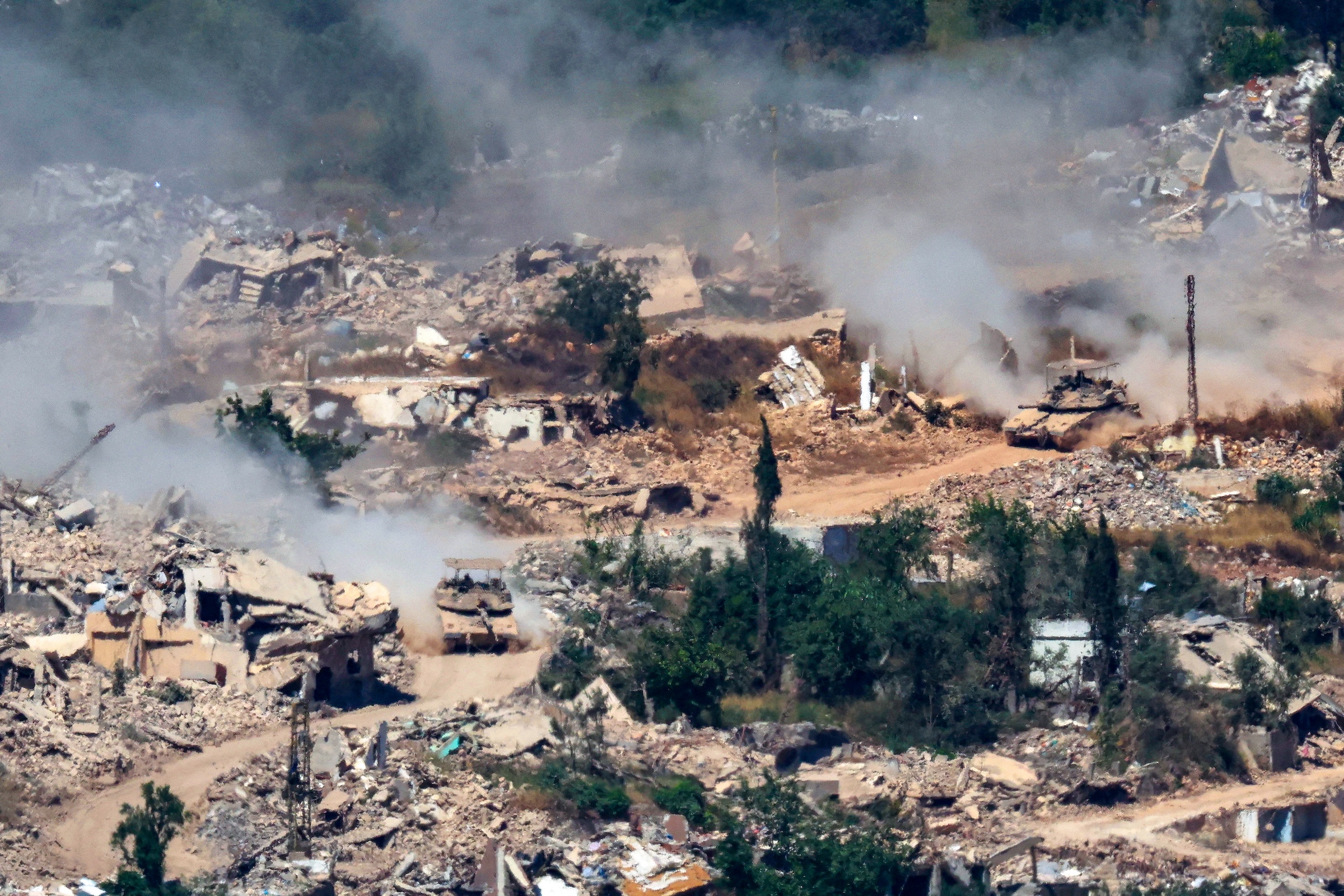
“This trail of destruction across southern Lebanon has rendered entire areas uninhabitable,” said an Amnesty director.
BC gives money to truck logs far distances. Some worry it leads to cutting down remote, rare forests.
Well, we know she’s at home in a gravel pit and handy with a shovel.
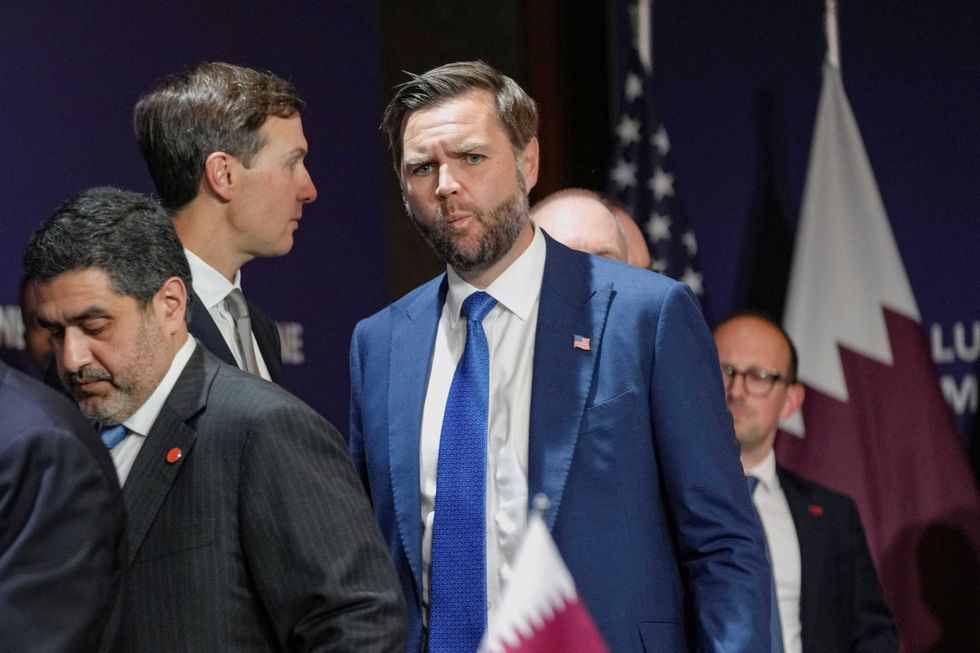
President Donald Trump's war with Iran put the global economy on the brink of collapse, and one economist warns that it could get worse if one sector of the economy begins to show signs of weakness. Liaquat Ahamed, a Pulitzer Prize-winning author and former World Bank investment chief, said during a recent episode of "The Court of History" podcast on the Legal AF Network that Trump's unilateral decision to impose tariffs on America's trading partners had already weakened the global economy before his war with Iran began. After the Iranian regime closed the Strait of Hormuz, the economy came exceedingly close to the brink, Ahamed argued. The only thing that saved Trump from collapsing the global economy was the enormous amounts of money tech companies are spending to build data centers around the world, Ahamed added. Without that, the economy would be in a "dark place," he continued. "The tech companies are spending trillions of dollars to build these data centers, and that is essentially sustaining the global economy," Ahamed said. Ahamed compared the state of the global economy to recent historical crashes, borrowing the old adage attributed to Ernest Hemingway that economic crises often unfold "slowly, then very quickly." He noted that the current value of the U.S. stock market is more than double the country's GDP, which he described as similar to the valuations seen during the dot-com bubble. That is happening at a time when more stress is being injected into the economy. Tensions between the U.S. and Iran appear to be ramping up again after Vice President JD Vance traveled to Switzerland to negotiate a deal with the Iranian regime to end the conflict. The Iranians announced they are closing the Strait of Hormuz once again in response to Israel's continued fighting with Hezbollah in Lebanon, which the regime has described as a "red line" in the negotiations. "Calling an end to this whole thing is very hard," Ahamed said. "On the other hand, I can assure you there will be an end."
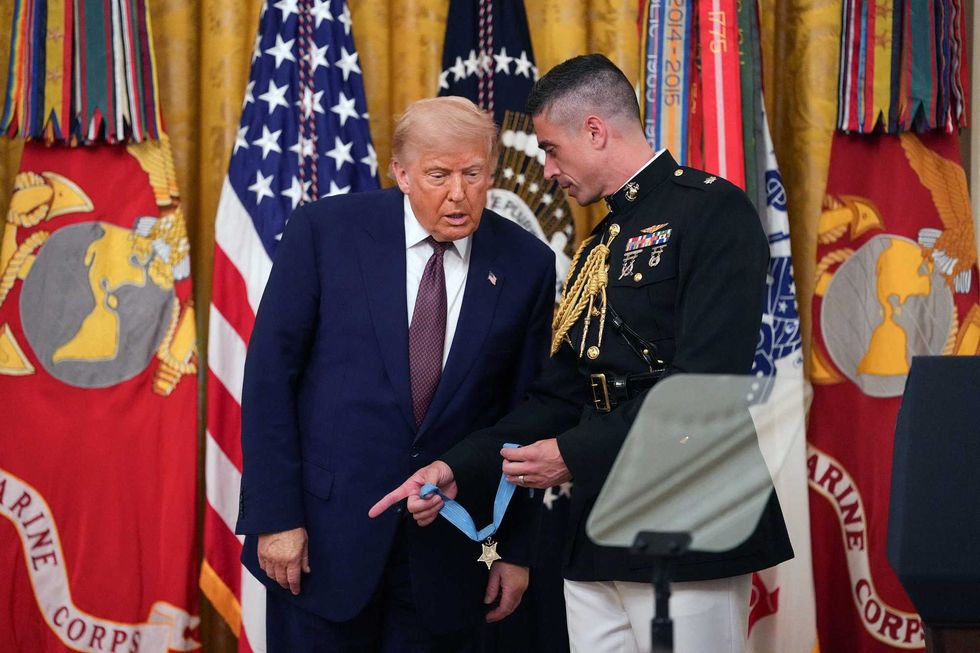
A senior Trump administration official made a stunning claim Sunday regarding the U.S. war against Iran, telling Zeteo’s Asawin Suebsaeng that the conflict not only began without “real” direction, but that it may very well come back to bite the administration later this year.“It was doomed from the very start,” the senior Trump official told Zeteo, speaking on the condition of anonymity. “We went in with no real mission and we all knew that. Now we have to spend the next five months hoping voters don’t b----slap us for it.”Launched in late February, Trump’s war against Iran began with a number of different objectives. Trump explicitly called for regime change just moments after launching his surprise attack on Iran. He’s also claimed the top war objective has been to ensure Iran does not have the capability to create a nuclear weapon.And yet, despite Trump’s list of war objectives, his top officials – at least, according to the senior Trump official who spoke with Zeteo – were largely directionless in the early days of the war. Another U.S. official told Zeteo that they and their colleagues knew almost immediately that the war would end in failure.“It made me say: We lost. That’s it. And the war had only just begun,” the official told Zeteo, also speaking on the condition of anonymity. “I don’t care if you were for or against this thing, if you’re the commander-in-chief, if you go to war, you can’t start thinking about cutting and running that early.”
The vice president seems to be trying to curry favor with Tucker Carlson for a presidential campaign.
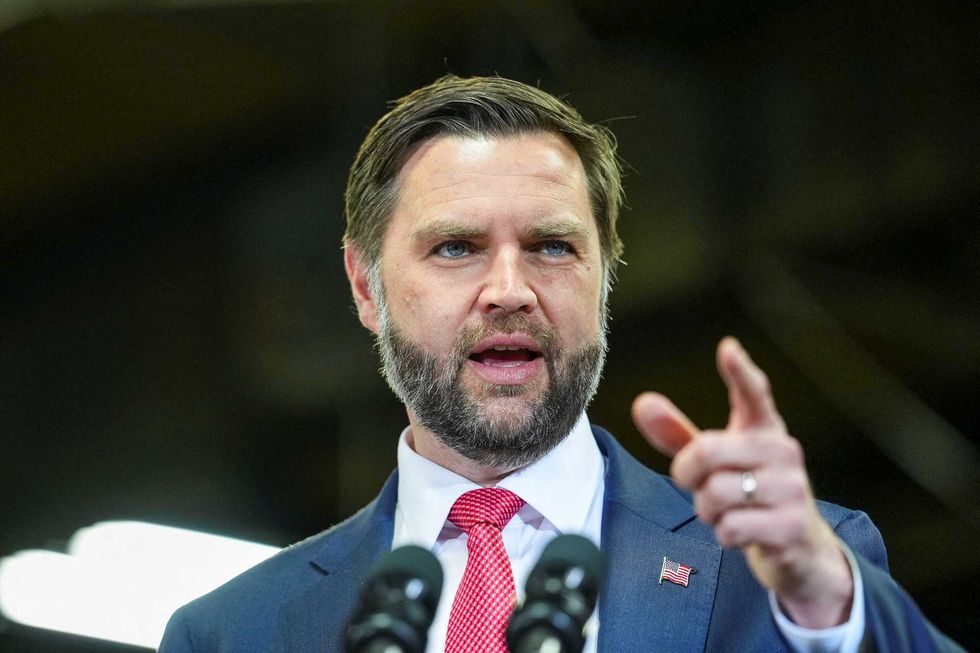
JD Vance's path to the presidency may run through Tehran, and not in a way that helps him. That is the striking implication of a new analysis by Iran expert Karim Sadjadpour, who argues in The Atlantic that the vice president's political future now depends heavily on whether hardline Iranian officials decide to play along with Donald Trump's latest gamble.Sadjadpour, a senior fellow at the Carnegie Endowment for International Peace, lays out how Trump handed Vance responsibility for an enormous and unlikely task: not merely striking a new nuclear deal, but engineering a wholesale transformation of US-Iran relations after a war that Sadjadpour says ended in humiliation for the president. The memorandum that paused the fighting, he writes, is so lopsided that it reads as if Tehran drafted it, with 13 of its 14 provisions amounting to boilerplate or favoring Iran outright.That is the project Vance has been told to deliver, and Trump has been remarkably candid about who absorbs the blame if it fails. "If it works out, I'm going to take the credit," the president said, according to the piece. "If it doesn't work out, I'm blaming J.D."The expert's sharpest observation is about where that leaves the vice president. Vance's prospects, Sadjadpour writes, "may rest as much on Islamic Revolutionary Guard Corps officers as on Republican-primary voters." In other words, a man eyeing the 2028 nomination has tied his standing to the cooperation of the very military and clerical figures who built their careers on resistance to the United States.Vance is reportedly pinning hopes on Mohammad Baqer Qalibaf, a former IRGC general and current speaker of Iran's Parliament, with whom he spent more than 20 hours in Islamabad and supposedly developed a rapport. Sadjadpour is skeptical that private warmth means anything. He notes that Qalibaf's public appearances, where he mocks America, praises Hezbollah, threatens Israel, and celebrates partnership with China, are a far more reliable guide to Tehran's intentions than any backroom assurances.The broader picture Sadjadpour paints is of an Iranian regime that thrives on isolation and treats sabotaging American presidents as a point of pride. He traces that pattern back to the 1979 revolution and the hostage crisis that helped sink Jimmy Carter's reelection. This time, he suggests, Tehran stands to claim an unusually rich prize. The Islamic Republic, he writes, may get "a two-for-one": the presidency of Donald Trump, and the presidential ambitions of JD Vance.If Sadjadpour is right, Vance has accepted a mission whose success is largely outside his control, with a boss already rehearsing the line that will pin any failure on him. The clerics and generals in Tehran, not the voters in Iowa, may end up deciding how that story turns out.

One of the most prominent spreaders of anti-Zionist propaganda and misinformation about international law is Mayor Mamdani, author Natasha Hausdorff writes.
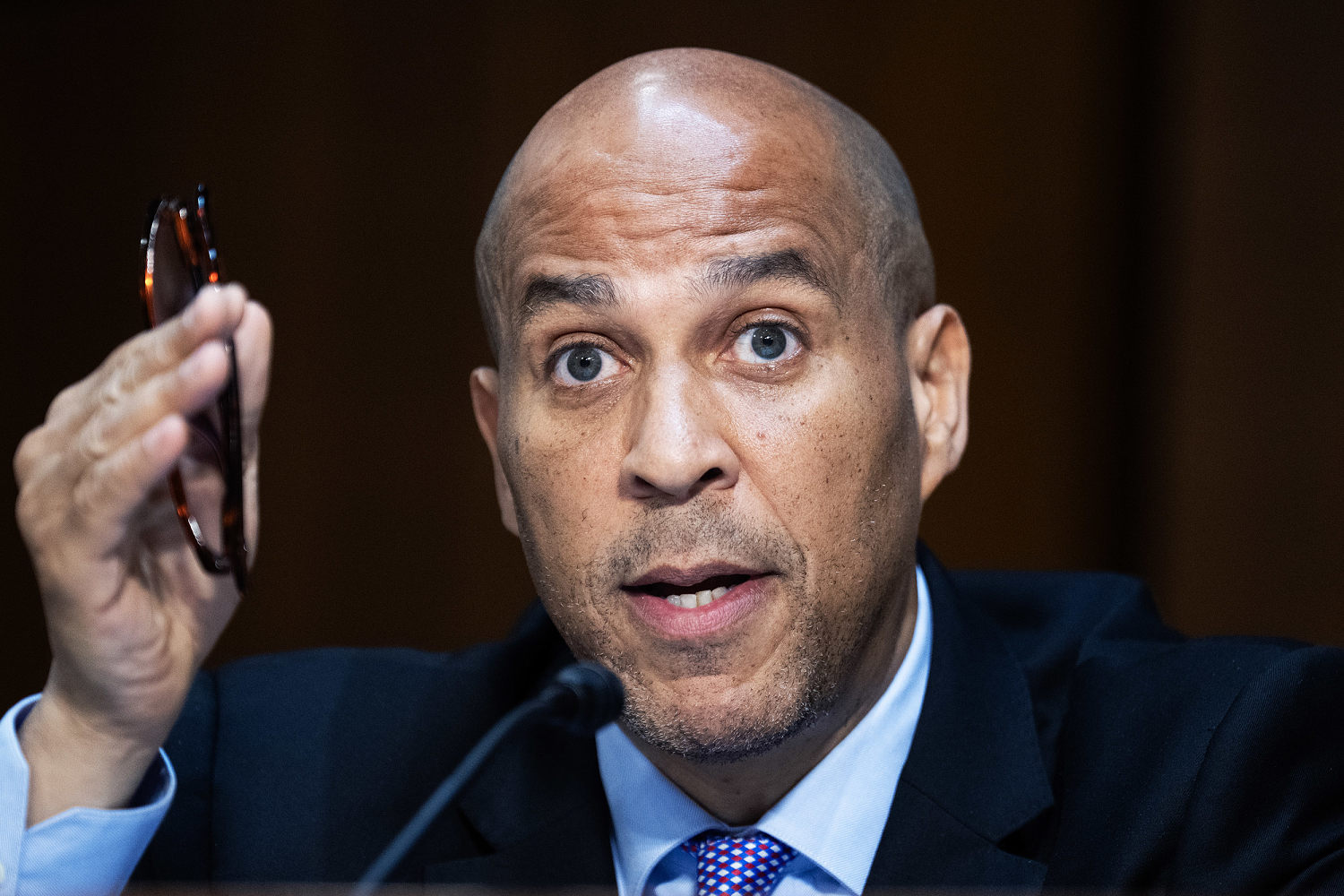
Sen. Cory Booker criticized President Donald Trump and Israeli Prime Minister Benjamin Netanyahu, calling them both ‘criminal” leaders.