Clearly gambling': Kalshi and Polymarket accused of skirting laws on sports betting
Source: Raw Story · Bias: Far Left
Summary
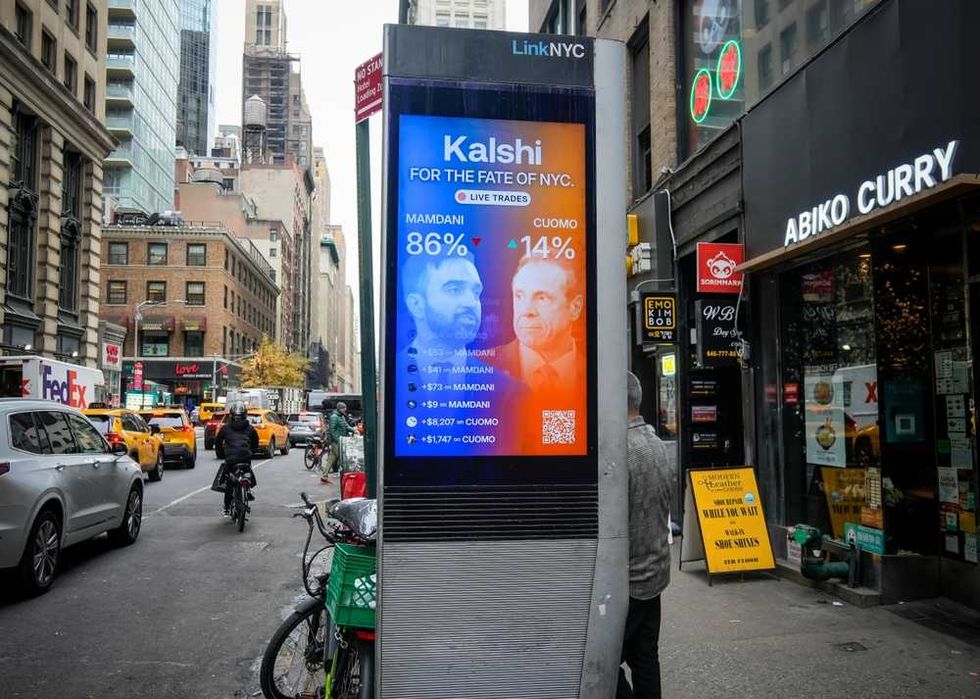
Online prediction markets allow users to put money on the outcome of almost anything — this weekend’s NBA game between the Warriors and the Thunder, the next supreme leader of Iran, whether the government will confirm the existence of aliens.But those markets have no state oversight and operate even in states that ban gambling.The platforms are raising bipartisan alarms, especially related to sports gambling. As states have legalized sports betting in recent years, they’ve required legal sportsbooks to jump through multiple hoops — from age verification procedures to protections for gambling addiction to tax collections. Online prediction markets circumvent all those rules.Platforms including Kalshi and Polymarket say they are offering contracts similar to commodity markets that speculate on the future price of corn or oil — not outright gambling. But a growing number of states are rejecting those justifications, arguing the platforms are offering a backdoor to skirt state gambling regulations, particularly on sports.The issue has sparked action from state regulators, new legislation, and lawsuits from both states and prediction markets. Complicating matters are the federal government’s moves to block state regulation of prediction markets, which see more than $13 billion in transactions each month.Most activity on those platforms revolves around sports. And in national ads, Kalshi even marketed itself as the first national legal sports betting platform — even though states approve and regulate sports gambling since a 2018 Supreme Court decision. In 11 states, sports gambling remains illegal.“This is sports wagering. If it looks like a duck and quacks like a duck, it’s probably sports wagering, in this situation,” said Kentucky state Rep. Michael Meredith, a Republican.Meredith, who sponsored a 2023 law that legalized sports betting in Kentucky, called for states to regulate prediction markets during a webinar hosted by the National Conference of State Legislatures. That organization, representing state legislators across the country, has urged Congress “to act swiftly to address the rapid growth of unregulated sports‑related event contracts.”State leaders argue their longstanding authority to oversee gambling should allow states to regulate or ban prediction market platforms. But those companies maintain they are not beholden to state regulations.“I think it’s very clear that this authority should be vested in our state governments,” Meredith said last month.In New York, lawmakers are considering legislation that would ban prediction markets from offering contracts on sports events, in addition to natural disasters, acts of terrorism and deaths. In Nevada, where gambling and tourism are top economic drivers, regulators are involved in a protracted legal fight after the state sought to stop prediction market activity on sports.“To me, this is clearly gambling,” Thomas Reeg, CEO of Caesars Entertainment, which operates casinos and sports betting, said during a company earnings call in January.But states are also fighting an obscure federal agency seeking to protect the emerging marketplace. The Commodity Futures Trading Commission, which regulates derivatives such as futures contracts on stocks, has asserted it has “exclusive jurisdiction” over prediction markets and promised to fight state regulatory efforts in court.The CTFC did not respond to Stateline’s request for comment. Neither did Kalshi or Polymarket, two of the leading prediction market companies.A new wave of bettingUnless Congress passes legislation, experts say the courts will ultimately decide what role states can play in regulating prediction markets.The standoff has led to litigation between the platforms and states in at least eight states, and officials in 11 states have sent cease and desist orders to prediction market companies, according to the American Gaming Association, an industry group representing casinos and sports books. A bipartisan group of attorneys general from 39 states and the District of Columbia recently urged a federal court to uphold state authority to regulate sports gambling.The American Gaming Association says prediction markets should either get out of the sports betting business or follow the same regulations and rules that apply to sportsbooks such as DraftKings and FanDuel.“They don’t want to pay the taxes, they don’t want to undergo the compliance and provide all of the consumer protections that are required by states of operators who operate legal sports betting,” said Tres York, the vice president of government relations for the association.The organization estimates states have lost out on more than $570 million in sports gambling tax revenues since prediction markets began offering sports events contracts.Many state leaders and experts are already concerned about the societal effects from the meteoric rise of sports gambling, which has transformed collegiate and professional sports, and the potential for...
Related Coverage
- Travis Kelce and Taylor Swift wedding guests revealed: NFL stars, Fox Sports personalities and more (Right — New York Post)
- Education Departments sues schools for allegedly letting boy dominate girls’ sports (Far Right — BizPac Review)
- Education Department sues schools over boys in girls’ sports (Far Right — WorldNetDaily)
- Restrictive Medication Abortion and HPV Vaccine Laws Take Effect in 3 States (Far Left — Truthout)
- The Supreme Court Protects States’ Ability to Safeguard Women’s Sports (Right — RedState)
- House Democrats accuse Trump’s Freedom 250 of misleading donors, potential wire fraud (Center — The Hill News)
- Donald Trump is the accidental hero of a real-life feelgood climate tale even as a creeping horror story plays alongside | Clear Air (Center Left — US news | The Guardian)
- Mom Neglects to Mention a Chilling Detail in Glowing Article About Her Trans Child, Who was at the Center of Landmark Supreme Court Case Involving Boys in Girls’ Sports (Far Right — The Gateway Pundit)
More Headlines From March 7, 2026
- DOJ admits to coding errors in Epstein files release (Center)
- AOC, Omar and other ‘Squad’ reps among the 53 House Dems that voted against reaffirming Iran as a terror sponsor (Right)
- Mad as a momma wasp': Republican exposes how Trump rage gave staffer the boot (Left)
- Trump administration takes heat as Americans slowly return from Middle East (Center)
- Will Kristi Noem become the new face of Trump’s Donroe Doctrine? (Right)