Supreme Court Ruling on Trans Athletes Leaves Advocates Crestfallen
The ruling upholding two state laws blocking transgender athletes from participating in girls’ and women’s sports was the latest in a series of defeats.

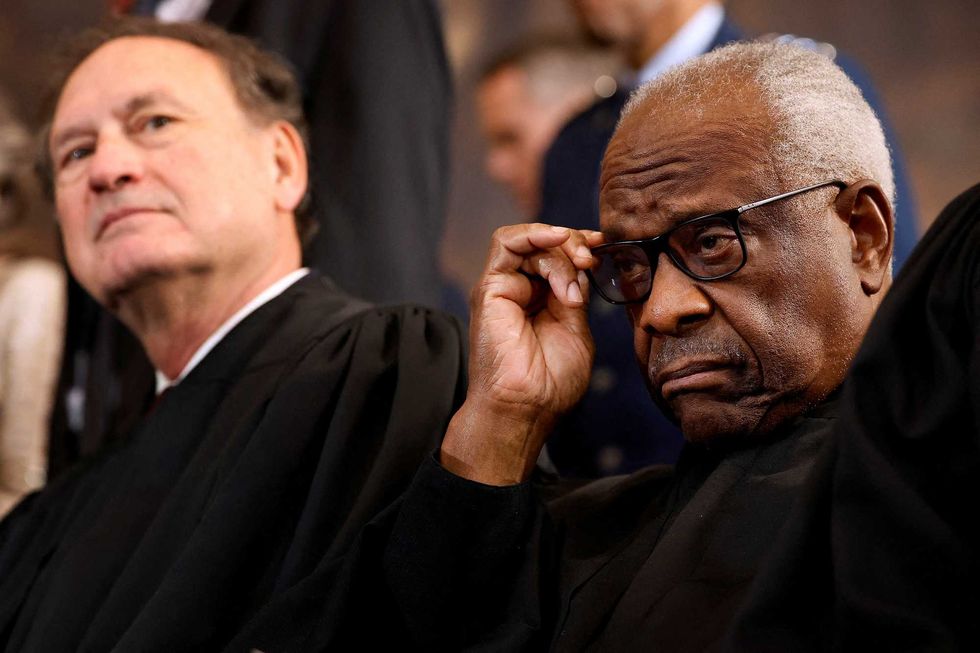
Justice Clarence Thomas's eyebrow-raising birthright citizenship dissent on Tuesday became the topic of discussion on MS NOW, with one anchor describing it as "astonishing" and legal analyst Lisa Rubin calling it "disappointing.""Astonishing may be the wrong word; I think disappointing maybe another word," Rubin said, telling viewers the dissent was "certainly predictable, based on oral argument."The exchange came moments after the Supreme Court upheld birthright citizenship in Trump v. Barbara, a 6-3 ruling that struck down President Donald Trump's executive order. The anchor had turned to Rubin to unpack Thomas's "astonishing" reasoning. Rubin's answer reframed the dissent as a letdown, but unsurprising.What disappointed her was the line Thomas drew, and where it came from. Rubin said Thomas was "picking up a thread that Solicitor General John Sauer left for him," and later that he was "taking the bait" — drawing a distinction between Black Americans and the children of what he called "foreign temporary visitors." In his dissent, joined by Justice Neil Gorsuch, Thomas argued the 14th Amendment was written to confer citizenship on the children of slaves, not on temporary visitors' children, reaching back to the Dred Scott decision and quoting Frederick Douglass to build it.She predicted it would not land with the people it claims to honor. "This is a distinction that large swaths of the civil rights movement will not accept," Rubin said, pointing to decades of shared organizing between the NAACP and immigrant rights groups.Chief Justice John Roberts wrote the majority opinion, joined by the court's three liberal justices and Justice Amy Coney Barrett, holding that children born in the United States to parents here unlawfully or temporarily are citizens at birth. Justices Thomas, Samuel Alito and Gorsuch dissented.The decision ends a fight that immigration scholars had long argued rested on a shaky reading of 14th Amendment history.
The ruling upholding two state laws blocking transgender athletes from participating in girls’ and women’s sports was the latest in a series of defeats.
The BBC’s Gary O’Donoghue explains what the court's landmark ruling means for the US president.
The Supreme Court narrowly ruled Tuesday that Chinese nationals partaking in birth tourism schemes may continue to do so and receive citizenship for their babies, making it imperative that President Donald Trump implement a complete ban on travel from China. The high court held that “children born in the United States to parents unlawfully or […]
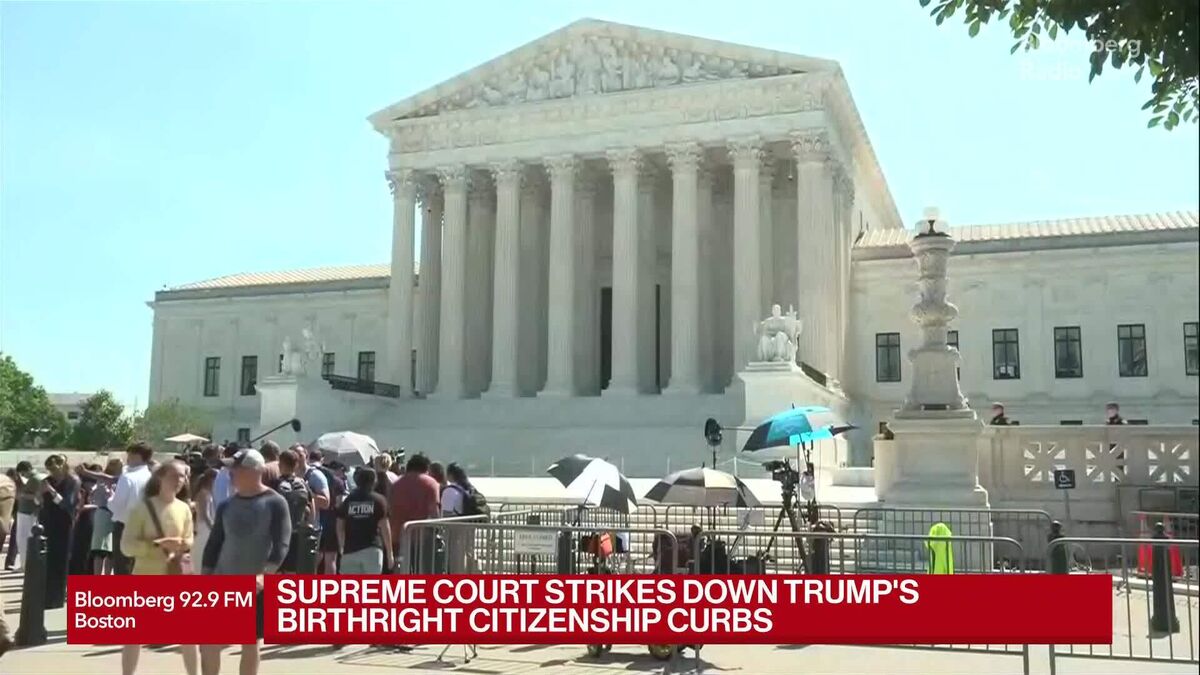
A divided US Supreme Court rejected President Donald Trump’s planned restrictions on birthright citizenship, invalidating a central plank of his immigration agenda. Bloomberg Law Host June Grasso and Leon Fresco, Partner at Holland & Knight, discuss the ruling. (Source: Bloomberg)
Some Republican lawmakers are reigniting a push to amend the Constitution to end birthright citizenship after the Supreme Court on Tuesday struck down President Donald Trump’s executive order seeking to limit the right under the 14th Amendment. The high court ruled 6-3 to strike down Trump’s order that would have ended citizenship for children born to parents […]
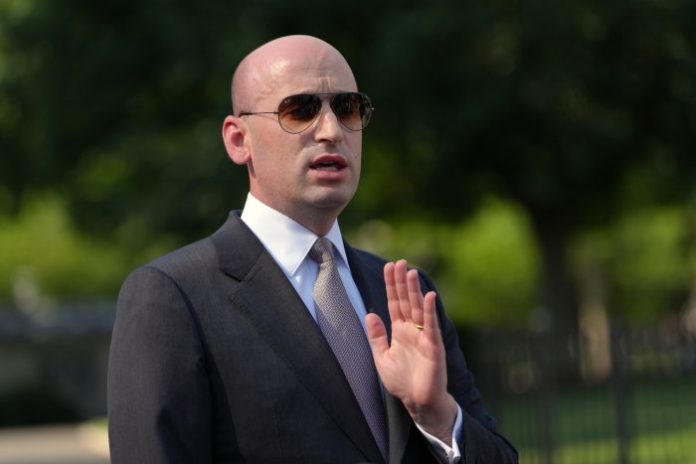
Stephen Miller, White House deputy chief of staff for policy, blasted the Supreme Court’s birthright citizenship ruling, calling it “destructive” and “outrageous.” The Supreme Court struck down President Donald Trump’s executive order restricting birthright citizenship under the 14th Amendment on Tuesday. The court invalidated Trump’s order and reaffirmed that birthright citizenship applies to children born […]
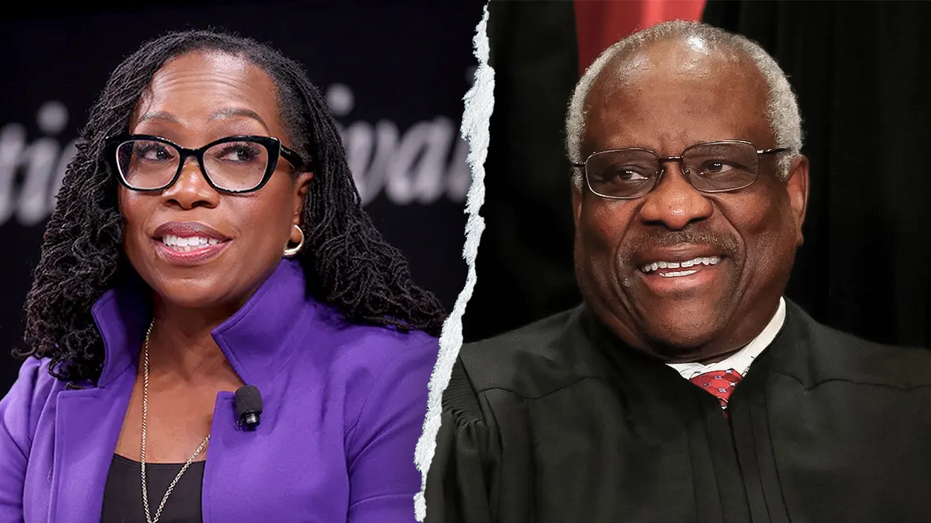
Justice Ketanji Brown Jackson accused Clarence Thomas of echoing Dred Scott by opposing the birthright citizenship ruling under the 14th Amendment.
The ruling is a major setback for Donald Trump's immigration agenda, and has been welcomed by civil rights groups.