The Tyee | BC's home for today's news, analysis and updates
The Tiny Fan-Owned BC Team Behind Canada’s World Cup Talent
How a Burnaby club helped launch a new generation of soccer stars.
Far Left

One commissioner said it’s like ‘providing a fire department with garden hoses for three-alarm fires.’
How a Burnaby club helped launch a new generation of soccer stars.
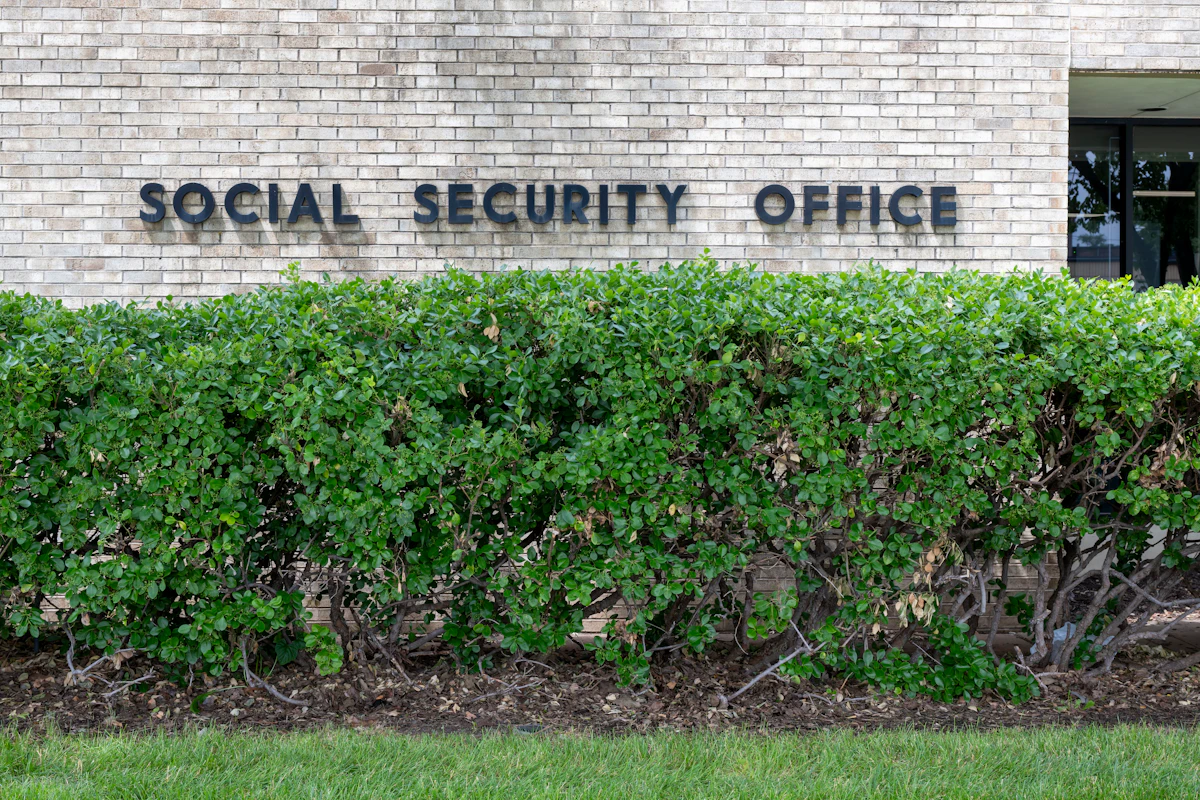
A fund used to support Social Security retirement benefits is expected to expire in 2032, according to a new trustees report released by the Social Security Administration Tuesday.The new expiration date for the Old Age and Survivors Insurance fund, or OASI fund, is three months earlier than what the SSA projected last year. The change comes as a result of President Donald Trump’s “One Big Beautiful Bill,” which was passed in July 2025. The bill lowered the ordinary income tax rate on Social Security benefits, which supports the funds.Seventy-one million people receive monthly Social Security payments. The AARP, a nonprofit representing older Americans, determined that Social Security provides 43 percent of seniors with a majority of their income. “Congress needs to act,” AARP CEO Myechia Minter-Jordan wrote in a statement. “Americans have worked hard and paid into Social Security their entire lives, and they deserve to count on it when they retire. No family should see any cuts to what they’ve earned in Social Security.”Social Security isn’t being scrapped anytime soon, but the OASI fund provides it with a serious amount of its money; if the fund is allowed to expire, 12 percent of retirement benefits will be lost. Social Security for one person would be cut $500 per month, on average, and in 29 states, losses would be even greater, according to research from the Committee for a Responsible Federal Budget.Congress can move money around to fill the funding gap and even combine the OASI fund with other funds. But merging funds just means taking money directed toward one set of recipients and giving it to another—certainly not a permanent solution.While Trump has promised both on the campaign trail and in office not to cut Social Security benefits, his largest policy bill is poised to do exactly that. His administration is also pursuing legislation that would cut off disabled Americans from their SNAP benefits, after abandoning similar plans last year due to media backlash.
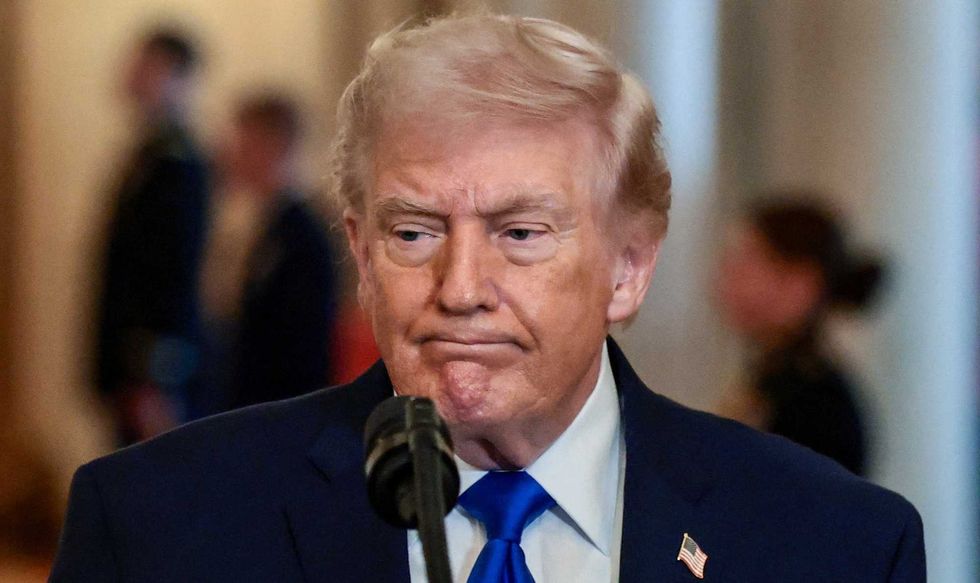
As the future President Donald Trump's slush fund remains uncertain, a new report from Politico revealed that one of his top Justice Department officials plotted to cash in on it.The DOJ first announced the "anti-weaponization" fund as part of a settlement for Trump's lawsuit against the IRS, claiming that it would pay out to people who were supposedly targeted by the government for their political beliefs. Following a wave of bipartisan backlash to the fund, particularly over the possibility that it could pay out to Jan. 6 rioters, a federal judge in Virginia issued a temporary ruling to block its implementation, though it remains a possibility that it could be revived, even after reports that the administration was moving away from it due to the backlash.According to a Wednesday report from Politico, while the fund was still an active concern, a top official with the DOJ was planning to claim a payment from it, based on his time as a congressional staffer. The situation raised alarms at the agency, as he was set to be involved in the communication strategy surrounding the fund."The official, Patrick Davis, raised his plan to file a claim with others at the DOJ in May because he viewed it as a conflict," Politico revealed. "DOJ officials were concerned by Davis’ recusal request in part because he was responsible for communicating the department’s reasons for setting up the fund to lawmakers. Davis works as the assistant attorney general for legislative affairs, a Senate-confirmed position, and previously served as a top aide to Republican Sen. Chuck Grassley of Iowa."The outlet continued: "His plan to make a claim from the fund stems from his time as a congressional staffer. He had his phone and email records subpoenaed when he was investigating 'Russiagate,' the yearslong probe into Russia’s efforts to influence the 2016 presidential election and Trump’s alleged ties to Moscow. It’s unclear how much money Davis would have sought from the halted fund, if any, but the proposed fund would have also offered formal apologies."“[Davis] has relationships with the senators, and it was a very tough time for him to back out,” one anonymous official close to the situation told Politico. “In a very fraught moment, with legislative affairs and stuff with the Hill, DOJ needed to have the head of [lega] affairs involved.”When reached for comment, the DOJ told Politico that "out of an abundance of caution, Davis temporarily recused himself on a precautionary basis and after internal consultation, it was decided that recusal was not necessary for a number of reasons," while also taking the opportunity to once again smear the Russian collusion investigation as a "hoax."
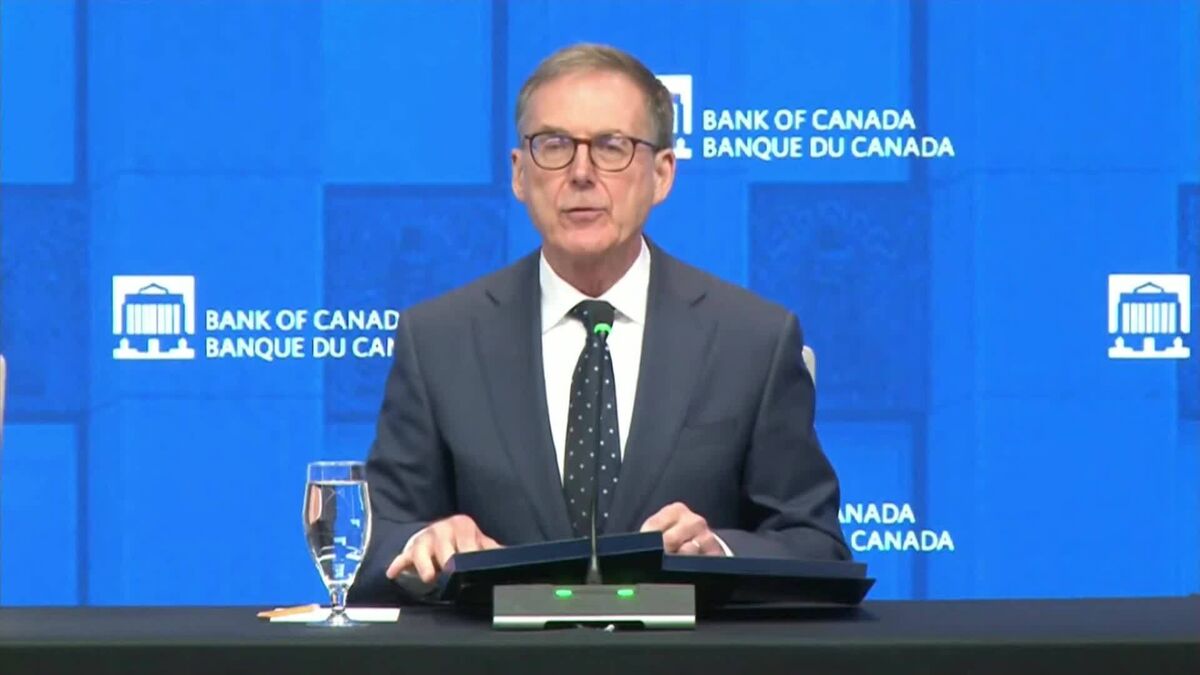
The central bank maintained its policy rate at 2.25% for a fifth consecutive time, matching expectations of markets and forecasters, as the economy remains weak and the global oil shock drives up inflation. Bank of Canada Governor Tiff Macklem says policymakers are committed to keeping inflation low and stable over time. (Source: Bloomberg)
The school year is over, report cards are coming home, and parents are asking the same questions they ask at the end of every school year: Is my child learning? Are they better prepared for the future? For far too many families, the honest answer is no. According to the National Assessment of Educational Progress, fewer than one in three American students can read ...

Think of all the long, empty, disappointing nights going back to 1973. Think of all the terrible bounces, awful breaks, horrible decisions that have plagued the Knicks like a virus whenever the lights were brightest.
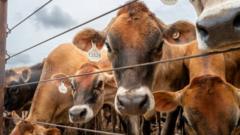
The ban came as a second infected calf was identified in Texas, and the US state declaring a state of disaster over the outbreak.